















Bug Yoga هي شكل مرح من اليوجا يستخدم الحشرات والمخلوقات الصغيرة كمصدر إلهام للحركة والخيال ورواية القصص. تحظى بشعبية خاصة في يوجا الأطفال وأنشطة حركة الفصل الدراسي واليوجا العائلية ، حيث قد تقلد الأوضاع الفراشات والعناكب والقواقع والنحل والحشرات الأخرى.
على عكس تقاليد اليوجا الراسخة مثل هاثا أو أشتانجا ، فإن Bug Yoga ليست نظام يوجا موحدًا مع تسلسل واحد معترف به عالميًا. يستخدم المعلمون المختلفون المصطلح بشكل مختلف. تستخدم بعض برامج يوجا الحشرات مجموعة من الأوضاع المستوحاة من الحيوانات والحشرات ، بينما يشتمل البعض الآخر على سرد القصص وتمارين التنفس واليقظة وألعاب الحركة.
يمكن أن يشير المصطلح أيضًا إلى وضع الحشرة الميتة ، وهي حركة مستلقية يرقد فيها الممارس على الظهر وينسق الذراع المعاكس وحركات الساق. يرتبط هذا الإصدار ارتباطًا وثيقًا بالتدريب على الاستقرار الأساسي أكثر من ارتباطه بمفهوم يوجا الأطفال الخيالي.
لذلك ، عندما يبحث شخص ما عن “حشرة اليوغا” ، فقد يشير إلى أي منهما:


- اليوغا تحت عنوان الحشرات للأطفال ، أو
- وضعية اليوجا الميتة ، حركة تركز على النواة.
تشرح هذه المقالة كلا المعانيين مع التركيز بشكل أساسي على اليوغا الحشرات كممارسة يوجا مرحة وممارسة الحركة.
لماذا تعتبر Bug Yoga شائعة؟
يتعلم الأطفال بشكل طبيعي من خلال الخيال واللعب.
قد لا يكون مطالبة الطفل “بتمديد عمودك الفقري” جذابًا مثل مطالبته بالتظاهر بأنه كاتربيلر يزحف عبر حديقة.
يوجا الحشرات تحول الحركة إلى قصة.

مثلا:
- يمكن أن تمثل الفراشة حركات الجناح اللطيفة.
- يمكن أن يشجع العنكبوت التنسيق بين اليدين والقدمين.
- يمكن أن يمثل الحلزون حركة بطيئة ويقظة.
- يمكن للنحلة أن تقدم عمل التنفس الصاخب.
- يمكن أن يقدم الجندب القفز.
- يمكن لليرقة أن تشجع حركات الزحف.
يمكن أن يجعل هذا النهج اليوجا أقل كجلسة تمرين رسمية وأكثر مثل مغامرة تفاعلية.

هل Bug Yoga هو أسلوب يوجا تقليدي؟
لا .
من الأفضل فهم يوجا الحشرات على أنها نهج يوجا إبداعي أو نشاط حركي ذي طابع خاص ، بدلاً من سلالة اليوجا التقليدية.
تشمل اليوجا التقليدية الممارسات التي تنطوي على المواقف الجسدية والتنفس والتأمل والمبادئ الفلسفية.
تستعير Bug Yoga حركات اليوجا المختارة وتجمع بينها وبين موضوعات الحشرات الخيالية.
هذا التمييز مهم لأن الادعاءات حول Bug Yoga لا ينبغي تقديمها تلقائيًا على أنها ادعاءات قائمة على الأدلة حول تدخل طبي أو علاجي متميز.
قد توفر الأبحاث حول اليوجا العامة سياقًا مفيدًا ، لكنها لا تثبت أن لعبة يوغا محددة تحت عنوان الحشرات تنتج نفس التأثيرات.
ما هي فوائد اليوجا الحشرات؟
تعتمد الفوائد المحتملة على كيفية هيكلة النشاط.
عندما تتضمن اليوجا الحشرات حركة نشطة، قد يمارس الأطفال:
- ميزان
- تنسيق
- تناسق
- الوعي بالجسم
- صلابة
- التحكم في المحرك
- تنفس
- انتباه
- مسرحية خيالية
ومع ذلك ، من الأفضل وصف هذه الفوائد بأنها فوائد محتملة لليوجا وأنشطة الحركة بدلاً من الادعاء بأن يوجا الحشرات على وجه التحديد قد ثبت أنها تنتجها.
1. يشجع النشاط البدني.
واحدة من أكبر مزايا اليوجا هي أنها يمكن أن تشجع الأطفال على الحركة.
قد يكون الطفل أكثر استعدادًا للمشاركة عندما يتم تقديم الحركة كلعبة.
بدلا من الجلوس لجلسة تمدد تقليدية، يمكن للأطفال:
- الزحف مثل اليرقات
- رفرفة مثل الفراشات
- المشي مثل الحشرات
- تمتد مثل العناكب
- القفز مثل الجنادب
يمكن أن يقدم هذا الحركة في شكل ممتع يمكن الوصول إليه.
2. يطور التوازن.
يمكن للعديد من الحركات المستوحاة من الأخطاء أن تتحدى التوازن.
على سبيل المثال، قد يقف الطفل الذي يتظاهر بأنه فراشة على واحدة الساق أو أداء الذراع الخاضعة للرقابة حركات.
يمكن أيضًا دمج وضعية “لقلق اللقلق” أو وضع التوازن المستوحى من الحشرات في تسلسل.
يمكن أن تساعد أنشطة التوازن الأطفال على تعلم التحكم في وضع أجسامهم أثناء الحركة.
3. يدعم التنسيق.
يمكن أن تتضمن يوجا الحشرات تحريك أجزاء مختلفة من الجسم في وقت واحد.
قد يحرك الطفل الذراعين مثل الأجنحة أثناء تحريك الساقين أو الحفاظ على وضع معين.
هؤلاء الأنشطة تتطلب الدماغ والجسم لتنسيق الحركة.
يقدم تمرين الحشرة الميتة مثالاً آخر على هذا المبدأ. يتضمن تحريك الأطراف المتقابلة مع الحفاظ على ثبات الجذع.
4. يعزز وعي الجسم.
يمكن للأطفال معرفة مكان وجود أجزاء الجسم المختلفة وكيفية تحركها.
قد يقول المعلم:
“هل يمكنك تحريك أجنحة الفراشة دون تحريك قدميك؟”
تتطلب هذه التعليمات البسيطة من الطفل أن يدرك العلاقة بين أجزاء الجسم المختلفة.
5. يمكن أن تشجع اليقظة.
ليس كل نشاط يوجا حشرات يحتاج إلى أن يكون نشطًا.
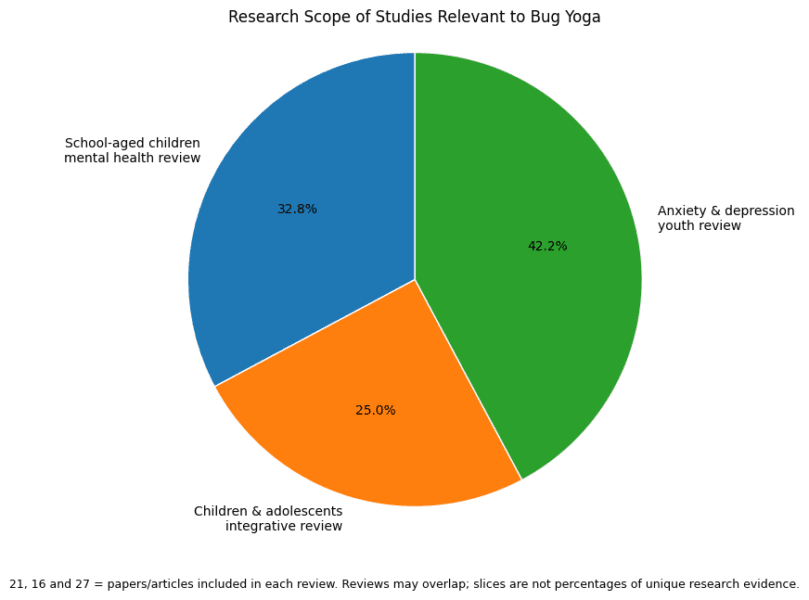
يمكن استخدام حركة الحلزون البطيئة لتعليم الأطفال التحرك بعناية والانتباه.(1),(2),(3)
يمكن للمدرس أن يطلب من الأطفال أن يلاحظوا:
- تنفسهم
- كيف تشعر أقدامهم على الأرض
- كيف تتحرك أذرعهم
- سواء كانوا يتحركون بسرعة أو ببطء
هذا يقدم مفاهيم اليقظة الأساسية بطريقة مناسبة للعمر.
6. يشجع الخيال.
ربما تكون هذه هي السمة المميزة لـ Bug Yoga.
يمكن للأطفال استخدام الخيال لتحويل فصل اليوجا إلى مغامرة طبيعية.
قد ينشئ المعلم قصة:
“أنت حشرات صغيرة تستيقظ في حديقة. تشرق الشمس وتفتح الزهور وتبدأ الفراشات في الطيران ”.”
يمكن للأطفال بعد ذلك أداء حركات تتوافق مع كل جزء من القصة.
7 يمكن أن تدعم التفاعل الاجتماعي.
يمكن لـ Group Bug Yoga تشجيع الأطفال على:
- اتبع التعليمات
- تناوب
- حركات النسخ
- نعمل معا
- احترام المساحة الشخصية
يمكن دمج هذه المهارات الاجتماعية دون جعل النشاط تنافسيًا.
8. قد يحسن المشاركة.
يمكن أن يوفر النشاط المميز مجموعة متنوعة.
قد يصبح الأطفال الذين يجدون مملًا تقليديًا مملًا أكثر اهتمامًا عندما تكون الحركات مرتبطة بقصة.
المشاركة مهمة بشكل خاص عند تعليم الأطفال الصغار.
يوجا الشوائب للأطفال.
تعتبر Bug Yoga مناسبة بشكل خاص لمرحلة ما قبل المدرسة والأطفال في سن المدرسة المبكرة لأنها يمكن أن تجمع:
حركة + رواية القصص + الخيال + التعلم
تستخدم بعض موارد يوجا الحشرات شخصيات الحشرات والقصص المستندة إلى الطبيعة لتشجيع الأطفال على التحرك واستكشاف مفاهيم مثل الأشكال والحيوانات والبيئة الطبيعية.
لا يحتاج المعلم إلى معدات متطورة.
يمكن أن يكون الفصل الدراسي أو سجادة اليوجا أو الأرضية المفتوحة كافية.
يوجا البق للأطفال.
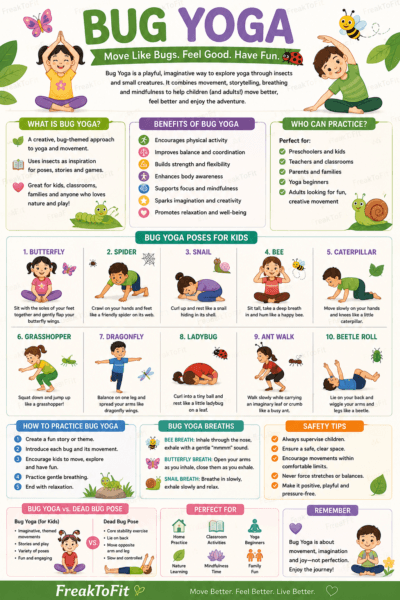
لا توجد قائمة معيارية لوضعية اليوجا ، ولكن يمكن للمدربين إنشاء حركات مستوحاة من مخلوقات مختلفة.
هنا بعض الأمثلة.
1. وضعية الفراشة.
اجلس بشكل مريح مع باطن القدمين معًا.
امسك القدمين برفق.
اسمح للركبتين بالتحرك بشكل طبيعي نحو الأرض.
بدلاً من إجبار الركبتين على الأسفل ، تخيلهما كأجنحة فراشة.
حرك الركبتين ببطء لأعلى ولأسفل.
كيف تجعلها ممتعة؟
اسأل:
“هل يمكن أن تفتح فراشتك وتغلق جناحيها ببطء؟”
هذا يحول حركة التنقل التقليدية إلى نشاط خيالي.
2. وضع العنكبوت.
يمكن أن تتضمن حركة العنكبوت البسيطة وضع اليدين والقدمين على الأرض أثناء التحرك بحذر.
يمكن للأطفال التظاهر بالزحف عبر شبكة عنكبوتية خيالية.
حافظ على الحركة مناسبة للعمر وتجنب طلب أوضاع صعبة.
فكرة التدريس.
ضع “شبكات” خيالية في جميع أنحاء الغرفة واطلب من الأطفال التحرك بحذر دون الخروج منهم.
3. وضع الحلزون.
يمكن دمج وضع الطفل في نشاط يحمل طابع الحلزون.
اطلب من الأطفال أن يجعدوا بشكل مريح وتخيلوا حمل صدفة.
تستخدم بعض برامج اليوغا للأطفال في وضع الأطفال وضعية الأطفال على أنها “وضعية حشرات” مستوحاة من الأخطاء.”
يجب أن يكون التركيز على الاسترخاء بدلاً من إجبار الجسم على شكل معين.
4. وضعية النحل.
يمكن للأطفال الجلوس بشكل مريح وممارسة صوت طنين لطيف.
يمكن استخدام صوت “مممم” البطيء كنشاط تنفس مرح.
لا ينبغي أن يُطلب من الطفل أبدًا حبس النفس لفترة طويلة.
الهدف هو ببساطة استكشاف التنفس والصوت المتحكم فيه.
5. الجندب وضع.
يمكن أن يتضمن النشاط الذي يحمل طابع الجندب قفزات صغيرة يتم التحكم فيها.
يمكن للأطفال القرفصاء قليلاً وأداء قفزات لطيفة.
تأكد من أن الأرضية واضحة وأن الأطفال لديهم مساحة كافية.
بالنسبة للأطفال الأصغر سنًا ، قد تكون الانحناءات البسيطة للركبة أكثر أمانًا من القفز.
6. حركة كاتربيلر.
يمكن للأطفال التحرك ببطء عبر سجادة أو أرضية الفصل الدراسي.
يمكنهم تقليد كاتربيلر يزحف نحو ورقة.
يمكن لهذا النشاط أن يشجع:
- تنسيق
- الوعي المكاني
- حركة مسيطر عليها
7 . وضع الخنفساء.
يمكن للأطفال الجلوس أو الكذب بشكل مريح و تجعيد أذرعهم وأرجلهم إلى الداخل.
يمكنهم أن يتخيلوا أن يصبحوا خنفساء صغيرة تستريح على ورقة.
هذا يمكن أن يتحول إلى تمرين الاسترخاء.
8. توازن اليعسوب.
اطلب من الأطفال الوقوف على ساق واحدة أثناء مد الذراعين جانبيًا.
تصبح الأذرع أجنحة اليعسوب.
استخدم جدارًا أو دعمًا للمعلم عند الضرورة.
لا تطلب من الأطفال شغل المنصب لفترة طويلة.
9. المشي النمل.
يمكن للأطفال المشي ببطء أثناء حمل شيء خيالي.
يمكن أن تصبح هذه لعبة حركة بسيطة تتضمن:
- المشي
- ركوع
- تمام
- عتيق
10. رول الخنفساء.
يمكن للأطفال الاستلقاء على ظهورهم وتحريك أذرعهم وأرجلهم برفق.
يمكن أن يشبه هذا حركة الخنفساء المرحة.
حافظ على النشاط مريحًا وتجنب تشجيع الأطفال على الدخول إلى المشاركين الآخرين.
علة ميتة في اليوجا.
العبارة اليوغا الحشرات يمكن أن تشير في بعض الأحيان إلى وضع الحشرة الميتة.
يتم تنفيذ هذه الحركة مستلقية على الظهر مع رفع الذراعين وثني الوركين والركبتين.
ثم يتحرك الممارس ببطء الأطراف المقابلة مع الحفاظ على التحكم في الجذع.
يشيع استخدام التمرين لتثبيت اللب.
على الرغم من أنه يوصف أحيانًا بأنه وضع يوجا ، إلا أنه يستخدم على نطاق واسع أيضًا إعدادات اللياقة البدنية والتأهيل.
كيفية أداء خلل DEAD؟
الخطوة 1: استلق على ظهرك.
استلقِ بشكل مريح على سجادة اليوجا.
حافظ على استرخاء رأسك ورقبتك.
الخطوة 2: ارفع الذراعين.
ارفع كلا الذراعين نحو السقف.
الخطوة 3: ضع الساقين.
ارفع الساقين بحيث تكون الوركين والركبتين حوالي 90 درجة.
يجب أن تكون ساقيك السفلية موازية للأرض.
الخطوة 4: تثبيت الجذع.
إشراك عضلات البطن بلطف.
الهدف هو منع الحركة غير الضرورية للجذع.
الخطوة 5: تمديد الأطراف المقابلة.
قم بتمديد ذراع واحدة للخلف ببطء مع مد الساق المقابلة.
تحرك فقط بقدر ما يمكنك الحفاظ على السيطرة.
الخطوة 6: العودة.
أعد الذراع والساق إلى الخلف إلى وضع البداية.
الخطوة 7: تبديل الجوانب.
كرر مع الذراع والساق المعاكسين.
يجب أن تكون الحركة بطيئة ومسيطر عليها.
من الأساليب الشائعة الموصى بها أن تحافظ على وضع الجذع المستقر أثناء تحريك الأطراف بدلاً من السماح لأسفل الظهر والحوض بالتأرجح بشكل مفرط.
ما هي العضلات التي يعمل بها الحشرات الميتة؟
يتحدى الحشرة الميتة في المقام الأول العضلات المسؤولة عن تثبيت الجذع.
وتشمل هذه:
- البطن المستعرضة
- البطن المستقيمة
- منحرف
- مثبتات العمود الفقري
- ثنيات الورك
تتطلب الحركة أيضًا التنسيق بين الأطراف العلوية والسفلية.
فوائد خلل DEAD.
الاستقرار الأساسي.
الغرض الرئيسي من التمرين هو تحدي ثبات الجذع أثناء تحرك الأطراف.
التنسيق.
يتطلب نمط حركة الذراع والساق المعاكس تنسيقًا عبر الجسم.
وعي الجسم.
يعلمك التمرين التحكم في الحوض والجذع أثناء تحريك الذراعين والساقين.
التدريب الأساسي منخفض التأثير.
نظرًا لأنه يتم الاستلقاء ، لا تتطلب الحركة القفز أو الجري.
ومع ذلك ، فإن “التأثير المنخفض” لا يعني أنه مناسب للجميع.
يجب على الأشخاص المصابين بإصابات تعديل أو تجنب الحركات التي تؤدي إلى تفاقم الأعراض.
حشرة ميتة مقابل جرش.
هذه التمارين لها أهداف مختلفة.
تتضمن الجرش في المقام الأول ثني الجذع المتكرر.
يؤكد Dead Bug على تثبيت الجذع أثناء تحرك الأطراف.
لا يعد أي من التمارين أفضل تلقائيًا للجميع.
يمكن أن يتضمن البرنامج الأساسي المتوازن العديد من أنماط الحركة.
علة ميتة للمبتدئين.
يمكن أن يكون الخطأ الميت الكامل صعبًا.
ابدأ بتغيير أبسط.
حشرة ميتة فقط.
استلق على ظهرك.
حافظ على الساقين في وضع مريح.
حرك ذراعًا واحدًا مع الحفاظ على جذعك مستقرًا.
العودة والتبديل الجانبين.
بمجرد أن تتمكن من التحكم في هذه الحركة ، تقدم إلى حركة الساق.
علة ميتة منحنية.
بدلاً من مد الساق تقريبًا إلى الأرض ، حافظ على ثني الركبة وخفض الساق قليلاً فقط.
هذا يقلل من طول الرافعة ويجعل التمرين أسهل.
حشرة ميتة مدعومة بالجدار.
يمكن أن يوفر تباين الجدار ملاحظات إضافية ويزيد من التحدي لبعض الممارسين.
ومع ذلك ، يجب تقديمه فقط بعد إتقان التحكم الأساسي في صندوق السيارة.
أخطاء الخلل الميت الشائعة.
تقوس أسفل الظهر.
إذا كان أسفل ظهرك يرفع بشكل مفرط من السجادة ، قلل من نطاق الحركة.
تتحرك بسرعة كبيرة.
السرعة تجعل من الصعب التحكم في الجذع.
تحرك ببطء.
حبس أنفاسك.
استمر في التنفس بشكل طبيعي.
تمتد بعيدا جدا.
الذراع و لا تحتاج الساق للمس الأرض.
السيطرة أكثر أهمية من النطاق.
تحريك الحوض.
حاول تقليل التأرجح أو الدوران.
هل الحشرة الميتة آمنة لآلام الظهر؟
غالبًا ما يتم استخدام الخلل الميت كتمرين استقرار أساسي ، ولكن لا ينبغي اعتباره تلقائيًا علاج آلام الظهر.
إذا كنت تعاني من آلام الظهر المستمرة أو الخدر أو الضعف أو الأعراض الممتدة إلى الساق ، فابحث عن التقييم المهني المناسب.
قد يؤدي التمرين المريح لشخص ما إلى تفاقم أعراض شخص آخر.
يوجا البق لمرحلة ما قبل المدرسة.
لأطفال ما قبل المدرسة، حافظ على الأنشطة:
- هش
- بسيط
- مرح
- غير منافس
- مشرف
لا يحتاج الأطفال عمومًا إلى ثبات طويل ثابت.
بدلاً من ذلك ، استخدم دفعات قصيرة من الحركة.
مثلا:
فراشة → نحلة → كاتربيلر → العنكبوت → الحلزون ← الاسترخاء
يمكن أن يستمر كل نشاط 30-60 ثانية حسب العمر ومدى الانتباه.
روتين يوغا علوي لمدة 15 دقيقة للأطفال.
1. إيقاظ فراشة - دقيقتان.
اجلس بشكل مريح وحرك الركبتين برفق مثل أجنحة الفراشة.
2 . نحلة الطنانة - 1 دقيقة.
تدرب على التنفس اللطيف.
3. كاتربيلر الزحف - دقيقتان.
تحرك ببطء في جميع أنحاء الغرفة.
4. شبكة العنكبوت - 2 دقيقة.
تحرك عبر شبكة ويب خيالية دون لمسها.
5. قفزات الجندب - دقيقتان.
أداء قفزات صغيرة مسيطر عليها.
6. توازن اليعسوب - 2 دقيقة.
تدرب على موازين بسيطة ذات ساق واحدة.
7 راحة الحلزون - دقيقتان.
تجعيد في وضع الراحة المريح.
8. تنفس الفراشة - دقيقتان.
انتهي من التنفس البطيء وحركات الذراع اللطيفة.
يوجا الحشرات في الفصل.
يمكن دمج Bug Yoga في التعلم في الفصل.
على سبيل المثال ، يمكن للمدرس الذي يقوم بتدريس درس عن الحشرات استخدام فواصل الحركة.
تكامل العلوم.
يمكن للأطفال التعلم:
- أجزاء جسم الحشرات
- دورات الحياة
- موائل
- أنماط الحركة
- تأبير
- سلاسل الغذاء
ثم يمكنهم التصرف بما تعلموه.
مثلا:
بيضة ← كاتربيلر → شرنقة ← فراشة
يمكن أن يكون لكل مرحلة حركة مختلفة.
هذا يجمع بين النشاط البدني والتعلم.
اليوغا الحشرات ورواية القصص.
يمكن أن تجعل رواية القصص اليوجا أكثر غامرة.
مثلا:
“ذات صباح ، استيقظت كاتربيلر صغير تحت ورقة خضراء.”
الأطفال يتجعدون.
“الكاتربيلر زحفت ببطء نحو الحديقة.”
الأطفال يزحفون.
“فجأة ، رأت فراشة جميلة.”
يقف الأطفال ويحركون أذرعهم مثل الأجنحة.
“بدأ النحل يطن حول الزهور.”
همهمة الأطفال بلطف.
“غربت الشمس وذهبت كل الحشرات الصغيرة للنوم.”
يستلقي الأطفال ويسترخون.
يمكن لهذا النهج أن يحول جلسة اليوجا إلى قصة حركة كاملة.
اليوغا الحشرات والتنفس.
يجب أن تكون تمارين التنفس بسيطة للأطفال.
تجنب احتباس النفس المعقد.
جرب:
نحلة نحل.
خذ نفسًا مريحًا.
زفير بصوت طنين لطيف.
كرر عدة مرات.
نفس فراشة.
ارفع الذراعين ببطء أثناء الاستنشاق.
اخفضهم أثناء الزفير.
يجب أن تظل الحركة مريحة.
نفس الحلزون.
خذ نفسًا بطيئًا.
ازفر ببطء أثناء التجعيد للأمام أو الاسترخاء.
لا ينبغي أبدًا الضغط على الأطفال للتنفس في مكان معين طريقة إذا شعروا غير مريح.
يوجا البق للكبار.
على الرغم من أن اليوجا التي ترتبط بشكل شائع بالأطفال ، يمكن للبالغين أيضًا استخدام الحركة المستوحاة من الحشرات كشكل من أشكال التمارين الرياضية.
بالنسبة للبالغين، يمكن أن يشمل التركيز ما يلي:
- قابلية الحركة
- ميزان
- الاستقرار الأساسي
- تسلية
- إبداع
يمكن أن تجمع الجلسة بين وضعيات اليوجا التقليدية وصور ذات طابع الحشرات.
مثلا:
- وضعية الفراشة
- التنقل المستوحى من العنكبوت
- حشرة
- ميزان اليعسوب
- استرخاء الحلزون
هذا يمكن أن يجعل روتين اليوجا أقل تكرارًا.
اليوغا الحشرات واليقظة.
لا يعني اليقظة أن تجلس ساكنًا تمامًا.
يمكن للأطفال ممارسة اليقظة أثناء الحركة.
اسألهم:
“هل يمكنك ملاحظة أن قدميك تلامس الأرض؟”
“هل تسمع تنفسك؟”
“هل يمكنك التحرك مثل الحلزون البطيء جدًا؟”
تشجع هذه الأسئلة الانتباه إلى اللحظة الحالية.
اليوغا الحشرات والمرونة.
تتضمن بعض حركات يوجا الحشرات التمدد.
وضع الفراشة ، على سبيل المثال ، يمكن أن يحرك الوركين برفق.
ومع ذلك ، لا ينبغي أبدًا إجبار المرونة.
لا ينبغي دفع الأطفال إلى تمدد عميق.
الهدف هو الحركة المريحة وليس الحد الأقصى.
اليوغا الحشرات والقوة.
يمكن لبعض الحركات المستوحاة من الحشرات أن تتحدى العضلات.
يمكن أن يشمل الزحف العنكبوت الذراعين والكتفين والساقين.
يمكن أن تتحدى قفزات الجندب الجزء السفلي من الجسم.
يمكن أن تتحدى الخلل الميت استقرار الجذع.
لكن لا ينبغي تقديم جلسة يوجا الحشرات المرحة كبديل لبرنامج تدريب القوة الكامل.
اليوغا الحشرات والتنسيق.
الحركات عبر الجسم مفيدة بشكل خاص لخلق تحديات التنسيق.
يقدم تمرين الحشرة الميتة مثالاً واضحًا.
عندما يتحرك الذراع الأيمن مع الساق اليسرى ، يجب على الدماغ أن ينسق الجوانب المتقابلة من الجسم.
هذا يجعل التمرين مفيدًا كتحدي حركة متحكم فيه.
هل Bug Yoga جيدة لفقدان الوزن؟
لا ينبغي الترويج لـ Bug Yoga كحل مستقل لفقدان الوزن.
لا ينبغي تشجيع الأطفال على ممارسة الرياضة وزن خسارة.
بالنسبة للبالغين ، يمكن أن تساهم يوجا الحشرات في النشاط البدني العام ، لكن الإدارة المستدامة للوزن تعتمد على عوامل متعددة ، بما في ذلك التغذية والنشاط الكلي والنوم وعلم الوراثة والحالة الصحية.
يجب أن يكون الهدف الأساسي من يوجا الأطفال هو الاستمتاع بالحركة والنمو الصحي ، وليس حرق السعرات الحرارية.
سلامة اليوغا الحشرات.
السلامة مهمة بشكل خاص عند العمل مع الأطفال.
امنح الأطفال مساحة كافية.
تجنب الازدحام.
إزالة العوائق.
ألعاب وأثاث شفاف ومخاطر أخرى من منطقة الحركة.
تجنب التمدد القسري.
يجب أن يتحرك الأطفال ضمن نطاق مريح.
تجنب التوازن التنافسي.
لا تجعل الأطفال يشعرون بالحرج إذا كانوا تسقط من وضعية.
الإشراف على القفز.
استخدم سطحًا آمنًا غير قابل للانزلاق.
التكيف مع القدرة.
يتطور الأطفال بمعدلات مختلفة.
قد يكون البعض قادرًا على التوازن بسهولة بينما يحتاج البعض الآخر إلى الدعم.
اليوغا الحشرات للأطفال ذوي القدرات المختلفة.
يمكن تكييف جلسة يوجا الحشرات الجيدة.
للأطفال الذين لا يستطيعون الوقوف بشكل مريح ، استخدم:
- فراشة جالسة
- حركات الذراع
- تنفس
- إيماءات اليد
- حركات زاحفة جالسة
للأطفال الذين يعانون من الحساسيات الحسية، قللوا من:
- أصوات عالية
- لمسة غير متوقعة
- مزاحم
- التحولات السريعة
يجب تشجيع المشاركة ولكن لا يجب اجبارها.
ما الذي يجب أن يبحث عنه الآباء في فصل يوجا الحشرات؟
إذا كنت تختار فصلًا لطفل ، ففكر في السؤال:
- هل المدرب مدرب على يوجا الأطفال؟
- هل البيئة مناسبة للعمر؟
- هل الأنشطة غير تنافسية؟
- هل التعديلات معروضة؟
- هل الاتصال الجسدي اختياري؟
- كيف يتم الإشراف على الأطفال؟
- هل الغرفة آمنة للحركة؟
يجب أن يفهم مدرب اليوغا للأطفال المؤهل أن تعليم الأطفال يختلف عن تعليم الكبار.
يوجا البق للمعلمين.
يمكن للمدرسين إبقاء الجلسات بسيطة.
الهيكل المفيد هو:
مقدمة ← الإحماء ← قصة الحشرات ← الحركة ← التنفس ← الاسترخاء
مثلا:
مقدمة.
“اليوم نحن في مغامرة حشرات.”
الاحماء.
أجنحة الفراشة.
النشاط الرئيسي.
زحف كاتربيلر.
التوازن.
اليعسوب.
القوة.
عنكبوت.
التنفس.
نحلة.
الاسترخاء.
الحلزون.
يحافظ هذا الهيكل على مشاركة الأطفال دون الحاجة إلى تصميم رقصات معقدة.
اليوغا الحشرات وتعليم الطبيعة.
يمكن لـ Bug Yoga أيضًا تشجيع الأطفال على تقدير الطبيعة.
بدلاً من تقديم الحشرات على أنها شيء مخيف ، يمكن للمدرسين تقديمها كجزء من النظام البيئي.
يمكن للأطفال تعلم أن الحشرات:
- تلقيح النباتات
- تحلل المواد العضوية
- توفير الغذاء للحيوانات الأخرى
- العيش في موائل مختلفة
- لها أنماط حركة مختلفة
هذا يعطي نشاط اليوجا غرضًا تعليميًا يتجاوز التمرين.
الأسئلة المتداولة.
1. ما هي علة اليوغا؟
Bug Yoga هي أسلوب يوجا وحركة مرحة مستوحاة من الحشرات والمخلوقات الصغيرة. تحظى بشعبية خاصة في أنشطة اليوغا والفصول الدراسية للأطفال.
2 . هل Bug Yoga هو أسلوب يوجا تقليدي؟
لا . إنه نهج حديث وإبداعي وليس سلالة يوغا تقليدية موحدة.
3. ما هي بعض وضعيات اليوجا؟
تشمل الأمثلة وضع الفراشة ، وحركات العنكبوت ، ووقفة الحلزون / الطفل ، وتنفس النحل ، وزاحف اليرقة ، وتوازن اليعسوب.
4. ما هو وضع الحشرة الميتة؟
Dead Bug هو تمرين أساسي قائم على الأرض تتحرك فيه الذراعين والساقين المتقابلتين بينما يظل الجذع متحكمًا.
5. هل اليوجا البيوج مناسبة للأطفال؟
نعم ، يمكن أن تكون يوجا الحشرات المناسبة للعمر طريقة ممتعة لتقديم الحركة والتوازن والتنسيق والتنفس واليقظة.
6. هل يمكن للبالغين ممارسة اليوجا؟
نعم. يمكن للبالغين استخدام الحركات المستوحاة من الحشرات كحركة مرحة أو توازن أو جلسة أساسية.
7 . هل تحسن يوجا الحشرات المرونة؟
يمكن أن تشمل تمارين مرونة لطيفة ، لكن البحث المباشر على وجه التحديد حول اليوجا الحشرات محدود.
8. هل يمكن لـ Bug Yoga تحسين التوازن؟
يمكن ممارسة التوازن من خلال الحركات المستوحاة من الحشرات مثل توازن اليعسوب ، على الرغم من أن اليوغا الحشرية نفسها لم يتم إنشاؤها كتدخل في التوازن السريري.
9. هل الحشرة الميتة جيدة للجوهر؟
نعم. يشيع استخدام الحشرة الميتة كتمرين استقرار أساسي ويتطلب التحكم في الجذع أثناء تحرك الذراعين والساقين.
10. هل الحشرة الميتة هي وضعية اليوجا؟
يوصف أحيانًا بأنه وضع يوجا ، ولكنه يستخدم أيضًا على نطاق واسع باعتباره ملاءمة وتمرين الاستقرار الأساسي.
11. كم من الوقت يجب أن يمارس الأطفال اليوجا؟
بالنسبة للأطفال الصغار ، تكون الجلسات القصيرة مع التغييرات المتكررة في النشاط أكثر ملاءمة بشكل عام من الممارسات الثابتة الطويلة.
12. هل يمكن استخدام يوجا الحشرات في المدارس؟
نعم. يمكن دمجها في فواصل الحركة أو التربية البدنية أو دروس حول الحشرات والطبيعة.
13. هل Bug Yoga جيدة للتوتر؟
قد تدعم أنشطة الحركة والتنفس واليقظة الاسترخاء ، ولكن لا توجد أدلة كافية للادعاء بأن اليوجا الحشرات تعالج التوتر أو القلق على وجه التحديد.
14. هل يمكن أن تساعد Bug Yoga في إنقاص الوزن؟
لا ينبغي تقديمه على أنه تدخل لإنقاص الوزن ، خاصة للأطفال. الغرض الأساسي منه هو الحركة والتعلم الممتع.
15. هل يمكن للأطفال فعل حشرة ميتة؟
يمكن للعديد من الأطفال أداء حركة حشرة ميتة مبسطة ، ولكن يجب أن تكون مناسبة للعمر وأن تدرس بتقنية جيدة. قد يستفيد الأطفال الأصغر سنًا من الحركة المرحة أكثر من التكرار الرسمي.
16. ماذا أفعل إذا تسبب الخلل الميت في آلام الظهر؟
توقف أو تعديل التمرين. قلل من نطاق الحركة وفكر في التوجيه المهني إذا استمرت الأعراض.
17. هل تتطلب يوجا الحشرات معدات؟
عادة لا. سجادة اليوجا ومساحة الأرضية الكافية كافية لمعظم الأنشطة.
18. هل يمكن ممارسة يوجا الحشرات في المنزل؟
نعم. يمكن للوالدين إنشاء قصص حركة قصيرة تحت الإشراف باستخدام أوضاع بسيطة مستوحاة من الحشرات.
الخلاصة.
Bug Yoga هي طريقة إبداعية ومرحة للجمع بين الحركة المستوحاة من اليوجا والخيال ورواية القصص والتنفس واليقظة. إنه مفيد بشكل خاص للأطفال لأن موضوعات الحشرات يمكن أن تجعل الحركة أكثر جاذبية وأسهل في الفهم.
لا يوجد تسلسل يوغا موحد واحد ، لذلك يمكن للمدربين استخدام أوضاع وأنشطة مختلفة. تشمل بعض الإصدارات الفراشات والعنكبوت والحلزون والنحل والكاتربيلر والحركات المستوحاة من اليعسوب ، بينما يستخدم البعض الآخر المصطلح لوصف وضع الحشرة الميتة ، وهو تمرين للاستقرار الأساسي الذي يتم إجراؤه على الظهر.
بالنسبة للأطفال ، قد تكون أكبر قيمة لـ Bug Yoga هي قدرتها على جعل النشاط البدني ممتعًا وخياليًا ويمكن الوصول إليه. يمكن أن تتضمن الجلسة المصممة جيدًا التوازن والتنسيق والتنقل والوعي بالجسم والتنفس والاسترخاء دون جعل الأطفال يشعرون أنهم يكملون تمرينًا رسميًا.
بالنسبة للبالغين ، يمكن أن تضيف الحركات المستوحاة من الحشرات تنوعًا إلى جلسات اليوجا أو التنقل ، بينما يمكن دمج الحشرات الميتة في روتين تدريب أساسي أوسع.
الأهم من ذلك ، يجب أن تظل يوجا الحشرات مناسبة للعمر ومرحة وغير تنافسية. لا ينبغي أبدًا إجبار الأطفال على التمدد أو التوازنات الصعبة أو الحركات التي تسبب الألم. عندما يتم تدريسها بأمان، يمكن لمغامرة حشرات بسيطة أن تحول جلسة حركة عادية إلى فرصة ممتعة للتحرك والتعلم والاستكشاف.
+3 مصادر
لدى Freaktofit إرشادات صارمة بشأن المصادر وتعتمد على الدراسات التي راجعها الأقران ومعاهد البحوث التعليمية والمنظمات الطبية. نتجنب استخدام المراجع من الدرجة الثالثة. يمكنك معرفة المزيد حول كيفية ضمان دقة المحتوى الخاص بنا وتحديثه من خلال قراءة سياسة التحرير.
- آثار اليوجا على الصحة العقلية لدى الأطفال في سن المدرسة: مراجعة منهجية وتوليف سردي لتجارب التحكم العشوائية ؛; https://pubmed.ncbi.nlm.nih.gov/36302735/
- اليوغا للأطفال والمراهقين: مراجعة تكاملية استمرت عقدًا من الزمن حول الجدوى والفعالية في تدخلات الرعاية المدرسية والنفسية ؛; https://pubmed.ncbi.nlm.nih.gov/39547048/
- اليوجا كتدخل للحد من أعراض القلق والاكتئاب لدى الأطفال والمراهقين: مراجعة منهجية ؛; https://pubmed.ncbi.nlm.nih.gov/32232017/