
















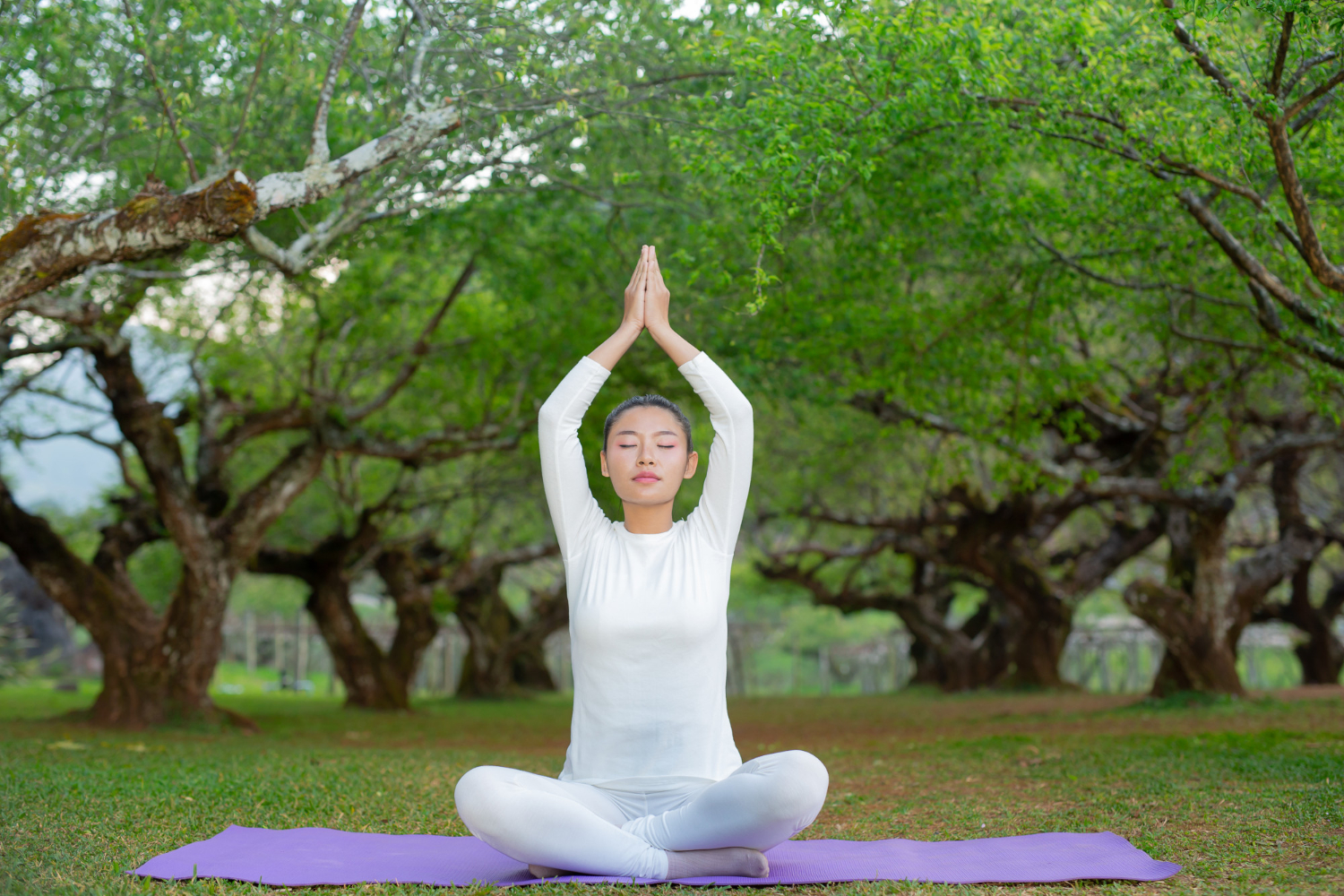
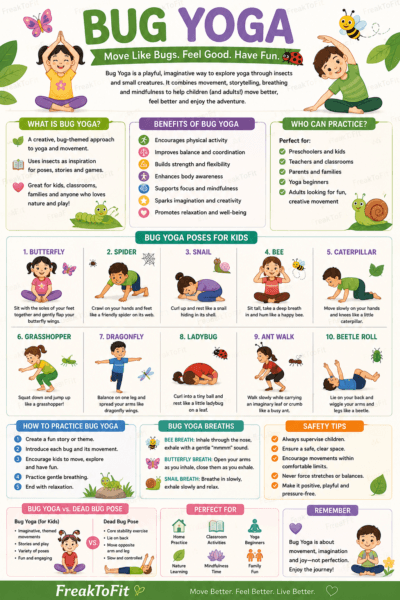
Bug Yoga é uma forma lúdica de ioga que usa insetos e pequenas criaturas como inspiração para o movimento, imaginação e narrativa. É particularmente popular em ioga infantil, atividades de movimento em sala de aula e ioga em família, onde as poses podem imitar borboletas, aranhas, caracóis, abelhas e outros insetos.
Ao contrário das tradições estabelecidas de yoga, como Hatha ou Ashtanga, o Bug Yoga não é um sistema de ioga padronizado com uma sequência universalmente reconhecida. Professores diferentes usam o termo de forma diferente. Alguns programas de ioga de insetos usam uma coleção de poses inspiradas em animais e insetos, enquanto outros incorporam narrativas, exercícios de respiração, atenção plena e jogos de movimento.
O termo também pode se referir à pose do bicho morto, um movimento supino em que o praticante se encontra no Costas e coordena o braço oposto e movimentos das pernas. Esta versão está mais intimamente relacionada ao treinamento de estabilidade do núcleo do que ao conceito imaginativo de ioga de insetos para crianças.
Portanto, quando alguém procura por “inseto ioga”, pode estar se referindo a:
Histórias relacionadas
 10 poses de ioga Jivamukti que você deve tentar — reflexões pessoais, opiniões de especialistas e benefícios ocultos
 A ioga pode ser meu único exercício?
- Yoga com tema de insetos para crianças ou
- Dead Bug Yoga Pose, um movimento focado no núcleo.
Este artigo explica os dois significados, concentrando-se principalmente no bug yoga como prática lúdica de ioga e movimento.
Por que o bug yoga é popular?
As crianças aprendem naturalmente através da imaginação e brincadeiras.
Pedir a uma criança para “esticar a coluna” pode não ser tão envolvente quanto pedir que ela finja ser uma lagarta rastejando por um jardim.
Bug Yoga transforma o movimento em uma história.

Por exemplo:
- Uma borboleta pode representar movimentos suaves das asas.
- Uma aranha pode incentivar a coordenação das mãos e dos pés.
- Um caracol pode representar um movimento lento e consciente.
- Uma abelha pode introduzir um trabalho de respiração zumbindo.
- Um gafanhoto pode introduzir o salto.
- Uma lagarta pode incentivar os movimentos de engatinhar.
Essa abordagem pode fazer com que o Yoga pareça menos uma sessão formal de exercícios e mais uma aventura interativa.

Bug Yoga é um estilo tradicional de ioga?
não .
Bug Yoga é melhor entendido como uma abordagem criativa de ioga ou atividade de movimento temática, em vez de uma linhagem tradicional de ioga.
O yoga tradicional engloba práticas que envolvem posturas físicas, respiração, meditação e princípios filosóficos.
Bug Yoga empresta movimentos de ioga selecionados e os combina com temas imaginativos de insetos.
Essa distinção é importante porque as afirmações sobre o bug yoga não devem ser apresentadas automaticamente como afirmações baseadas em evidências sobre uma intervenção médica ou terapêutica distinta.
A pesquisa sobre ioga geral pode fornecer um contexto útil, mas não prova que um jogo de ioga específico para insetos tem o mesmo efeito.
Quais são os benefícios do bug yoga?
Os benefícios potenciais dependem de como a atividade é estruturada.
Quando o bug yoga envolve movimento ativo, as crianças podem praticar:
- contrapartida
- coordenação
- flexibilidade
- consciência corporal
- força
- controle motor
- respiração
- atenção
- jogo imaginativo
No entanto, é melhor descrevê-los como benefícios potenciais das atividades de ioga e movimento, em vez de afirmar que o bug yoga especificamente foi comprovado clinicamente para produzi-los.
1. Incentiva a atividade física.
Uma das maiores vantagens do bug yoga é que ele pode incentivar as crianças a se mexerem.
Uma criança pode estar mais disposta a participar quando o movimento é apresentado como um jogo.
Em vez de ficar parado para uma sessão de alongamento tradicional, as crianças podem:
- Rasteje como lagartas
- tremula como borboletas
- anda como insetos
- esticar como aranhas
- pule como gafanhotos
Isso pode introduzir o movimento em um formato divertido e acessível.
2. Desenvolve o equilíbrio.
Vários movimentos inspirados em bugs podem desafiar o equilíbrio.
Por exemplo, uma criança fingindo ser uma borboleta pode se apoiar em um perna ou execute o braço controlado movimentos.
Uma pose de equilíbrio inspirada em “cegonha” ou inspiração de insetos também pode ser incorporada em uma sequência.
As atividades de equilíbrio podem ajudar as crianças a aprender a controlar a posição do corpo enquanto se movem.
3. Suporta coordenação.
Bug Yoga pode envolver o movimento de diferentes partes do corpo simultaneamente.
Uma criança pode mover os braços como asas enquanto desloca as pernas ou mantém uma posição específica.
estes As atividades exigem o cérebro e o corpo para coordenar o movimento.
O exercício de bug morto fornece outro exemplo desse princípio. Envolve o movimento de membros opostos, mantendo a estabilidade do tronco.
4. Promove a consciência corporal.
As crianças podem aprender onde estão as diferentes partes do corpo e como elas se movem.
Um professor pode dizer:
“Você pode mover suas asas de borboleta sem mover os pés?”
Esta instrução simples exige que a criança fique ciente da relação entre diferentes partes do corpo.
5. Pode incentivar a atenção plena.
Nem toda atividade de ioga de insetos precisa ser enérgica.
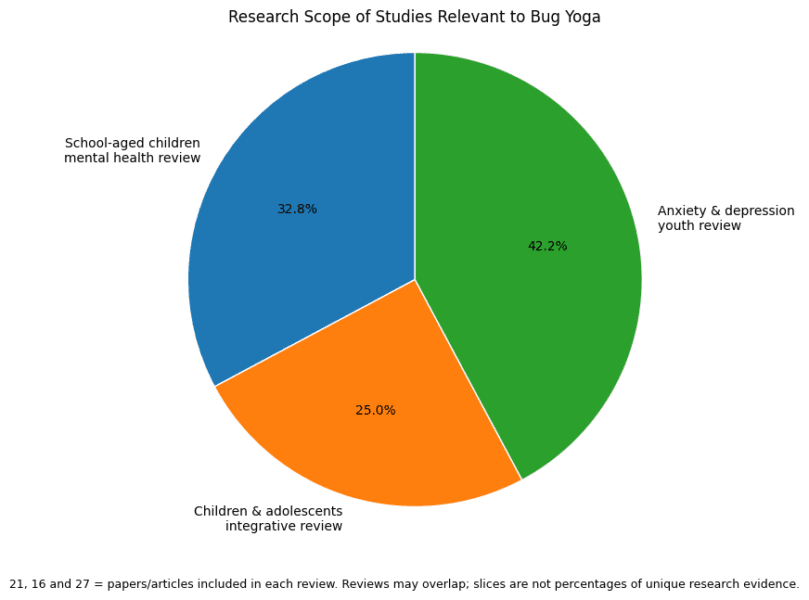
Um movimento lento do caracol pode ser usado para ensinar as crianças a se moverem com cuidado e prestarem atenção.(1),(2),(3)
Um professor pode pedir às crianças que observem:
- sua respiração
- Como seus pés se sentem no chão
- Como seus braços se movem
- Se eles estão se movendo rapidamente ou lentamente
Isso introduz conceitos básicos de atenção plena de maneira adequada à idade.
6. Incentiva a imaginação.
Esta é talvez a característica definidora do Bug Yoga.
As crianças podem usar a imaginação para transformar uma aula de ioga em uma aventura pela natureza.
Um professor pode criar uma história:
“Vocês são pequenos insetos acordando em um jardim. O sol está nascendo, as flores se abrindo e as borboletas estão começando a voar.”
As crianças podem então realizar movimentos correspondentes a cada parte da história.
7 . Pode apoiar a interação social.
O grupo de insetos yoga pode incentivar as crianças a:
- Siga as instruções
- revezar-se
- Copiar movimentos
- trabalhar juntos
- Respeite o espaço pessoal
Essas habilidades sociais podem ser incorporadas sem tornar a atividade competitiva.
8. Pode melhorar o engajamento.
Uma atividade temática pode fornecer variedade.
As crianças que acham aborrecidos convencionais alongamentos podem ficar mais interessadas quando os movimentos estão conectados a uma história.
O engajamento é particularmente importante ao ensinar crianças mais novas.
Bug yoga para crianças.
Bug Yoga é especialmente adequado para crianças em idade pré-escolar e em idade escolar, porque pode combinar:
Movimento + Contação de Histórias + Imaginação + Aprendizagem
Alguns recursos de bug yoga usam personagens de insetos e histórias baseadas na natureza para incentivar as crianças a se moverem e explorarem conceitos como formas, animais e o ambiente natural.
Um professor não precisa de equipamentos sofisticados.
Uma sala de aula, um tapete de ioga ou um piso aberto podem ser suficientes.
Poses de ioga de insetos para crianças.
Não existe uma lista padronizada de poses de ioga, mas os instrutores podem criar movimentos inspirados em diferentes criaturas.
Aqui estão alguns exemplos.
1. Pose da borboleta.
Sente-se confortavelmente com as solas dos pés juntas.
Segure os pés suavemente.
Permita que os joelhos se movam naturalmente em direção ao chão.
Em vez de forçar os joelhos a baixo, imagine-os como asas de borboleta.
Mova lentamente os joelhos para cima e para baixo.
Como torná-lo divertido?
pergunte:
“Sua borboleta pode abrir e fechar as asas lentamente?”
Isso transforma um movimento convencional de mobilidade do quadril em uma atividade imaginativa.
2. Pose da aranha.
Um movimento simples de aranha pode envolver a colocação das mãos e pés no chão enquanto se move com cuidado.
As crianças podem fingir que rastejam por uma teia imaginária de aranha.
Mantenha o movimento adequado à idade e evite exigir posições difíceis.
Ideia de ensino.
Coloque “teias” imaginárias ao redor da sala e peça às crianças que se movam com cuidado sem sair delas.
3. Pose do caracol.
A pose da criança pode ser incorporada em uma atividade com tema de caracol.
Peça às crianças que se enrolem confortavelmente e imaginem-se com uma concha.
Alguns programas infantis de ioga para crianças usam a pose de uma criança como uma “pose de insetos” inspirada em insetos.”
O foco deve ser o relaxamento, em vez de forçar o corpo a uma forma particular.
4. Pose da abelha.
As crianças podem sentar-se confortavelmente e praticar um som suave.
Um som lento “MMM” pode ser usado como uma atividade de respiração divertida.
A criança nunca deve ser solicitada a prender a respiração por um período prolongado.
O objetivo é simplesmente explorar a respiração e o som controlados.
5. Pose do gafanhoto.
Uma atividade com tema de gafanhoto pode envolver pequenos saltos controlados.
As crianças podem agachar-se levemente e dar saltos suaves.
Certifique-se de que o piso esteja limpo e que as crianças tenham espaço adequado.
Para crianças mais novas, as curvas simples do joelho podem ser mais seguras do que saltar.
6. Movimento das lagartas.
As crianças podem se mover lentamente por um tapete ou para o chão da sala de aula.
Eles podem imitar uma lagarta rastejando em direção a uma folha.
Esta atividade pode estimular:
- coordenação
- consciência espacial
- movimento controlado
7 Pose de joaninha.
As crianças podem sentar ou deitar-se confortavelmente e Enrole seus braços e pernas interior.
Eles podem imaginar se tornar uma pequena joaninha descansando em uma folha.
Isso pode fazer a transição para um exercício de relaxamento.
8. Equilíbrio de libélulas.
Peça às crianças que fiquem em uma perna enquanto estende os braços para os lados.
Os braços se tornam asas de libélula.
Use uma parede ou suporte do professor quando necessário.
Não exija que as crianças mantenham a posição por muito tempo.
9. Caminhada das formigas.
As crianças podem andar lentamente enquanto carregam um objeto imaginário.
Isso pode se tornar um jogo de movimento simples que envolve:
- ambulante
- agachamento
- alcançando
- transportando
10. Rolo de besouro.
As crianças podem deitar de costas e mover suavemente os braços e as pernas.
Isso pode se assemelhar a um movimento de besouro lúdico.
Mantenha a atividade confortável e evite incentivar as crianças a se transformarem em outros participantes.
Pose de inseto morto na ioga.
a frase Bug Yoga Às vezes, pode se referir à pose do bug morto.
Este movimento é realizado deitado de costas com os braços levantados e os quadris e os joelhos dobrados.
O praticante se move lentamente, mantendo o controle do tronco.
O exercício é comumente usado para estabilização do núcleo.
Embora às vezes seja descrito como uma pose de ioga, também é amplamente utilizado em Configurações de fitness e reabilitação.
Como executar a pose do bug morto?
Passo 1: Deite-se de costas.
Deite-se confortavelmente em um tapete de ioga.
Mantenha a cabeça e o pescoço relaxados.
Passo 2: Levante os braços.
Levante os dois braços em direção ao teto.
Passo 3: Posicione as pernas.
Levante as pernas de modo que os quadris e os joelhos estejam aproximadamente a 90 graus.
Suas pernas devem estar mais ou menos paralelas ao chão.
Passo 4: Estabilize o tronco.
Envolva suavemente os músculos abdominais.
O objetivo é evitar o movimento desnecessário do tronco.
Passo 5: Estenda os membros opostos.
Estenda lentamente um braço para trás, estendendo a perna oposta.
Mova-se apenas até onde você pode manter o controle.
Passo 6: Retorne.
Traga o braço e a perna para trás para a posição inicial.
Passo 7: Troque de lado.
Repita com o braço e a perna opostos.
O movimento deve ser lento e controlado.
Uma técnica comumente recomendada é manter o posicionamento estável do tronco, enquanto move os membros, em vez de permitir que a parte inferior das costas e a pelve balancem excessivamente.
Quais músculos funcionam os insetos mortos?
O bicho morto desafia principalmente os músculos responsáveis pela estabilização do tronco.
Estes incluem:
- Abdomina transversal
- reto abdominal
- oblíquo
- estabilizadores espinhais
- Flexores do quadril
O movimento também requer coordenação entre os membros superiores e inferiores.
Benefícios da pose de um bicho morto.
Estabilidade do núcleo.
O principal objetivo do exercício é desafiar a estabilidade do tronco enquanto os membros se movem.
Coordenação.
O padrão de movimento oposto do braço e perna requer coordenação cruzada.
consciência corporal.
O exercício ensina você a controlar a pélvis e o tronco enquanto move os braços e as pernas.
Treinamento de baixo impacto.
Por ser realizado deitado, o movimento não requer salto ou corrida.
No entanto, “baixo impacto” não significa que seja apropriado para todos.
Pessoas com lesões devem modificar ou evitar movimentos que agravam os sintomas.
Bug morto versus flexões.
Esses exercícios têm objetivos diferentes.
As flexões envolvem principalmente a flexão do tronco repetida.
Dead Bug enfatiza a estabilização do tronco enquanto os membros se movem.
Nenhum dos exercícios é automaticamente melhor para todos.
Um programa básico equilibrado pode incluir vários padrões de movimento.
Bug morto para iniciantes.
O bug morto completo pode ser um desafio.
Comece com uma variação mais simples.
Bug morto apenas para o braço.
Deite-se de costas.
Mantenha as pernas em uma posição confortável.
Mova um braço acima da cabeça, mantendo o tronco estável.
Retorne e troque os lados.
Depois de controlar esse movimento, progrida para o movimento das pernas.
Bug morto do joelho dobrado.
Em vez de estender a perna quase até o chão, mantenha o joelho dobrado e abaixe a perna apenas ligeiramente.
Isso reduz o comprimento da alavanca e facilita o exercício.
Bug morto suportado pela parede.
Uma variação da parede pode fornecer feedback adicional e aumentar o desafio para alguns praticantes.
No entanto, ele deve ser introduzido somente após dominar o controle básico do tronco.
Erros comuns de bugs mortos.
Arqueando a parte inferior das costas.
Se a parte inferior das costas levantar excessivamente do tapete, reduza a amplitude de movimento.
movendo-se muito rapidamente.
A velocidade torna mais difícil controlar o tronco.
Mova-se lentamente.
prendendo a respiração.
Continue respirando naturalmente.
estendendo-se muito longe.
O braço e Perna não precisa para tocar o chão.
O controle é mais importante que o alcance.
Movimento da pélvis.
Tente minimizar o balanço ou a rotação.
Dead Bug é seguro para dores nas costas?
Dead Bug é frequentemente usado como exercício de estabilidade do núcleo, mas não deve ser considerado automaticamente um Tratamento para dor nas costas.
Se você tiver dores nas costas persistentes, dormência, fraqueza ou sintomas que se estendem na perna, procure uma avaliação profissional adequada.
Um exercício confortável para uma pessoa pode agravar os sintomas de outra pessoa.
Bug yoga para pré-escolares.
Para crianças em idade pré-escolar, mantenha as atividades:
- curto
- simples
- brincalhão
- não competitivo
- supervisionado
As crianças geralmente não precisam de porões estáticos longos.
Em vez disso, use rajadas curtas de movimento.
Por exemplo:
Borboleta → Abelha → Lagarta → Aranha → Caracol → Relaxamento
Cada atividade pode durar de 30 a 60 segundos, dependendo da idade e da capacidade de atenção.
Uma rotina de ioga de insetos de 15 minutos para crianças.
1. Acorde borboleta — 2 minutos.
Sente-se confortavelmente e mova os joelhos suavemente como asas de borboleta.
2 . Buzzing Bee — 1 minuto.
Pratique respirações suaves.
3. Lagarta de rastreamento — 2 minutos.
Mova-se lentamente pela sala.
4. Teia de aranha — 2 minutos.
Mova-se através de uma teia imaginária sem tocá-la.
5. Saltos de gafanhoto — 2 minutos.
Faça pequenos saltos controlados.
6. Equilíbrio de libélulas — 2 minutos.
Pratique equilíbrios simples de uma perna.
7 . Descanso de caracol — 2 minutos.
Curl em uma posição confortável de repouso.
8. Respiração da borboleta — 2 minutos.
Termine com uma respiração lenta e movimentos suaves dos braços.
Bug yoga na sala de aula.
Bug Yoga pode ser integrado ao aprendizado em sala de aula.
Por exemplo, um professor que ensina uma lição sobre insetos pode usar as quebras de movimento.
Integração científica.
As crianças podem aprender:
- partes do corpo do inseto
- Ciclos de vida
- habitats
- padrões de movimento
- polinização
- cadeias alimentares
Então eles podem representar o que aprenderam.
Por exemplo:
Ovo → Lagarta → Crisálida → Borboleta
Cada estágio pode ter um movimento diferente.
Isso combina atividade física com aprendizado.
Bug yoga e narrativa.
A narrativa pode tornar o yoga de insetos mais imersivo.
Por exemplo:
“Certa manhã, uma pequena lagarta acordou sob uma folha verde.”
As crianças se enrolam.
“A lagarta se arrastou lentamente em direção ao jardim.”
Crianças engatinham.
“De repente, ele viu uma linda borboleta.”
As crianças se levantam e movem os braços como asas.
“As abelhas começaram a zumbir ao redor das flores.”
As crianças cantarolam suavemente.
“O sol se pôs e todos os pequenos insetos foram dormir.”
As crianças se deitam e relaxam.
Essa abordagem pode transformar uma sessão de ioga em uma história de movimento completa.
Bug yoga e respiração.
Os exercícios de respiração devem ser simples para crianças.
Evite retenção de respiração complicada.
tente:
Respiração de abelha.
Respire bem.
Expire com um som suave.
Repita várias vezes.
Respiração da borboleta.
Levante os braços lentamente enquanto inspira.
Abaixe-os enquanto expira.
O movimento deve permanecer confortável.
Respiração do caracol.
Respire lentamente.
Expire lentamente enquanto se curva para frente ou relaxa.
As crianças nunca devem ser pressionadas a respirar em um determinado maneira se eles se sentirem desconfortável.
Bug Yoga para adultos.
Embora o bug yoga seja comumente associado a crianças, os adultos também podem usar o movimento inspirado em insetos como uma forma lúdica de exercício.
Para adultos, o foco pode incluir:
- mobilidade
- contrapartida
- Estabilidade do núcleo
- relaxamento
- criatividade
Uma sessão pode combinar poses convencionais de ioga com imagens com tema de insetos.
Por exemplo:
- pose de borboleta
- Mobilidade inspirada em aranha
- Bug morto
- equilíbrio de libélulas
- relaxamento caracol
Isso pode tornar uma rotina de ioga menos repetitiva.
Bug Yoga e Mindfulness.
A atenção plena não significa ficar completamente imóvel.
As crianças podem praticar a atenção plena enquanto se movem.
pergunte-lhes:
“Você consegue notar seus pés tocando o chão?”
“Você pode ouvir sua respiração?”
“Você pode se mover como um caracol muito lento?”
Essas perguntas estimulam a atenção ao momento presente.
Bug yoga e flexibilidade.
Alguns movimentos de yoga de insetos envolvem o alongamento.
A postura da borboleta, por exemplo, pode mover suavemente os quadris.
No entanto, a flexibilidade nunca deve ser forçada.
As crianças não devem ser empurradas para trechos profundos.
O objetivo é um movimento confortável e não de alcance máximo.
Bug Yoga e Força.
Alguns movimentos inspirados em insetos podem desafiar os músculos.
O rastejamento de aranhas pode envolver os braços, ombros e pernas.
Saltos de gafanhoto podem desafiar a parte inferior do corpo.
Dead Bug pode desafiar a estabilidade do tronco.
Mas uma sessão lúdica de ioga não deve ser apresentada como um substituto para um programa completo de treinamento de força.
Bug Yoga e coordenação.
Os movimentos transversais são particularmente úteis para criar desafios de coordenação.
O exercício de bug morto fornece um exemplo claro.
Quando o braço direito se move com a perna esquerda, o cérebro precisa coordenar os lados opostos do corpo.
Isso torna o exercício útil como um desafio de movimento controlado.
Bug Yoga é bom para perda de peso?
Bug Yoga não deve ser promovido como uma solução independente de perda de peso.
As crianças não devem ser encorajadas a fazer exercícios por pesar Perda.
Para os adultos, o bug yoga pode contribuir para a atividade física geral, mas o controle sustentável do peso depende de vários fatores, incluindo nutrição, atividade total, sono, genética e estado de saúde.
O objetivo principal do yoga para crianças deve ser o prazer do movimento e o desenvolvimento saudável, não a queima de calorias.
Segurança de bug yoga.
A segurança é especialmente importante ao trabalhar com crianças.
Dê às crianças espaço suficiente.
Evite superlotação.
Remova os obstáculos.
Limpe os brinquedos, móveis e outros perigos da área de movimento.
Evite alongamento forçado.
As crianças devem se mover dentro de um alcance confortável.
Evite o equilíbrio competitivo.
Não deixe as crianças se sentirem constrangidas se elas cair de uma pose.
Supervisione o salto.
Use uma superfície segura e antiderrapante.
Adapte-se à habilidade.
As crianças desenvolvem-se em taxas diferentes.
Alguns podem ser capazes de equilibrar-se facilmente, enquanto outros precisam de suporte.
Bug Yoga para crianças com diferentes habilidades.
Uma boa sessão de ioga de insetos pode ser adaptada.
Para crianças que não podem ficar de pé confortavelmente, use:
- borboleta sentada
- movimentos do braço
- respiração
- gestos de mão
- movimentos de rastejamento sentados
Para crianças com sensibilidade sensorial, reduza:
- sons altos
- toque inesperado
- aglomeração
- Transições rápidas
A participação deve ser incentivada, mas não forçada.
O que os pais devem procurar em uma aula de ioga de insetos?
Se você estiver escolhendo uma turma para uma criança, considere perguntar:
- O instrutor é treinado em ioga infantil?
- O ambiente é adequado para a idade?
- As atividades não são competitivas?
- São oferecidas modificações?
- O contato físico é opcional?
- Como as crianças são supervisionadas?
- A sala é segura para o movimento?
Um instrutor de ioga para crianças qualificado deve entender que ensinar crianças é diferente de ensinar adultos.
Bug Yoga para professores.
Os professores podem manter as sessões simples.
Uma estrutura útil é:
Introdução → Aquecimento → História de insetos → Movimento → Respiração → Relaxamento
Por exemplo:
Introdução.
“Hoje vamos em uma aventura de inseto.”
Aquecimento.
Asas de borboleta.
atividade principal.
Rastejamento da lagarta.
equilíbrio.
libélula.
Força.
Aranha.
Respiração.
Abelha.
Relaxamento.
caracol.
Essa estrutura mantém as crianças engajadas sem exigir coreografias complicadas.
Bug Yoga e educação da natureza.
Bug Yoga também pode incentivar as crianças a apreciar a natureza.
Em vez de apresentar os insetos como algo assustador, os professores podem apresentá-los como parte do ecossistema.
As crianças podem aprender que os insetos:
- polinizar plantas
- decompor a matéria orgânica
- fornecer alimentos para outros animais
- viver em habitats diferentes
- Tenha padrões de movimento diferentes
Isso dá à atividade de ioga um propósito educacional além do exercício.
Perguntas frequentes.
1. O que é Bug Yoga?
Bug Yoga é uma abordagem lúdica de ioga e movimento inspirada em insetos e pequenas criaturas. É especialmente popular em atividades de ioga e sala de aula para crianças.
2 . Bug Yoga é um estilo tradicional de ioga?
não . É uma abordagem moderna e criativa, em vez de uma linhagem tradicional de ioga padronizada.
3. Quais são algumas poses de ioga de insetos?
Exemplos incluem pose de borboleta, movimentos de aranha, caracol/pose de criança, respiração de abelha, lagarta e equilíbrio de libélulas.
4. O que é pose de bug morto?
Dead Bug é um exercício básico baseado no piso, no qual braços e pernas opostas se movem enquanto o tronco permanece controlado.
5. Bug Yoga é adequado para crianças?
Sim, o yoga de insetos apropriado para a idade pode ser uma maneira divertida de introduzir movimento, equilíbrio, coordenação, respiração e atenção plena.
6. Os adultos podem fazer ioga de insetos?
Sim. Os adultos podem usar movimentos inspirados em insetos como mobilidade lúdica, equilíbrio ou sessão central.
7 . O bug yoga melhora a flexibilidade?
Pode incluir exercícios de flexibilidade suaves, mas pesquisas diretas especificamente sobre yoga de insetos são limitadas.
8. O bug yoga pode melhorar o equilíbrio?
O equilíbrio pode ser praticado por meio de movimentos inspirados em insetos, como o equilíbrio de libélulas, embora a própria ioga de insetos não tenha sido estabelecida como uma intervenção de equilíbrio clínico.
9. Dead Bug é bom para o núcleo?
Sim. O bicho morto é comumente usado como exercício de estabilidade do núcleo e requer controle do tronco enquanto os braços e as pernas se movem.
10. Dead Bug é uma pose de ioga?
Às vezes é descrito como uma pose de ioga, mas também é amplamente utilizado como condição e exercícios de estabilidade do núcleo.
11. Por quanto tempo as crianças devem praticar o yoga do insetos?
Para crianças pequenas, sessões curtas com mudanças frequentes na atividade geralmente são mais apropriadas do que práticas estáticas longas.
12. O Bug Yoga pode ser usado nas escolas?
Sim. Pode ser incorporado em quebras de movimento, educação física ou aulas sobre insetos e natureza.
13. Bug Yoga é bom para o estresse?
Movimento, respiração e atividades de atenção plena podem ajudar no relaxamento, mas não há evidências suficientes para afirmar que o bug yoga trata especificamente o estresse ou a ansiedade.
14. O bug yoga pode ajudar na perda de peso?
Não deve ser apresentado como uma intervenção de perda de peso, principalmente para crianças. Seu objetivo principal é o movimento e o aprendizado agradáveis.
15. As crianças podem fazer bugs mortos?
Muitas crianças podem realizar um movimento simplificado de insetos mortos, mas deve ser apropriado para a idade e ensinado com boa técnica. As crianças mais novas podem se beneficiar mais com o movimento lúdico do que com as repetições formais.
16. O que devo fazer se o bug morto causar dor nas costas?
Parar ou modificar o exercício. Reduza a amplitude de movimento e considere a orientação profissional se os sintomas persistirem.
17. O bug yoga exige equipamento?
geralmente não. Um tapete de ioga e um espaço adequado para o piso são suficientes para a maioria das atividades.
18. O bug yoga pode ser praticado em casa?
Sim. Os pais podem criar histórias curtas e supervisionadas de movimentos usando poses simples inspiradas em insetos.
linha de fundo.
Bug Yoga é uma maneira criativa e divertida de combinar o movimento, a imaginação, a imaginação, a narrativa, a respiração e a atenção plena. É particularmente útil para crianças porque os temas dos insetos podem tornar o movimento mais envolvente e mais fácil de entender.
Não existe uma única sequência de ioga de insetos padronizada; portanto, os instrutores podem usar diferentes poses e atividades. Algumas versões incluem movimentos inspirados em borboletas, aranhas, caracóis, abelhas, lagartas e libélulas, enquanto outras usam o termo para descrever a pose do bicho morto, um exercício de estabilidade do núcleo realizado deitado de costas.
Para as crianças, o maior valor do bug yoga pode ser sua capacidade de tornar a atividade física divertida, imaginativa e acessível. Uma sessão bem projetada pode incorporar equilíbrio, coordenação, mobilidade, consciência corporal, respiração e relaxamento sem fazer as crianças sentirem que estão completando um treino formal.
Para adultos, os movimentos inspirados em insetos podem adicionar variedade às sessões de ioga ou mobilidade, enquanto o bug morto pode ser incorporado a uma rotina mais ampla de treinamento do núcleo.
Mais importante ainda, o bug yoga deve permanecer adequado à idade, brincalhão e não competitivo. As crianças nunca devem ser forçadas a alongamentos, equilíbrios difíceis ou movimentos que causam dor. Quando ensinada com segurança, uma simples aventura de insetos pode transformar uma sessão de movimento comum em uma oportunidade agradável de se mover, aprender e explorar.
+3 de fontes
A FreaktoFit tem diretrizes rígidas de sourcing e conta com estudos revisados por pares, institutos de pesquisa educacional e organizações médicas. Evitamos o uso de referências terciárias. Você pode aprender mais sobre como garantimos que nosso conteúdo seja preciso e atualizado, lendo nosso política editorial.
- Os efeitos do yoga na saúde mental em crianças em idade escolar: uma revisão sistemática e síntese narrativa de ensaios de controle randomizados; https://pubmed.ncbi.nlm.nih.gov/36302735/
- Yoga para crianças e adolescentes: uma revisão integrativa de uma década sobre viabilidade e eficácia em intervenções de cuidados psiquiátricos e escolares; https://pubmed.ncbi.nlm.nih.gov/39547048/
- Yoga como intervenção para a redução dos sintomas de ansiedade e depressão em crianças e adolescentes: uma revisão sistemática; https://pubmed.ncbi.nlm.nih.gov/32232017/