


















عندما يبحث شخص ما عن اليوجا عن التهاب الرتج ، فإنه غالبًا ما يبحث عن طريقة طبيعية للتعامل مع الانزعاج أو تحسين الهضم أو تقليل التوتر أو البقاء نشطًا بدنيًا دون إجهاد الجسم كثيرًا.
إنه سؤال مفهوم.
تجمع اليوجا بين الحركة اللطيفة والتنفس والتوازن والاسترخاء ، لذلك يمكن أن تكون شكلاً جذابًا من التمارين للأشخاص الذين يعانون من حالات الجهاز الهضمي. ومع ذلك، يتطلب التهاب الرتج تمييزًا هامًا: لا ينبغي اعتبار اليوجا علاجًا لالتهاب الرتج النشط أو هضم.
يحدث التهاب الرتج عندما تصبح الأكياس الصغيرة التي تسمى الرتج في جدار القولون ملتهبة. يمكن للحلقة الحادة يسبب آلام في البطن, ، حمى ، قشعريرة ، غثيان ، قيء ، إمساك ، أو إسهال. شديدة أو قد تتطلب الحالات المعقدة علاجًا طبيًا أو الاستشفاء.
قصص ذات صلة
 قوة الشفاء من التأمل في بطانة الرحم: دليل شامل
 10 ممارسات يوغا المفضلة لدي لطقوس اكتمال القمر
لذلك ، فإن السؤال ليس مجرد ما إذا كانت اليوجا “جيدة” أو “سيئة” لالتهاب الرتج. السؤال الأكثر فائدة هو:
متى تكون اليوجا مناسبة ، ماذا نوع اليوجا هل هو الأكثر أمانًا ومتى يجب أن تتوقف عن ممارسة الرياضة تمامًا؟
في هذا الدليل، سأقوم اشرح الفرق بين ممارسة اليوجا أثناء التوهج النشط وممارسته بعد الشفاء ، جنبًا إلى جنب مع الحركات اللطيفة التي قد تتناسب مع روتين صحي أوسع.
ما هو التهاب الرتج؟
التهاب الرتج هو حالة التهابية تنطوي على رتج ، وهي أكياس صغيرة يمكن أن تتطور في جدار القولون.

يسمى رتج الرتج. لا يعاني معظم الأشخاص المصابين بالرتجات من مشاكل خطيرة ، ولكن في بعض الأشخاص تصبح الأكياس ملتهبة ، مما يؤدي إلى التهاب الرتج.
يمكن أن تشمل الأعراض:

- ألم أسفل البطن
- حمى أو قشعريرة
- غثيان
- تقيؤ
- إمساك سائل ما بح
- إسهال
- حنان البطن
غالبًا ما يتم الشعور بالألم في الجانب الأيسر السفلي من البطن ، على الرغم من أن الأعراض قد تختلف.
هذا التمييز مهم عند مناقشة اليوجا.
شخص مصاب بمرض رتج مستقر ولا توجد أعراض حادة لديه اعتبارات تمارين مختلفة تمامًا عن شخص يعاني من آلام شديدة في البطن وحمى.
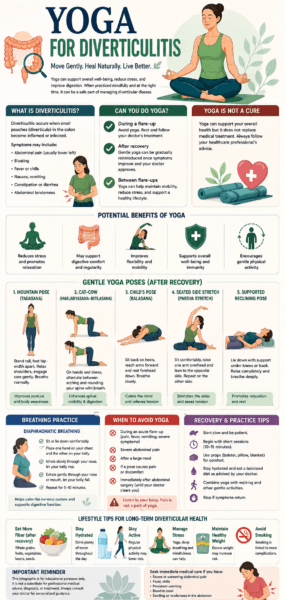
هل يمكنك ممارسة اليوجا مع التهاب الرتج؟
يعتمد ذلك على ما إذا كنت تعاني من اشتعال نشط ، أو تتعافى من واحدة ، أو ببساطة تعيش مع رتج أو تاريخ من التهاب الرتج.
أثناء اشتعال نشط.
لا ينبغي استخدام اليوجا عمومًا كوسيلة للتغلب على آلام البطن أو الأعراض الحادة الأخرى.
إذا كنت قد اشتبهت أو شخّصت التهاب الرتج الحاد، اتبع خطة العلاج التي يقدمها أخصائي الرعاية الصحية. قد يشمل علاج الحالات غير المعقدة نظام غذائي مؤقت التغييرات والأدوية عند الاقتضاء ، في حين أن الحالات المعقدة قد تتطلب العلاج في المستشفى.
أثناء الانتعاش.
بمجرد تحسن الأعراض وقول أخصائي الرعاية الصحية الخاص بك إنه من المناسب استئناف النشاط ، يمكن إعادة إدخال الحركة اللطيفة تدريجيًا.
بين الانفجارات.
عندما تشعر بحالة جيدة ، يمكن دمج اليوجا في أسلوب حياة بدني شامل نشط.
هذا مهم لأن الجسم العادي النشاط يرتبط بانخفاض خطر الإصابة بالتهاب الرتج، على الرغم من أن ذلك ليس ثبت أن اليوجا نفسها تمنع التهاب الرتج. يلاحظ NIDDK أن النشاط البدني المنتظم قد يساعد في تقليل خطر الإصابة بالتهاب الرتج. (niddk)
هل اليوجا آمنة أثناء تفجير التهاب الرتج؟
ربما يكون هذا هو أهم قسم في هذه المقالة.
إذا كنت تعاني حاليًا من اشتعال حاد مع آلام شديدة في البطن أو حمى أو قيء أو تفاقم الأعراض أو غيرها من العلامات المقلقة ، فلا تحاول إجراء جلسة يوغا مكثفة.
الأولوية هي التقييم الطبي والعلاج المناسب.
يمكن أن تتضمن بعض حركات اليوجا أيضًا:
- انقباضات قوية في البطن
- تقلبات عميقة
- ضغط البطن
- الانقلابات
- حبس أنفاسه
- تمدد مكثف
هذه ليست خيارات مناسبة عندما تعاني من أعراض بطنية كبيرة.
بدلاً من ذلك ، اتبع نصيحة أخصائي الرعاية الصحية الخاص بك فيما يتعلق بالنشاط.
إذا كانت الأعراض تزداد سوءًا ، أو تصاب بالحمى ، أو يصبح ألم البطن أكثر حدة ، أو لا يمكنك الاحتفاظ بالسوائل ، اتصل بأخصائي الرعاية الصحية الخاص بك على الفور. توصي Mayo Clinic على وجه التحديد بالمتابعة الطبية عند حدوث هذه الأعراض أثناء التعافي من التهاب الرتج.
اليوجا ليست علاجًا لالتهاب الرتج.
هناك نقطة مهمة لا ينبغي التغاضي عنها.
قد تجد مواقع تدعي أن ذلك بالتحديد يمكن لوضعيات اليوجا “الشفاء التهاب الرتج أو ”تطهير القولون“ أو ”إزالة الالتهاب.
هذه الادعاءات تتجاوز الأدلة المتاحة.
قد تدعم اليوجا النشاط البدني العام والاسترخاء والوعي بالجسم وإدارة الإجهاد ، ولكن لا توجد أدلة كافية للادعاء بأن شخصًا ما معين يمكن أن تعالج اليوجا رتج ملتهب.
التهاب الرتج هو حالة طبية تتطلب في بعض الأحيان الأدوية أو الإدارة الغذائية أو المراقبة أو أي علاج طبي آخر.
لذلك يجب اعتبار اليوجا نشاط مكمل, ، ليس بديلاً للرعاية الطبية.
الفوائد المحتملة لليوجا للأشخاص المصابين بأمراض الرتج.
على الرغم من البحث فحص اليوجا على وجه التحديد نظرًا لأن علاج التهاب الرتج محدود ، فقد تقدم اليوجا اللطيفة فوائد عامة يمكن أن تكون ذات صلة بشخص يعالج حالة هضمية مزمنة.
1. يشجع النشاط البدني اللطيف.
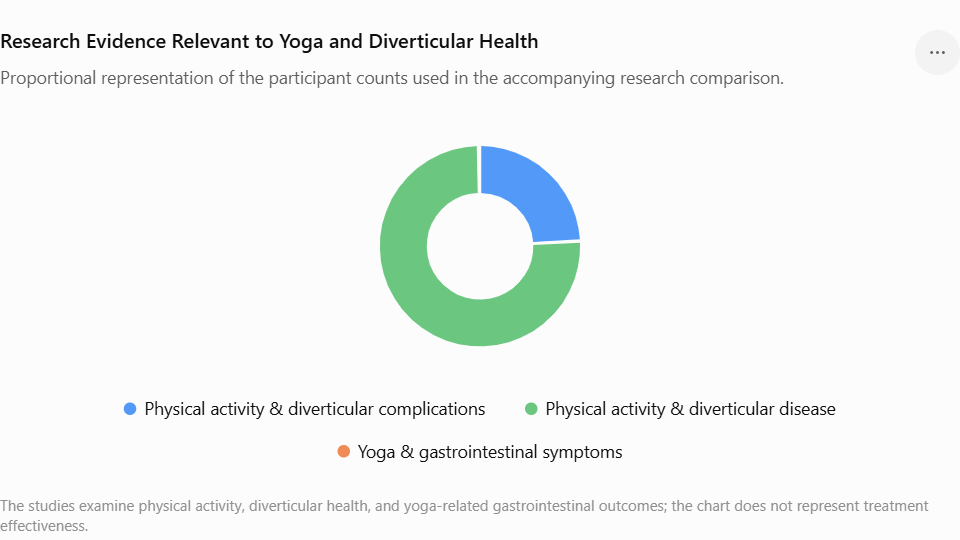
يرتبط الخمول البدني بخطر أكبر للإصابة بالتهاب الرتج ، بينما يعتبر النشاط البدني المنتظم أحد عوامل نمط الحياة التي قد تساعد في تقليل المخاطر.(1)
يمكن أن توفر اليوجا طريقة واحدة للبقاء نشطًا.
ومع ذلك ، لا ينبغي أن يكون الشكل الوحيد للحركة الذي تعتمد عليه. يمكن أن يساهم المشي وتدريب القوة والسباحة وركوب الدراجات والأنشطة المناسبة الأخرى في أسلوب حياة نشط.(2)
2 . قد يساعد في إدارة الإجهاد.
يمكن أن يكون التعايش مع أعراض الجهاز الهضمي المتكررة مرهقة.
تجمع اليوجا بين الحركة والتحكم في التنفس والاسترخاء ، مما يجعلها مفيدة كجزء من روتين إدارة الإجهاد.
هذا لا يعني أسباب التوتر التهاب الرتج أو أن اليوجا يمكن أن تمنع الهجوم. بدلا من ذلك ،, قد تساعد اليوجا بعض الناس إدارة الإجهاد النفسي المرتبط بالتعايش مع مخاوف صحية مزمنة أو متكررة.
3. يحسن التنقل العام.
يمكن أن تعمل اليوجا اللطيفة على:
- حركة الورك
- حركة العمود الفقري
- حركة الكتف
- ميزان
- تناسق
يزداد الحفاظ على الحركة العامة أهمية متزايدة عندما يقضي شخص ما عدة أيام في الراحة أثناء المرض.
4. يدعم العودة التدريجية إلى النشاط.
بعد المرض ، قد يكون من المغري العودة فورًا إلى كثافة التمرين السابقة.
هذا ليس دائمًا أفضل نهج.
يمكن أن توفر اليوجا اللطيفة خيارًا منخفض الكثافة حيث تعيد بناء مستوى نشاطك الطبيعي تدريجيًا.
المبدأ العام للعودة إلى ممارسة الرياضة تدريجيًا بعد المرض مدعوم بتوجيهات أوسع نطاقًا. (niddk)
اليوجا وصحة الجهاز الهضمي.
يستجيب الجهاز الهضمي للعديد من العوامل ، بما في ذلك النظام الغذائي والنشاط البدني والإجهاد والنوم والأدوية والحالات الطبية الأساسية.(3)
تتضمن بعض ممارسات اليوجا حركة لطيفة للجذع والتنفس المتحكم فيه ، والتي قد تشعر بالاسترخاء لدى بعض الأشخاص.
لكن من المهم عدم المبالغة في ذلك.
اليوجا ليست بديلا عن التوصيات الغذائية والطبية المستخدمة للإدارة مرض الرتج.
على سبيل المثال، يمكن أن تختلف التوصيات الغذائية اعتمادًا على ما إذا كان شخص ما يعاني من نوبة حادة أو يتعافى من واحدة أو يحاول ذلك الحفاظ على صحة طويلة الأمد. أثناء التعافي من التهاب الرتج، قد يوصي المتخصصون في الرعاية الصحية بالانتقال تدريجياً من السوائل إلى الأطعمة منخفضة الألياف والعودة في النهاية إلى نظامهم العادي. النظام الغذائي كأعراض تحسين.
بمجرد أن تعافى، الكثير يتم تشجيع الناس على تناول طعام متوازن, ، نظام غذائي غني بالألياف عند الاقتضاء طبيا.
أفضل وقت لممارسة اليوجا.
إذا كنت قد تعافيت من نوبة حادة وتم السماح لك باستئناف التمرين ، فإن اختيار الوقت المناسب يمكن أن يجعل اليوجا أكثر راحة.
صباح.
لطيف صباح يمكن أن تساعدك الجلسة على بدء اليوم بحركة خفيفة.
جرب:
- التنفس اللطيف
- بقرة القط
- وقفة جبلية
- حركات جلوس لطيفة
تجنب القفز على الفور في وضعيات متقدمة.
مساء.
يمكن أن تكون الجلسة المسائية مفيدة إذا كان هدفك هو الاسترخاء.
قد يكون الروتين البطيء الذي يتضمن التنفس والتمدد اللطيف أفضل من فئة اليوغا القوية.
بعد الأكل.
تجنبي ممارسة اليوجا القوية على الفور بعد تناول وجبة كبيرة.
امنح وقتًا كافيًا للهضم واختر حركات لطيفة إذا كنت تمارس أوقات الوجبات.
اليوجا اللطيفة تطرح لمرض الرتج.
مرة أخرى، هذه الوضعيات هي أكثر ملاءمة للناس الذين لا يعانون من التهاب الرتج الحاد وقد تم نصحهم بأن النشاط اللطيف مناسب.
الهدف هو الاسترخاء والحركة المريحة - عدم إجبار البطن أو محاولة “تدليك” القولون.
1. وضع الجبل.
Mountain Pose (Tadasana) هي واحدة من أبسط أوضاع اليوجا.
قف منتصبا مع:
- قدم في وضع مريح
- أكتاف مسترخية
- العمود الفقري ممتد بشكل طبيعي
- الذراعين يستريحان بجانبك
خذ أنفاسًا بطيئة وركز على الحفاظ على وضعية مريحة.
يتطلب هذا الوضع حركة بطنية قليلة ويمكن أن يكون بمثابة نقطة انطلاق سهلة.
2 بقرة القط.
Cat-Cow هو تمرين لطيف للحركة الشوكية.
ابدأ على يديك وركبتيك.
تناوب ببطء بين:
- امتداد مريح للعمود الفقري
- تقريب لطيف للعمود الفقري
تنسيق الحركة مع تنفسك.
لا تبالغ في الحركة أو تجبر بطنك على الضغط.
إذا كان الوقوف على يديك وركبتيك يسببان عدم ارتياح في البطن ، فاختر حركة جالسة بدلاً من ذلك.
3. وضع الطفل.
الطفل يمكن أن يكون الوضع مريحًا, ، لكن ضغط البطن يختلف اعتمادًا على مدى عمق طيك.
إذا كنت مرتاحا:
- ركع على حصيرة.
- اخفض الوركين ببطء نحو كعبيك.
- انحنى برفق.
- أرح ذراعيك بشكل مريح.
- تنفس بشكل طبيعي.
لا تجبر بطنك على فخذيك.
إذا كان الموقف يسبب الضغط أو الألم, ، تخطيه.
4. التنفس جالسًا.
لا تحتاج بالضرورة إلى وضع يوغا معقد.
اجلس بشكل مريح مع دعم عمودك الفقري وممارسة التنفس البطيء والاسترخاء.
حاولي الاستنشاق بلطف من خلال أنفك والسماح لبطنك بالتحرك بشكل طبيعي.
ثم زفير ببطء.
لا تجبر أنفاسك العميقة أو تحبس أنفاسك.
5. يجلس جانبي لطيف يجلس.
اجلس بشكل مريح وارفع ذراعًا واحدًا فوق رأسه.
انحنى قليلاً إلى الجانب الآخر دون ضغط أو شد البطن بقوة.
ارجع إلى المركز وكرر على الجانب الآخر.
حافظ على الحركة صغيرة ومريحة.
6. وضعية الاستلقاء المدعومة.
يمكن أن يكون وضع الاستلقاء المريح مفيدًا للاسترخاء.
استخدم الوسائد أو دعامة لدعم جسمك.
الهدف هو تقليل التوتر العضلي بدلاً من خلق امتداد قوي.
تمارين التنفس والتهاب الرتج.
التنفس هو أحد أسهل مكونات اليوجا التي يمكن تعديلها.
يمكن أن تتضمن ممارسة التنفس البسيطة:
- الجلوس بشكل مريح.
- استرخاء كتفيك.
- التنفس بلطف من خلال أنفك.
- السماح للبطن بالتحرك بشكل طبيعي.
- الزفير ببطء.
- تكرار لعدة دقائق.
تجنب تقنيات التنفس القوي أو احتباس التنفس لفترات طويلة أو براناياما القوية عندما تكون على ما يرام.
إذا تسببت تقنية التنفس في حدوث دوار أو عدم ارتياح أو ألم في البطن ، توقف.
اليوجا بعد الشفاء من التهاب الرتج.
يجب أن تكون العودة إلى اليوجا بعد التهاب الرتج تدريجيًا.
فكر في تعافيك على أنه تقدم وليس مفتاحًا.
المرحلة الأولى: الراحة والعلاج الطبي.
خلال المرحلة الحادة، اتبع تعليمات العلاج الخاصة بأخصائي الرعاية الصحية.
المرحلة الثانية: حركة لطيفة.
بمجرد أن تتحسن الأعراض ويكون النشاط مناسبًا ، ابدأ بالمشي السهل والحركة اللطيفة.
المرحلة 3: اليوجا الأساسية.
أضف أوضاع بسيطة مثل:
- وقفة جبلية
- بقرة قطة لطيفة
- التنفس جالس
- تمددات ظريفة
المرحلة 4: الممارسة العادية.
مع عودة قوتك وثقتك بنفسك ، استأنف تدريجيًا ممارسة اليوجا العادية.
لا تعود على الفور إلى اليوجا الساخنة أو اليوجا القوية أو الانقلابات المتقدمة أو الجلسات الطويلة.
ماذا عن الالتواء يطرح؟
أوضاع الالتواء تستحق اهتمامًا خاصًا.
ستجد غالبًا مطالبات على الإنترنت تتسبب في تحريفات إما “تنظيف القولون” أو “تدليك الجهاز الهضمي”.”
هذه التفسيرات كثيرا ما تكون مبالغا فيها.
قد يكون هناك تطور لطيف مريحة تماما لصحة جيدة شخص ، ولكن لا يوجد سبب لفرض دوران عميق في العمود الفقري في محاولة لعلاج التهاب الرتج.
إذا كنت قد تعافيت مؤخرًا من حلقة ما ، فابدأ بحركات صغيرة ومريحة.
توقف إذا واجهت:
- آلام البطن
- ضغط
- خدش
- دوار
- أي أعراض تفاقم
ماذا عن الانقلابات؟
لا يلزم وجود أكشاك الرأس وحاملات الكتف وغيرها من الانقلابات المتقدمة لمن يبحث عن الجنرال فوائد اليوجا.
إذا كنت تتعافى من التهاب الرتج ، فهناك سبب أقل لتقديم الانقلابات الصعبة.
ركز على الحركات البسيطة والمريحة أولاً.
الأخطاء الشائعة التي يجب تجنبها.
الخطأ الأول: التدرب على الألم.
الألم ليس شيئًا تحتاج إلى “الدفع من خلاله” أثناء الشفاء.
توقف إذا كانت حركة يسبب آلام البطن.
الخطأ الثاني: علاج اليوجا كعلاج طبي.
يمكن لليوجا أن تكمل أسلوب حياة صحي ، لكنها لا تحل محل العلاج الطبي لالتهاب الرتج.
الخطأ 3: البدء بشكل مكثف.
إذا كنت قد قضيت أيامًا في الراحة ، فقد يكون مستوى لياقتك أقل مؤقتًا.
ابدأ ببطء.
الخطأ 4: متابعة مقاطع فيديو اليوغا العامة على الإنترنت.
قد يتضمن مقطع فيديو مصمم للممارسين الأصحاء ذوي الخبرة حركات غير مناسبة أثناء شفائك.
اختر إجراءات لطيفة وقم بتعديل الحركات بناءً على حالتك الحالية.
الخطأ الخامس: تجاهل علامات التحذير.
لا تفترض أن آلام البطن أثناء التمرين هي ببساطة “ضيق”.”
الأعراض الجديدة أو المتفاقمة تستحق الاهتمام.
روتين اليوجا اللطيف بعد التهاب الرتج.
إذا تم السماح لك بممارسة الرياضة ، فابدأ بجلسة قصيرة بدلاً من العودة على الفور إلى فصل يوجا مكثف.
يمكن أن يبدو روتينًا بسيطًا مدته 10-15 دقيقة كما يلي:
| تمرين | الوقت التقريبي |
|---|---|
| التنفس المريح | 2 دقيقة |
| وقفة جبلية | 1 دقيقة |
| حركات الكتف اللطيفة | 1 دقيقة |
| بقرة القط | 2 دقيقة |
| تمتد جانبي لطيف | 1 دقيقة |
| امتداد مسند مثبت | 2 دقيقة |
| حركة لطيفة على الورك | 2 دقيقة |
| التنفس الاسترخاء | 2-4 دقائق |
المدة الدقيقة ليست مهمة. الراحة والتقدم التدريجي أكثر أهمية.
إذا تسببت أي حركة في إزعاج البطن ، فتوقف واختر وضعًا أسهل.
تطرح اليوجا لتجنب أثناء التوهج النشط.
خلال نوبة التهاب الرتج الحاد ، من الأفضل عدم تجربة حركات اليوجا الصعبة.
على وجه الخصوص تجنب الممارسات القوية التي تنطوي على:
- ضغط عميق في البطن
- تقلبات قوية
- تمارين بطن قوية
- الانقلابات المتقدمة
- الانحناءات الخلفية الشديدة
- حبس النفس لفترات طويلة
- تدفقات شاقة للغاية
لا يوجد دليل جيد على أن هذه الأوضاع تعالج التهاب الرتج ، كما أن إجبار الحركة أثناء تعرضك لأعراض البطن الحادة يمكن أن يجعلك تشعر بالسوء.
بدلاً من ذلك ، اتبع تعليمات أخصائي الرعاية الصحية الخاص بك. يعتمد علاج التهاب الرتج على شدته وقد يتضمن تغييرات غذائية أو دواء أو علاج في المستشفى في الحالات المعقدة.
ماذا عن اليوجا للإمساك؟
يمكن أن يحدث الإمساك مع مرض رتج، ولكن لا ينبغي أن نفترض ذلك تلقائيًا سبب الإمساك عن طريق التهاب الرتج.
رقيق يمكن أن يدعم النشاط البدني انتظام الأمعاء بشكل عام ، والنشاط البدني المنتظم هو جزء من إرشادات نمط الحياة لتقليل مخاطر التهاب الرتج.
قد تكون اليوجا شكلًا ممتعًا من الحركة ، ولكن لا تعتمد على أوضاع التواء أو ادعاءات “تدليك القولون” لعلاج الإمساك المستمر.
بدلاً من ذلك ، ضع في اعتبارك الصورة الأكبر:
- كمية كافية من السوائل
- تناول الألياف بشكل مناسب عندما لا تكون في حالة توهج حاد
- النشاط البدني العادي
- نظام غذائي متوازن
- نصيحة طبية عند استمرار الإمساك
إذا كنت تتعافى من التهاب الرتج ، فلا تزيد فجأة من الألياف دون التفكير في الأعراض الحالية وتوصيات أخصائي الرعاية الصحية الخاص بك. يمكن أن تتغير الاحتياجات الغذائية خلال نوبة حادة والتعافي.
هل يمكن أن تساعد اليوجا في الانتفاخ؟
يشعر بعض الناس أن الحركة اللطيفة تساعدهم على الشعور بعدم الارتياح عندما ينتفخون.
ومع ذلك ،, الانتفاخ له أسباب عديدة محتملة, ، واليوغا ليست علاجًا مثبتًا للانتفاخ المرتبط بالتهاب الرتج.
إذا كان الانتفاخ مصحوبًا بألم شديد في البطن أو قيء أو حمى أو تورم في البطن أو عدم القدرة على تمرير البراز أو الغاز ، فلا تحاول إدارة مشكلة اليوجا وحدها.
هذه الأعراض تستدعي التقييم الطبي.
المشي مقابل اليوجا لالتهاب الرتج.
ليس عليك بالضرورة الاختيار بين المشي واليوجا.
يمكن أن يكون لكليهما مكان في نمط حياة نشط عندما تكون جيدًا من الناحية الطبية لممارسة الرياضة.
من السهل التحكم في المشي بشكل خاص لأنه يمكنك ضبط:
- سرع
- أبعاد
- مدة
- حدة
توصي NIDDK بالبدء بكميات يمكن التحكم فيها من النشاط البدني وتلاحظ أنه حتى فترات قصيرة من النشاط يمكن أن تحسب نحو أن تكون أكثر نشاطًا.
اليوغا، في الوقت نفسه، يمكن أن تضيف:
- قابلية الحركة
- ميزان
- تناسق
- تمارين التنفس
- تسلية
بالنسبة لشخص يعود إلى النشاط بعد التهاب الرتج ، قد يكون المشي السهل أكثر ملاءمة في البداية من فصل اليوجا الكامل.
النظام الغذائي والترطيب واليوجا.
اليوغا جزء واحد فقط من إدارة صحتك العامة.
يمكن أن يكون النظام الغذائي والترطيب مهمين أيضًا ، خاصةً عندما تتعافى من التهاب الرتج.
خلال حلقة حادة، قد يوصي أخصائي الرعاية الصحية بتغيير نظامك الغذائي مؤقتًا. مع تحسن الأعراض ، يتم إعادة تقديم الطعام بشكل عام تدريجيًا وفقًا للإرشادات الطبية.
بعد الشفاء ، يمكن للعديد من الأشخاص العودة تدريجياً إلى حالة متوازنة النظام الغذائي الذي يحتوي على الأطعمة الغنية بالألياف.
يمكن أن تشمل مصادر الألياف:
- فاكهة
- خضروات
- حبوب كاملة
- حبوب
- بذور
سائل مناسب المدخول مهم أيضا لأن الألياف يعمل مع الماء للمساعدة في الحفاظ على البراز أكثر نعومة وأسهل في المرور.
ومع ذلك ، يجب تخصيص التوصيات الغذائية إذا كان لديك أعراض متكررة أو مضاعفات أو تضيق الأمعاء أو حالة أخرى من حالة الجهاز الهضمي.
كم مرة يجب أن تمارس اليوجا؟
لا يوجد دليل محدد على “وصفة اليوغا التخليقية”.”
بدلاً من ذلك ، اعتبر اليوجا أحد مكونات نشاطك العام.
بمجرد أن تتعافى ويقول أخصائي الرعاية الصحية الخاص بك إن التمرين مناسب، يمكنك البدء بما يلي:
2-3 هش جلسات أسبوعية.
إذا كنت تتحملها جيدًا ، يمكنك زيادة التردد تدريجيًا.
لا تحتاج إلى أداء جلسات مدتها ساعة.
حتى الروتين اللطيف لمدة 10-20 دقيقة يمكن أن يوفر فرصة للتحرك.
كيف تتقدم في ممارسة اليوجا؟
يجب أن يكون هدفك الأول بعد الشفاء تسامح, ، وليس شدة.
الأسبوع 1.
جرب جلسات قصيرة تتكون في الغالب من التنفس والحركة اللطيفة والوقوف الأساسي.
الأسبوع 2.
إذا كنت خاليًا من الأعراض ونشاطًا متسامحًا ، فقم بزيادة المدة تدريجيًا.
الأسبوع الثالث وما بعده.
يمكنك ابدأ في دمج المزيد من اليوجا العادية تدرب ، بشرط أن تشعر بالراحة وأنك تم إخطارك بأن التمرين العادي مناسب.
ليست هناك حاجة للاندفاع.
العودة التدريجية معقولة بشكل خاص بعد أن تقضي وقتًا في الراحة بسبب المرض.
ماذا لو تسببت اليوجا في آلام في البطن؟
أوقف التمرين.
لا تفترض الألم يعني أن الوضع هو “يعمل.
بطني يمكن أن يكون للألم أسباب عديدة, ، والتهاب الرتج نفسه يمكن أن ينتج عنه آلام كبيرة في البطن. (niddk)
إذا اختفى الانزعاج بسرعة بعد التوقف ولم يعد ، اذكره لأخصائي الرعاية الصحية الخاص بك إذا كان الأمر يتعلق بك.
إذا استمر الألم أو أصبح شديدًا أو مصحوبًا بأعراض أخرى ، فاطلب الرعاية الطبية.
علامات تحذيرية يجب ألا تتجاهلها.
هذا مهم بشكل خاص لأي شخص يبحث عن اليوجا عن التهاب الرتج لأن التمرين يجب ألا يؤخر تقييم الأعراض الخطيرة.
اطلب عناية طبية فورية لأعراض مثل:
- آلام شديدة أو مستمرة في البطن
- حمى
- رقة بطنية كبيرة
- القيء المستمر
- براز دموي
- بطن متورم
- عدم القدرة على خفض السوائل
توصي Mayo Clinic بتقييم طبي لألم شديد في البطن وأعراض مقلقة مثل الحمى والبراز الدموي والغثيان المستمر أو القيء أو الحنان البطني.
إذا كنت تعاني من هذه الأعراض ، ضع سجادة اليوجا بعيدًا واطلب الرعاية الطبية المناسبة.
هل يمكن لليوجا أن تمنع التهاب الرتج؟
من القوي جدًا أن نقول إن اليوجا تمنع التهاب الرتج.
ما يمكننا قوله هو أن النشاط البدني المنتظم يرتبط بانخفاض خطر الإصابة بالتهاب الرتج ، ويمكن أن تكون اليوجا أحد أشكال النشاط البدني.
عوامل نمط الحياة الأخرى ذات صلة أيضًا ، بما في ذلك الحفاظ على وزن صحي ، وعدم التدخين ، وتناول نظام غذائي مناسب ، و البقاء نشطًا بدنيًا.
لذلك ، فكر في اليوجا كجزء من نمط حياة صحي بدلاً من علاج وقائي محدد.
هل اليوجا “تدليك” القولون؟
هذا ادعاء شائع في محتوى العافية عبر الإنترنت.
قد ترى بعض التقلبات التي يتم تسويقها كطريقة لـ “تدليك القولون” ، أو إزالة السموم ، أو القضاء على الرتوج.
لا ينبغي تقديم هذه الادعاءات على أنها حقائق طبية راسخة.
لا يحتاج القولون إلى “إزالة السموم” بواسطة اليوجا.
كاف الجهاز الهضمي لديه بالفعل آليات للمعالجة والقضاء على النفايات ، بينما يؤدي الكبد والكلى أدوارًا مهمة في معالجة المواد والحفاظ على التوازن الداخلي.
قد تساعدك اليوجا على التحرك والاسترخاء والحصول على وعي أكبر بجسمك، ولكن لا ينبغي تسويقها على أنها علاج لتطهير القولون.
هل يمكنك ممارسة اليوجا بعد جراحة التهاب الرتج؟
هذا يختلف عن التعافي من التهاب الرتج غير المعقد.
إذا كنت قد أجريت جراحة في الأمعاء ، فيجب أن تأتي خطة التعافي الخاصة بك من الجراح أو فريق الرعاية الصحية.
حتى الحركات اللطيفة قد تحتاج إلى تعديل في البداية لأن أنسجة البطن تحتاج إلى وقت للشفاء.
لا تستخدم برنامج يوغا عام عبر الإنترنت كخطة إعادة تأهيل بعد الجراحة.
يمكن لأخصائي الرعاية الصحية إخبارك عندما تكون مستعدًا لاستئناف:
- المشي
- شد
- يوجا
- تمارين القوة
- تمارين البطن
اليوغا للأشخاص الذين لديهم تاريخ من التهاب الرتج.
إذا كنت قد أصبت بالتهاب الرتج سابقًا ولكنك تشعر حاليًا بحالة جيدة ، فالهدف ليس العيش في خوف من حلقة أخرى.
بدلاً من ذلك ، ركز على العادات المستدامة.
قد تشمل هذه:
- النشاط البدني العادي
- نظام غذائي متوازن
- تناول الألياف المناسبة
- ترطيب مناسب
- الحفاظ على وزن صحي
- تجنب التدخين
- متابعة توصيات أخصائي الرعاية الصحية الخاص بك
ممارسة الرياضة بانتظام هي أحد عوامل نمط الحياة المرتبطة بانخفاض خطر التهاب الرتج.
يمكن أن تناسب اليوجا بشكل مريح في نمط الحياة هذا.
الأسئلة المتداولة.
1. هل يمكن لليوجا علاج التهاب الرتج؟
لا . لا يوجد دليل كاف على أن اليوجا يمكن أن تعالج التهاب الرتج. يتطلب التهاب الرتج الحاد تقييمًا طبيًا مناسبًا وعلاجًا عند الضرورة.
2 . هل اليوجا جيدة لمرض الرتوج؟
بالنسبة لشخص مصاب بداء الرتج ، يكون بصحة جيدة وليس لديه أعراض حادة ، يمكن أن تكون اليوجا شكلاً من أشكال النشاط البدني وقد تدعم التنقل العام والرفاهية. يجب أن يكون جزءًا من نمط حياة صحي شامل بدلاً من اعتباره علاجًا للرتوج.
3. هل يمكنني ممارسة اليوجا أثناء توهج التهاب الرتج؟
إذا كنت تعاني من توهج حاد ، خاصة مع آلام شديدة في البطن أو حمى أو قيء أو غيرها من الأعراض المقلقة ، فلا تستخدم اليوجا لعلاجها. اتبع تعليمات أخصائي الرعاية الصحية الخاص بك واطلب الرعاية الطبية عند الاقتضاء.
4. ما هي ألطف اليوجا لالتهاب الرتج؟
بعد الشفاء وعندما يكون التمرين مناسبًا ، تكون الممارسات اللطيفة التي تنطوي على التنفس ، والوقوف الأساسي ، وتمارين الحركة الخفيفة ، والاسترخاء بشكل عام أكثر منطقية من الممارسات القوية أو شديدة الانضغاط.
5. هل يمكن أن تساعد اليوجا في الإمساك؟
قد يدعم النشاط البدني اللطيف انتظام الأمعاء العامة ، ولكن لا ينبغي اعتبار اليوجا علاجًا للإمساك المستمر. النظام الغذائي والترطيب والنشاط والأدوية والحالات الطبية الأساسية كلها مهمة.
6. هل يمكنني ممارسة اليوجا بعد نوبة التهاب الرتج؟
بمجرد أن تحل الأعراض ونصحك باستكمال التمرين بشكل آمن، يمكنك العودة تدريجيًا. ابدأ بجلسات قصيرة ولطيفة بدلاً من العودة على الفور إلى اليوجا المكثفة.
7 . هل المشي أفضل من اليوجا لالتهاب الرتج؟
لا شيء أفضل عالميًا. المشي هو طريقة بسيطة لزيادة النشاط البدني ، بينما تضيف اليوجا الحركة والتوازن والاسترخاء. يمكن أن يكون لكليهما مكان في روتين تمرين مناسب.
8. هل يجب أن أتجنب التقلبات إذا كنت مصابًا بالتهاب الرتج؟
التقلبات العميقة أو القوية ليست ضرورية ولا ينبغي استخدامها لعلاج التهاب الرتج. أثناء التعافي ، اختر الحركات اللطيفة وتوقف إذا كان التواء يسبب عدم الراحة في البطن.
الأفكار النهائية.
يجب التعامل مع اليوجا لالتهاب الرتج بشكل مختلف عن نصائح اللياقة البدنية العادية.
إذا كنت تعاني من توهج حاد ، فيجب أن تكون أولويتك هي الرعاية الطبية المناسبة - وليس محاولة تمديد الالتهاب أو تحريفه أو ممارسة الالتهاب بعيدًا عنه.
بمجرد أن تتعافى وتُنصح بأن النشاط البدني مناسب، يمكن أن تكون اليوجا طريقة لطيفة لإعادة إدخال الحركة وتحسين الحركة وممارسة التنفس ودعم عام جسدية وعقلية الرفاه.
المبدأ الأكثر أهمية هو البدء بلطف والتقدم تدريجيًا.
لا تحتاج إلى أوضاع معقدة. يمكن أن تكون بضع دقائق من التنفس المريح والحركة الأساسية والوقوف والاسترخاء كافية للبدء.
وتذكر أن اليوجا ليست سوى جزء واحد من الصورة. النشاط البدني المنتظم ، والنظام الغذائي المناسب ، والترطيب ، وإدارة الوزن الصحي ، واتباع توصيات أخصائي الرعاية الصحية الخاص بك لعب دور في صحة الجهاز الهضمي على المدى الطويل.
الأهم من ذلك ، لا تدع روتين اليوجا عبر الإنترنت يؤخر الرعاية الطبية. آلام البطن الشديدة أو الحمى أو القيء المستمر أو البراز الدموي أو الرقة البطنية الكبيرة تتطلب تقييمًا طبيًا مناسبًا.
+3 مصادر
لدى Freaktofit إرشادات صارمة بشأن المصادر وتعتمد على الدراسات التي راجعها الأقران ومعاهد البحوث التعليمية والمنظمات الطبية. نتجنب استخدام المراجع من الدرجة الثالثة. يمكنك معرفة المزيد حول كيفية ضمان دقة المحتوى الخاص بنا وتحديثه من خلال قراءة سياسة التحرير.
- يقلل النشاط البدني من مضاعفات الرتج.; https://pmc.ncbi.nlm.nih.gov/articles/PMC3144158/
- مؤشر كتلة الجسم والنشاط البدني وخطر الإصابة بمرض الرتج: مراجعة منهجية وتحليل تلوي للدراسات المستقبلية ؛; https://pmc.ncbi.nlm.nih.gov/articles/PMC5682875/
- التأمل واليوجا لمتلازمة القولون العصبي: تجربة سريرية عشوائية ؛; https://pubmed.ncbi.nlm.nih.gov/36422517/
+1 مصدر
لدى FitMemore إرشادات صارمة بشأن المصادر وتعتمد على الدراسات التي راجعها الأقران ومعاهد البحوث التعليمية والمنظمات الطبية. نتجنب استخدام المراجع من الدرجة الثالثة. يمكنك معرفة المزيد حول كيفية ضمان دقة المحتوى الخاص بنا وتحديثه من خلال قراءة سياسة التحرير.
- العوامل المسببة والمظاهر السريرية والاستراتيجيات العلاجية لمتلازمة القولون العصبي.; https://www.researchgate.net/publication/380019267_Causative_Factors_Clinical_Manifestations_and_Therapeutic_Strategies_for_Irritable_Bowel_Syndrome