













































 Workout

 Meditation


 Podcast
 E-book

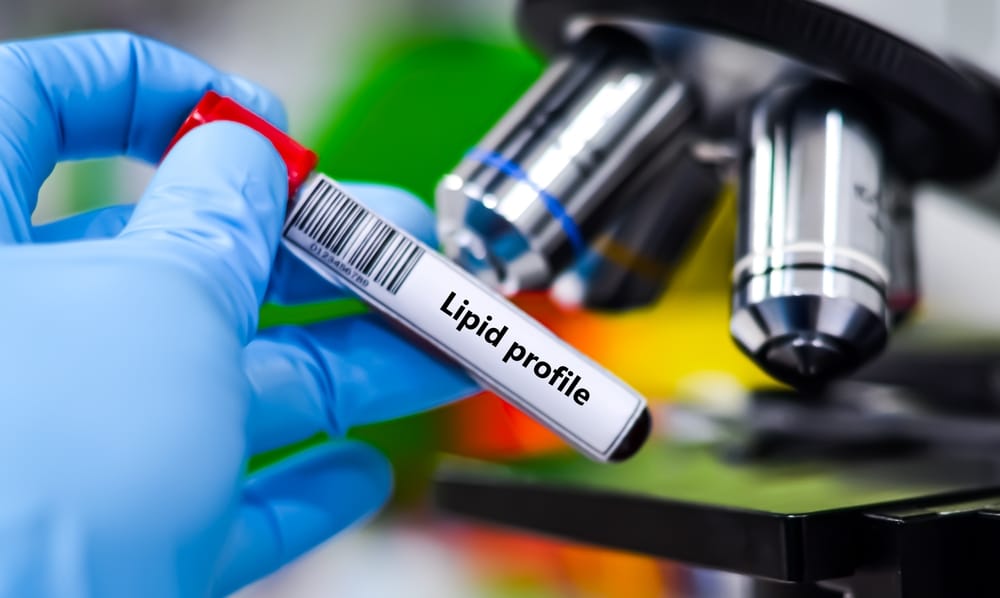
This lipid test analyzer helps you better understand your lipid panel and cholesterol test results, including LDL, HDL, triglycerides, and other markers. Simply select a test and enter your lab value to learn whether your result is low, optimal, or high, and what it may indicate for your heart health.
The purpose of this tool is to help you make sense of your numbers and support informed conversations with your healthcare provider about cardiovascular risk.
Helpful Resources for Heart Health.
Lipid panel blood tests are commonly ordered but can be confusing. What do your cholesterol numbers really mean? And what should you do if your LDL, HDL, triglycerides, or total cholesterol are outside the optimal range?
Lipid Panel Analyzer
Select a lipid test and enter your lab value.
Whether your doctor has already recommended lifestyle changes or you’re taking proactive steps to improve your heart health, Verywell offers free, evidence-based resources to help you understand your results and reduce your risk of heart disease.
Related Stories
 Renal Test Analyzer: Get Clear Insights Into Your Kidney Health
 Free Biological Age Calculator — Know Your True Health Age
Explore these helpful tools and articles:
- Learn how lipid panels are measured and why they matter.
- Download the Cholesterol Doctor Discussion Guide.
- Subscribe to our health newsletter for practical wellness tips.
Frequently Asked Questions on Lipid Test Analyzer.
1 What do I need to analyze my lipid test results?
To use this analyzer, you’ll need:
The name of the lipid test
The numerical value from your lab report
No units are required—units are added automatically.
2 Which lipid tests can be analyzed?
A routine lipid panel typically includes:
Total Cholesterol
HDL (High-Density Lipoprotein) Cholesterol
LDL (Low-Density Lipoprotein) Cholesterol
Triglycerides
Doctors evaluate these values together to assess overall cardiovascular risk and determine whether lifestyle changes or medication may be needed.
If results fall into a borderline range, additional lipid markers may provide deeper insight. This analyzer can also evaluate:
Cholesterol-to-HDL Ratio
Non-HDL Cholesterol
Apolipoprotein B (ApoB)
Lipoprotein(a)
You can analyze one test at a time. Because heart disease risk is influenced by many factors, your doctor is best suited to interpret your results as a whole.
For a detailed explanation of each test, download our guide:
Understanding the Different Lipid Panel Tests
3 Where can I find my lipid panel results?
Lipid test results are usually available a few days after your blood test. You can access them by:
Requesting a copy from your doctor’s office
Viewing them through an online patient portal provided by your lab
Your doctor may schedule a follow-up appointment to discuss your results. You can use this analyzer before or after that visit to better understand your numbers.
Note: Reference ranges may vary by laboratory. This analyzer uses standard adult ranges. Always refer to the ranges listed on your lab report when available.
4 What information will the analyzer provide?
After entering your test value, the analyzer will:
Indicate whether your result is low, optimal, or high
Explain what the result may mean
Describe why the test is performed and what it measures
This tool is intended for adults aged 18 years and older. Lipid reference ranges for children vary by age and should be interpreted by a healthcare professional.
5 How are the results interpreted?
All interpretations are developed by a board-certified cardiologist and align with established cardiovascular guidelines. The information is provided for educational purposes and should supplement—not replace—medical advice from your doctor.
6 Is my information private?
Yes. Your privacy is important to us. We do not store or track the lab values you enter. Only you can see your analysis, and results cannot be retrieved later. If you wish to keep a record, we recommend printing or saving your results.
Please review our Privacy Policy for more details.
7 Can this tool diagnose heart disease?
No. This analyzer does not provide medical advice or diagnose cardiovascular disease. It is for informational purposes only and is not a substitute for professional medical evaluation or treatment.
8 How should I use my analysis?
Use your results to better understand your cardiovascular risk and prepare meaningful questions for your doctor. Informed conversations lead to better health decisions.
For additional support, download our Doctor Discussion Guide, which includes key terms and important questions related to symptoms, causes, treatment options, and long-term management of high cholesterol.