


















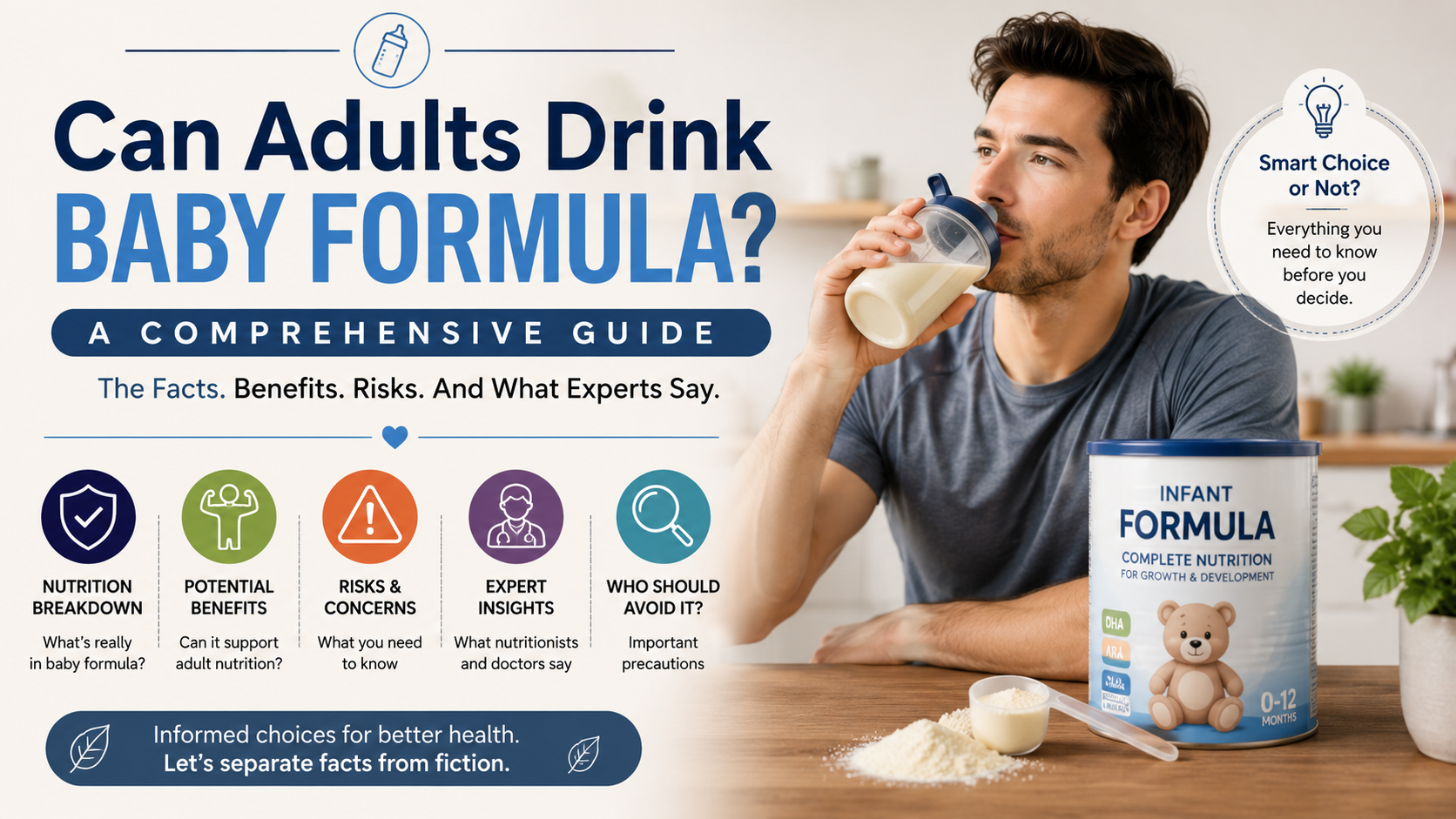
Baby formula is a staple for many infants, providing essential nutrients to help them grow and develop healthily. But what about adults? Can they also drink baby formula? This question might arise out of curiosity, dietary needs, or health issues. This article delves deep into this topic, exploring whether adults can consume baby formula, the benefits and drawbacks, and scientific evidence, supported by expert opinions.
What is Baby Formula?
Baby formula is a manufactured food designed and marketed for feeding babies and infants under 12 months of age. It’s typically made from cow’s milk or soy protein, with added vitamins and minerals to replicate the nutritional profile of breast milk. Formulas are strictly regulated to ensure they meet the nutritional needs of infants.
Nutritional Composition of Baby Formula.
Baby formula is rich in essential nutrients such as:
– Proteins: Vital for growth and repair.(1)
Related Stories
 How High Dietary Fiber Intake Helped Improve My Mood According to New Research
 Breakfast Cereals: Healthy or not?
– Fats: Provide energy and aid in the absorption of fat-soluble vitamins.
– Carbohydrates: Primary energy source, usually in the form of lactose.
– Vitamins and Minerals: Including calcium, iron, and vitamins A, D, E, and K.
Can Adults Drink Baby Formula?
The short answer is yes, adults can drink baby formula. However, whether they should is a more nuanced question. Baby formula is safe for adults to consume, but it may not be the most appropriate nutritional choice.

Nutritional Needs of Adults vs. Infants.
Adults and infants have different nutritional requirements. Infants need higher levels of certain nutrients relative to their body size to support rapid growth and development. In contrast, adults need nutrients to maintain bodily functions, support metabolic processes, and prevent chronic diseases.
Dr. Emily Scott, a nutritionist with over 20 years of experience, explains: “While baby formula can provide basic nutrition for adults, it’s not tailored to their specific needs. Adults require a different balance of macronutrients and micronutrients than infants do.”

Benefits of Baby Formula for Adults.
While not ideal, there are scenarios where baby formula can benefit adults:
1. Digestive Issues: Some adults with severe digestive disorders might find baby formula easier to digest.(2)
2. Supplemental Nutrition: In cases where adults struggle to get enough nutrients due to illness or difficulty eating, baby formula can be a temporary supplement.
3. Emergency Situations: During emergencies or extreme situations where regular food sources are unavailable, baby formula can serve as a temporary nutritional source.
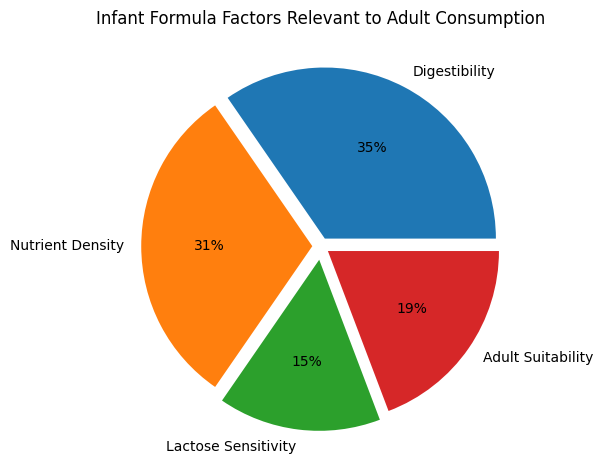
Drawbacks of Adults Drinking Baby Formula.
1. Nutritional Imbalance: Baby formula does not meet the higher protein and fiber needs of adults. Over time, relying on it could lead to deficiencies.
2. Lactose Intolerance: Many adults are lactose intolerant, and baby formula often contains lactose, which can cause digestive issues.
3. Cost: Baby formula is more expensive than regular adult nutritional supplements or meal replacements.
4. Taste and Texture: Many adults might find the taste and texture of baby formula unappealing.
Scientific Evidence.
Research on adults drinking baby formula is limited, as it is specifically designed for infants. However, studies on the individual components of baby formula provide some insights:
– Proteins: Whey and casein proteins found in baby formula are beneficial for muscle maintenance and repair in adults.
– Fats: The types of fats in baby formula, including DHA and ARA, support brain health but may not be in the optimal proportions for adults.
– Vitamins and Minerals: While essential, the levels in baby formula are geared towards infants and might not meet the adult daily recommended intake.
Expert Opinions.
Dr. James Walker, a dietitian, notes: “In a pinch, baby formula can be a stopgap solution for adults needing nutritional support. However, it’s important to seek out products specifically designed for adult nutrition in the long term.
Laura Martinez, a registered nurse, adds: “For adults with severe health issues, it’s critical to consult a healthcare provider before considering baby formula as a nutritional supplement. They might need a tailored approach to meet their dietary needs.”
Frequently Asked Questions.
1. Can baby formula help adults gain weight?
Baby formula can provide additional calories and nutrients, potentially aiding in weight gain if consumed regularly. However, there are more effective and suitable adult supplements designed for this purpose.
2. Is baby formula safe for adults with lactose intolerance?
Most baby formulas contain lactose. Adults with lactose intolerance should avoid these or choose lactose-free alternatives.
3. Can adults use baby formula for nutritional deficiencies?
While baby formula can temporarily help with nutritional deficiencies, it’s not a long-term solution due to its imbalance for adult needs. Consulting a healthcare provider for appropriate adult supplements is recommended.
4. Is there any harm in an adult occasionally drinking baby formula?
Occasionally consuming baby formula is generally safe for adults. However, it should not replace a balanced diet tailored to adult nutritional requirements.
5. How does baby formula compare to adult meal replacement shakes?
Adult meal replacement shakes are formulated to meet the nutritional needs of adults, with appropriate levels of protein, fiber, vitamins, and minerals. Baby formula is designed for infants and lacks the necessary balance for adults.
Bottom Line.
While adults can drink baby formula, it should not be a primary source of nutrition due to its imbalanced nutrient profile for adult needs. Baby formula might be useful in specific, temporary situations, but it’s essential to seek out nutrition solutions designed for adults. Consulting healthcare professionals can help identify the best dietary choices tailored to individual needs. Overall, maintaining a balanced diet with adequate nutrients is crucial for adult health and well-being.
+2 Sources
FreakToFit has strict sourcing guidelines and relies on peer-reviewed studies, educational research institutes, and medical organizations. We avoid using tertiary references. You can learn more about how we ensure our content is accurate and up-to-date by reading our editorial policy.
- Review of Infant Feeding: Key Features of Breast Milk and Infant Formula; https://pmc.ncbi.nlm.nih.gov/articles/PMC4882692/
- Lactose Intolerance in Adults: Biological Mechanism and Dietary Management; https://pmc.ncbi.nlm.nih.gov/articles/PMC4586575/