








































 treino

 meditação


 podcast
 e-book


The Fast Facts
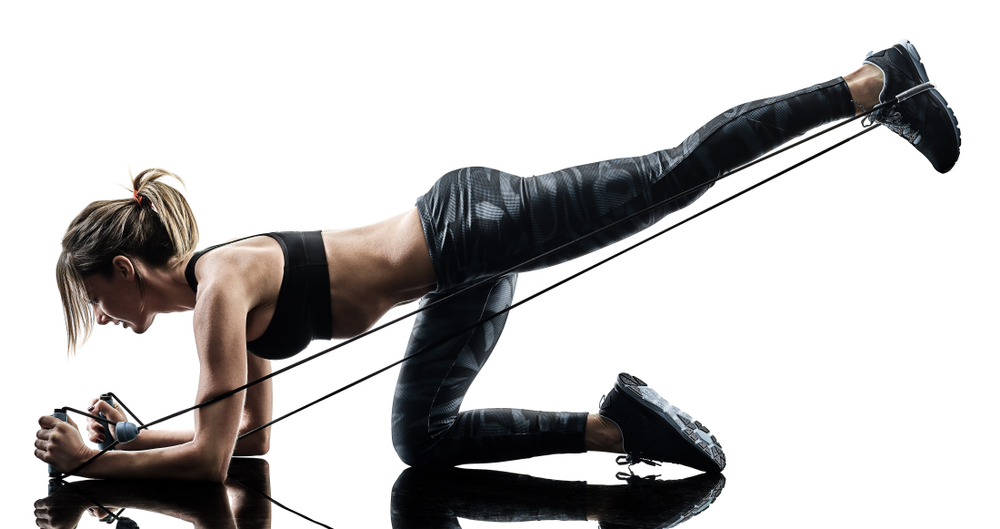
- Você também pode realizar este exercício com um parceiro segurando uma extremidade da banda enquanto seu parceiro faz o mesmo na outra extremidade.
- Whether you’re playing in the Little or Major League, you can use these simple exercises to improve your overall skills and become a better player.
- Let’s take a look at how to use J-Bands to enhance your game skills and become a better baseball player.

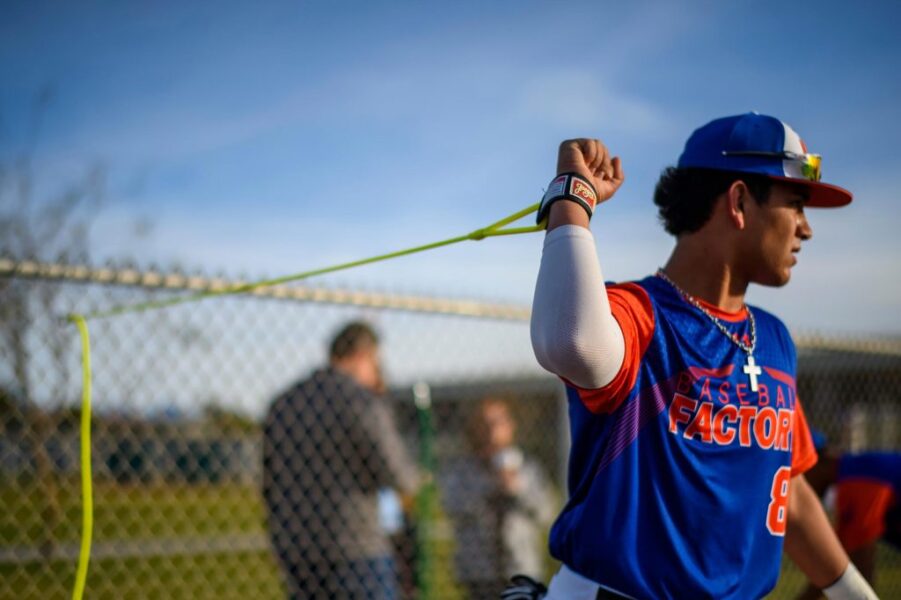
J-Bands são uma ferramenta simples de treinamento de beisebol que pode ser utilizada para melhorar vários aspectos do seu jogo. Esteja você jogando na pequena ou na liga principal, você pode usar esses exercícios simples para melhorar suas habilidades gerais e se tornar um jogador melhor. Vamos dar uma olhada em como usar as bandas J para aprimorar suas habilidades de jogo e se tornar um jogador de beisebol melhor.
Para que servem as bandas J nos esportes?
J-Bands exercises are a great way to improve your baseball skills. It provides resistance training that can assist you build strength and power in your swing. These bands can also help improve your range of motion and flexibility, which can lead to better performance on the field. Additionally, using J-Bands can help reduce the risk of injury. With all of these benefits, it’s no wonder why more players are making use of this simple but effective tool.
Como faço para começar?
Prenda a faixa em torno de um poste ou poste resistente e fique com os pés ombro-largura afastada. passo lateralmente para longe do poste, mantendo a tensão na bando. Retorne à posição inicial e repita para o número desejado de repetições.
Histórias relacionadas
 A sauna queima calorias?
 Como as flexões de Tabata transformaram minha força e resistência na parte superior do corpo
Você também pode realizar este exercício com um parceiro segurando uma extremidade da banda enquanto seu parceiro faz o mesmo na outra extremidade. Mova-se o mais longe possível em qualquer direção antes de retornar à posição inicial. Mude de papéis para que cada pessoa complete o conjunto.
| Leia agora: Esportes de perda de peso eficazes para crianças |
Como faço para aumentar a resistência da minha banda?
Para aumentar a resistência da sua banda J, basta aproximar as mãos. Por exemplo, se você estiver fazendo um bíceps, aproxime as mãos do ombro para que a banda tenha que se esticar ainda mais. Você também pode usar uma faixa mais grossa para mais resistência.
À medida que você fica mais forte, você será capaz de aumentar a resistência de seus exercícios de banda J. Essas bandas são ótimas porque vêm em três cores diferentes: vermelho, azul e preto. Ao observar essas cores, é fácil dizer quais funcionariam melhor para você, dependendo do seu nível de habilidade.
O azul é o peso mais leve e é recomendado para quem não jogou beisebol antes ou está apenas começando com essas bandas.

O preto foi projetado para aqueles que jogam beisebol desde jovens e querem algo mais pesado para se desafiar.
O vermelho é perfeito para quem deseja uma opção intermediária, onde ainda se sente desafiado, mas ainda não deseja se esforçar muito com exercícios intensos.
O que devo fazer para usá-los em casa?
To use J-Bands at home, at first you’ll need to purchase a set. You may find these online or at a sporting goods store. Once you have your bands, set them up in a door frame or another sturdy object.
Entretanto, Certifique-se de que a banda está adequada peito altura. Para realizar o exercício, fique de costas para a banda e pegue cada ponta com as mãos. Dê um passo à frente até que haja tensão na banda e, em seguida, agache-se lentamente. Volte para a posição inicial e repita.
What Should I Do If I’m Playing?
On the field, follow all of the same steps as when using J-Bands at home. First make sure that the band is around waist level and stretched out tightly so that it doesn’t snap when stepped on. Next step onto one end of the J-Band by standing with your foot near one of its ends. Lift up your other foot and step onto the other side of the band, pulling it towards you so that it’s tight against your body.
Quais são algumas maneiras de incorporar a banda J em meu treinamento?
Uma maneira de usar a banda J é executando cachos bíceps. Comece prendendo a banda em um poste ou poste robusto. Depois que a banda estiver segura, fique com os pés separados na largura dos ombros e segure a banda com as palmas das mãos voltadas para cima. Enrole as mãos em direção aos ombros, mantendo os cotovelos próximos ao corpo. Volte lentamente à posição inicial e repita por 12 a 15 repetições.
Benefícios do exercício de bandas J?
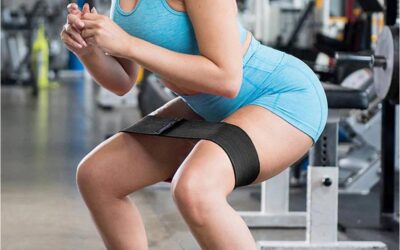
Os exercícios de banda J são um tipo de treinamento de resistência Isso pode ajudar a melhorar suas habilidades de beisebol. As faixas são colocadas em torno de suas coxas e fornecem resistência enquanto você move as pernas. Essa resistência ajuda a construir força e força nas pernas, o que pode ser benéfico para o desempenho em campo.(1) Além disso, os exercícios de bandas J podem melhorar sua amplitude de movimento e flexibilidade, ambas importantes para jogadores de beisebol.(2)
Dicas adicionais para exercícios de bandas J.
1 Ancore a banda em torno de um poste ou poste robusto.
2 Afaste-se do ponto de ancoragem para criar tensão na banda.
3 Faça vários exercícios com os braços, como cachos de braço ou extensões de tríceps.
4 Você também pode usar bandas J para realizar exercícios de pernas, como agachamentos ou lunges.
5 Para mais desafios, tente fazer os exercícios enquanto segura uma bola medicinal.
6 Certifique-se de aquecer antes de realizar qualquer exercício com bandas J e alongar depois para evitar lesões.
7 With regular use, you’ll see an impressive improvement in your baseball skills within a month.
| Leia agora: Exercício de Cobra Propenso: Como fazer? |
linha de fundo.
J-Bands are a great tool for any baseball player looking to improve their skills. By providing resistance training, they can help increase strength and stamina. Additionally, J-Bands can also improve your range of motion and flexibility. With regular use, you’ll see a significant improvement in your performance. If you want the best results, it’s important to find the tension that works best for you.
Alongamento com bandas J é uma ótima maneira de aliviar os músculos doloridos após um treino intenso ou um longo dia em campo. Experimente hoje mesmo os exercícios.
+2 de fontes
A FreaktoFit tem diretrizes rígidas de sourcing e conta com estudos revisados por pares, institutos de pesquisa educacional e organizações médicas. Evitamos o uso de referências terciárias. Você pode aprender mais sobre como garantimos que nosso conteúdo seja preciso e atualizado, lendo nosso política editorial.
- Efeitos do treinamento com resistência elástica versus resistência convencional na força muscular: uma revisão sistemática e meta-análise; https://www.ncbi.nlm.nih.gov/pmc/articles/PMC6383082/
- Efeitos de um programa de treinamento de banda de resistência específica do corpo para a parte superior do corpo na velocidade de lançamento aéreo e na amplitude de movimento da junta glenoumeral; https://pubmed.ncbi.nlm.nih.gov/32028464/