



































 treino

 meditação


 podcast
 e-book


The Fast Facts
- Ao contrário dos braços que são utilizados regularmente durante as atividades de rotina, as pernas precisam ser louváveis para reter o
- Caminhar é uma ótima atividade em relação ao exercício cardiovascular e mobilidade articular, embora a maioria dos adultos não obtenha resistência suficiente para manter a massa muscular ou densidade óssea.
- Se você começar com uma condição física terrível, caminhar e nadar são suficientes para começar, mas, caso contrário, é necessária uma atividade mais intensa para que o estímulo faça algo significativo para manter a massa muscular.

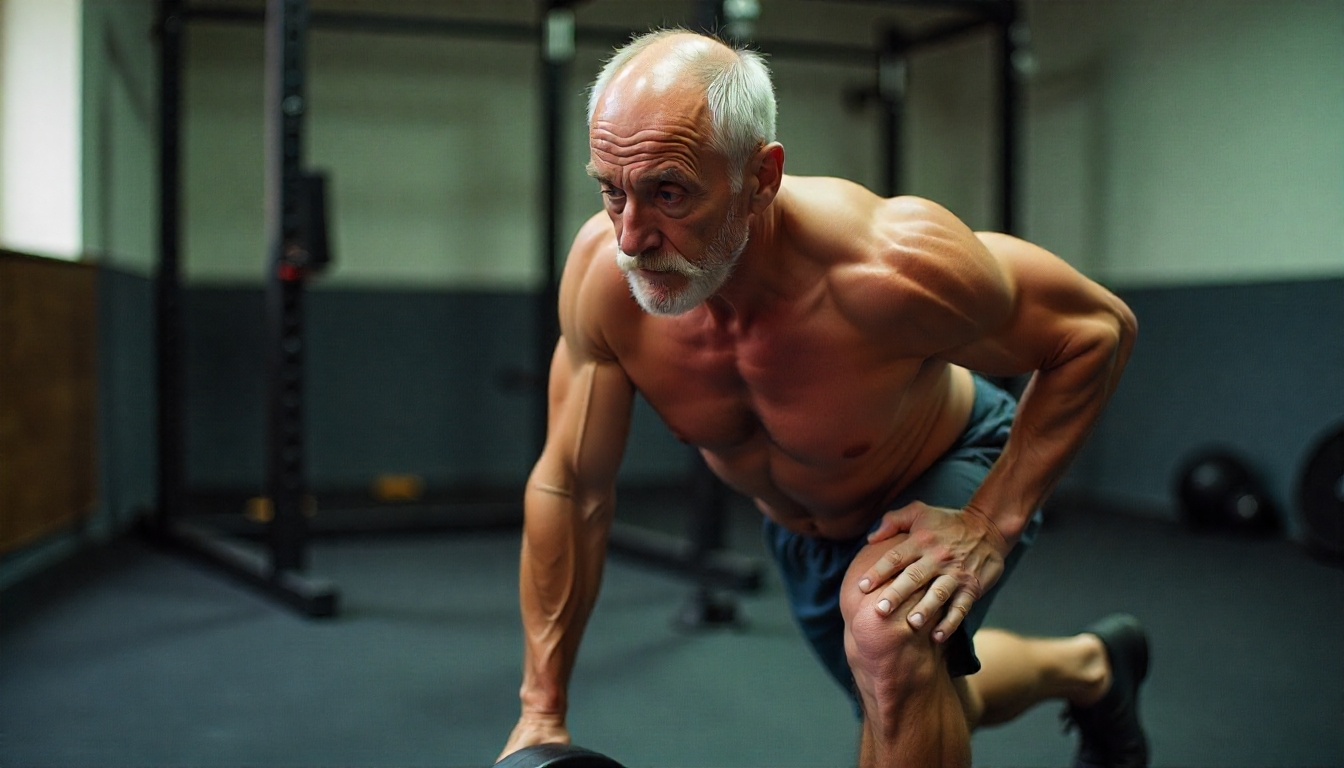
Na FreakToFit, nunca paramos de insistir na importância de Bom trabalho de tonificação muscular Para “manter os aniversários sob controle.” Agora também sabemos, depois de ler o estudo publicado em Phisiology.org, que a perda de músculo inerente à idade e acentuada pela inatividade é muito mais pronunciada nas pernas do que nos braços.(1)
O gráfico mostra a distribuição de massa muscular De acordo com o estudo realizado em 468 homens e mulheres entre 18 e 88 anos. A linha que representa a parte inferior do corpo tem um declínio muito mais acentuado do que a que representa a parte superior do corpo.
Histórias relacionadas
 Amouranthi Leaked Workout & Diet Routine: a fórmula de condicionamento físico simples por trás de seu físico
 Amber Heard vazou uma análise completa da rotina de condicionamento físico e dieta

O melhor remédio, e praticamente o único, é atividade física regular , enfatizando sessões intensas com cargas altas e contradizendo um pouco as prescrições de médicos que geralmente prescrevem “andar e nadar”.”(2)
Se você começar com uma condição física terrível, ambulante e natação são suficientes para começar, mas, caso contrário, atividade mais intensa é necessária para que o estímulo faça algo significativo para manter a massa muscular.(3)
Além disso, se Atividades intensas Não são realizados, a densidade óssea diminui ainda mais com a idade, um problema especialmente significativo nas mulheres devido ao declínio hormonal da maturidade.

Por que a perda de músculos nas pernas aumenta com a idade?
Há muito envolvimento dos músculos inferiores do corpo, particularmente do quadríceps, glúteos e isquiotibiais, em ficar em pé, andando, subindo as escadas e equilibrando-se. Quando os músculos perdem força com a idade, eles ficam expostos a menos carga mecânica, o que aumenta a perda muscular (sarcopenia).
Ao contrário dos braços que são utilizados regularmente durante as atividades de rotina, as pernas precisam ser louváveis para reter o Massa e poder.
A razão pela qual não é mais suficiente andar sozinho.
Caminhar é uma ótima atividade em relação ao exercício cardiovascular e mobilidade articular, embora a maioria dos adultos não obtenha resistência suficiente para manter a massa muscular ou densidade óssea. Sem qualquer resistência ou carga, os músculos e ossos não são fornecidos com o sinal para que possam se adaptar e permanecer fortes.
É por isso que os exercícios baseados em força (agachamentos, step-ups, lunges, máquinas de resistência ou exercícios com pesos) tornam-se muito importantes, principalmente após a meia-idade.
Relações entre força das pernas, equilíbrio e longevidade.
Boas pernas estão diretamente conectadas com:
- Maior coordenação e equilíbrio.
- Menor risco de quedas e fraturas ósseas.
- Melhor postura e marcha.
- Aumento da autonomia na vida adulta.
Também é claro que as pessoas que têm músculos da parte inferior do corpo mais fortes têm menos risco de mortalidade e têm capacidade funcional aumentada durante o envelhecimento.

Por que você precisa construir pernas mais fortes à medida que envelhece?
Na maioria dos adultos, principalmente após os 40 anos de idade:
- Para a parte inferior do corpo, é melhor fazer 2-3 de força Sessões por semana.
- Os exercícios devem ser progressiva e aumentar a resistência.
- Para evitar lesões, é necessário ter uma forma e supervisão adequadas.
Até mesmo sessões breves e concentradas podem ser uma diferenciação quando realizadas regularmente.
experiência pessoal.
Eu sou Mark Reynolds, 58 — Arquiteto aposentado e ciclista recreativo, Austin, Texas, ao entrar no meu final de 50 anos, notei subir escadas e subir de cadeiras parecia mais difícil do que antes. Sempre permaneci ativo, mas raramente me concentrei na força das pernas. Depois de adicionar agachamentos, lunges e press à minha rotina duas vezes por semana, meu equilíbrio melhorou, o desconforto no joelho reduzido e os movimentos diários pareciam mais fáceis e mais estáveis.
“Construir a força das pernas me deu de volta confiança, equilíbrio e independência na minha vida diária.”

opinião de um especialista.
De acordo com a Dra. Laura Mitchell, PhD — Fisiologista do exercício e especialista em envelhecimento, a força das pernas é um dos preditores mais importantes do envelhecimento saudável. À medida que envelhecemos, a perda muscular ocorre mais rapidamente na parte inferior do corpo, o que afeta diretamente o equilíbrio, a mobilidade e o risco de queda. O treinamento de resistência que visa as pernas – como agachamentos, intensificações e exercícios de carga controlados – ajuda a preservar a massa muscular, manter a densidade óssea e apoiar a independência a longo prazo. Até mesmo duas sessões de força focadas por semana podem fazer uma diferença mensurável na capacidade funcional à medida que envelhecemos.
Perguntas frequentes.
1 1. Por que então as pernas ficam mais fracas que os braços à medida que envelhecemos?
A inatividade afeta mais os músculos das pernas e é aquele que precisa de mais resistência para preservar a força. A menos que sejam especificamente treinados, eles são perdidos em uma taxa maior do que os músculos da parte superior do corpo.
2 Os idosos mantêm a força das pernas caminhando?
Caminhar é bom em resistência e na maioria das vezes não é suficiente para afastar a deterioração muscular e óssea. O estímulo necessário para manter a massa dos músculos das pernas é alcançado por meio do treinamento de força.
3 3. Quais são os exercícios mais adequados das pernas entre os idosos?
Agachamentos, sentar em pé, step-ups, lunges, press e exercícios em uma faixa de resistência são alguns dos melhores exercícios para fazer com segurança.
4 A densidade óssea crescerá na velhice por meio do treinamento de força?
Sim. A remodelação óssea é provocada por exercícios de resistência e resistência, que são especialmente necessários para evitar a perda de densidade óssea durante a menopausa.
5 50 ou 60 é tarde demais para levantar pesos pesados?
O treinamento de força não é apenas seguro, mas na maioria das vezes é muito útil em qualquer idade, quando é feito com a técnica certa, o progresso gradual e a supervisão profissional.
linha de fundo.
O envelhecimento não resulta necessariamente em perda de força das pernas: principalmente é uma consequência da inatividade e da falta de estímulo de treinamento. Tanto quanto exercícios leves, como caminhar e nadar, são um bom ponto de partida, Resistência rotineira e adequadamente rigorosa O treinamento é necessário para preservar a massa muscular, a densidade óssea, o equilíbrio e a independência à medida que envelhecemos.
O uso de pernas fortes hoje é um investimento que se adequará à mobilidade, confiança e qualidade de vida nos próximos anos.
+3 de fontes
A FreaktoFit tem diretrizes rígidas de sourcing e conta com estudos revisados por pares, institutos de pesquisa educacional e organizações médicas. Evitamos o uso de referências terciárias. Você pode aprender mais sobre como garantimos que nosso conteúdo seja preciso e atualizado, lendo nosso política editorial.
- Massa e distribuição do músculo esquelético em 468 homens e mulheres com idade entre 18 e 88 anos; https://journals.physiology.org/doi/pdf/10.1152/jappl.2000.89.1.81
- Produtos de oxidação fluorescente e risco de doença coronariana: um estudo prospectivo em mulheres; https://pubmed.ncbi.nlm.nih.gov/24103570/
- extensa ossificação heterotópica após fixação cortical suspensória de rupturas do tendão distal agudo; https://pubmed.ncbi.nlm.nih.gov/22738753/