









































 Workout

 Meditation


 Podcast
 E-book


AT A GLANCE
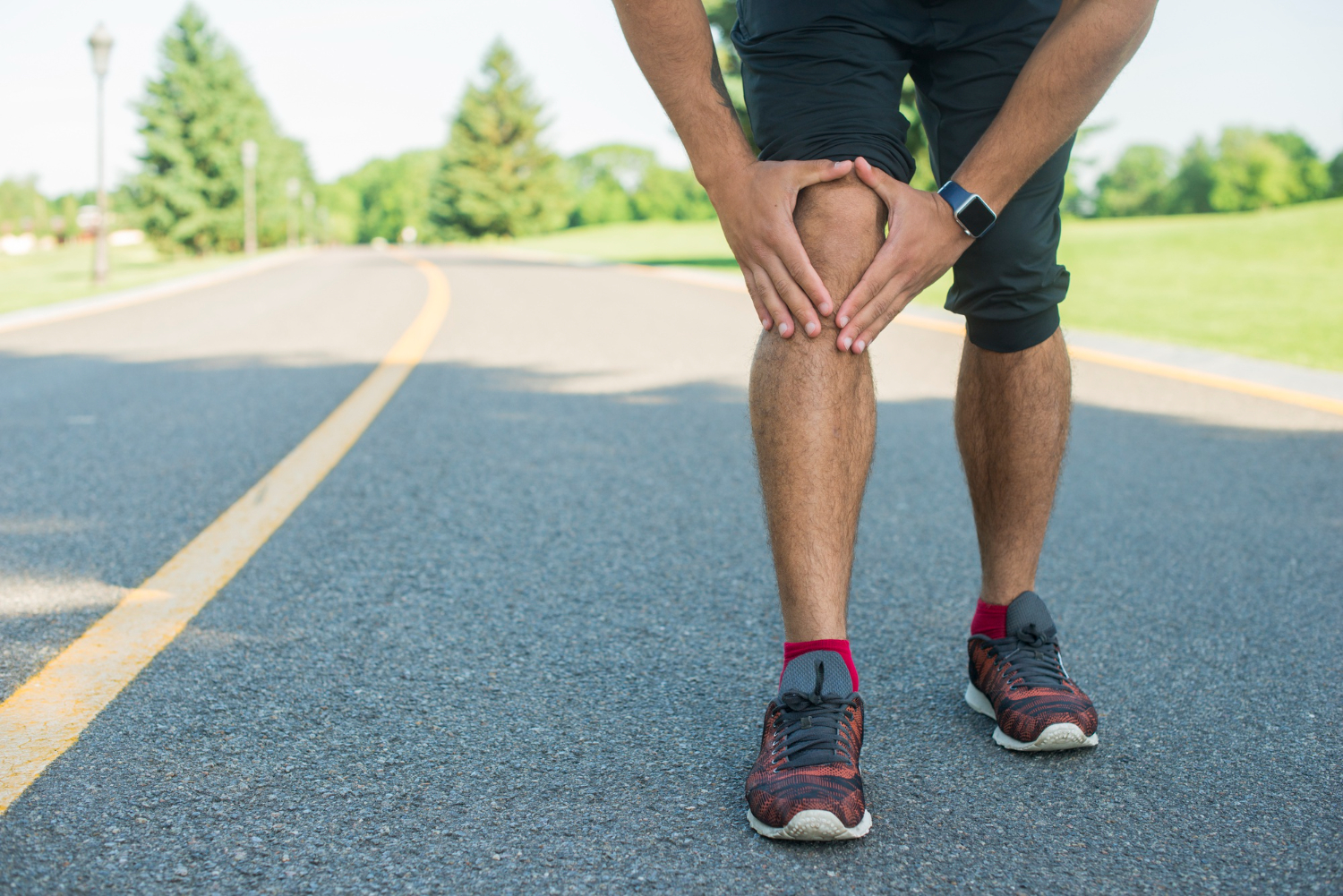
- Locked knee is a condition where the knee joint becomes stuck in a bent position, and is unable to straighten out normally.
- Before attempting to treat the knee at home, it is important to consult with a medical professional to ensure that no further damage or serious injury has occurred.
- A physical therapist can design a personalized program of exercises and treatments to help strengthen the knee and improve range of motion.
Living with a locked knee is an uncomfortable and often painful experience. It can limit your mobility and range of motion, making it difficult to perform everyday tasks. Fortunately, there are some steps you can take to treat a locked knee at home. This article will provide an overview of how to treat a locked knee with home remedies, as well as when it is necessary to seek medical attention.
What is locked knee?
Locked knee is a condition where the knee joint becomes stuck in a bent position, and is unable to straighten out normally. It is caused by damage to the knee joint, such as a dislocation or fracture. Symptoms can include pain, swelling, warmth, and a feeling of instability in the knee. Treatment for locked knee includes physical therapy, medications, and in some cases, surgery.
Related Stories
 Drinking ‘zero’ Soft Drinks is a More Expensive Way to Drink Tap Water
 How To Spot The Best CBD Oil?
How Do You Treat Locked Knee at Home?
- Rest: Resting the knee is the best way to treat a locked knee. Resting allows the knee to heal and can help prevent further injury. Avoid activities that put a strain on the knee, such as running or jumping.
- Ice: Apply an ice pack to the knee several times a day to reduce inflammation and pain. Wrap a towel around the ice pack to avoid direct contact with the skin.
- Compression: Wear a knee brace or wrap to provide compression and support to the knee.
- Elevation: Elevate the knee above the level of the heart to reduce swelling and pain.
- Range of Motion Exercises: Perform gentle range-of-motion exercises to keep the knee flexible and prevent stiffness. These exercises should be done slowly and without pain.
- Strengthening Exercises: Strengthen the muscles around the knee to provide support and increase stability.
- Physical Therapy: A physical therapist can design a personalized program of exercises and treatments to help strengthen the knee and improve range of motion.
- Medication: Over-the-counter or prescription medications may be recommended to reduce pain and inflammation.
Bottom Line.
The best treatment for a locked knee at home is to rest, ice, compress, and elevate the affected area. Additionally, use over-the-counter pain relievers to reduce pain and inflammation. Before attempting to treat the knee at home, it is important to consult with a medical professional to ensure that no further damage or serious injury has occurred. With proper rest, care, and guidance, a locked knee can often be resolved without the need for advanced medical interventions.