








































 Workout

 Meditation


 Podcast
 E-book


AT A GLANCE
- This was portrayed by a study conducted in the journal of reproductive medicine that indicated that women who used IVF treatments showed dramatic change in their hair growth patterns and the dominant theory is usually attributed to the hormonal changes on fertility drugs which were induced.
- Emily Brown, a fertility stress psychologist, it is important that during the process of undergoing IVF treatment, a person works out mechanisms of coping with stress in a healthy way.
- In Vitro Fertilization (IVF) refers to an elaborate set of procedures employed in trying to help in the conception of a child.
Stress management is the key to controlling stress levels, and in doing so, hair loss can be avoided. However, during IVF therapy, if an individual does not keep his or her stress under control, it can deprive the scalp of blood flow, leading to hair loss, in fact.
What is IVF and How Does It Work?
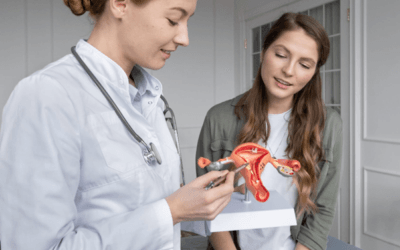
In Vitro Fertilization (IVF) refers to an elaborate set of procedures employed in trying to help in the conception of a child. It entails the removal of eggs, and a sperm sample is obtained; thereafter, an egg and a sperm can be mixed manually in a Petri dish. The embryo/embryos are then inserted in the uterus.
The Connection Between IVF and Hair Loss.
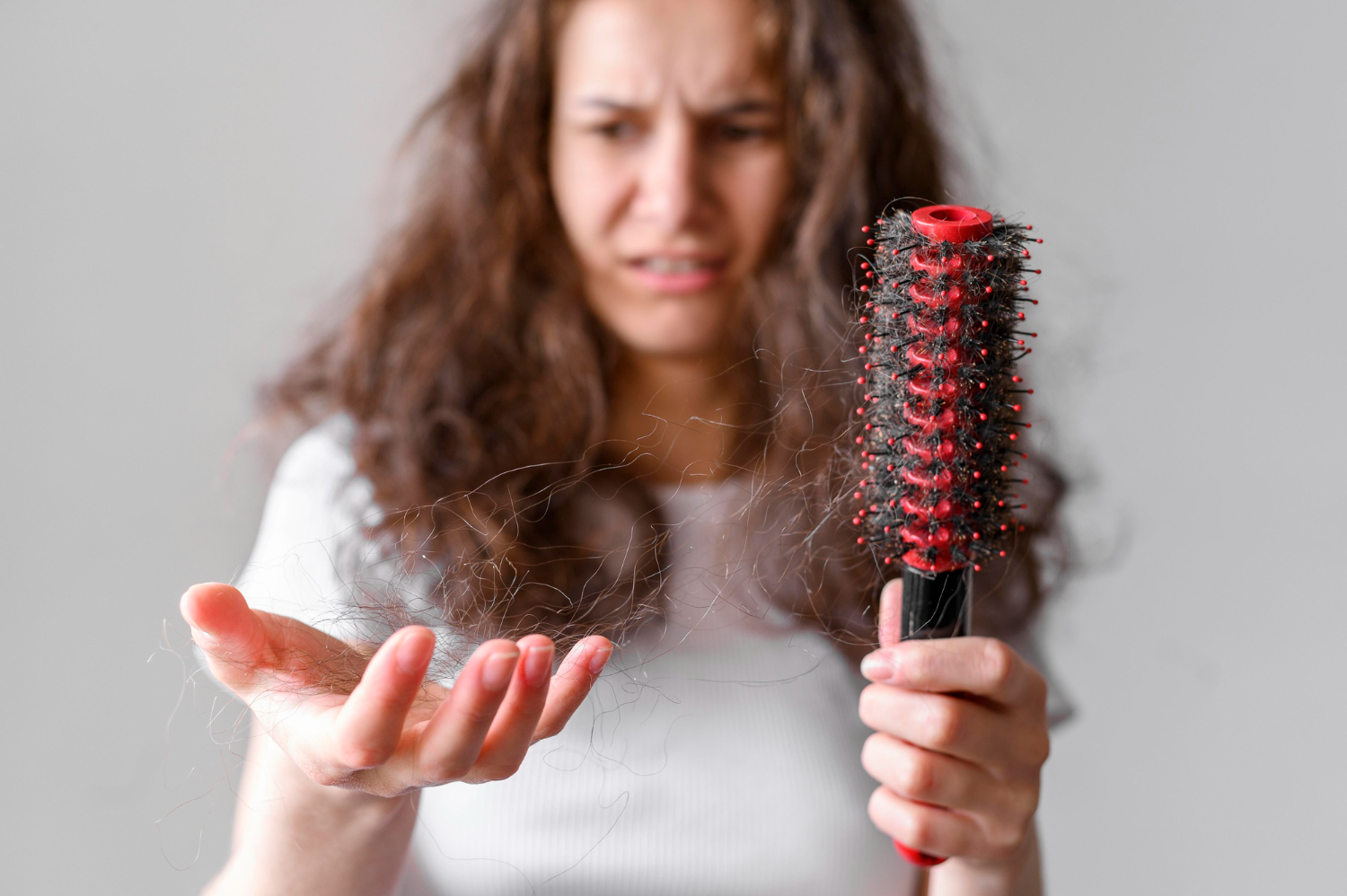
Baldness after IVF is an unpleasant and shocking side effect to most people. This could occur through a number of reasons:
Related Stories
 Can A Wisdom Tooth Cause Ear Pain: 5 Best Home Remedies
 How To Relieve Constipation Naturally : 10 Best Ways
1 Hormonal Changes.
IVF condition entails extensive hormonal alteration. Fertility drugs help boost hormone levels to create eggs by using fertility drugs, which include gonadotropins. Such hormonal changes may affect hair growth rations.
2 Stress.
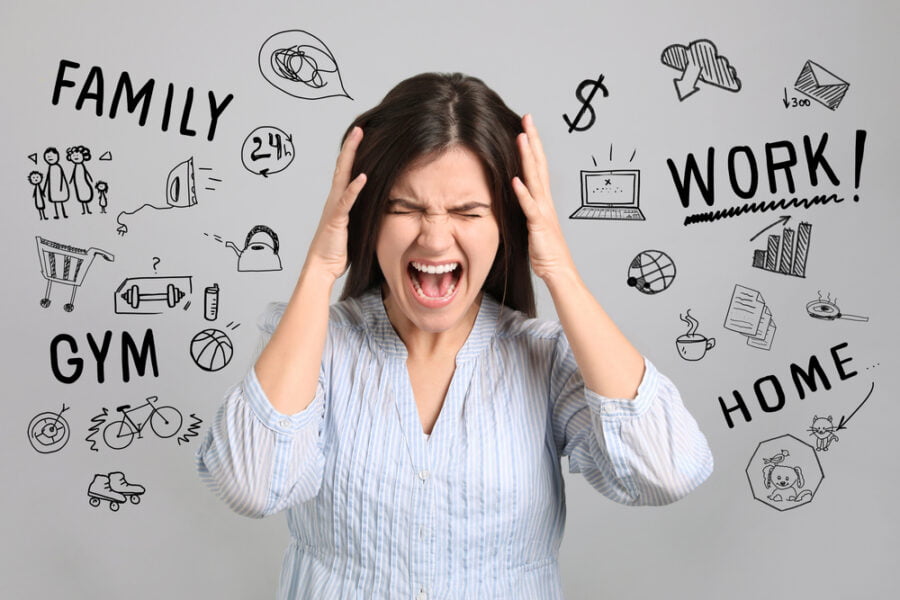
The process of undergoing IVF may be physically and emotionally exhausting. The hair loss may be related to the stress that is involved in the process. Stress has an impact on the general well being of the body and may interfere with the normal cycle of hair growth.
3 Nutritional Deficiencies.

IVF treatments are also known to affect appetite and nutrition input. Others might develop nausea or changes in diet that might result in a shortage of vital vitamins and minerals that form the basis of pupil hair growth.
Scientific Evidence on Hair Loss Post-IVF.
There are a number of studies on the association of the IVF procedures with the hair loss. Studies have shown that changes in hormonal status during and after IVF can have major repercussions to hair.
This was portrayed by a study conducted in the journal of reproductive medicine that indicated that women who used IVF treatments showed dramatic change in their hair growth patterns and the dominant theory is usually attributed to the hormonal changes on fertility drugs which were induced.(1)
Managing Hair Loss After IVF.
Although hair loss may be traumatizing following IVF, it is important to note that there are a few measures that we can incorporate in reducing its effects:
1 Maintain a Balanced Diet.
A good diet, full of important stuff like iron, zinc, and biotin, can help your hair. Foods that include leafy greens, nuts and lean meats are good.
2 Reduce Stress.
The introduction of some stress-relief methods like yoga, meditation, or even breathing exercises should help to contain the level of stress and promote a well-being in general.
According to Dr. Emily Brown, a fertility stress psychologist, it is important that during the process of undergoing IVF treatment, a person works out mechanisms of coping with stress in a healthy way. Quite effective can be such activities as mindfulness meditation.”
3 Use Gentle Hair Care Products.
The use of mild sulfate-free shampoos and conditioners may cut hair breakage and shedding. Care of the hair can also be taken by avoiding over styling hair with heat and also avoiding the use of harsh chemicals in treating the hair.
4 Consult a Dermatologist.
When hair loss is advanced or when it has already persisted, it can be treated by a recommendable flock of personalized options offered by a dermatologist. They may advise topical, supplementation or other topical therapy.
Personal Stories: Real-Life Experiences with Hair Loss After IVF.
Jane’s Story:
After my second IVF cycle my hair had started to rapidly thin. On top of being stressed for the treatments, the hair loss was yet another stress on my mind. My doctor said it’s probably because of the changes in the hormones and suggested to me keep a healthy diet and stress management. And slowly hair flow came back.
Laura’s Experience:
“I never imagined that I would lose so much hair post IVF. It was a shock but the dermatologist told me that it was temporary. I began using mild hair care products and got more meals filled with iron inside. Over time I had results.
Bottom Line.
Losing hair whilst going through IVF may be a surprise and a stress reaction, yet being aware of its reasons and knowing how to deal with them may ease some of the pressure. Eating well, keeping low-stress levels, using mild hair care shampoos and conditioners and not hesitating to approach a professional, are the simple ways to take care of the regrowth of the hair.
+1 Source
Freaktofit has strict sourcing guidelines and relies on peer-reviewed studies, educational research institutes, and medical organizations. We avoid using tertiary references. You can learn more about how we ensure our content is accurate and up-to-date by reading our editorial policy.
- The experience of infertility: A review of recent literature; https://pmc.ncbi.nlm.nih.gov/articles/PMC3383794/