












































 Workout

 Meditation


 Podcast
 E-book



The Fast Facts
- This rhythm is influenced by external elements like light and temperature, which play a crucial role in maintaining a consistent sleep pattern.
- To create an optimal sleep environment, adjusting the thermostat to a comfortable temperature and selecting season-appropriate bedding is essential.
- By implementing a few simple adjustments to your sleep space, you can enhance the quality of your sleep and awaken feeling rejuvenated.

Creating an ideal sleep environment is essential for achieving a good night’s rest. Many individuals encounter difficulties falling asleep or staying asleep due to factors such as noise, light, temperature, and discomfort. However, by implementing a few simple adjustments to your sleep space, you can enhance the quality of your sleep and awaken feeling rejuvenated.
- Understanding Sleep.
- Circadian Rhythm.
- Importance of Quality Sleep.
- Sleep Disorders.
- Effects of Sleep Environment.
- Creating an Ideal Sleep Environment.
- Lighting and Sleep.
- Temperature and Sleep.
- Noise and Sleep.
- Bedding and Mattress.
- Tips for Sleeping with Joint Pain Issues.
- Lifestyle and Sleep.
- Pre-Sleep Routines.
- Physical Activity and Sleep.
- Diet and Sleep.
- Screen Time and Sleep.
- Bottom Line.
Reducing noise levels ranks as a critical factor in establishing an ideal sleep environment. Noise can substantially disrupt sleep, leading to frequent awakenings or difficulties in initiating sleep. To combat unwanted sounds and foster a tranquil atmosphere for sleep, you can utilize earplugs, sound machines, or other noise-canceling devices.
Understanding Sleep.
Below are some of the points where you can learn more about sleep.
Related Stories
 Hydroxychloroquine for COVID-19
 Headache After Massage: Causes and How to Get Rid of It
Circadian Rhythm.
The human body operates on an internal biological clock known as the circadian rhythm, which governs the sleep-wake cycle. This rhythm is influenced by external elements like light and temperature, which play a crucial role in maintaining a consistent sleep pattern. Disruptions to the circadian rhythm, such as shift work or jet lag, can result in sleep disturbances and other health issues.
Importance of Quality Sleep.
Quality sleep is paramount for overall health and well-being. During sleep, the body undergoes tissue repair, enhances the immune system, and consolidates memories. Conversely, poor sleep quality can lead to various health problems, including fatigue, mood swings, and cognitive impairment.
Sleep Disorders.
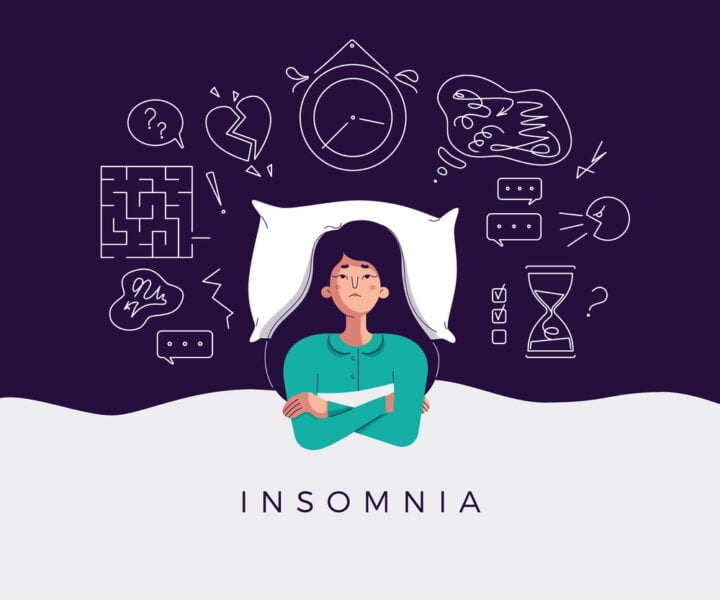
Sleep disorders encompass a range of conditions that hinder the ability to initiate or sustain sleep. Insomnia, characterized by difficulties falling or staying asleep, is the most prevalent sleep disorder. Additional sleep disorders include sleep apnea, restless leg syndrome, and narcolepsy, all of which can substantially affect the quality of life and overall health.
Effects of Sleep Environment.
The sleep environment plays a pivotal role in facilitating healthy sleep. An ideal sleep space should be cool, dark, and quiet, furnished with comfortable bedding and a supportive mattress. Elements such as noise, light, and temperature can disrupt sleep, leading to sleep disturbances. Crafting a comfortable and relaxing sleep environment can significantly enhance sleep quality and overall well-being.
Creating an Ideal Sleep Environment.
Crafting an ideal sleep environment is pivotal for achieving restorative sleep and promoting overall well-being. Here are essential considerations when configuring your optimal sleep space:
Lighting and Sleep.
Light exposure exerts a substantial influence on sleep quality. Exposure to blue light emitted by electronic devices can suppress melatonin production a hormone regulating sleep. To establish an ideal sleep environment, it’s crucial to minimize exposure to artificial light in the evening. This can be accomplished by employing room-darkening window treatments or wearing a sleep mask. Additionally, abstaining from electronics before bedtime or using blue-light-blocking glasses if necessary is advised.
Temperature and Sleep.
Room temperature also impacts sleep quality. While the ideal sleeping temperature varies from person to person, most individuals sleep best in a cool room, typically between 60-67 degrees Fahrenheit. To create an optimal sleep environment, adjusting the thermostat to a comfortable temperature and selecting season-appropriate bedding is essential. Hot sleepers might benefit from utilizing a cooling mattress pad or a bedroom fan.
Noise and Sleep.
Noise disruptions can impede sleep initiation and maintenance. White noise machines or earplugs can be employed to muffle noise and cultivate a serene sleep environment.
Bedding and Mattress.
Bedding and mattress quality significantly influences sleep quality. It’s crucial to opt for a mattress that provides adequate support and comfort. Moreover, selecting bedding suitable for the season can help regulate body temperature and enhance sleep quality. Maintaining regular bedding replacements and considering a new mattress if discomfort persists is important.
Tips for Sleeping with Joint Pain Issues.
Sleeping with joint pain can be a challenging and uncomfortable experience. Whether you’re dealing with arthritis, injuries, or other conditions causing joint discomfort, there are several strategies and tips that can help you get a better night’s sleep; follow these tips to sleep with tennis elbow:
Choose the Right Mattress and Pillow: Invest in mattresses and pillows designed to support joints, such as memory foam or latex options that conform to your body’s shape and alleviate pressure points.
Optimal Sleep Position: Experiment with different sleep positions to minimize pain. For joint discomfort, sleeping on your back with a pillow under your knees or on your side with a pillow between your legs can reduce joint pressure.
Heat and Cold Therapy: Apply heat or cold packs to sore joints before bedtime to reduce inflammation and ease pain. A warm bath or shower can also relax muscles and joints.
Pain Medication: Consult a healthcare provider for advice on over-the-counter or prescription pain relievers that can manage joint pain and enhance sleep comfort. Adhere to recommended dosages.
Supportive Sleep Accessories: Consider using supportive pillows or cushions tailored to specific joint needs. For example, neck pillows can alleviate neck pain, while knee pillows can ease hip or knee discomfort.
Consult a Healthcare Professional: If joint pain persists and continues to disrupt sleep, consult a healthcare professional who can offer further treatments or recommend physical therapy.
Remember that managing joint pain and enhancing sleep quality may require patience and experimentation. What proves effective for one person may differ for another, making it essential to find a combination of strategies tailored to your unique needs. Consult with a healthcare provider for personalized guidance.
Lifestyle and Sleep.
Lifestyle choices wield significant influence over sleep quality. Embracing healthy habits and making informed decisions can elevate your sleep quality and overall well-being. Key lifestyle factors affecting sleep include:
Pre-Sleep Routines.
Establishing a pre-sleep routine can signal to the body that it’s time to wind down for the night. Activities such as taking a warm bath or shower, reading a book, or practicing relaxation techniques like meditation can aid in this process. Avoiding stimulating activities like work or exercise close to bedtime can also prepare the mind for sleep.
Physical Activity and Sleep.
Regular physical activity can enhance both sleep quality and duration. However, it’s vital to avoid exercising too close to bedtime, as it can heighten alertness and hinder sleep initiation. Aim for exercise earlier in the day or during the late afternoon.
Diet and Sleep.
Diet choices significantly impact sleep quality. The consumption of caffeine, alcohol, and nicotine close to bedtime can disrupt sleep, whereas foods containing tryptophan, like turkey and milk, can promote sleep. Maintaining an appropriate level of satiety before bedtime is also important.
Screen Time and Sleep.
The blue light emitted by electronic devices, such as phones and televisions, can interfere with the body’s natural sleep-wake cycle. It’s advisable to abstain from screen time for at least an hour before bed or utilize blue-light-blocking glasses if avoiding screen time proves challenging.
Remember, lifestyle and sleep needs are individualized. Experimentation with different strategies to identify what works best for you is key.
Bottom Line.
Creating an optimal sleep environment is pivotal for achieving better rest. By adhering to the tips provided in this article, individuals can enhance their sleep quality and overall well-being. It’s essential to acknowledge that sleep requirements vary among individuals, necessitating experimentation with various techniques to determine what suits one’s specific needs best.