


















Living in modern times and leading busy lifestyles, people are interested in finding any sources that may help achieve peace and calm and in some ancient traditions with the help of which people can acquire mental clarity and emotional equilibrium. Mrigi Mudra is one such practice which is among the deepest yoga practices as well as a meditation hand gesture. In this article, we are going to consider the meaning, advantages, and methods of Mrigi Mudra with the help of advice given by practitioners with a long period of experience and the research of scientists.
What is Mrigi Mudra?
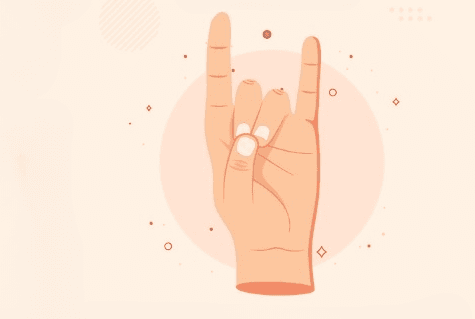
Mrigi or Mrigimudra is also called The Deer Gesture because in Sanskrit, Mriga means a deer, and this mudra conveys the stillness in the stillness of the animal. Mrigi Mudra is the yoga asana, which is the extended arm up with a twisted hand and folded index that stands for being alert, ready to receive, as well as the energy that excites the flow. In the Mrigi Mudra posture, eyes need to overlook the thumb, which symbolizes the main seat of our thoughts while the other fingers lightly touch the rest of the fingers. This practice is believed to focus our attention, energize the body and mind, and heal the heart of any conflict, worry, or anxiety.
Understanding Mudras.
In the same manner, it’s crucial to know what mudras are before going further into the details of Mrigi Mudra. Mudras are symbolic hand gestures used in yoga and meditation to channel energy, and the efficiency of this method has been proven by various studies. From Apan Mudra to Agni, you can select the mudra that harmonizes your energy, thus gaining a substantial influence on your physical and psychological health. Each mudra corresponds to a specific change in the state of energy flow within the body.
The Symbolism of Mrigi Mudra.
Mrigi Mudra is known to represent a deer-like gentleness and lightness. The deer conveys both the qualities of being sensitive and conscious. The vision, the thinness, both sharp and gentle, agile and watchful-enter into the meaning of deer as a symbol. Such traits as:
Related Stories
 Uttarabodhi Mudra: Origin, Benefits, Side Effects And How To Do
 5 Effective Yoga Mudras To Cure Asthma
– Gentleness: The principal thrust of Mrigi Mudra is to inculcate a gentle understanding of your own self, and others.
– Awareness: Like a deer on the alert is aware of the area around it in the same manner Mrigi Mudra generates mindfulness and awareness.
– Calmness: The act of practicing Mrigi Mudra serves as a tool for calming the mind and shrinking the amount of anxiety.
Benefits of Mrigi Mudra.
1. Enhances Concentration.
One of the major pluses of Mrigi Mudra is that it increases the power of focus and concentration. Those who are carrying out any kind of work can immensely push aside the pressure of thought and give undivided attention to whatever they are doing through a peaceful mind.
2. Promotes Relaxation.
Our daily routine can often become stressful and this can lead to anxiety and restlessness. A person who had been doing Mrigi Mudra regularly would have easily and naturally told his body to relax to a state of comfort when practicing it at the moment.
3. Balances Energy Flow.
It is said that mudras have the power to transform the energies that are found in the body. Of the many types of mudras, Mrigi Mudra is one that has its energy in the direction of balancing.

4. Reduces Anxiety and Stress.
One of the best ways to diminish your anxiety is to practice Mrigi Mudra on a regular basis. Diving deep into the pure enjoyment of the breath and the mudra helps in ignoring anxious thoughts and replacing them with thoughts of tranquility thus creating the conditions for a peaceful mind.
5. Fosters Mindfulness.
Reinforcing Mrigi Mudra into your schedule may determine the good sense of awareness in which the meditation practice helps one to be more alert, focused, and attentive. Wherever you practice this mudra has the power to quickly immerse into a meditative state of mind and thus the relaxation benefit is amplified notably by the open sprouting of meditation.
How to Practice Mrigi Mudra?
Step-by-Step Guide.
Practicing Mrigi Mudra is simple and can be done anywhere, whether at home, in the office, or outdoors. Here’s a step-by-step guide to help you get started:
1. Find a Comfortable Position:
Sit in a comfortable position, either cross-legged on the floor or on a chair with your feet flat on the ground. Ensure your back is straight and your shoulders are relaxed.
2. Form the Mudra:
– Place your right hand on your left knee.
– Curl your index finger and middle finger inwards toward your palm.
– Extend your ring finger and little finger outward. This position resembles the graceful stance of a deer.
3. Focus on Your Breath:
Close your eyes and take deep breaths. Inhale slowly through your nose, allowing your belly to rise, and exhale gently through your mouth. Continue this for 5-10 minutes, allowing your mind to calm.
4. Visualize Calmness:
While holding the mudra, visualize a serene environment, like a quiet forest where deer roam freely. This imagery can enhance the calming effect.
5. Conclude the Practice:
Open your eyes gently and bring your mind back to the current moment. Take a few minutes to notice the changes in your mood before you embark on the regular activities of the day again.
Tips for Effective Practice.
– Do It Regularly: Everybody who practices Mrigi Mudra every day will benefit from it the most. Even a couple of minutes each day can bring about a significant change.
– Make a Quiet Environment: Choose a silent place where there are no disruptions. You might want to listen to soft music or make use of aromatherapy that can help you relax while experiencing mudra.
– Do Along Meditation: Integrate Mrigi Mudra into your meditation practice for extra concentration and calm.
Scientific Evidence Supporting the Benefits of Mrigi Mudra.
Studies on the effects of mudras, including Mrigi Mudra, have been on the rise lately. It is shown that engaging in gestures with your hands can have the effect of not only maintaining mental health but also of improving it.
The Neuroscience of Mudras.
A certain research paper that can be found in the Journal of Evidence-Based Complementary & Alternative Medicine focused on the brain stimulation caused by mudras. The scientists who did the study stated that performing mudras kindles only those areas of the brain that are connected to relaxation and concentration.(1)

Stress Reduction Studies.
One of the most essential studies examined the favorable results of cognitive-behavioral techniques on patients and the role of teaching of practical life skills such as relaxation as a way of stress reducing. This research had a significant contribution to the development of stress education and anxiety management at home and work as well.
Expert Interviews on Mrigi Mudra.
In order to acquire the in-depth information on the Mrigi Mudra practice, we had transitioned the levels where two long-time connoisseurs operate.
Interview with Dr. Ravi Kumar.
Q: How can Mrigi Mudra be integrated into daily life?
Dr. Kumar: “Mrigi Mudra can go hand in hand with your regular activities. You can perform it during the leisure of your office hours, when you are traveling, also at night before going to bed. But ensuring that you have some secluded time, to unite with the mudra and to breathe is the most vital part.”
Q: What advice would you give to beginners?
Dr. Kumar: “Setting a moderate pace for commencing is suggested to the novices. Even a minute is quite enough to start with. When you start feeling more and more flexible, you can gradually increase the period.”
Interview with Tara Mehta.
Q: What transformations have you seen in your students after practicing Mrigi Mudra?
Tara Mehta: “Most of my students have been noticeably more relaxed and less anxious, and have rediscovered better focus and concentration. Their peace of mind is a joy to watch unfold.”
Q: How do you encourage individuals to maintain consistency in practice?
Tara Mehta: “I tell them to set an alarm and fix a particular time of day to form a habit. Another way to be consistent is to join the mudra exercise with a daily activity such as morning coffee or relaxing in the evenings.”
Bottom Line.
The regular application of Mrigi Mudra in your daily life paves the way for the most profound alterations in cognitive and emotional wellness. Through a regime of magnetization, also calmness, and the meditation technique of reminding oneself who they are, make the road to inner peace very accessible. The Mrigi Mudra is sure to offer this age as the practice’s timeless quality directly aligns with the contemporary lifestyle of all individuals from a beginner in yoga to an expert.
+1 Source
Freaktofit has strict sourcing guidelines and relies on peer-reviewed studies, educational research institutes, and medical organizations. We avoid using tertiary references. You can learn more about how we ensure our content is accurate and up-to-date by reading our editorial policy.
- Yoga as an Alternative and Complementary Treatment for Hypertensive Patients: A Systematic Review; https://journals.sagepub.com/doi/full/10.1177/2156587212452144