



































 latihan

 meditasi


 podifikasi
 buku elektronik


Fakta-fakta cepat
- The chart highlights the effects of aerobic, resistance, and combined training on key fitness factors, showing stronger benefits of aerobic exercise for fat loss and resistance training for muscle gain and strength, while combined training delivers the most balanced improvements across all areas, including endurance (Willis et al.
- This is the dream that many people walk into the gym with, and it’s a goal to be able to change their bodies in the quickest way possible.
- Although metabolism is a continuous balance between catabolic (breaking down) and anabolic (building up) processes, achieving fat loss and muscle gain simultaneously is not as straightforward as it sounds.
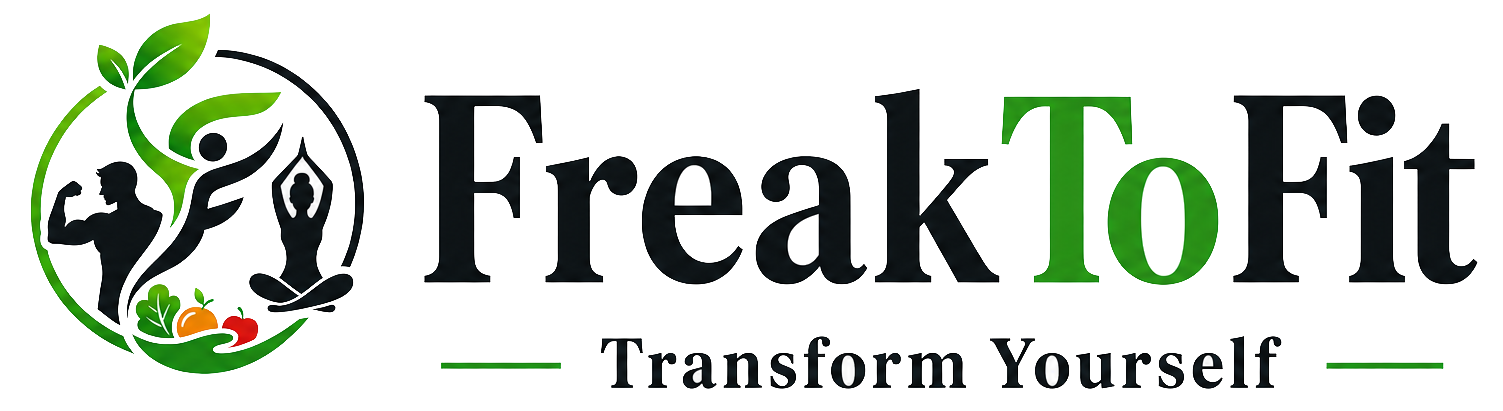
The Holy Grail of the fitness industry has always been gaining muscle. This is the dream that many people walk into the gym with, and it’s a goal to be able to change their bodies in the quickest way possible. But can you actually attain both with aerobic and anaerobic exercise?
We will explain the science behind fat loss and muscle gain, how to incorporate both aerobic and anaerobic exercise, and share some tips and tricks for achieving optimal results.
Is It Possible to Lose Fat and Gain Muscle at the Same Time?
Although metabolism is a continuous balance between catabolic (breaking down) and anabolic (building up) processes, achieving fat loss and muscle gain simultaneously is not as straightforward as it sounds.(1)
Cerita terkait
 Manfaat luar biasa dan efek samping dari lompat tali
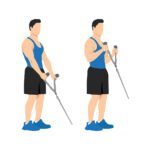 Cable Hammer Curl: Manfaat dan Langkah
To:
- Lose fat → you need a caloric deficit.
- Gain muscle → you need a caloric surplus.
These two processes directly conflict with each other.
When Can It Actually Happen?
There are a few specific situations where body recomposition is possible:
- Beginners who are new to strength training.
- Overweight or obese individuals.
- People with high insulin resistance.
- Individuals returning after a long training break.
In these cases, the body is highly responsive to training stimuli, allowing:

- Fat loss due to improved metabolism
- Muscle gain due to new stimulus
However, for trained individuals, progress usually becomes goal-specific, meaning you either focus on fat loss or muscle gain at a time.
What Is Concurrent Training?
The combination of aerobic and anaerobic exercise is known as concurrent training.(2)

- Aerobic exercise: Running, cycling, walking, swimming.
- Anaerobic exercise: Weight training, HIIT, resistance workouts.
Programs like CrossFit are popular examples of concurrent training.
However, combining both effectively requires careful planning due to something called the interference effect.
Understanding the Interference Effect.
The interference effect refers to how excessive aerobic training can reduce strength and muscle gains.(3)
Why this happens:
- kesabaran training activates pathways that may limit muscle penumbuhan
- Excess cardio can lead to fatigue, reducing strength performance
This doesn’t mean cardio is bad — it just needs to be strategically planned.
How to Combine Aerobic and Anaerobic Exercise Properly.
1 Separate Your Training Sessions.
- Ideally, do cardio and strength training on different days.
- If done on the same day:
- Do strength training first.
- Then cardio afterward.
2 Adjust Based on Your Goal.
Fat Loss Focus:
- Prioritize:
- Strength training (3–5x/week)
- Moderate cardio (2–4x/week)
- mempertahankan calorie deficit
Muscle Gain Focus:
- Prioritize:
- Strength training (4–6x/week)
- Limit cardio to:
- Light sessions (walking, low-intensity cardio)
Best Aerobic Exercises for Fat Loss.
Latihan aerobik helps increase calorie expenditure and improve cardiovascular health.
Top options:
- jalan cepat.
- joging.
- bersepeda.
- berenang.
- Stair climbing.
Low-Intensity Steady State (LISS).
- Long duration (30–60 minutes)
- Burns fat efficiently
- Less muscle loss risk
High-Intensity Interval Training (HIIT).
- Short bursts of intense activity
- Burns calories quickly
- Increases metabolism post-workout
Best Anaerobic Exercises for Muscle Gain.
Strength training is essential for preserving and building muscle.
Key exercises:
- Squat.
- deadlift.
- bench press.
- pull-up.
- lunge.
Why Strength Training Matters?
- Builds muscle mass
- Increases resting metabolism
- Helps maintain muscle during fat loss
Sample Weekly Training Plan.
Balanced Fat Loss + Muscle Maintenance Plan.
Hari 1: Upper body strength.
Hari 2: Cardio (HIIT or LISS).
Hari 3: Lower body strength.
Day 4: Rest or light activity.
Hari 5: Full body strength.
Hari 6: Cardio (walking/cycling).
Hari 7: Istirahat.
Nutrition: The Missing Piece.
Exercise alone is not enough. Nutrition plays a crucial role.
For Fat Loss.
- Calorie deficit (300–500 kcal).
- asupan protein tinggi.
- Moderate carbs and fats.
For Muscle Gain.
- Slight calorie surplus.
- Protein-rich diet.
- Adequate carbohydrates.
asupan protein.
Aim for:
- 1.6–2.2 g per kg body weight.
This helps:
- perbaikan otot.
- Muscle growth.
- Fat loss retention.
Importance of Recovery.
Recovery is often overlooked but extremely important.
Key Recovery Factors.
- Sleep (7–9 hours per night).
- hari istirahat.
- hidrasi.
- manajemen stres.
Without proper recovery:
- Muscle growth slows.
- Fat loss becomes harder.
- Risk of injury increases.
kesalahan umum yang harus dihindari.
Doing Too Much Cardio.
- Leads to muscle loss.
- Causes fatigue.
Not Lifting Weights.
- Results in “skinny fat” physique.
Eating Too Little.
- Slows metabolism.
- Prevents muscle growth.
Inconsistency.
- No results without consistency.
Advanced Strategy: Body Recomposition.
Body recomposition is a more advanced approach where you:
- Cycle calories.
- Adjust macros.
- Alternate between phases.
Example:
- High-calorie days (muscle focus).
- Low-calorie days (fat loss focus).
This method:
- Requires discipline.
- Takes longer.
- Needs proper tracking.
Who Should Focus on Recomposition?
- pemula.
- Overweight individuals.
- People returning after a break.
For others:
- Traditional bulking & cutting is more effective.
Mental Approach: Stay Realistic.
Fitness is a long-term journey.
- Fat loss takes time.
- Muscle gain is slow.
- Progress is not linear.
Focus on:
- konsistensi.
- Progress tracking.
- kebiasaan yang berkelanjutan.
pemikiran akhir.
Losing fat and gaining muscle at the same time is possible—but only in specific situations. For most people, it’s better to prioritize one goal at a time.
sang Kunci sukses lies in:
- Smart training (aerobic + anaerobic balance).
- Nutrisi yang tepat.
- Adequate recovery.
- konsistensi.
By combining these elements, you can build a strong, lean, and healthy body over time.
You don’t need extreme workouts or crash diets to transform your body. A balanced approach that combines strength training, cardio, and proper nutrition will always give the best long-term results.
Stay patient, stay consistent, and trust the process.
+3 Sumber
FreaktoFit memiliki pedoman pengadaan yang ketat dan bergantung pada studi peer-review, lembaga penelitian pendidikan, dan organisasi medis. Kami menghindari penggunaan referensi tersier. Anda dapat mempelajari lebih lanjut tentang bagaimana kami memastikan konten kami akurat dan terkini dengan membaca Kebijakan Editorial.
- Effects of aerobic and/or resistance training on body mass and fat mass in overweight or obese adults; https://pmc.ncbi.nlm.nih.gov/articles/PMC3544497/
- Two types of exercise may be needed to preserve muscle mass during weight loss; https://www.health.harvard.edu/exercise-and-fitness/two-types-of-exercise-may-be-needed-to-preserve-muscle-mass-during-weight-loss
- Efek pelatihan resistensi dan pelatihan aerobik pada peningkatan komposisi orang dewasa paruh baya dengan obesitas dalam studi intervensi; https://www.nature.com/articles/s41598-025-11076-w