





































 treino

 meditação


 podcast
 e-book


The Fast Facts
- While squat rack shrugs are excellent for targeting the trapezius muscles, incorporating a variety of trap-focused exercises can provide a more comprehensive upper body workout and ensure balanced muscle development.
- Attach a rope or handle to the cable machine and perform face pulls to target the rear traps and upper back muscles.
- With the barbell in your grip, elevate your shoulders as high as possible toward your ears in a controlled manner.

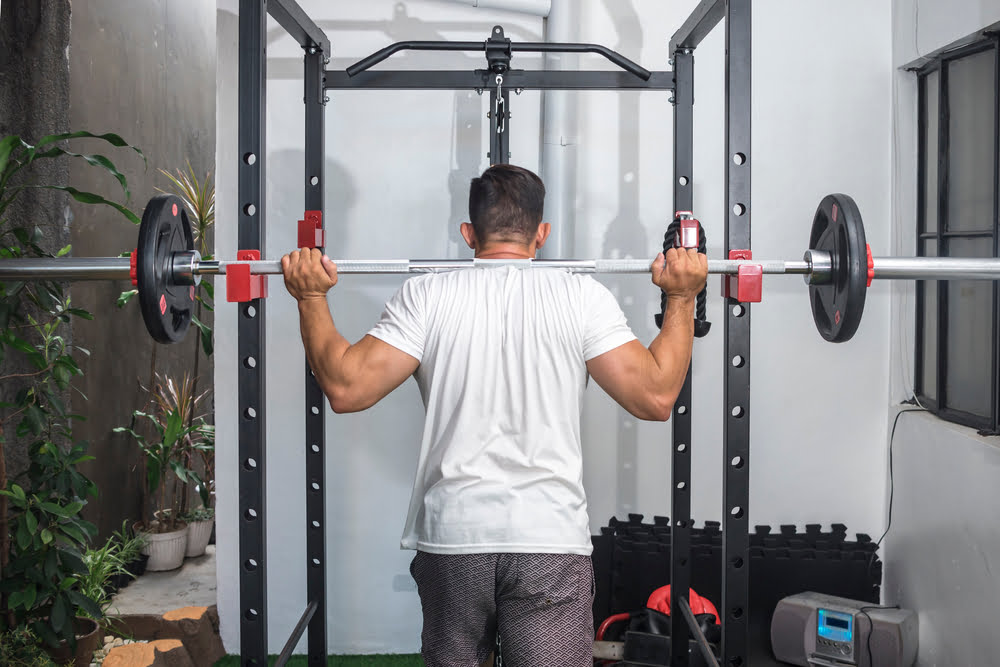
Elevate your upper body workout routine with a unique variation – squat rack shrugs. This exercise effectively targets the trapezius muscles, contributing to improved posture and upper body strength.
1 Set Up: Position the barbell at waist height within the agachar-se rack. Stand facing the rack, feet shoulder-width apart. Grip the barbell slightly wider than shoulder-width, using an overhand grip.
2 Posture: Maintain a neutral spine and engage your medula. Keep your shoulders back and chest up throughout the movement.
Histórias relacionadas
 Treinamento de força de resistência progressiva
 Como voltar a malhar depois de uma longa pausa?
3 Shrug Motion: With the barbell in your grip, elevate your ombros as high as possible toward your ears in a controlled manner. Squeeze your trapezius muscles at the top of the motion.
4 Controlled Lowering: Gradually lower the barbell back down, allowing your trapezius muscles to fully stretch.
5 Repetitions: Aim for 3-4 sets of 10-15 reps, adjusting the weight as needed for your condição nível.
6 Breathing: Inhale as you lower the barbell and exhale as you perform the shrug motion.
Incorporate squat rack or smith machine shrugs into your parte superior do corpo routine to develop a strong and defined upper back while also enhancing your overall posture. Remember to start with a manageable weight and focus on proper form for optimal results.
Common Mistakes to Avoid with Squat Rack Shrugs.
When performing squat rack shrugs, it’s crucial to execute the exercise correctly to maximize its benefits and prevent injury. Here are common mistakes to steer clear of:
1 Using Momentum: Jerking the barbell or using momentum to lift the weight undermines the effectiveness of the exercer. Focus on controlled, deliberate movements.
2 Rounded Shoulders: Allowing your shoulders to hunch forward during shrugs can strain your neck and diminish the impact on your trapezius. Keep your shoulders back and down.
3 Overarching the Neck: Avoid lifting the weight using your neck. The emphasis should be on the trapezius muscles.
4 Excessive Weight: Using too much weight compromises form and increases the risk of injury. Prioritize proper technique over heavy loads.
5 Neglecting Full Range: Ensure your shrug motion involves a full range of motion – from a relaxed start to a fully contracted top position.
By being mindful of these mistakes, you’ll optimize your squat rack shrugs, enhancing muscle engagement and promoting safer, more effective workouts.
Other Trap Exercises to Complement Squat Rack Shrugs.
ao passo que squat rack shrugs are excellent for targeting the trapezius muscles, incorporating a variety of trap-focused exercises can provide a more comprehensive upper body workout and ensure balanced muscle development.
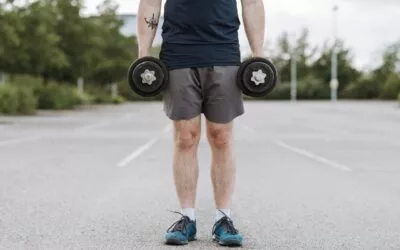
1 Dumbbell Shrugs: Holding a dumbbell in each hand, perform shrugs to engage your traps from different angles and challenge muscle fibers in various ways.
2 Barbell Upright Rows: Using a wider grip on the barbell, lift it towards your chin while keeping your elbows higher than your wrists. This exercise engages the traps along with the shoulders.
3 Face Pulls: Attach a rope or handle to the cable machine and perform face pulls to target the rear traps and upper back muscles.
4 Farmer’s Walks: Holding heavy dumbbells or kettlebells in each hand and walking engages not only the traps but also challenges grip strength and overall stability.
5 Trap Bar Deadlifts: Performing deadlifts with a trap bar (hex bar) engages the traps along with the entire posterior chain.
6 Lateral Raises: While primarily targeting the lateral deltoids, lateral raises also engage the upper traps as stabilizers.
You can also try use you bodyweight on dip bars for reverse shrugs.
Incorporating these exercises alongside your squat rack shrugs can help you achieve a well-rounded and strong upper back. Remember to vary your routine, focus on proper form, and gradually increase weights for optimal muscle growth and development.
In Conclusion: Elevate Your Upper Body with Squat Rack Shrugs.
Squat rack shrugs offer a powerful way to enhance your upper body strength and posture. By focusing on proper form and avoiding common mistakes, you can optimize the benefits of this exercise. However, remember that an effective workout routine is about variety. While shrugs on an Amazon squat rack target the trapezius muscles, incorporating a range of other trap-focused exercises helps ensure a balanced and well-developed upper back.
From dumbbell shrugs to face pulls and more, each exercise adds a unique dimension to your muscle engagement. By weaving these exercises into your regimen, you’ll build a stronger, more impressive upper body while reaping the rewards of a well-rounded fitness journey. So, whether you’re aiming to increase strength, improve aesthetics, or enhance functional movement, squat rack shrugs and their counterparts offer an essential toolkit for your upper body workout arsenal.