












































 treino

 meditação


 podcast
 e-book


The Fast Facts
- Despite a number of advances in the treatment of infections and a better understanding of its path physiology, the mortality and morbidity rates from septicemia are high.
- The variability in metabolic and physiological response is relied partly to the patient’s age, previous health status, pre-existing disease, previous stress, site of infection and the infective agent.
- In the pre-operative and post injury period, such a response is often occurs from secondary to severe pneumonia, abdominal infection or wound infection.

Antes de entrarmos em profundidade primeiro, vamos ver o que é sepse? A sepse é definida como a presença de uma infecção devido a um organismo identificável. As bactérias e suas toxinas levam a uma forte reação provocativa. Vírus, fungos e parasitas também causam infecção e inflamação por sepse. Hoje, falaremos sobre o gerenciamento da sepse. O sistêmico…
The Systemic Inflammatory Response Syndrome (SIRS) is the term used to describe the inflammation that occurs in infections, burns, multiple trauma, shock and organ injury. The inflammation is usually present in areas much away from the primary site of injury and affects healthy tissues.
Association Between Sepsis and SIRS.
The association between the terms sepsis and SIRS can be better understood by the diagnostic criteria. SIRS commonly leads to development of Multiple Organ Dysfunction Syndrome (MODS). It generally begins with lung failure followed by failure of the liver, intestines and kidney.
Histórias relacionadas
 Dieta hiperbólica - uma dieta mágica para perda de peso
 Calculadora de calorias Qdoba – construa sua refeição de forma inteligente
Multiple hypothesis have been proposed to explain the development of SIRS or MODS. The progression of SIRS to MODS appears to be mediated by excessive production of pro-inflammatory cytokines and other mediators of inflammation. According to the “gut hypothesis” disruption of the gut barrier function results in translocation of enteric bacteria into the mesentery lymph nodes, liver and other organs.
Despite a number of advances in the treatment of infections and a better understanding of its path physiology, the mortality and morbidity rates from septicemia are high. Unlike elective surgery and trauma, the response patterns following major infection are unpredictable.
The variability in metabolic and physiological response is relied partly to the patient’s age, previous health status, pre-existing disease, previous tensão, site of infection and the infective agent. Moreover, the organ system failure may mask the manifestation of systemic infection. Based on cardiac output. Two physiological responses have been described:-
The first is characterized by an increased cardiac output and high systemic perfusion. The second response is characterized by cardiac decomposition, inadequate tissue perfusion and acidosis and is described as low flow sepsis.
Both these responses reflect the body’s reaction to systemic infection and are modified by the underlying disease and physiologic reserves of the patient. The invasion of the body by infective agents initiates host responses. There is mobilization of phagocytes and inflammation at the local site. As the infection progresses, fever, tachycardia and other responses occur.
What is early goal-directed therapy in the management of sepsis?
The early goal-directed therapy is a therapy used for severe sepsis and septic shock in intensive care unit. This therapy indulged in the adjustments of cardiac preload, afterload and contractility to balance the oxygen deliver with oxygen demand.
Systemic Metabolic Responses.
Many of the metabolic responses to infection are similar to those following injury. The key changes includes:
Hyper Metabolism.
Oxygen consumption is elevated in the infected patient. It may be 50-60% higher than normal and is related to the severity of the infection (PaCO, of < 32 mmHg-hyperventilation). In the pre-operative and post injury period, such a response is often occurs from secondary to severe pneumonia, abdominal infection or wound infection.
Increased metabolismo is related to fever being 10-13% for every 1°C elevation in temperature. The metabolic rate returns to normal as the infection resolves.
Metabolismo alterado da glicose.
Blood glucose levels are generally elevated in the infected patient but plasma insulin levels are normal or even higher in previously healthy patients who develop infection.
Increased glucose production in infected patients is in addition to the increased gliconeogênese. Glucose metabolism following infection is, however, complex as hypoglycaemia and it diminished hepatic glucose production which has been seen in patients.
Metabolismo de proteínas alterados.
There is increased proteolysis and nitrogen excretion resulting in negative nitrogen balance following an infection. Amino acids flow horn skeletal muscle is accelerated in patients with sepsis.
Metabolismo alterado da gordura.
Fat is the major fuel oxidized in infected patients. If nutrition support is inadequate, the peripheral fat stores are mobilized. Increase in the sympathetic nervous system activity mediates the increase in lipolysis.
Changes in Trace Minerals.
Changes in the balance of magnesium, phosphate, zinc and potassium follows alterations in nitrogen balance. Iron and zinc level in the blood are decreased. This is not only due to body losses of these minerals but due to accumulation within the liver as a part of the lost defence mechanism.
| Leia agora: Síndrome de Reye: sintomas, causas e prevenção. |
Catabolic Responses.
Hormonal responses during the hyper metabolic phase of infection are same as in case of injury. Serum cortisol levels are elevated, glycogen is incurred and insulin levels may be normal or higher. The levels of catecolamina, growth hormone, antidiuretic hormone (ADH) and aldosterone are also elevated. The growth hormone level remains elevated during convalescence, to promote anabolism.
Interleukin-1 is an endogenously produced pyrogen which produces fever and has direct effects on the liver; it promotes hepatic repletion of zinc and iron, increases plasma copper levels and stimulates hepatic synthesis of plasma amino acids.
The metabolic and hormonal changes discussed above can result in reversible or irreversible alteration in the structure and/or function of one or more organs over a period of time. This is often stated as multiple system organ failure.
Multiple Organ Dysfunction Syndrome (MODS).
Failure of essential organs is the most severe complication of sepsis and may result in death. Therefore, the treatment of systemic infection consists of use of antibiotics, support of cardiovascular and respiratory function, supportive therapy of specific organs and vigorous nutrition support.
Septic shock may lead to a decrease in peripheral resistance and cause pulmonary insufficiency. Patients often require ventilator support. Inadequate cardiac output may lead to impairment and malfunction of the kidney.
The resulting uremia superimposed on the sepsis further impairs the hyper catabolic infected host. Sepsis causes marked changes in the structure/ function of gastrointestinal tract and may lead to stress úlceras and bleeding.
Septicemia also commonly leads to hepatic dysfunction causing jaundice, hyperbilirubinemia and liver failure. Multi-system organ failure or MODS is associated with a high incidence of death.
Dietary Management of Sepsis and MODS.
Patients suffering from sepsis and/or resultant multiple system organ dysfunction are critically ill and admitted in the intensive care unit of the hospital. They usually have an impaired immune function and compromised cardiopulmonary functional capacity.
Such patients may also have reduced functional and regulatory capacities of renal and/or gastrointestinal tract and impaired immune function along with compromised cardiopulmonary function capacity.
They generally have altered blood/ urine indices (abnormal serum albumin) and are hyper metabolic.
o Urine Urea Nitrogen (UUN) excretion in grams per day has been used to evaluate the degree of hyper metabolism. The UUN can be used to interpret the level of hyper metabolism as follows:
Urine Urea Nitrogen.
≤ 5 gm/24 hrs = No stress.
5 to 10 gm/24 hrs = Mild hyper metabolism or level 1 stress.
10 to 15 gm/24 hrs = Moderate hyper metabolism or level 2 stress.
< 15 gm/24 hrs = Severe hyper metabolism or level 3 stress.
Meeting the nutritional requirements of such patients can be a challenging issue as they suffer from not one but several metabolic physiological abnormalities. For example a diabetic patient may be suffering from urinary tract infection and end stage renal disease, wherein the dietary management of one may be contradictory for the other form of illness.
Further, these patients may be on life-support system (such as ventilator, catheters and dialysis) and oral intake may not be feasible. Multiple abnormalities may appear in the metabolism of energy, protein, carbohydrates, fat and several vitamins minerals.
While meeting the nutrient requirements may not be always feasible; our endeavour should be to help the patient in maintaining a good nutritional status and prevent the progression of the disease.
Sepsis Management Guidelines.
It is important to remember here that the nutritional care process undergoes several modifications over a small period of time and may require immediate implementation. However, the major/broad objectives of nutritional care are:
- To minimize the development of nutrient imbalance.
- Maintain fluid and electrolyte homeostasis.
- To promote energy equilibrium.
- Help in achieving and maintaining normal/ safe levels of all macro and micro-nutrients.
The nutrition care plan for meeting the above mentioned objectives can come into play only when the patient is haemodynamically stable.
It is important to note that over-enthusiastic feeding of the patient would only worsen his disease condition. Patients suffering from sepsis and / or MODS should not be expected to gain weight of body mass or strength until the source of hyper metabolism is treated.
So, let us discuss in detail about sepsis diet.
energia.
Patients suffering from septicemia with or without MODS are generally hyper metabolic which results in weight loss. Critically ill patients are generally able to tolerate around 25-30 Kcals per kg usual body weight.
Although adequate energy is essential for metabolic and stressed patients. However, excess calories intake may elicit complications such as hyper-glycaemia, excess carbon-dioxide production, which can exacerbate respiratory insufficiency or prolong weaning from mechanical ventilator.
Whatever may be the amount of calories given to the patient, our objective should be to maintain blood glucose levels ≤100 mg/dl, if required by the help of insulin.
Proper choice of enteral parenteral tube feeds along with insulin infusion is advocated. A combination of two or three types of feed formulas may be required to meet the individualistic requirements of a patient. However, in isolated cases if oral intake is feasible; it is usually in the form of full-fluid semi-liquid diets (mild sepsis/ MODS).
proteína.
Adequate amount of protein is required to improve immunity against infections, promote recovery, spare lean body mass and reduce the amount of endogenous protein catabolism for glyconeogenesis. The requirements may vary from 0.8 gm to 2.0 gm per kg of usual body weight per day.

During mild sepsis with adequate organ function, the protein intake can be maintained at 0.8 gm/kg usual body weight per day. Intact protein or protein rich foods can be included in the form of enteral tube feeds or as liquid or semi-soft diets.
However, the patient who is having complications particularly of liver or kidneys, it is advisable to give specific amino-acids according to the underlying disease condition.
Carbohydrates and Fat.
Carbohydrates should constitute nearly 60% to 70% of the total energy. Glucose is the primary calorie substrate in a parenteral and nutrition formulation. Parenteral nutrição should be initiated with a low dextrose infusion rate.
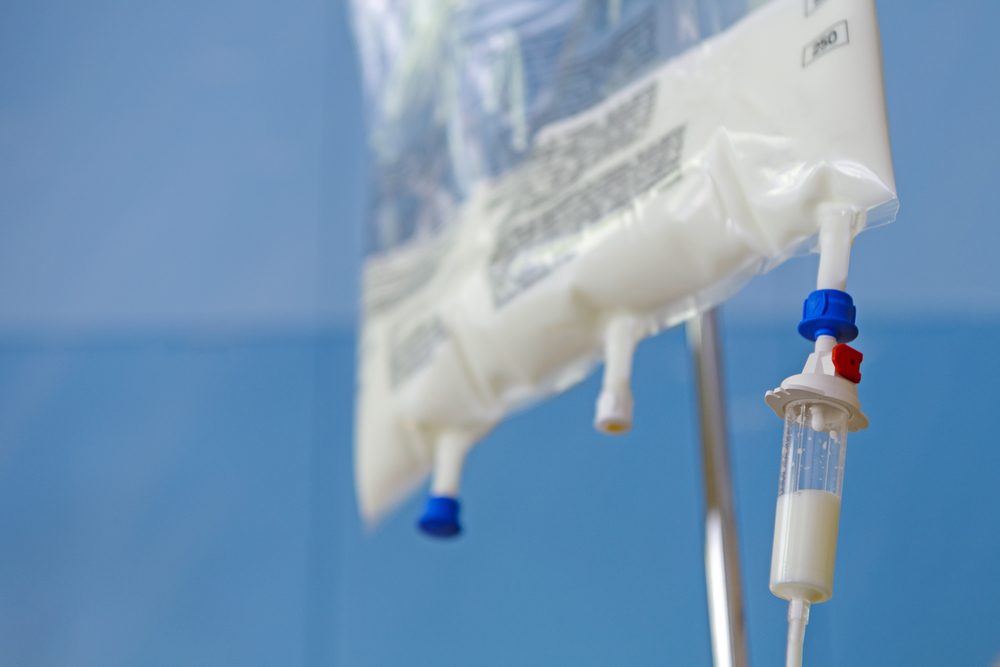
Fats may provide 15% to 40% of the total calories depending on the underlying complications. Fat helps in preventing the deficiency in the presence of hyperglycemia. However, intravenous fat emulsions may create problems in patients having severe infection, liver or gall bladder disorders.
Micronutrients.
The requirement of almost all vitamins and certain mineral increases due to infection and inflammation. In the absence of underlying complications adequate intake of all minerals and trace-elements like iron, calcium, zinc, sodium, potassium and magnesium is suggested.
However, if the patient is suffering from complications of liver, kidney or edema then the sodium and potassium intake should be regulated. Liberal amounts of foods rich in B-group vitamins, vitamin A and C should be included in the diet. Adequate amount of fluids should also prevent complications arising due to dehydration or hypovolemia.
| Leia agora: 15 benefícios incríveis da clorofila para a saúde. |
Other Feeding Considerations/Nutrition Support.
The preferred route for feeding the patient should be oral intake via the utilization of gastrointestinal tract. If oral intake is feasible, natural foods may be given in the form of semi-soft full-fluid diets. However, if oral intake is not possible then we should opt for enteral feedings which can be prepared from natural foods (absence of MODS/ complications).
Commercially available foods (intact, hydrolyzed or semi-hydrolized formulas) parenteral nutrition should provided if other forms of feedings cannot be possible.
Therefore, the dietary management of septic patients, especially those suffering from MODS is complex and needs to be altered after every few hours depending on the clinical parameters which are analyzed at least 24 hourly.
Perguntas frequentes.
If a person suffers from severe sepsis then he/she may die within 12 hours.
linha de fundo.
Sepsis is one of the life threatening conditions which occur in the presence of infection. Bacteria or viruses are the main reason for this disease.
It altered many metabolisms in the body. Due to hormonal changes in the body it slowly lead to multiple dysfunction of organs in the body.
Therefore, the patient those who are suffering from sepsis are critically ill patient and need to look after very cautiously. According to the patient’s condition a proper diet consisting all macro and micronutrients are always recommended.
If the patient is not able to feed orally then feeding needs to be administered. If the patient is able to take food orally then it will be better to give then semi soft full fluid diet.
+3 de fontes
A FreaktoFit tem diretrizes rígidas de sourcing e conta com estudos revisados por pares, institutos de pesquisa educacional e organizações médicas. Evitamos o uso de referências terciárias. Você pode aprender mais sobre como garantimos que nosso conteúdo seja preciso e atualizado, lendo nosso política editorial.