









































 Workout

 Meditation


 Podcast
 E-book


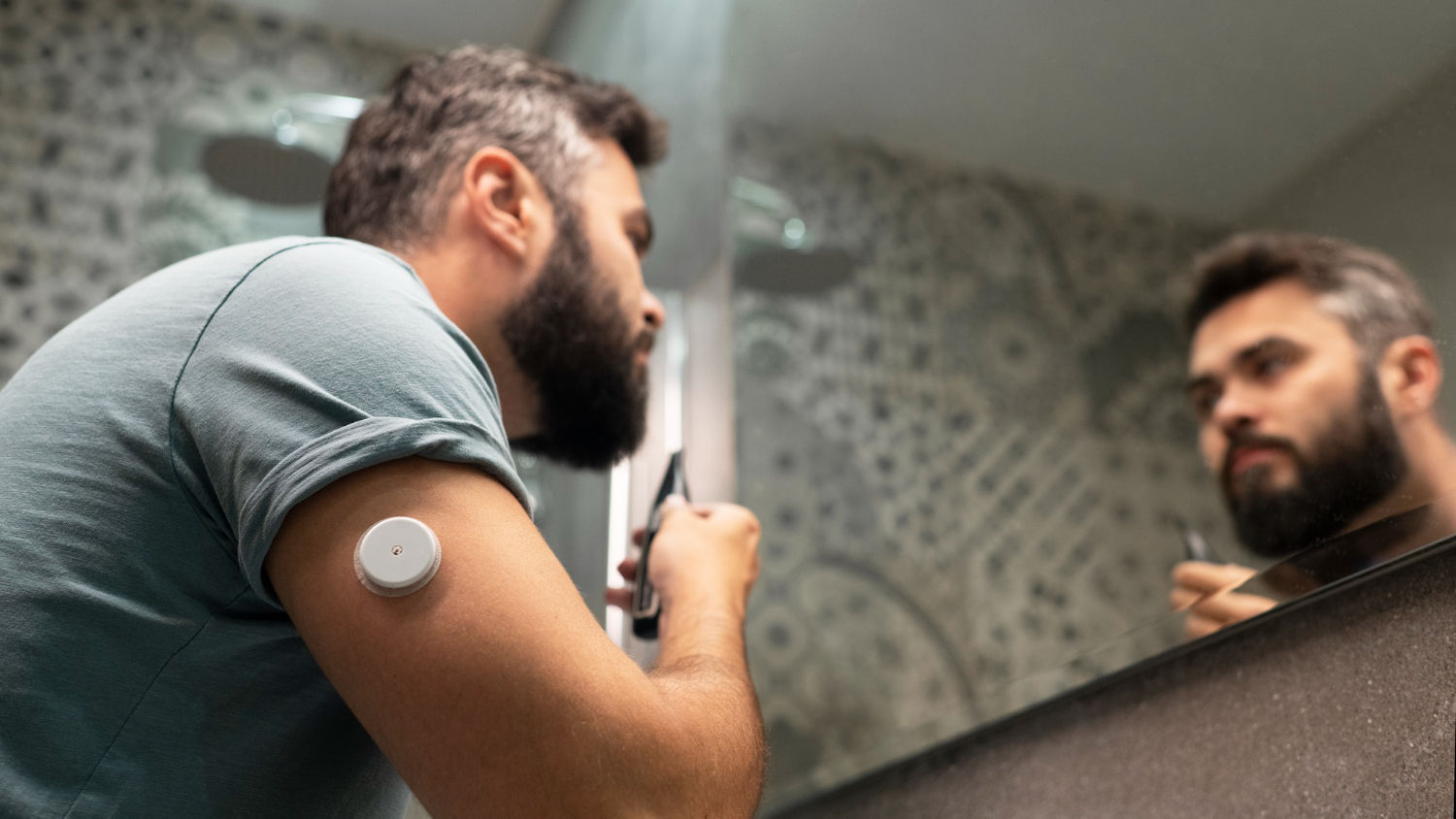
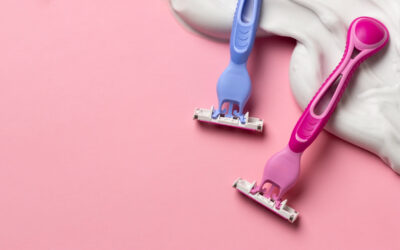
Post-shave depression is a low emotional state that people may face after shaving. These may include moods of sorrow, repentance, or discomfort, which are associated with the event of shaving, particularly the facial or head variety of hair. Despite the fact that it may seem this phenomenon is actually occurring and has a negative impact on mental health. We will cover the different aspects of post-shave depression in this article, including its causes, symptoms, expert opinions, scientific evidence, and ways in which one can deal with it.
What is Post-Shave Depression?
Post-shave depression is a term used to describe the emotional downtrend experienced by an individual following the act of shaving facial or head hair. It is not only about the loss of one’s beard or hair as one can go through having feelings of depression, anxiety, or a sense of loss of/a part of themselves. For most people, the facial or head hair is an important part of their overall look, taking it out can lead to very unpredictable emotional responses.
Causes of Post-Shave Depression.
There can be several reasons for some men to experience a feeling of post-shave depression. By understanding these causes of the feeling, individuals will become more capable to manage their emotions.
1 Identity and Self-Image.
Most of the time, facial hair becomes the person’s core. For example, a beard can illustrate masculinity, maturity, or a unique look. And by taking it off, it makes a person feel as if they have lost a part of them. According to Dr. Emily Harrison, a doctor who focuses on body image, “The action of shaving off facial hair seems like a situation in which one’s identity is put in the hands of someone else, which leads to the feeling of emotional emptiness.”
Related Stories
 The Truth About Vasectomy: Debunking Myths and Exploring Age Limits
 What To Put On Skin After Microneedling : Expert Advice
2 Social Perception.
It is the norms of a society and the approval or disapproval of one’s behavior by social groups play a significant part. A person can have doubts about what others will say or think about their choice due to fear of being judged or receiving non-supportive gestures in return. For example, a man that always has a beard may be scared of how a clean-shaven look will appear to others. This concern might result in a feeling of restlessness that could easily grow into anxiety and thus become a yeast of sorrow.
3 Routine Disruption.
Shaving, especially for those who have maintained a particular style for an extended period, is a kind of life change that in itself makes it difficult to accept the difference. And that’s how they lose the match and are ready for even more trouble. It thus becomes clear that the act of shaving which precisely includes changes necessary for recreating not customary events and unnecessary disruptions are considered very disturbing effects of the new circumstances on our mental health.
Symptoms of Post-Shave Depression.
Clearly identifying the symptoms of post-shave depression is essential to be able to reduce them or get rid of them. Here are such common signs as the following:
- Sadness: A situation where one is not able to control feelings of deep sadness or with no apparent reason.
- Regret: The feeling of thinking that one should not have shaved and had better left the hair or the past and the act of repeating that thought again and again.
- Anxiety: Thinking very much about how he/she looks and whether others approve of the look or not. Also, this makes him/her worried and afraid.
- Discomfort: Psychological and physical sensitivity caused by the change in image that he/she observes after shaving.
- Loss of Confidence: A feeling of doing things well, feeling important, feeling good about how one looks, and having a good opinion of oneself are the things that one will not have after they have lost their control over their usual hair.
| 💡 Expert Opinions on Post-Shave Depression. Our decision to talk to different professionals has enabled us to get comprehensive information and informed the discussion about post-shave depression regarding diverse viewpoints. Dr. Emily Harrison, Psychologist. “Post-shave depression originates from the fact that people’s self-worth depends a lot on their appearance. A radical change can result in a temporary crisis of identity. First and foremost, it John Davis, Barber with 20 Years of Experience. John Davis is a barber with over 20 years of professional experience. “As a barber, many clients come to me without their normally-dense beard. I always explain to them that the disappointing effect after shaving is not only the physical transformation, but the emotional shift mattered as well. I suggest to them that the best way is to handle it and remember the hair can grow back. Slowly accepting the change can make one feel a lot better.”, said the barber. |
Scientific Evidence on Post-Shave Depression.
Although there is a lack of studies on post-shave depression, the body image and self-esteem research can give an understanding of the situation.
Body Image and Self-Esteem.
It is well researched that self-esteem is affected by body image very much. As the changes in one’s body are sudden, they are unexpected and they influence the person so much that the new image can become an object of a person’s concerns. The Journal of Social Psychology observed that people’s emotions and self-perception were greatly impacted merely by a subtle alteration in appearance.(1)
The Psychological Impact of Grooming.
Cosmetics usage or grooming has a significant relationship with the positive mental health of an individual. A survey conducted by the International Journal of Cosmetic Science among the general population demonstrated that people are most likely to share that grooming habits, including grooming, affect their self-esteem and by so doing, influence the way they go about their lives. Changing the routine of grooming may cause a temporary feeling of low mood or decreased confidence.(2)
Coping with Post-Shave Depression.
Coping with post-shave depression can be a mixture of emotional and practical strategies. Here are several useful techniques to aid in such a situation:
1 Give It Time.
Keep in mind that your hair will grow back. Allow yourself the space to shed off the old you and become accustomed to the new one. Among other things, John Davis insisted, “Wait for it. At first, shock will subside, and you’ll begin to get yourself more used to a change.”
2 Focus on Self-Care.
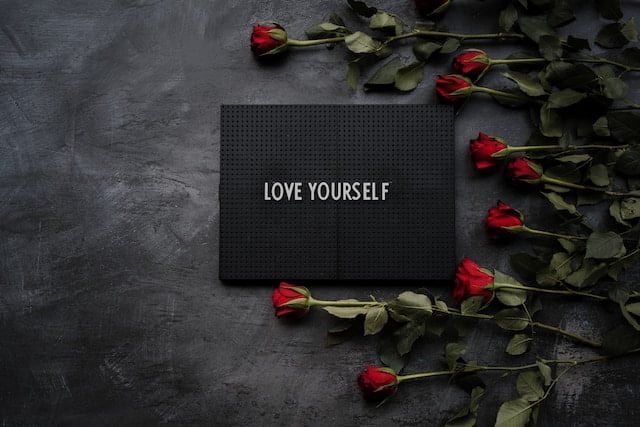
Involve in activities that lift the dark clouds and increase self-esteem. Go in for physical exercises, chill with relatives, or occupy yourself with something new. Dr. Harrison says, “Self-care is essential. It not only inspires your confidence but also positively affects overall mental health/well-being.”
3 Seek Support.
Share your thoughts and feelings about the situation with family, friends, or someone from mental health. Unpacking feelings might provide some relief and open up new ways of seeing a situation even if it is just for a while.
4 Gradual Changes.
If the plan is to go for a total transformation of yourself, think of doing it gradually. This method could contribute to your personal adjustments as well as make the process simpler for the people around you.
Bottom Line.
Post-shave depression is no joke. It is a serious and widespread emotional issue encountered by many. The point of the matter is that being aware of the triggers and manifestations is the step to handling the malady. Through time, engagement in activities that improve your self-care, sharing feelings, and being open to the idea of change as a process will absolutely dispel the feeling. Yes, it’s alright to feel slightly low after making a huge change in your outlook, and in a short time, the confident and comfortable you will very likely be back.
Exposing what the post-shave depression is, we want to tell that such feelings are natural and a person can benefit from some practical tips on how to deal with it. It is true that hair will grow again, yet looking after your own mental health always comes first.
+2 Sources
Freaktofit has strict sourcing guidelines and relies on peer-reviewed studies, educational research institutes, and medical organizations. We avoid using tertiary references. You can learn more about how we ensure our content is accurate and up-to-date by reading our editorial policy.
- The contrasting effects of body image and self-esteem in the makeup usage; https://pmc.ncbi.nlm.nih.gov/articles/PMC8956164/
- COSMETICS USAGE HABITS AND RELATED SIDE EFFECTS AMONG FEMALES: LITHUANIAN CASE; https://www.researchgate.net/publication/336593454_COSMETICS_USAGE_HABITS_AND_RELATED_SIDE_EFFECTS_AMONG_FEMALES_LITHUANIAN_CASE