

















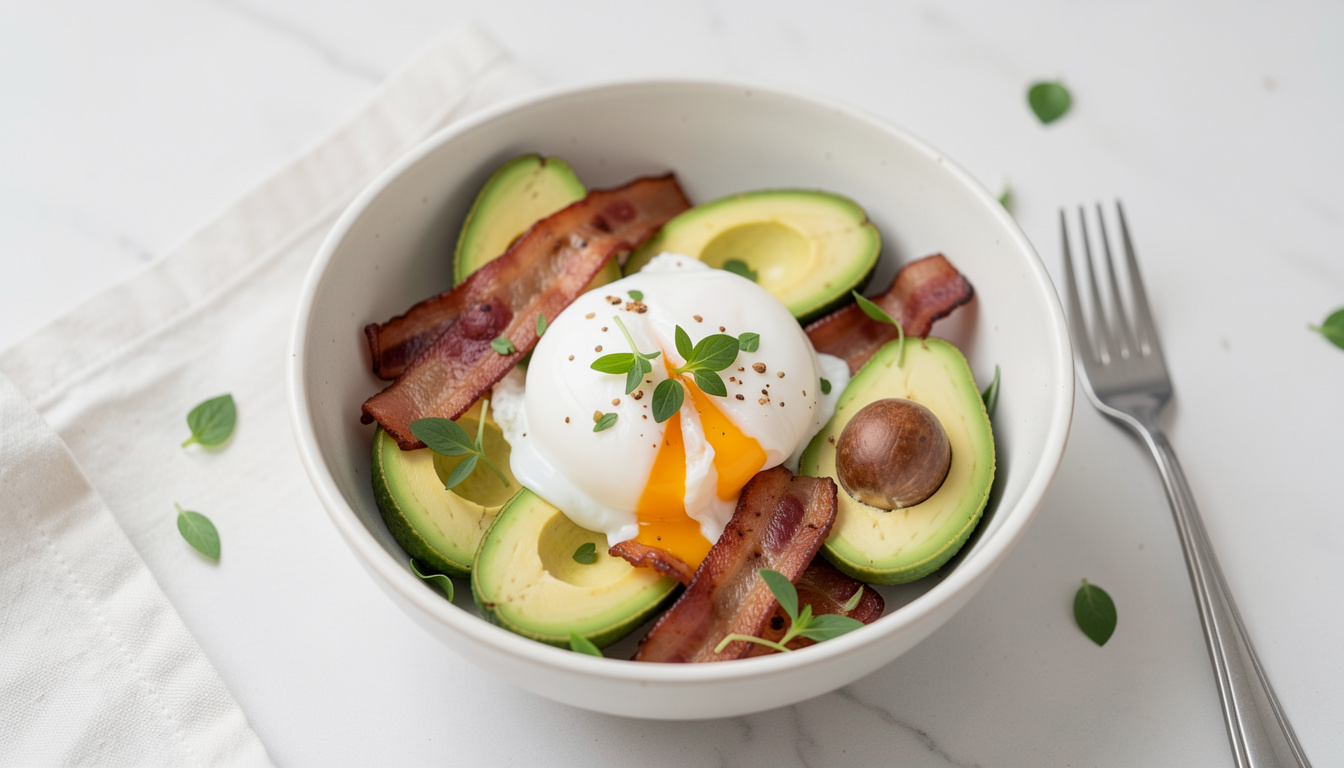
The ketogenic diet, or keto, has gained popularity for its potential benefits in weight loss, improved mental focus, and increased energy levels. One of the key principles of this low-carb, high-fat diet is to consume a specific ratio of macronutrients, namely fats, proteins, and carbohydrates.
However, adhering to a strict macronutrient count can be challenging for many individuals. This raises the question: Can you do keto without counting macros?
In this discussion, we will explore the opinions of experts on whether it is possible to achieve ketosis and experience the benefits of the ketogenic diet without meticulously tracking macronutrient intake.
Is it possible to follow a keto diet without monitoring macronutrient intake?
Following a keto diet without monitoring macronutrient intake is possible, but it may not be as effective or sustainable in the long run.


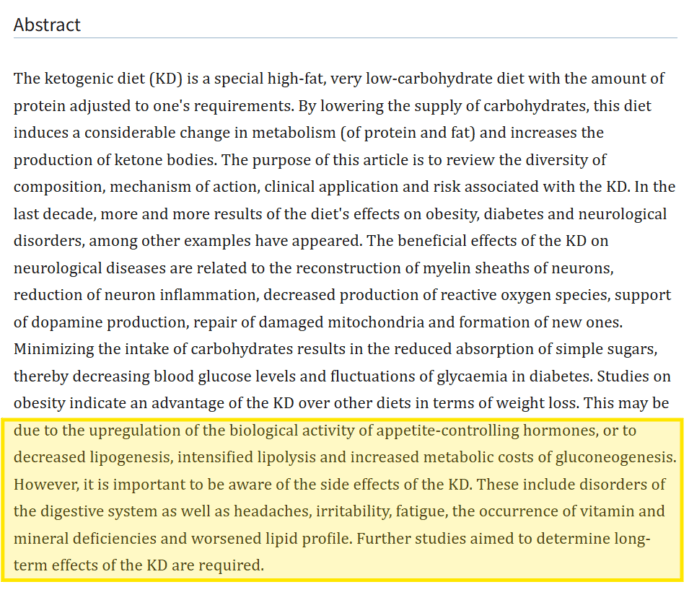
The key principle of the ketogenic diet is to consume very low amounts of carbohydrates and increase fat intake to promote ketosis, a metabolic state where the body burns fat for energy instead of glucose.(1)
Monitoring macronutrient intake, specifically carbohydrates, is crucial to achieving and maintaining ketosis. Without tracking macronutrients, it becomes challenging to accurately control carbohydrate intake and ensure that it remains at the required low levels.(2)
Consequently, individuals may struggle to reach and sustain the desired state of ketosis, hindering the potential benefits of the keto diet, such as weight loss and improved metabolic health.(3)
Monitoring macronutrients allows for a more precise and tailored approach, increasing the likelihood of success when following a keto diet.

Can you do keto without counting macros? What do experts say?
The keto diet, characterized by high fat, low carbohydrate intake, has gained popularity due to its potential for weight loss and improved health markers. However, adhering to a ketogenic diet without counting macros may not yield optimal results.
Experts generally recommend tracking macronutrient intake to ensure proper balance and achieve the desired state of ketosis. Counting macros helps individuals determine the appropriate ratio of fats, proteins, and carbs necessary to reach and maintain ketosis.

By monitoring macros, one can adapt their diet to meet personal needs and avoid common pitfalls, such as consuming excess protein or hidden carbohydrates that may hinder the desired metabolic state.
While some individuals may achieve weight loss without tracking macros, experts emphasize the importance of personalized dietary adjustments to maximize the benefits of a ketogenic lifestyle.
Ways to Follow a Keto Diet without Monitoring Macros.
Following a ketogenic diet can be an effective way to promote weight loss and improve overall health. While tracking macros (macronutrients like carbohydrates, fats, and proteins) is commonly advised, it may not be practical for everyone.
If you’re looking to adopt a keto lifestyle without the hassle of meticulous macro monitoring, here are eight alternative strategies to consider:
1. Stick to Low-Carb Foods.
Focus on consuming foods that are naturally low in carbohydrates. This includes non-starchy vegetables, lean meats, poultry, fish, eggs, and healthy fats like avocados and nuts. By prioritizing these options, you inherently reduce your carbohydrate intake.
2. Minimize Processed Foods.
Processed foods often contain hidden sugars, grains, and unhealthy fats, all of which can hinder your keto progress. Opt for whole, unprocessed foods whenever possible to ensure you’re avoiding unnecessary carbs.
3. Embrace Healthy Fats.
Incorporate plenty of healthy fats into your diet, such as olive oil, coconut oil, grass-fed butter, and ghee. These fats not only provide energy but also help keep you satiated, making it easier to stick to a keto lifestyle.
4. Be Mindful of Hidden Carbs.
While you may not be tracking macros, it’s important to be aware of hidden carbs. Read nutrition labels carefully, as some seemingly harmless foods like sauces, dressings, and even certain vegetables can contain more carbohydrates than you might expect.
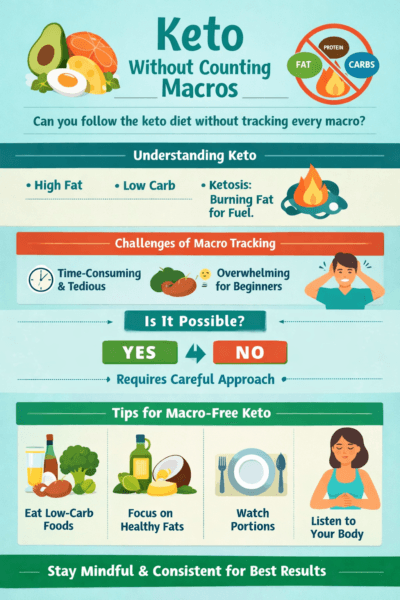
5. Practice Portion Control.
Even if you’re not strictly tracking macros, portion control remains crucial. Be mindful of your serving sizes, especially when it comes to carbohydrate-rich foods like fruits and starchy vegetables. This way, you can manage your carb intake effectively.
6. Incorporate Intermittent Fasting.
Intermittent fasting can naturally enhance ketosis by extending the period during which your body burns stored fat for energy. By practicing a fasting window, such as skipping breakfast or having an early dinner, you can promote ketosis without the need for constant macro monitoring.
7. Prioritize Protein Consumption.
While protein intake should be moderate on a keto diet, it’s still essential for muscle maintenance and overall health. Ensure you include adequate protein sources like lean meats, fish, and dairy products to support your body’s needs.
8. Listen to Your Body.
Pay attention to how your body reacts to different foods. Experiment with various meals and observe how you feel afterward. This intuitive approach can help you identify which foods work best for your individual keto journey.
| 💡 Tips FreakToFit.com Remember, while monitoring macros can provide optimal results, it’s not the only way to follow a ketogenic diet successfully. By implementing these alternative strategies, you can still enjoy the benefits of ketosis without the hassle of constant macro tracking. |
Keto Without Counting Macros – My Personal Experience.
I’m Anupama, a working professional, and I tried keto without counting macros because tracking every meal felt exhausting. I focused on eating home-cooked, low-carb foods and avoided sugar and refined carbs.
Within a few weeks, I noticed better energy and fewer cravings, and sticking to keto felt much more realistic for my daily routine.
“Doing keto without counting macros helped me stay consistent, cut cravings, and keep it practical for everyday life.”

Expert Opinion.
Dr. Rohan Mehta, Nutritional Medicine Specialist, explains that keto can work without counting macros if individuals consistently avoid high-carbohydrate foods, prioritise protein and healthy fats, and maintain overall calorie awareness through portion control.
Frequently Asked Questions.
1. Can you lose weight on a keto diet without counting calories?
The ketogenic diet, which involves eating low-carb and high-fat foods, can lead to weight loss without counting calories. This is because the diet puts the body in a state of ketosis, where it burns fat instead of carbs for energy.
This can naturally reduce appetite and make individuals feel more full, resulting in a decreased calorie intake.
However, it is still important to maintain a balanced and healthy diet for optimal nutrition and well-being.
2. How much weight can you lose on lazy keto?
Lazy keto is a more relaxed version of the traditional ketogenic diet, focusing primarily on reducing carb intake while not strictly counting calories or tracking macronutrient ratios.
The amount of weight that can be lost on lazy keto varies from person to person and depends on factors such as starting weight, metabolism, activity level, and adherence to the diet.
Some individuals may experience significant weight loss on lazy keto, while others may see more modest results.
3. What is the difference between counting macros and doing keto?
Counting macros and following a keto diet are two different ways to achieve health and fitness goals.
Counting macros involves monitoring and adjusting the intake of carbohydrates, proteins, and fats in specific ratios. This allows for flexibility in food choices.
On the other hand, the keto diet is a low-carb, high-fat diet that aims to induce ketosis, where the body burns fat instead of carbs.
It focuses on restricting carbs and increasing fat intake. Keto may offer benefits like increased fat-burning and mental clarity, but requires strict adherence to specific food choices.
The main difference is the level of customization and the specific physiological effects each method aims for.
4. What are ideal macros for keto?
The ideal macros for a ketogenic diet, commonly known as keto, typically involve high fat, moderate protein, and low carbohydrate intake. It is recommended to consume approximately 70-75% of daily calories from healthy fats, 20-25% from protein, and only 5-10% from carbohydrates.
Bottom Line.
It is possible to follow a ketogenic diet without meticulously counting macros. While tracking macronutrients can provide a more accurate understanding of your nutrient intake, it is not always necessary for everyone.
Many individuals have successfully achieved ketosis and experienced the health benefits of a ketogenic diet without counting macros.
By focusing on consuming low-carb, high-fat foods and making mindful choices, individuals can still effectively maintain a state of ketosis.
However, it is important to note that counting macros can be beneficial for those who want to ensure they are following a strict ketogenic diet or have specific health goals in mind.
Ultimately, the decision to count macros or not should be based on individual preferences and needs.
+2 Sources
FreakToFit has strict sourcing guidelines and relies on peer-reviewed studies, educational research institutes, and medical organizations. We avoid using tertiary references. You can learn more about how we ensure our content is accurate and up-to-date by reading our editorial policy.
- Ketogenic Diet: A Review of Composition Diversity, Mechanism of Action and Clinical Application; https://pmc.ncbi.nlm.nih.gov/articles/PMC11511599/
- Ketogenic Diets for Body Weight Loss: A Comparison with Other Diets; https://www.mdpi.com/2072-6643/17/6/965
- The Ketogenic Diet: Clinical Applications, Evidence-based Indications, and Implementation; https://www.ncbi.nlm.nih.gov/books/NBK499830/