
















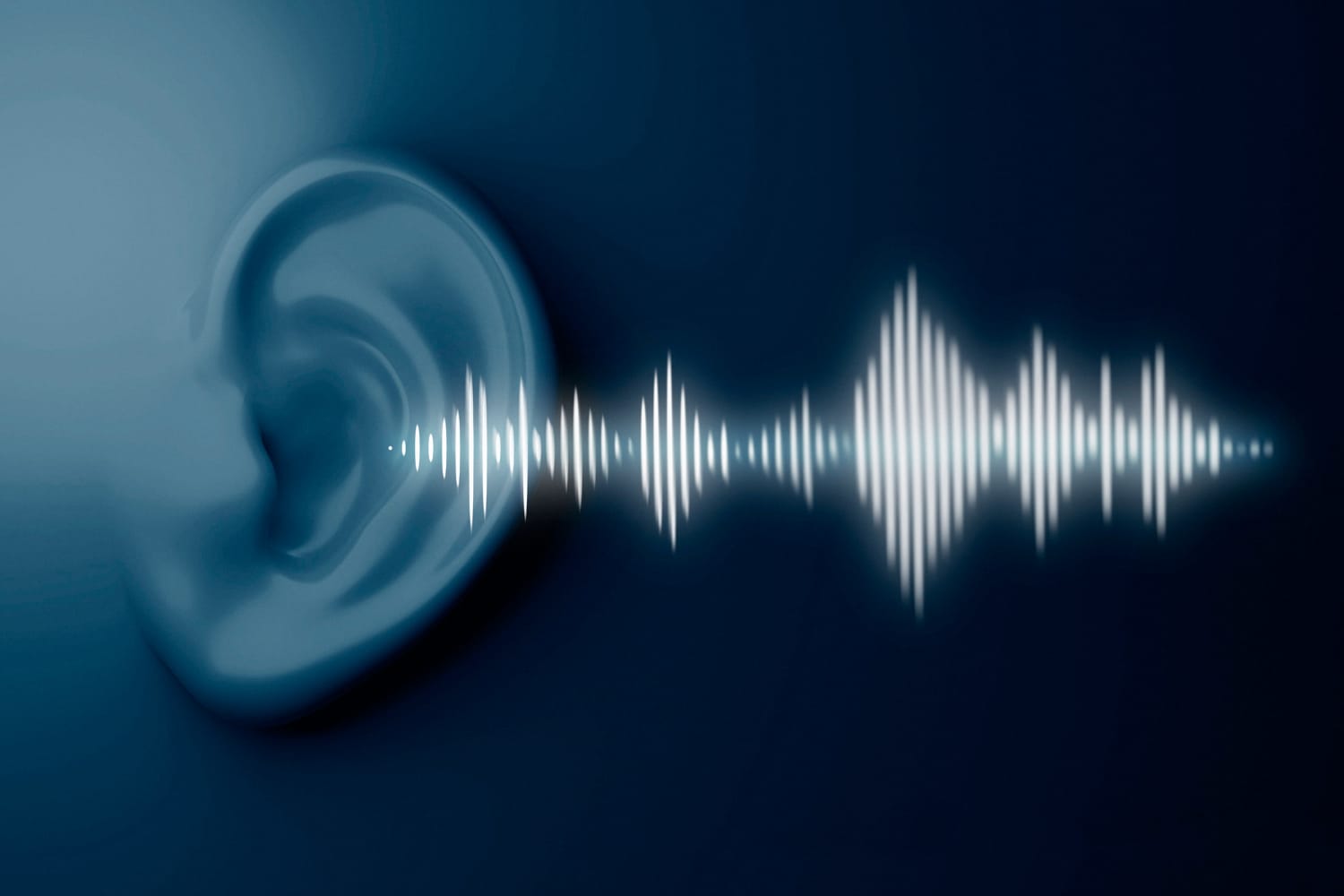
The frequency of 432 hertz (Hz) is considered in the world of yoga and mediation as a natural sound of the universe that calms the mind and promotes natural healing of the body, instead of the standard tuning of 440 Hz (A4) that It is the standard tuning for orchestras in the world.
What is the 432 Hz Sound?
So that we understand each other if we do not have musical knowledge, 432 Hz is a specific tone that we can classify as a version of the A4 note. The term “432 Hz” is often used as shorthand for the tuning standard which is based on A4 = 432 Hz instead of A4 = 440 Hz (also known as “concert pitch” today).
Beneficial effects of 432 hz sound or healing frequency of the universe.
- Harmony with nature: It is argued to be more aligned with the natural vibrations present on Earth and in the cosmos, which could create a more harmonious and balanced listening experience.
- Relaxing effects: It is suggested that music tuned to 432 Hz may have more relaxing and calming effects compared to music tuned to 440 Hz.
- Improved resonance: It is claimed that 432 Hz may be more in tune with the natural resonance of water and cellular structures, which could have health benefits.
Phil Collins – In The Air Tonight (432 Hz).
In a study conducted in Italy with healthcare professionals during the COVID pandemic and published in May 2022 in the journal Acta Biomed (doi: 10.23750/abm.v93iS2.12915), it was found that of 54 healthcare providers, in the group who listened to the 432 Hz frequency, or group 2, a reduction in the mean values of respiratory rate and systolic blood pressure was recorded.(1)
Related Stories
 7 Yoga Poses During Pregnancy And A Healthy Baby
 Chin Mudra: Benefits, Side Effects, How To Do and Contraindications
They concluded that listening to music at 432 Hz is a low-cost, short-duration intervention that can be a useful resource for managing anxiety and stress. Although more studies are needed to evaluate the medium and long-term effects of listening to music.
Bottom Line.
It is important to keep in mind that the perception of music is subjective and can vary between individuals. The 440 Hz frequency has been the norm in Western music for decades and is widely accepted in the music industry. And while some people may experience personal preferences for certain tones, there is no scientific consensus on the specific purported benefits of tuning to 432 Hz.
+1 Source
Freaktofit has strict sourcing guidelines and relies on peer-reviewed studies, educational research institutes, and medical organizations. We avoid using tertiary references. You can learn more about how we ensure our content is accurate and up-to-date by reading our editorial policy.
- The Listening to music tuned to 440 Hz versus 432 Hz to reduce anxiety and stress in emergency nurses during the COVID-19 pandemic: a double-blind, randomized controlled pilot study; https://pubmed.ncbi.nlm.nih.gov/35545982/