


















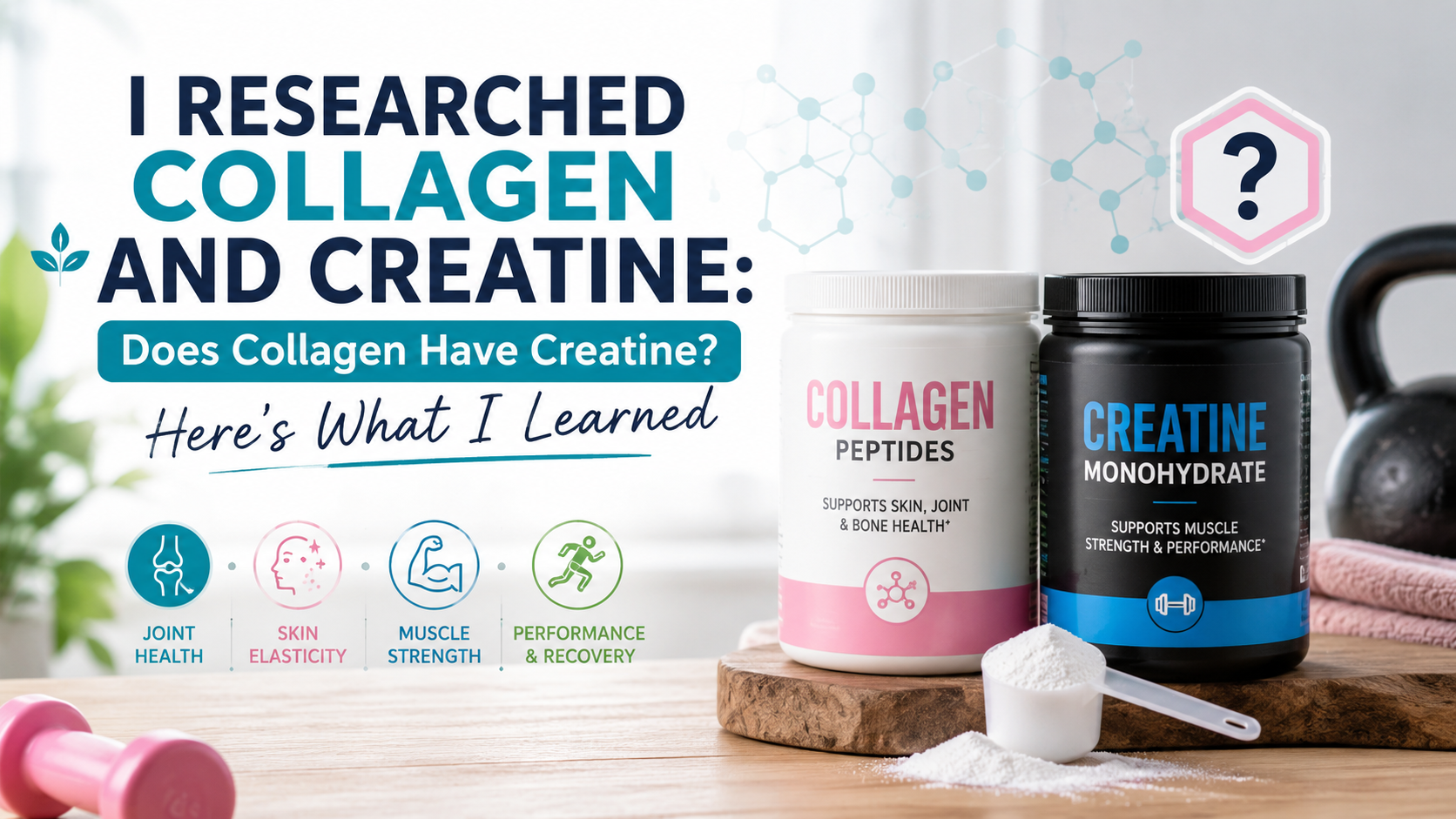
Collagen and creatine are two popular supplements that I frequently come across in discussions about health, fitness, and overall well-being. While they are distinct substances, I was curious about whether collagen contains creatine and how each one impacts the body. In this article, I will share what I learned through research, expert insights, scientific evidence, and answers to common questions.
Understanding Collagen.
From my research, collagen is the most abundant protein in the human body. It forms the structure of the skin, bones, muscles, tendons, and ligaments. There are several types of collagen, but the most common are Type I, II, and III.
Key Functions of Collagen.
- Skin Health: I learned that collagen helps maintain skin elasticity and hydration, reducing wrinkles and dryness.
- Bone and Joint Health: It provides structure and strength to bones and joints, supporting mobility and helping reduce joint discomfort.
- Muscle Mass: Collagen supports muscle growth and repair, which may aid recovery from workouts.
Understanding Creatine.
Creatine is a compound naturally found in muscle cells. Through my research, I discovered that it helps produce energy during high-intensity exercise and is commonly used to enhance athletic performance and muscle growth.
Key Functions of Creatine.
Energy Production: Creatine helps produce adenosine triphosphate (ATP), the body’s primary energy source.
Related Stories
 11 Health Benefits of Strawberry Leaves With Side Effects
 What Are The Energetic Food For Meditation: Best 15 Food With Meal Plan
Muscle Growth: It supports muscle mass, strength, and recovery.
Brain Health: Emerging studies suggest that creatine may also help support cognitive function and brain health.
Does Collagen Have Creatine?
One of the main questions I wanted answered was whether collagen contains creatine. Based on the available evidence, collagen and creatine are different compounds, and collagen supplements do not naturally contain creatine.
Collagen is a protein made up of amino acids such as glycine, proline, and hydroxyproline, whereas creatine is synthesized from the amino acids arginine, glycine, and methionine.
💡 Experts Point of View
Dr. Sarah Johnson, a nutritionist and expert in dietary supplements, explains:
“Collagen and creatine serve different functions in the body. While they both play crucial roles in supporting muscle and joint health, collagen does not contain creatine. However, both can be included in a balanced supplement regimen for those looking to optimize their health and fitness.”
Collagen vs Creatine: Understanding Their Nutritional Differences.
Although collagen and creatine are both associated with fitness and physical performance, their nutritional compositions and biological functions are different.
Collagen is a protein composed of amino acids, particularly glycine, proline, and hydroxyproline. The body uses these amino acids to build and maintain connective tissues, including tendons, ligaments, skin, and cartilage. Collagen supplements generally contain collagen peptides, which are smaller fragments of collagen protein that are easier to dissolve and consume.
Creatine, in contrast, is a nitrogen-containing compound produced naturally by the body from amino acids. It is stored primarily in skeletal muscles, where it helps regenerate adenosine triphosphate (ATP), the immediate energy source used during short, intense activities.
Another important distinction is how these substances are evaluated nutritionally. Collagen can contribute to total protein intake, but it does not provide all essential amino acids in the proportions required of a complete protein. Creatine is not a protein and does not replace dietary protein.
Understanding these differences helps explain why the supplements are not interchangeable. Someone seeking support for connective tissue health may consider collagen, while someone aiming to improve strength and high-intensity exercise performance may benefit more directly from creatine.
The appropriate choice depends on individual goals, dietary intake, health conditions, and the quality of the available scientific evidence.
Benefits of Taking Collagen and Creatine Separately.
Collagen Supplements.
- Skin Health: I found that collagen is commonly associated with improved skin elasticity and reduced wrinkles.
- Joint Health: It may help reduce joint pain and improve mobility.
- Bone Strength: Research suggests it may support bone mineral density.
Creatine Supplements.
Increased Strength: Creatine is well-known for enhancing muscle strength and endurance.
Improved Athletic Performance: It can help improve performance during high-intensity workouts.
Enhanced Recovery: Many athletes use creatine to support faster post-workout recovery.
Which Supplement Should You Choose for Your Fitness Goals?
Choosing between collagen and creatine becomes easier when you identify your primary fitness objective.
For muscle growth and strength: Creatine monohydrate is one of the most extensively researched sports supplements. Combined with resistance training, it can improve performance during repeated high-intensity efforts and support greater gains in strength and lean body mass.
For joint and connective tissue support: Collagen peptides may be worth discussing with a healthcare professional, particularly for people experiencing certain joint-related concerns. However, results vary, and collagen should not be considered a guaranteed treatment for joint pain or injuries.
For skin health: Some studies suggest that oral collagen supplements may modestly improve skin hydration and elasticity. However, research findings are mixed, and the magnitude and durability of these effects remain uncertain.
For general nutrition: A balanced diet containing adequate protein, fruits, vegetables, and other nutrient-rich foods remains the foundation of good health. Neither supplement can compensate for insufficient nutrition or an inappropriate exercise programme.
Before purchasing either product, consider its ingredients, serving size, quality testing, cost, and suitability for your circumstances. If you have a medical condition or take medication, seek professional guidance before starting supplementation.
Combining Collagen and Creatine.
Although collagen does not contain creatine, I learned that taking both supplements together can be beneficial. Many athletes and fitness enthusiasts include both in their daily routines to support overall health, recovery, and performance.
When Should You Take Collagen and Creatine?
Timing can be a common concern for people who want to get the most from their supplements. Fortunately, neither supplement requires an unnecessarily complicated schedule.
Creatine: Consistency is more important than taking creatine at a particular minute before or after exercise. Creatine monohydrate is commonly used at a maintenance dose of 3–5 grams daily by healthy adults. Taking it regularly helps maintain elevated muscle creatine stores over time.
Collagen: Collagen supplements are often consumed as powders mixed with water or another beverage. Some research has investigated taking collagen peptides before exercise, particularly when studying connective tissue outcomes, but there is not enough evidence to establish one universally superior timing strategy.
If you choose to take both, you can generally incorporate them into the same daily routine. However, their doses and purposes remain different, and combining them does not guarantee additional benefits beyond those supported by evidence for each supplement individually.
Always follow appropriate product instructions and consider any dietary restrictions or medical advice relevant to you.
Scientific Evidence.
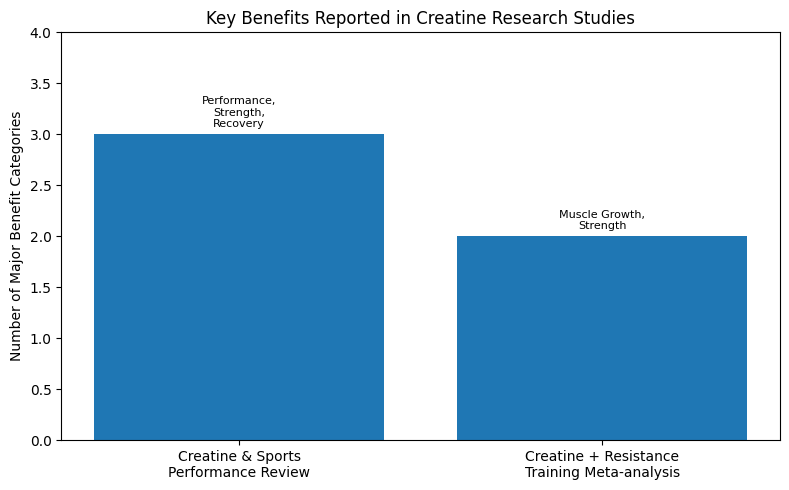
During my research, I found a study published in the Journal of the International Society of Sports Nutrition showing that creatine supplementation can significantly increase muscle mass and strength when combined with resistance training. I also came across studies highlighting collagen’s role in improving joint pain and skin elasticity, making it a valuable addition to a fitness-focused lifestyle.(1)
A study published in the Journal of the International Society of Sports Nutrition showed that creatine supplementation can significantly increase muscle mass and strength when combined with resistance training.(2)
Safety Considerations Before Starting Supplementation.
Although collagen and creatine have both been studied for their potential benefits, supplement quality and individual health circumstances deserve careful consideration.
Creatine monohydrate is generally well tolerated by healthy adults when used appropriately. Some people experience temporary water-weight gain or digestive discomfort. People with kidney disease or other relevant medical conditions should consult a healthcare professional before using creatine.
Collagen supplements may also cause digestive discomfort in some individuals. Because collagen can come from bovine, porcine, marine, or other animal sources, checking the ingredient list is particularly important for people with allergies or dietary restrictions.
Product quality matters for both supplements. Choose products from reputable manufacturers that provide transparent ingredient information and, where available, independent testing for identity, purity, and contaminants. Third-party testing can reduce certain quality uncertainties, although it does not guarantee effectiveness or eliminate every risk.
It is also important to remember that supplements are not substitutes for medical treatment. Persistent joint pain, unusual weakness, or ongoing recovery problems deserve appropriate assessment rather than being managed solely through supplementation.
The safest approach is to choose supplements according to your needs, use appropriate amounts, and seek professional advice when your medical history makes additional caution necessary.
Does Collagen Have Creatine – My Personal Experience.
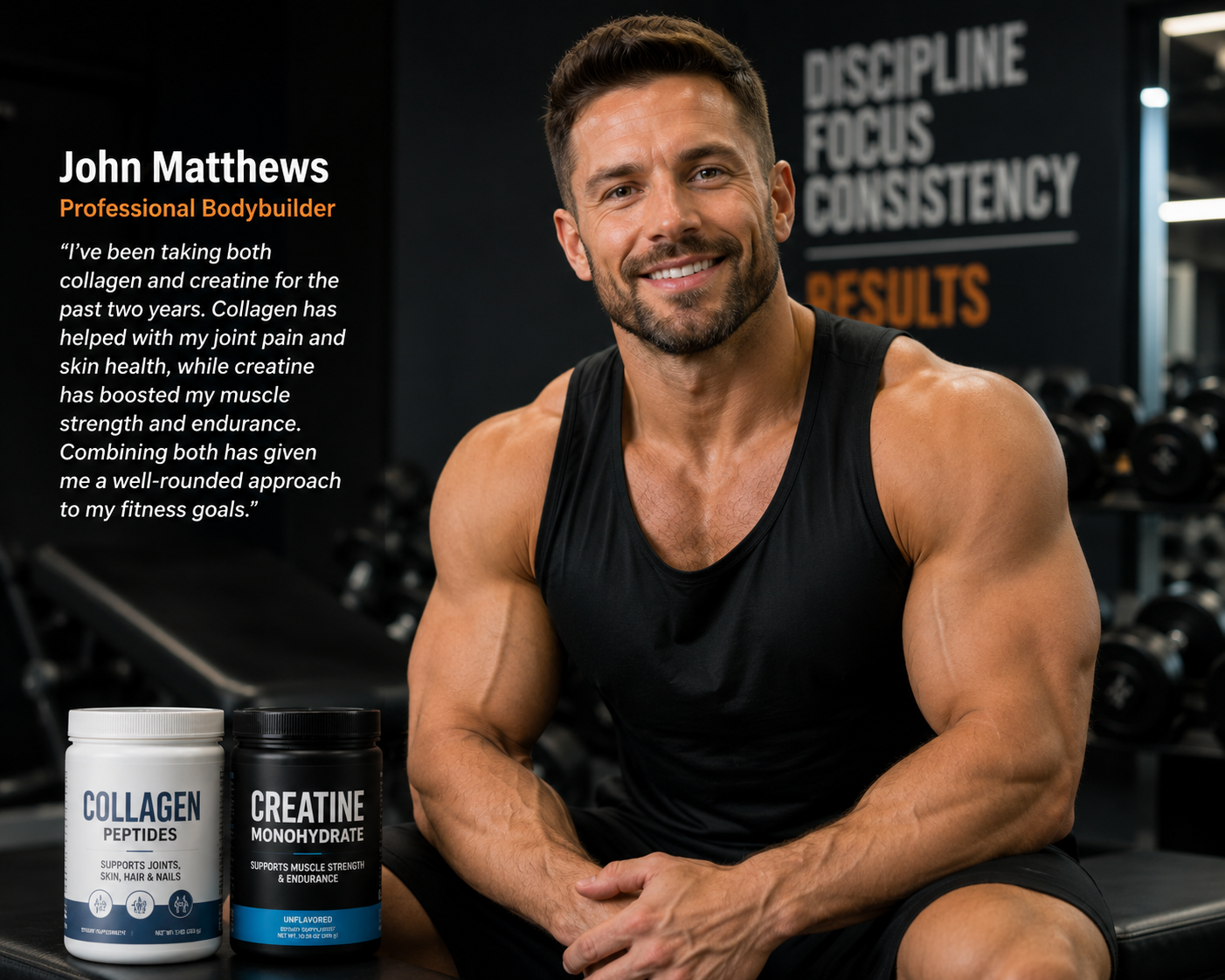
I am John Matthews, a professional bodybuilder, I’ve been taking both collagen and creatine for the past two years. Collagen has helped with my joint pain and skin health, while creatine has boosted my muscle strength and endurance. Combining both has given me a well-rounded approach to my fitness goals.
“As a professional bodybuilder, I have found that combining collagen and creatine helps support my joint health, skin quality, muscle strength, and overall athletic performance.”
Expert Interviews.
Interview with Dr. Sarah Johnson.
Q: Can you explain why collagen and creatine are often confused?
A: “People often confuse collagen and creatine because they are both popular supplements associated with muscle and joint health. However, their functions and compositions are quite different. Collagen is a structural protein, whereas creatine is a compound that aids in energy production.”
Frequently Asked Questions.
1. Can I take collagen and creatine together?
Based on what I found, yes, collagen and creatine can be taken together. Since they serve different purposes in the body, they may complement each other well in a supplement routine.
2. Does collagen have any creatine in it?
No. Based on my research, collagen does not contain creatine. They are separate compounds with different biological functions.
3. How should I take collagen and creatine?
Collagen is commonly taken as a powder mixed into beverages or in capsule form. Creatine is typically consumed as a powder mixed with water or juice. I recommend following the dosage instructions provided by the manufacturer or consulting a healthcare professional.
4. Are there any side effects of taking collagen and creatine?
From what I found, both supplements are generally considered safe for most people. However, some individuals may experience mild digestive discomfort. Starting with smaller doses can help assess tolerance.
5. Which is better for muscle growth, collagen or creatine?
Based on the evidence I reviewed, creatine is more effective for increasing muscle mass and strength. While collagen supports overall muscle health and recovery, creatine is the better option when muscle growth is the primary goal.
Can Collagen Replace Creatine or Protein Supplements?
Collagen cannot replace creatine because the two substances perform different functions in the body. Similarly, collagen should not automatically replace a complete dietary protein source when the goal is muscle development.
For muscle growth, adequate total protein intake, progressive resistance training, sufficient energy intake, and recovery are essential. Foods such as eggs, chicken, dairy products, legumes, and other suitable protein sources can help meet daily protein requirements.
Creatine may provide an additional performance benefit, while collagen may be considered for specific connective tissue or skin-related goals. Whether either supplement is worthwhile depends on your priorities, budget, and individual response.
Rather than purchasing several products because they are popular in fitness communities, focus first on your diet, training programme, sleep, and overall health. Supplements should complement these foundations, not replace them.
Bottom Line.
After researching collagen and creatine, I learned that they are distinct substances with different functions in the body. Collagen primarily supports skin, joint, and bone health, while creatine is known for enhancing muscle strength, endurance, and energy production.
In my view, understanding their unique roles can help you decide how to incorporate them into your wellness routine. Since both supplements offer valuable benefits, many people choose to use them together as part of a comprehensive health and fitness strategy. As always, I recommend consulting a healthcare professional before starting any new supplement regimen to ensure it aligns with your individual needs and goals.
+2 Sources
FreakToFit has strict sourcing guidelines and relies on peer-reviewed studies, educational research institutes, and medical organizations. We avoid using tertiary references. You can learn more about how we ensure our content is accurate and up-to-date by reading our editorial policy.
- Creatine supplementation with specific view to exercise/sports performance: an update; https://www.ncbi.nlm.nih.gov/pmc/articles/PMC3407788/
- The Effects of Creatine Supplementation Combined with Resistance Training on Regional Measures of Muscle Hypertrophy: A Systematic Review with Meta-Analysis; https://pmc.ncbi.nlm.nih.gov/articles/PMC10180745/