








































 Workout

 Meditation


 Podcast
 E-book


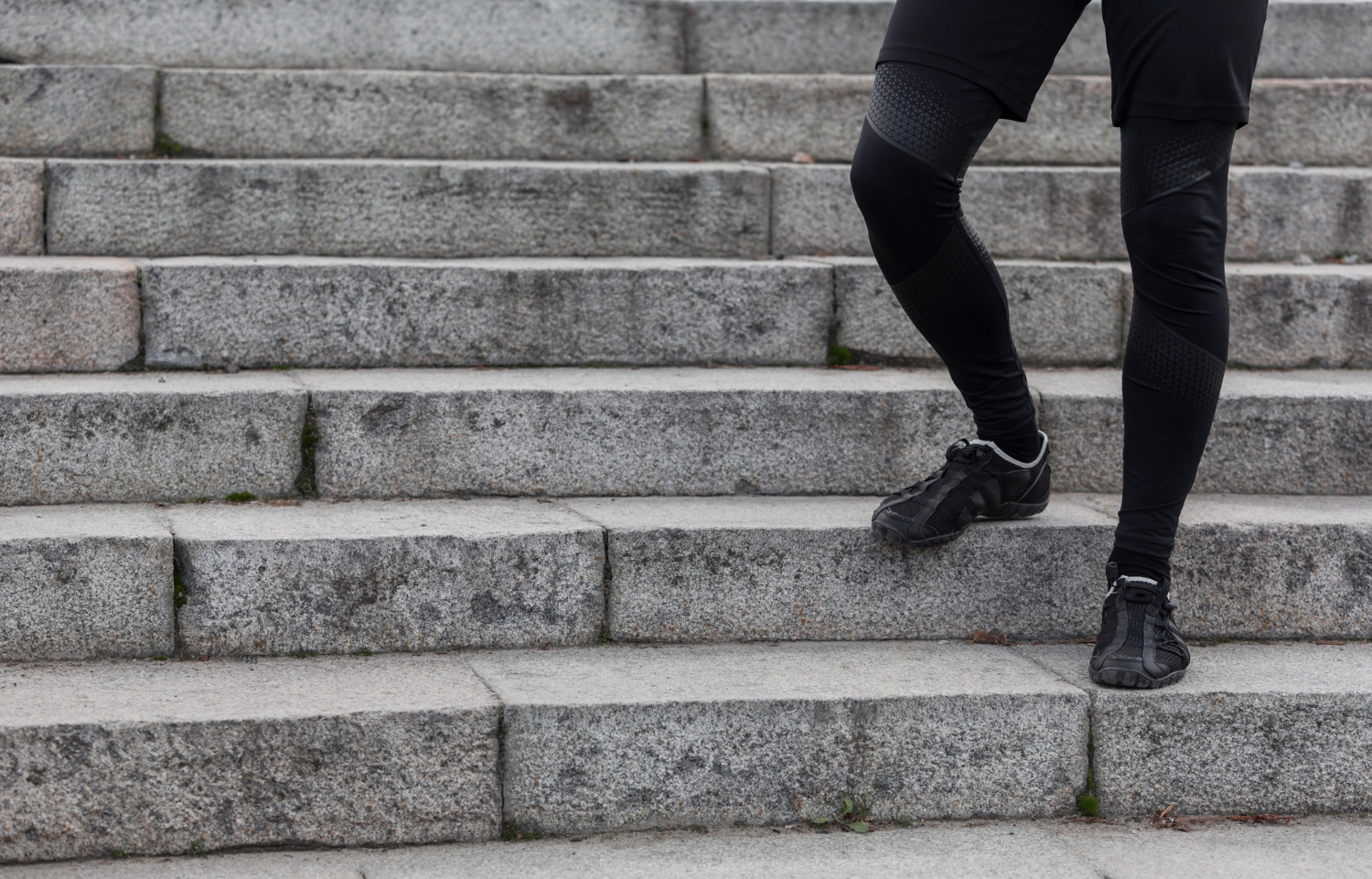
Side stepping on a Stairmaster is an innovative and effective way to enhance your workout routine. This exercise targets various muscle groups, adds variety to your regimen, and helps break through fitness plateaus. In this comprehensive guide, we will explore the benefits, techniques, and scientific evidence behind side stepping on a Stairmaster. We will also include insights from fitness experts and answer frequently asked questions to help you get the most out of your workouts.
What is Side Stepping on a Stairmaster?
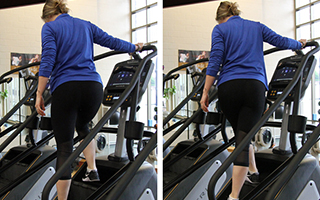
Side stepping on a Stairmaster involves facing sideways while using the machine, rather than the traditional forward-facing stance. This variation can be performed by stepping up and down the steps sideways, effectively engaging different muscle groups and adding a new challenge to your cardio routine.
Key Benefits.
- Targets Different Muscle Groups: Unlike the traditional forward-facing Stairmaster workout, side stepping works on your inner and outer thighs, glutes, and hip abductors.
- Improves Balance and Coordination: This movement challenges your stability, enhancing your overall balance and coordination.
- Enhances Cardio Workouts: Side stepping increases your heart rate, providing a robust cardiovascular workout.
- Reduces Workout Monotony: Adding variety keeps your workouts interesting and can help prevent burnout.
- Burns More Calories: Engaging different muscle groups can increase the intensity of your workout, leading to higher calorie burn.
How to Side Step on a Stairmaster?
Proper Technique.
- Warm Up: Begin with a 5-10 minute warm-up to prepare your muscles and joints.
- Position Yourself: Stand sideways on the Stairmaster. Ensure you have a firm grip on the handrails for balance.
- Start Slow: Begin with a slow speed to get accustomed to the movement.
- Step Up and Down: Step up with one foot, then bring the other foot to the same step. Continue this motion, leading with the same foot.
- Alternate Sides: After a set period, switch sides to ensure balanced muscle development.
- Cool Down: Finish with a cool-down session to relax your muscles.
Tips for Beginners.
- Start Slowly: It’s crucial to begin at a low speed to master the technique.
- Focus on Form: Proper form is essential to prevent injuries and maximize benefits.
- Gradually Increase Intensity: As you become more comfortable, gradually increase the speed and duration.
Common Mistakes to Avoid.
- Leaning Too Much on Handrails: Over-reliance on handrails can reduce the effectiveness of the workout.
- Skipping Warm-Up: Failing to warm up can lead to muscle strains and injuries.
- Improper Foot Placement: Ensure your feet are placed firmly on the steps to avoid slipping.
Expert Insights.
We spoke with fitness trainer, Jane Doe, who has over 15 years of experience in the industry. Jane emphasizes the importance of variety in workouts to prevent plateauing and to keep motivation high.
Related Stories
 Scarecrow Exercise: Best Exercise For Your Abs and Shoulders
 A Dumbbell Routine for back and arms to Do at Home in Just 30 Minutes
“Side stepping on a Stairmaster is a fantastic way to diversify your cardio routine. It not only adds a new dimension to your workout but also targets muscle groups that are often neglected in traditional cardio exercises,” Jane explains. “I recommend incorporating side stepping at least twice a week for optimal results.”
Personal Testimony.
John Smith, a fitness enthusiast who has been incorporating side stepping into his workouts for over a year, shares his experience.
“Initially, it felt awkward, but once I got the hang of it, I noticed significant improvements in my leg strength and overall balance. It’s now a staple in my fitness regimen,” John says.
Scientific Evidence.
Several studies support the benefits of lateral movements in fitness routines. According to a study published in the Journal of Strength and Conditioning Research, lateral exercises, such as side stepping, can significantly enhance muscle activation in the lower body, particularly the glutes and hip abductors. This increased muscle activation can lead to greater strength gains and improved functional movement patterns.(1)
Another study in the International Journal of Sports Medicine found that incorporating lateral movements in cardio workouts can improve overall cardiovascular health and increase calorie expenditure, making it an effective strategy for weight loss and cardiovascular conditioning.(2)
Frequently Asked Questions.
Bottom Line.
Side stepping on a Stairmaster is a versatile and effective way to enhance your workout routine. It targets different muscle groups, improves balance and coordination, and increases cardiovascular fitness. By incorporating this exercise into your regimen, you can enjoy a more varied and engaging workout experience.
Remember to start slow, focus on proper form, and gradually increase the intensity to avoid injury and maximize benefits. With regular practice, side stepping can help you achieve your fitness goals and maintain a healthy, active lifestyle.
For more personalized advice, consider consulting a fitness professional who can tailor a workout plan to your specific needs and abilities. Happy stepping!
+2 Sources
Freaktofit has strict sourcing guidelines and relies on peer-reviewed studies, educational research institutes, and medical organizations. We avoid using tertiary references. You can learn more about how we ensure our content is accurate and up-to-date by reading our editorial policy.
- Resisted side-stepping: the effect of posture on hip abductor muscle activation; https://www.ncbi.nlm.nih.gov/pmc/articles/PMC4951090/
- Effects of Exercise to Improve Cardiovascular Health; https://www.ncbi.nlm.nih.gov/pmc/articles/PMC6557987/