








































 Workout

 Meditation


 Podcast
 E-book


The Fast Facts
- What they observed was that people who had been sleep restricted had lower protein synthesis , while the group with sleep restriction plus exercise and the group with normal sleep had the same muscle protein synthesis , which was understand that lack of sleep generates the same muscle mass as when you sleep normally and do not exercise, which, in principle, is very little.
- The researchers comment that it is a study that was carried out in just five days, but they speculate that the long-term gains in muscle mass, if the quality or quantity of sleep is poor, are minimal.
- One of the causes that allows us to improve the quality of rest is to increase the parasympathetic tone and decrease the sympathetic tone of the central nervous system.

🎯 Key Points
- Aim for 7-9 hours of sleep per night to allow your muscles to recover and grow.
- Lack of sleep can impair muscle growth and increase muscle breakdown.
- Quality of sleep is just as important as quantity, so aim for restful, uninterrupted sleep.
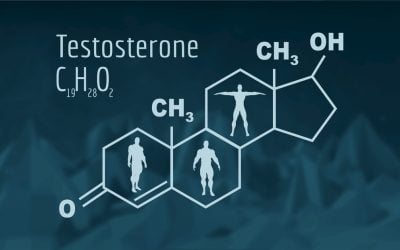
- Adequate sleep helps regulate hormones that are important for muscle growth, such as growth hormone and testosterone.
- Consistent sleep patterns are key for muscle recovery and overall performance in the gym.
Sleep plays a key role in many physiological and cognitive functions, and it is recommended that adults get between seven and nine hours of sleep each night. Obviously this is a totally general recommendation.
Difference Between Short and Long Sleepers.
We have already mentioned that there are short sleepers and long sleepers. Short sleepers are people who naturally need little time to sleep. With five hours or less they have more than enough without it diminishing their performance or mood on a day-to-day basis.
Related Stories
 Ayurvedic Treatment for Sinus Headaches: A Comprehensive Guide to Natural Healing
 Best 7 Immune Boosting Tea with Benefits and Recipe
About 5% of the population has this condition. On the other hand, long sleepers are people who, on the other hand, need to sleep more than average to feel fully rested.
Despite this, most of us need between those seven and nine hours to be rested.
Sleep has also been causally implicated in the maintenance of muscle mass , with a higher likelihood of sarcopenia and lower total skeletal muscle mass in those who sleep less than six hours or report poor sleep quality.

How Much You Should Sleep to Gain Muscle Mass?
Changes in muscle mass are, in the short term (i.e., days to weeks), largely determined by the balance between rates of muscle protein synthesis (MPS) and muscle protein breakdown (MPB). That is, even if we are in a caloric surplus , if muscle protein synthesis is less than degradation, we will not gain muscle mass.
To find out how lack of sleep affected muscle protein synthesis, a group of researchers wanted to carry out a study in which they took 24 healthy men, who were doing strength training and who were between 18 and 40 years old.(1)
They were randomly assigned to three different groups. For 5 nights, one group was sleep restricted (SR), another group was left with normal sleep (NS), and the third group was sleep restricted and also had to exercise (SR+EX). The SR and SR+EX groups were limited to four hours of sleep each night, while the normal sleep group was allotted a full eight hours.
What was the results?
What they observed was that people who had been sleep restricted had lower protein synthesis , while the group with sleep restriction plus exercise and the group with normal sleep had the same muscle protein synthesis , which was understand that lack of sleep generates the same muscle mass as when you sleep normally and do not exercise, which, in principle, is very little.
This is problematic because it seems that lack of sleep causes the breakdown of muscle proteins to increase in large quantities, causing the peak of muscle protein synthesis to decrease and we hardly gain muscle mass .
The researchers comment that it is a study that was carried out in just five days, but they speculate that the long-term gains in muscle mass, if the quality or quantity of sleep is poor, are minimal.
How to improve our sleep?
Now, especially with the heat wave, it is normal for our quality of sleep to decrease, so we leave you some keys to improve your night’s rest:
- Ambient room temperature: It seems that the ideal temperature for sleeping ranges between 15-20ºC. It has been seen that temperatures higher or lower than this temperature range hinder the number of hours we can sleep and the quality of sleep.
- Do not consume stimulants: One of the causes that allows us to improve the quality of rest is to increase the parasympathetic tone and decrease the sympathetic tone of the central nervous system. The main effect of caffeine is to strongly activate the central nervous system, so consuming it close to sleeping hours is totally counterproductive.
- Mattress characteristics: The mattress is a determining factor in sleep quality. For example, an excessively soft mattress induces greater movement and does not promote sleep. On the other hand, hard mattresses have the disadvantage that they exert prolonged pressure on some points of our body, which is also unfavourable.
- Do yoga or meditation: There is a lot of evidence that these types of exercises modulate the neurotransmitters in our brain. For example, doing relaxation exercises such as yoga or meditation produces an increase in GABA and glycine, which are inhibitory.
Bottom Line.
Adequate sleep is crucial for gaining muscle mass. Research suggests that adults should aim for 7-9 hours of quality sleep per night in order to support muscle recovery and growth. Lack of sleep can impair muscle protein synthesis, hormone production, and overall performance in the gym.
Prioritizing rest and recovery through sufficient sleep is just as important as exercise and nutrition when it comes to building muscle mass. Make sleep a priority in your fitness routine to optimize your muscle gains and overall health.
+1 Source
Freaktofit has strict sourcing guidelines and relies on peer-reviewed studies, educational research institutes, and medical organizations. We avoid using tertiary references. You can learn more about how we ensure our content is accurate and up-to-date by reading our editorial policy.
- The effect of sleep restriction, with or without high‐intensity interval exercise, on myofibrillar protein synthesis in healthy young men; https://www.ncbi.nlm.nih.gov/pmc/articles/PMC7217042/