













































 Workout

 Meditation


 Podcast
 E-book
The Fast Facts
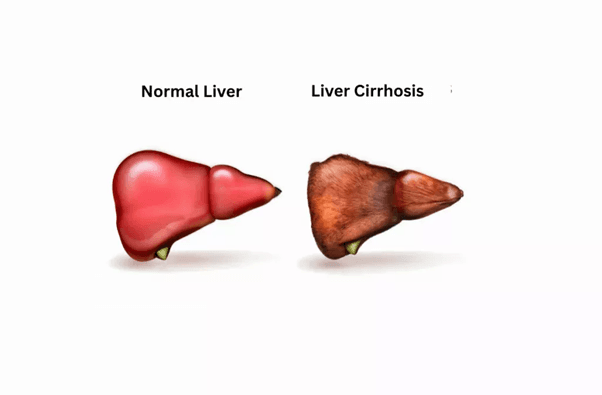
- Cirrhosis occurs when healthy liver tissue is gradually replaced with scar tissue, often due to chronic liver diseases such as hepatitis, alcohol-related liver damage, or non-alcoholic fatty liver disease (NAFLD).
- The primary goal of liver cirrhosis treatment is to slow liver damage, control symptoms, and prevent complications.
- Liver cirrhosis treatment and prevention focus on protecting liver function, slowing disease progression, and improving quality of life.

Liver cirrhosis is a serious but manageable condition when diagnosed early and treated properly. With medical advancements and expert care from a qualified Gastroenterologist, patients today have more options than ever to slow disease progression and maintain a healthy, fulfilling life. Understanding liver cirrhosis treatment and prevention is essential for protecting your liver and ensuring long-term well-being.
The liver plays a vital role in digestion, detoxification, metabolism, and nutrient storage. Cirrhosis occurs when healthy liver tissue is gradually replaced with scar tissue, often due to chronic liver diseases such as hepatitis, alcohol-related liver damage, or non-alcoholic fatty liver disease (NAFLD). Although scarring cannot always be reversed, early treatment can significantly slow progression and prevent life-threatening complications.
Understanding Liver Cirrhosis and Its Causes
Cirrhosis develops over time as a result of ongoing liver injury. The most common causes include chronic hepatitis B or C infection, excessive alcohol consumption, fatty liver disease, autoimmune liver disorders, and certain metabolic conditions.
Related Stories
 Mexican Pizza will soon be back: Taco Bell Brings Back Its Popular Menu
 Earn Amazon AWS Certified Solutions Architect – Associate Qualification Without Difficulty By Using Practice Tests
In its early stages, known as compensated cirrhosis, the liver can still perform most of its essential functions. However, as the disease advances to decompensated cirrhosis, complications such as jaundice, ascites (fluid buildup), internal bleeding, and hepatic encephalopathy may occur. Early detection and prompt treatment are crucial to preventing these complications.
Effective Liver Cirrhosis Treatment Options
The primary goal of liver cirrhosis treatment is to slow liver damage, control symptoms, and prevent complications. Treatment depends on the underlying cause and stage of the disease.
Antiviral medications help manage viral hepatitis, while complete abstinence is essential in alcohol-related cirrhosis. For fatty liver disease, weight management, healthy eating, and regular exercise are key. Medications may also be used to control complications like fluid retention and portal hypertension, with routine tests to monitor liver health. Consulting the Best Gastroenterologist or seeking supportive care at a trusted Ayurveda Hospital can ensure a comprehensive and personalized treatment approach. In severe cases, a liver transplant may provide a life-saving solution and improved quality of life.
Preventing Liver Cirrhosis: Protecting Your Liver for Life
Prevention plays a powerful role in reducing the risk of liver cirrhosis. Many causes of liver damage are preventable with lifestyle changes and proactive healthcare.
Limiting or completely avoiding alcohol consumption significantly lowers the risk of alcohol-related liver disease. Maintaining a healthy weight helps prevent fatty liver disease, which is becoming one of the leading causes of cirrhosis worldwide. A balanced diet rich in fruits, vegetables, whole grains, and lean protein supports overall liver function.
Vaccination against hepatitis B and early treatment of hepatitis C are essential preventive measures. Practicing safe hygiene and avoiding exposure to contaminated needles or blood products further reduces infection risk.
Regular health checkups allow for early detection of liver abnormalities. Individuals with diabetes, obesity, or a family history of liver disease should undergo periodic screening to monitor liver health.
Managing Complications of Cirrhosis
Even when cirrhosis is established, careful management can prevent serious complications. Doctors may prescribe medications to reduce portal hypertension and lower the risk of internal bleeding. Diuretics can help manage fluid retention and swelling.
Nutritional support is another important aspect of treatment. Patients are often advised to reduce salt intake to control fluid buildup and consume adequate protein to maintain muscle strength. Monitoring mental changes is crucial, as hepatic encephalopathy requires prompt medical attention.
With consistent medical supervision and adherence to treatment plans, many patients with cirrhosis can live stable and productive lives for years.
The Importance of Regular Monitoring
Liver cirrhosis increases the risk of developing liver cancer. Regular ultrasound screenings and blood tests are recommended to detect any early changes. Continuous follow-up care allows doctors to adjust medications, manage complications, and provide timely interventions.
Building a long-term relationship with a liver specialist ensures that patients receive ongoing guidance and support. Early intervention remains the key to better outcomes and improved survival rates.
Conclusion
Liver cirrhosis treatment and prevention focus on protecting liver function, slowing disease progression, and improving quality of life. While cirrhosis is a serious condition, early diagnosis, lifestyle modifications, and expert medical care make a significant difference.