












































 treino

 meditação


 podcast
 e-book


The Fast Facts
- Nesta postagem do blog, vamos aprofundar a importância da coluna, explorar problemas comuns e fornecer dicas práticas sobre como manter uma coluna saudável para uma vida sem dor.
- Adotar uma dieta saudável e praticar atividade física regular pode ajudá-lo a manter um peso saudável, reduzindo a carga na coluna.
- Alinhe as orelhas, ombros e quadris em linha reta e evite agachar ou arredondar excessivamente a coluna.

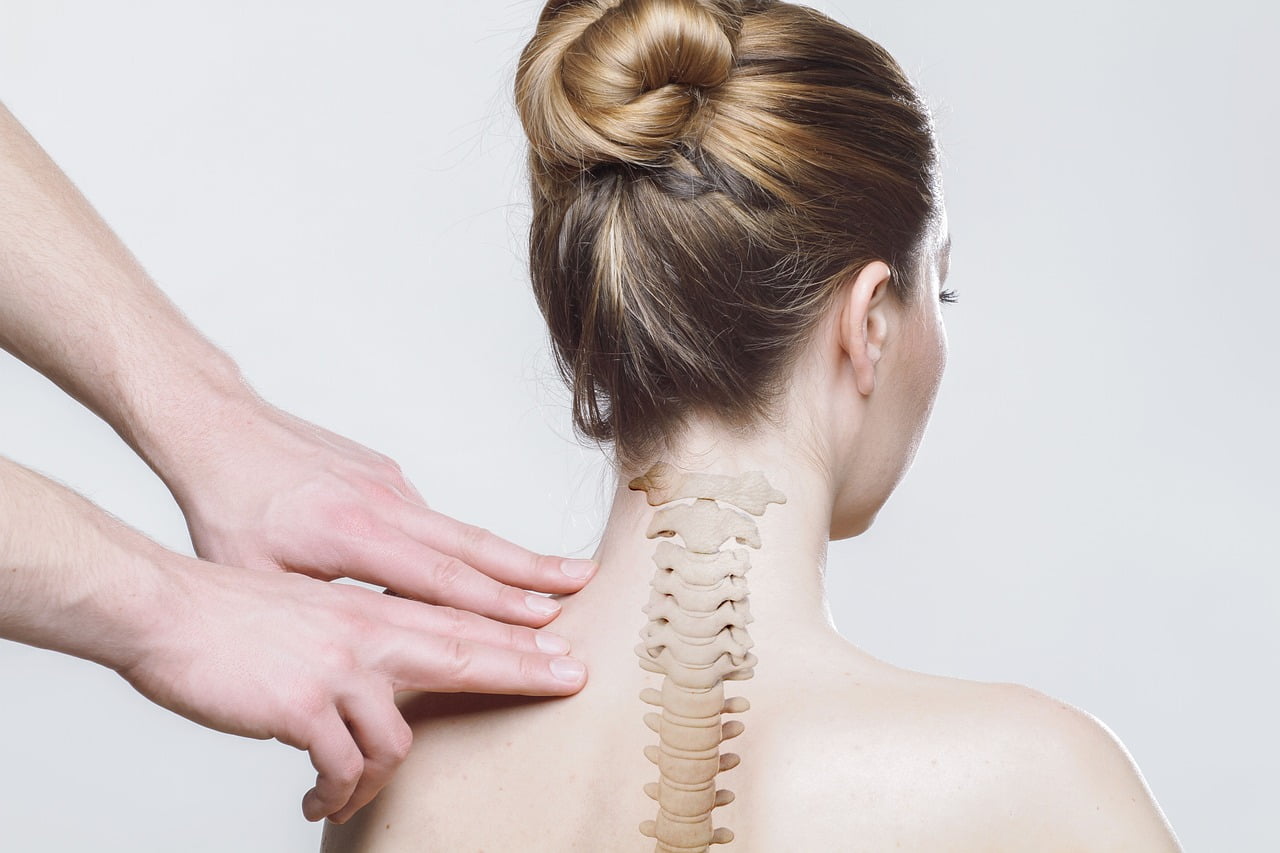
Nossa coluna é uma estrutura incrível que serve como espinha dorsal de nossos corpos, literalmente. Ele fornece suporte, estabilidade e flexibilidade, permitindo-nos ficar de pé, caminhar e realizar várias atividades. No entanto, devido ao estilo de vida moderno, muitas pessoas apresentam problemas relacionados à coluna, como dor nas costas e problemas posturais. Nesta postagem do blog, vamos aprofundar a importância da coluna, explorar problemas comuns e fornecer dicas práticas sobre Como manter uma coluna saudável para uma vida sem dor.
Compreender a importância da coluna vertebral.
A coluna vertebral, também conhecida como coluna vertebral, é composta por 33 ossos individuais chamados vértebras, empilhados um sobre o outro. Ele desempenha um papel vital em nosso bem-estar geral, desempenhando várias funções cruciais:
Suporte estrutural: A coluna suporta o peso do nosso corpo, permitindo-nos manter uma postura ereta. Ele fornece estabilidade e equilíbrio, distribuindo a carga uniformemente em nosso sistema esquelético.
Histórias relacionadas
 O que você deve saber antes e depois de fazer o procedimento de clareamento dos dentes
 As 20 principais dicas de segurança para o verão em ambientes fechados e externos para seus filhos
Proteção: A coluna vertebral protege a delicada medula espinhal, que é responsável por transmitir sinais entre o cérebro e o resto do corpo. As vértebras atuam como um escudo protetor, reduzindo o risco de lesão medular.
Flexibilidade e amplitude de movimento: O design intrincado da coluna permite uma ampla gama de movimentos, incluindo dobrar, torcer e alongamento. Essa flexibilidade é crucial para realizar atividades diárias e praticar exercícios físicos.
Absorção de choque: A coluna atua como um amortecedor, reduzindo o impacto e o estresse em nossas articulações e discos. Ajuda a prevenir desgaste excessivo nessas estruturas, diminuindo o risco de condições degenerativas, como artrose.
Problemas comuns relacionados à coluna.
Infelizmente, devido a vários fatores, nossos espinhos podem ser propensos a problemas que podem afetar nossa qualidade de vida. Aqui estão alguns problemas comuns relacionados à coluna:
Dor nas costas: Uma das queixas mais prevalentes, a dor nas costas pode ocorrer devido a tensões musculares, má postura, hérnia de disco, estenose da coluna ou outras condições subjacentes. Pode ser agudo ou crônico e pode impactar significativamente nas atividades diárias.
Possuem má postura: Estilo de vida sedentário, longas horas passadas em mesas e uso excessivo de dispositivos eletrônicos contribuem para uma má postura. Agachando-se, curvando-se e arredondado ombros Pode levar a dor nas costas e desalinhamento da coluna vertebral.
Degeneração do disco: Os discos entre nossas vértebras atuam como almofadas, proporcionando flexibilidade e absorção de choque. Com o tempo, esses discos podem degenerar, levando a condições como hérnia de disco, discos abaulados ou degeneração do disco espinhal.
escoliose: escoliose É uma condição caracterizada por uma curvatura anormal da coluna vertebral. Pode se desenvolver durante o crescimento na infância ou adolescência e pode causar desconforto, ombros irregulares ou aparência assimétrica.
Dicas para manter uma coluna saudável.
Pratique uma boa postura: Mantenha a postura adequada enquanto senta-se, em pé e ambulante. Alinhe as orelhas, ombros e quadris em linha reta e evite agachar ou arredondar excessivamente a coluna. Considere usar cadeiras e mesas ergonômicas para apoiar as costas durante o trabalho.
Mantenha-se ativo: exercício regular É essencial para uma coluna saudável. Envolva-se em atividades que promovam força, flexibilidade e aptidão cardiovascular, como ambulante, natação, ioga, ou Pilates. fortalecimento Os músculos do núcleo podem fornecer suporte adicional para a coluna.
Levante com cuidado: Ao levantar objetos pesados, use técnicas adequadas de levantamento ou maneiras de evitar o esforço das costas. Dobre os joelhos, mantenha as costas retas e use os músculos das pernas para levantar a carga. Evite torcer a coluna durante o levantamento.
Manter um peso saudável: O excesso de peso pode causar uma pressão adicional na coluna, aumentando o risco de dor nas costas e problemas na coluna. Adotando um dieta saudável E praticar atividades físicas regulares pode ajudá-lo Manter um peso saudável, reduzindo a carga na coluna.
Praticar ergonomia: Seja no trabalho ou em casa, certifique-se de que seu ambiente seja ergonomicamente amigável. cadeiras e mesas que fornecem suporte adequado e promovem uma boa postura. Ajuste a tela do computador para o nível dos olhos, use um travesseiro de apoio enquanto adormecer, e evitar períodos prolongados de sentar ou ficar em uma posição.
Faça pausas e alongue-se: Se você tem um emprego sedentário ou se envolve em atividades que exigem uma sessão prolongada ou em pé, faça pausas regulares para se alongar e se movimentar. Incorpore exercícios de alongamento em sua rotina para melhorar a flexibilidade e aliviar a tensão muscular nas costas.
Levante e carregue os itens corretamente: Ao levantar objetos pesados, lembre-se de usar as pernas em vez de costas. Dobre os joelhos, mantenha o objeto próximo ao corpo e evite torcer ou empurrar os movimentos. Considere usar dispositivos de assistência ou pedir ajuda ao lidar com itens particularmente pesados ou volumosos.
Durma em um colchão de suporte e travesseiro: Sua superfície de dormir desempenha um papel significativo na saúde da coluna. Escolha um colchão e travesseiro que forneçam suporte e alinhamento adequados para a coluna. É recomendável dormir de costas ou de lado, em vez de de barriga para baixo para manter uma posição neutra da coluna vertebral.
Parar de fumar: fumante Tem sido associado a um risco aumentado de dor nas costas e condições degenerativas da coluna. Fumar reduz o fluxo sanguíneo para os discos espinhais, prejudicando sua capacidade de curar e recuperar. Parar de fumar Pode melhorar a saúde da coluna e o bem-estar geral.
Prática de gerenciamento do estresse: O estresse crônico pode levar à tensão muscular e ao aumento da suscetibilidade à dor nas costas. incorporar Técnicas de gerenciamento de estresse em sua rotina diária, como meditação, Exercícios de respiração profunda, ou se envolver em atividades que você gosta. A redução do estresse pode impactar positivamente a saúde da coluna.
Regulamentos e manutenção regulares: Assim como qualquer outra parte do corpo, sua coluna exige exames regulares. Agende visitas de rotina com um quiroprático, fisioterapeuta ou especialista em ortopedia para avaliar sua saúde da coluna e resolver problemas subjacentes. Eles também podem fazer uma massagem para aliviar a tensão e mostrar que você pode descomprimir a coluna com um rolo de espuma ou outros métodos.
linha de fundo.
Caring for your spine is crucial for maintaining a healthy and pain-free life. By understanding the importance of the spine, being aware of common problems, and implementing practical tips for spinal health, you can significantly reduce the risk of back pain and related issues. Remember to prioritize good posture, engage in regular exercise, maintain a healthy weight, and seek professional help when needed. By nurturing your spine, you’re investing in a stronger, more resilient body that can support you throughout your life journey.