












































 Workout

 Meditation


 Podcast
 E-book


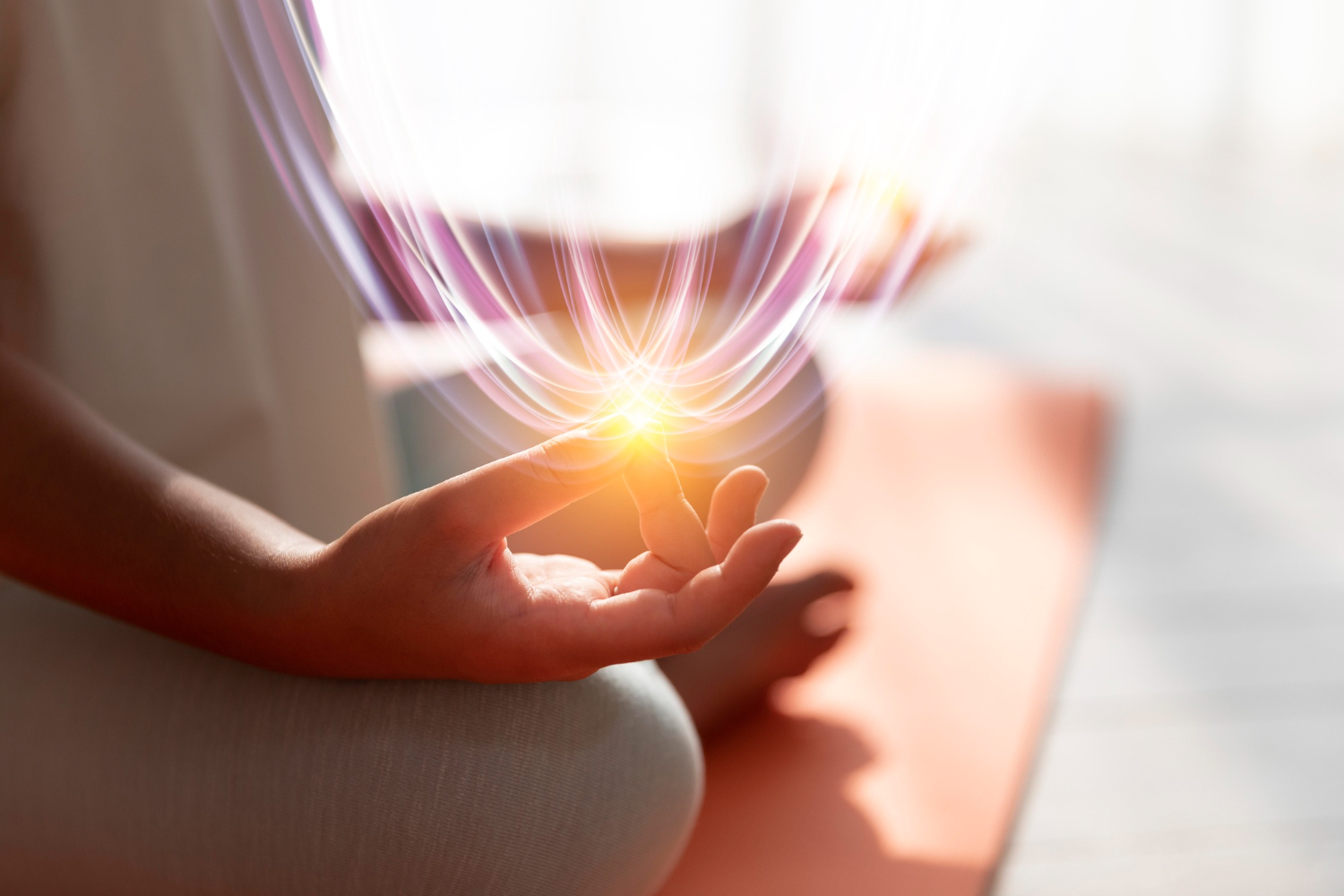
Meditation is a powerful technique proven to relax the mind, enhance concentration, and generate a feeling of peace and harmony in life. The only issue is that some people find out that they have these feelings of shaking or trembling in their bodies while they meditate. Despite the fact that such an experience may seem disturbing, it is a common one in cases of beginners in meditation. The object of our elaborate article will be not only learning what causes the shaking while meditating but also providing real-life examples to solve it.
What Is Shaking During Meditation?
The term “shaking during meditation” describes the involuntary muscle reactions in the body of some people while they are in their quiet zone. These movements can go from hardly noticeable to strong loud noises. The activity can be present for just a few minutes or for the entire period of the meditation. Although an individual might find it disturbing, shaking is usually quite safe, and what is more, it is closely connected with the enclosing deeper levels of physiological or psychological activities.
The Science Behind Meditation and the Body.
In order to track the reasons for the shaking, it is crucial to observe the correlation of meditation and the human body. While meditating, one comes into a very calm and relaxed condition and this, in turn, helps to gain concentration more easily and eliminates any shadow of tension. Reports from scientific studies demonstrate that the meditation practice has a direct effect on the parasympathetic nervous system, whose function is to calm down and handle food digestion.
When you meditate, the brain starts to produce alpha and theta waves, which are definitely slower, and the person who is meditating at that time benefits from relaxation. At the same time, these slow waves of relaxation can induce physical releases, among which muscle tremor is a classic example.
Related Stories
 Awakening Your Sacral Chakra: Beginner Yoga Poses, Mudras and Pranayamas
 7 Amazing 3 People Yoga Poses : Try It Today
Common Causes of Shake During Meditation.
1 Release of Tension and Energy.
A major cause that leads to the shaking is that people release pent-up negative mental and physical energy. For the most part, our muscles store stress, an example is, most typically the neck, shoulder, and lower back muscles.
As time passes and you get deeper into your meditation practice, your body will loosen up so that it will mantle this burden step by step and naturally. Consequently, a process like the body’s energy is transferred from your store part of the mind to other parts of the body where the energy gradually escapes out like swaying and shaking of the body parts that are involved in the process or energy released.
2 Kundalini Energy Awakening.
In some kinds of meditation especially that focused spiritual awakening forms of meditation like Kundalini meditation; shaking can related to rise of Kundalini energy. Kundalini is said to be a sleeping energy at the base of the spine and when meditation is done, it can awaken and pass through the body and causes physical sensations like sensations of heat and tingling or shaking.
Though Kundalini energy is generally sought by people for it spiritual growth, its sudden and uncontrolled emergence can sometimes results into severe physical reactions, like body tremble.
3 Deep Relaxation Response.
Tremor can also be as the bodies finds itself in an abnormal deep state of relaxation. The body twitch may occur in the process of letting go of conscious control as you go in meditation. It is like the feeling human beings have when they are about to go to sleep-called a hypnic jerk.
The more deep the meditation process, the greater is a chance to enter the raised state of relaxation where involuntary movement of muscles is frequent.
4 Nervous System Reset.
The effect of the meditation process on the autonomic nervous system especially in turning off the sympathetic “fight or flight” system (the calming function) is quite noticeable. In contrast to the nervous system that is still under tension, the one which is relaxed is the nervous system that recalibrates itself and as a result, it might cause tremor.
5 Overexcitement or Anxiety.
There is a lot of sensitivity or anxious thought when starting meditation even though one is using the tool of reducing anxiety. This may cause a series of reaction in the body since shaking is caused by tension. The trembling in this is case is usually due to over stimulation and not relaxation.
Personal Interview with Meditation Expert.
“To better find out the reasons for shaking while meditating, we had a conversation with Dr. Amanda Ruiz, a mindfulness coach with 15+ years of practicing mindfulness. Here’s the summary of the discussion:
Q: Why do some people shake during meditation, and is it something to be concerned about?
Dr. Ruiz: It is not a matter of big concern, rather quite natural and familiar. It’s the body’s way of vibrating to release tension or energy. Often, as we begin to meditate, we grant ourselves the right to be quiet, and our physical body just follows suit and starts eliminating the pressure that has accumulated. With regular practice, the majority of individuals say these feelings of vibration subside.
Q: How can people prevent or manage shaking during meditation?
Dr. Ruiz: Suppressing the shaking is not a good solution, it is important first of all. At the point when you try to stop it, it even gets worse. Instead, keep your cool, be in your breath deeply, and mindfully notice the sensation without any valuing or devaluing judgments. When the body gets used to this kind of practice, gradually these shaking sensations thus, hardly or never appear.
How to Deal with Shaking During Meditation?
Although a person is safe when shaking while meditating, it still can be annoying. Thus, the following pieces of advice can help one reduce it:
1 Focus on Your Breath.
Concentrating on your breath helps you feel more composed and connected, which in turn reduces the intensity of shaking. Breathe slowly, deeply, and practice prolonged exhaling, that is, activate your parasympathetic nervous system and relax your body.
2 Adjust Your Posture.
One probable reason behind your shaking may be that you were not tolerant of the posture while doing meditation. Be sure to sit with a straight spine that is not, however, stiff. If the position of a cross-legged sitting is inconveniencing, then, why not meditate in a chair or a bed? Good posture increases circulation that, plus, invites a relaxation condition of the body.
3 Stay Present and Observant.
Shifting your focus from the shaking, what if you detach from it and observe it as a distant onlooker, but still curious? This is a mindfulness method. As the mind gets used to freeing itself from tension just by observing, which is a principle, it creates a way for the body to calm down, and that could lead to the withdrawal of the physical response.
4 Start with Shorter Sessions.
This piece of advice might be especially helpful for you: if you are the newbie in meditation, then be sure that your initial attempts of meditation are of a few minutes, and gradually increase that time. Through the short-time sessions, the newborn beginners can accommodate the process of calming and thus attain the ability to sit still comfortably without shaking. While your body adapts to meditation, you will notice less and less of this shaking behavior.
Scientific Evidence on Shaking During Meditation.
The findings of many investigations are a confirmation that through meditation one is able to experience such physical signs as tremors. Research works primarily show that meditation is an inducer of changes in brainwave dynamics and, what follows, an activation of nervous system and body changes, which manifest through side effects such as uncontrollable motor actions. A 2018 research work, in the journal Mindfulness, which focused on the effectiveness of swimming as a relaxation strategy for stress, has reported that in general, deep relaxation techniques produce muscle-related symptoms such as trepidation, as a person’s body movement shifts from an awake state to a relaxed state.(1)

Bottom Line.
Even though shaking during meditation may be strange, most of the time, it can be a signal that the body is resolving tension or integrating it with the new practice. If you can recognize the source of your shaking and master the art of discovering the cause with curiosity, not anxiety, through this experience, you can not only make your meditation even more beneficial to yourself but also be at peace.
+1 Source
Freaktofit has strict sourcing guidelines and relies on peer-reviewed studies, educational research institutes, and medical organizations. We avoid using tertiary references. You can learn more about how we ensure our content is accurate and up-to-date by reading our editorial policy.
- Effectiveness of Progressive Muscle Relaxation, Deep Breathing, and Guided Imagery in Promoting Psychological and Physiological States of Relaxation; https://pmc.ncbi.nlm.nih.gov/articles/PMC8272667/