









































 Workout

 Meditation


 Podcast
 E-book
The Fast Facts
- As much as the advantages of artificial selection are evident, there is the need to use it carefully and responsibly so as to ensure the genetic diversity and sustainability….
- Through repetitive selection and breeding of plants or animals of desirable traits the human race has been able to enhance the quality of food, augment the production and come up with varieties that will more effectively fulfill our needs.
- Artificial selection is in the hands of the human being as compared to natural selection where nature determines which characteristics to survive.

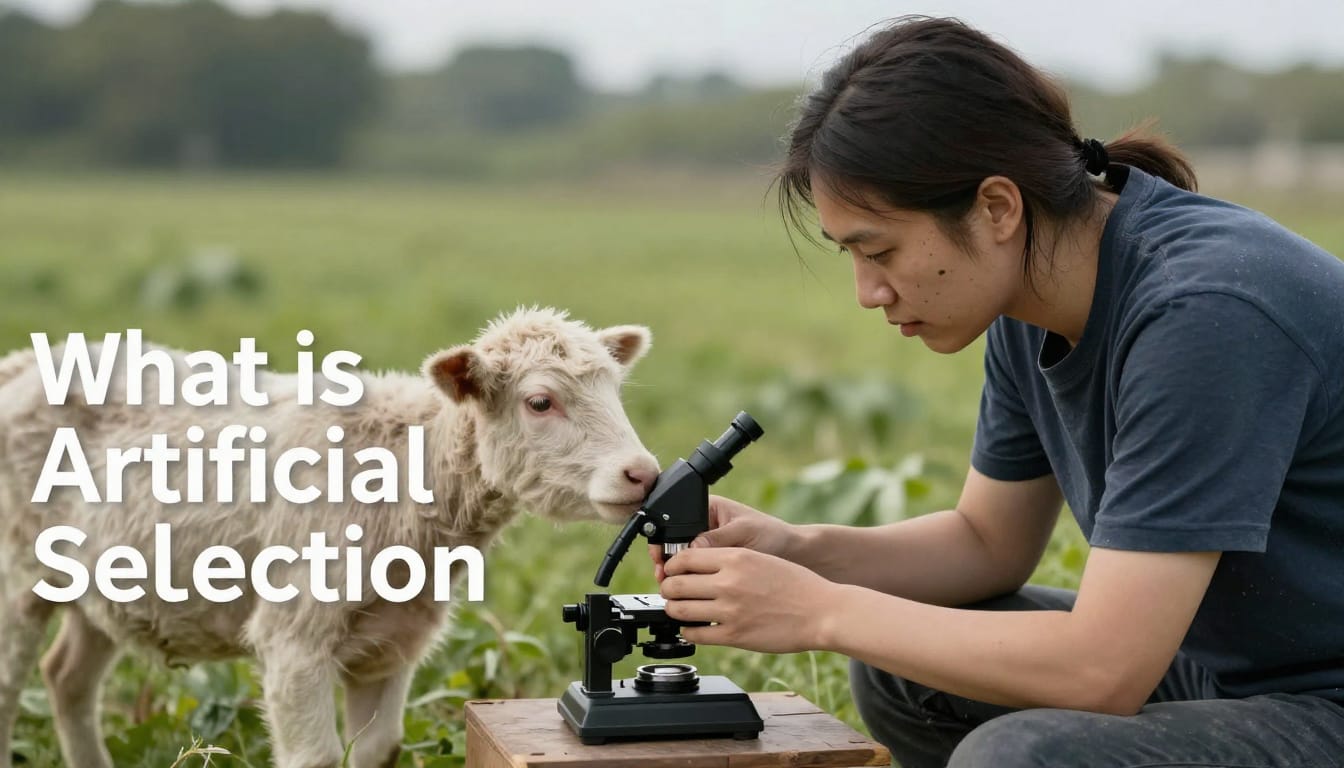
Artificial selection is an act in which human beings selectively breed the plants or animals they desire and raise them to get their desired traits. Artificial selection is in the hands of the human being as compared to natural selection where nature determines which characteristics to survive.
The technique has been employed thousands of years in the field of agriculture, breeding of animals and even in recent biotechnology.
What is the Meaning of Artificial Selection?
In simple terms human beings select the most favorable traits and breed creatures to continue the same.
Related Stories
 Liver Cirrhosis Treatment and Prevention: Protecting Your Liver for Life
 Resolving Conflicts In Relationships
The Process of Artificial Selection.
Artificial selection takes the following steps:
- Determine an attribute that you would like (e.g. bigger fruit, more milk, faster growth).
- Take the organisms with this characteristic.
- Breed them together.
- The process should be repeated across generations.
- The characteristics get enhanced and firm with time.

Artificial selection examples.
1 What is Artificial Selection in Animals.
Dogs: It is all the breeds of dogs that were the product of selection.
Cows: Raised to be more productive in terms of milk.
Horses: Chosen on the basis of speed, strength or endurance.

2 What is Artificial Selection in Plants.
Wheat: Genetically modified to be pest resistant and have greater yields.
Bananas: It was selected to be seedless and sweeter.
Cauliflower, broccoli, cabbage: All were descendants of the wild mustard.
Artificial Selection and Natural Selection.
| Artificial Selection | Natural Selection |
|---|---|
| Controlled by humans | Controlled by nature |
| Fast process | Slow process |
| Desired traits selected | Survival traits selected |
| Used in farming & breeding | Occurs in the wild |
Advantages of Artificial Selection.
- Enhances quality and quantity of food.
- Grows crops that are resistant to disease.
- Improves handy animal characteristics.
- Helps are effective in meeting human needs.
Contraindications of Artificial Selection.
- Reduces genetic diversity
- Possible to induce illness in animals.
- Reduces the flexibility of species.
- Excessive reliance on human factor.
Significance of Artificial Selection.
The artificial selection is important in:
- Food security and Agriculture.
- Livestock improvement.
- Scientific research.
- Economic growth.
In the absence of artificial selection, there could be no contemporary farming and domestication of animals.
Frequently Asked Questions.
1 In simple terms, what is the artificial selection?
Artificial selection refers to a situation where human beings decide which plants or animals will breed to acquire certain characteristics.
2 Who was the first to come up with the concept of artificial selection?
When Charles Darwin studied the breeding behavior, he explained the process of artificial selection.
3 Did genetic engineering equate to artificial selection?
No. Artificial selection involves the use of natural breeding whereas genetic engineering involves the direct manipulation of DNA.
4 What are 5 examples of artificial selection?
5 examples of artificial selection:
Dogs bred for different breeds
Cows bred for more milk
Wheat bred for high yield
Corn bred for larger cobs
Chickens bred for more eggs
5 What are the 4 types of artificial selection?
Directional selection – one desired trait chosen
Stabilizing selection – average traits preferred
Disruptive selection – extreme traits selected
Inbreeding – breeding closely related organisms
Final Thoughts.
Artificial selection demonstrates the process of human choice in influencing living organisms. Through repetitive selection and breeding of plants or animals of desirable traits the human race has been able to enhance the quality of food, augment the production and come up with varieties that will more effectively fulfill our needs.
Artificial selection has contributed significantly to the contemporary agricultural practices and daily activities in general starting with crops that yield more than others, to animals that possess certain features.
Nevertheless, as much as the advantages of artificial selection are evident, there is the need to use it carefully and responsibly so as to ensure the genetic diversity and sustainability in the long term.
The knowledge of the mechanism of artificial selection allows us to already realize its strength and its weaknesses, which is why it is a necessary concept in the field of biology and human.