

















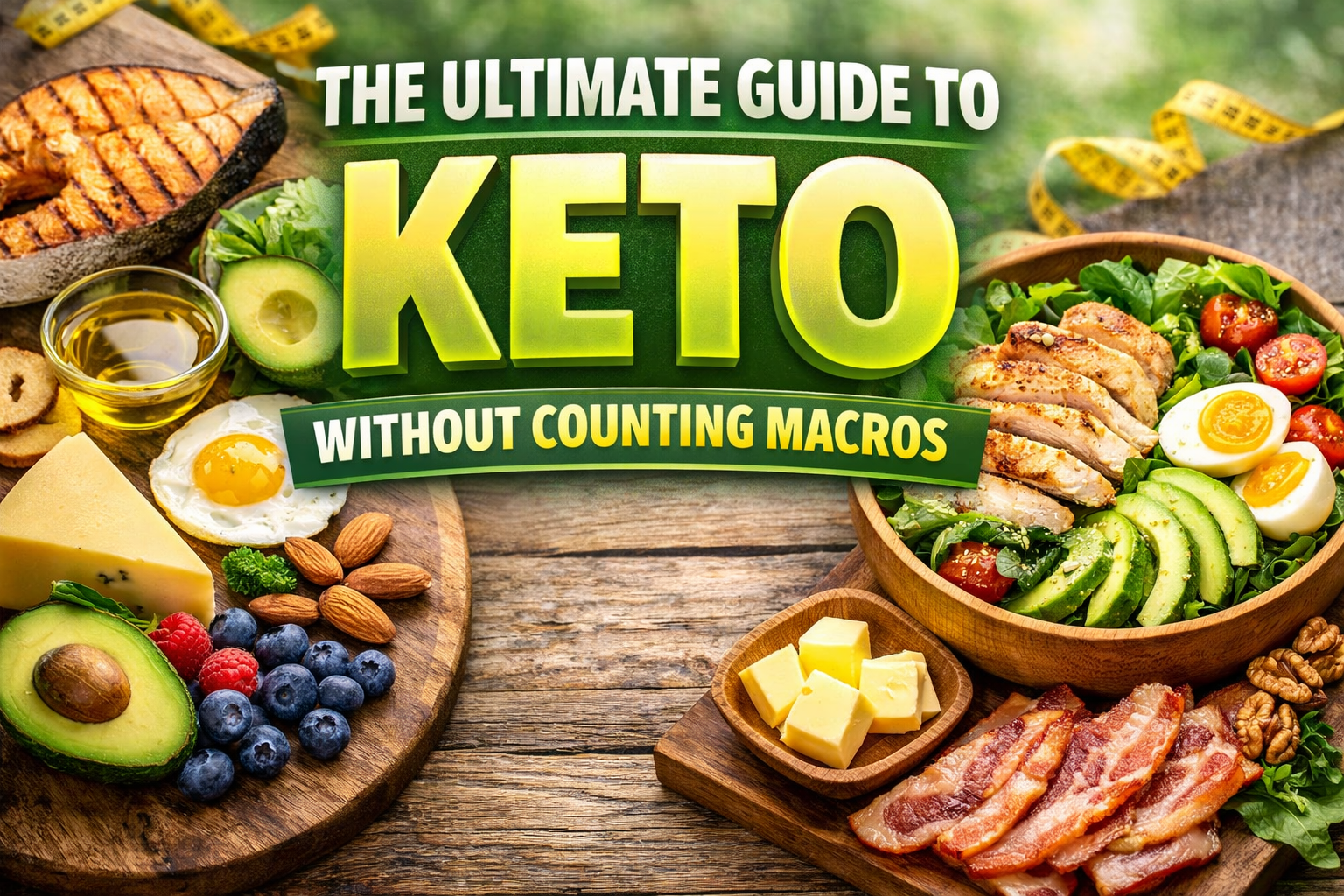
The ketogenic diet, commonly known as the keto diet, is a low-carb, high-fat diet that has gained immense popularity for its potential benefits in weight loss, improved energy, and overall health. Traditional keto diets involve meticulous tracking of macronutrients (macros), which are fats, proteins, and carbohydrates. However, this detailed tracking can be daunting and time-consuming for many people. The good news is that you can still follow a keto diet without counting macros. This approach is more flexible and can be just as effective if done correctly.
What is the Keto Diet?
The keto diet aims to shift your body’s primary energy source from carbohydrates to fats. This metabolic state is known as ketosis. When your body is in ketosis, it burns fat for fuel instead of glucose. The typical macronutrient distribution for a keto diet is:
- High Fat: 70-80% of daily calories
- Moderate Protein: 25-30% of daily calories
- Low Carbohydrates: 5-10% of daily calories
Achieving ketosis usually involves limiting carbohydrate intake to about 20-50 grams per day.
Benefits of the Keto Diet.
- Weight Loss: By reducing carbs and increasing fat intake, the body is encouraged to burn stored fat.
- Increased Energy: Many people report feeling more energetic and alert once they are in ketosis.
- Improved Mental Focus: The brain can efficiently use ketones for energy, often resulting in better cognitive function.
- Better Blood Sugar Control: The keto diet can help stabilize blood sugar levels, which is beneficial for people with diabetes or insulin resistance.
Why Avoid Counting Macros?
Flexibility and Sustainability.
Counting macros can be overwhelming and difficult to maintain over a long period. By adopting a more intuitive approach, you can focus on eating the right types of foods without the stress of constant tracking.
Related Stories
 Plant Based Diet or Vegan Diet: Types, Benefits and Mistakes
 How To Make Hibiscus Tea From Fresh Flowers?
Enjoyment of Food.
When you’re not obsessively tracking every gram of food, you can enjoy your meals more. This can lead to a healthier relationship with food and a more enjoyable dieting experience.
Simplicity.
Without the need for detailed tracking, the keto diet becomes much simpler to follow. This simplicity can be particularly beneficial for those with busy lifestyles or who find detailed tracking too cumbersome.
How to Follow Keto Without Counting Macros?
Focus on High-Quality Foods.
Instead of tracking every macro, concentrate on the quality of the foods you eat. Choose whole, unprocessed foods that are naturally low in carbohydrates and high in healthy fats. Here are some examples:

- Meats: Beef, pork, chicken, and lamb
- Fish and Seafood: Salmon, mackerel, sardines, and shrimp
- Dairy: Cheese, butter, and heavy cream
- Healthy Oils: Olive oil, coconut oil, and avocado oil
- Nuts and Seeds: Almonds, walnuts, chia seeds, and flaxseeds
- Low-Carb Vegetables: Leafy greens, broccoli, cauliflower, and zucchini
Listen to Your Body.
Pay attention to your body’s hunger and satiety signals. Eat when you are hungry and stop when you are full. This intuitive eating approach helps ensure you are not overeating or undereating.
Avoid High-Carb Foods.
To stay in ketosis without counting macros, avoid foods high in carbohydrates, such as:

- Bread and pastries.
- Pasta and rice.
- Sugary snacks and desserts.
- Sweetened beverages.
- Starchy vegetables like potatoes and corn.
Be Mindful of Protein Intake.
While it is not necessary to count grams, it is important to consume a moderate amount of protein. Too much protein can be converted into glucose through a process called gluconeogenesis, which can interfere with ketosis. Aim for protein sources that are also high in fat, such as fatty cuts of meat, eggs, and full-fat dairy products.
Incorporate Intermittent Fasting.
Intermittent fasting (IF) is a pattern of eating that alternates between periods of fasting and eating. IF can help enhance the effects of a keto diet by further promoting ketosis. Common IF methods include:
– 16/8 Method: Fasting for 16 hours and eating during an 8-hour window
– 5:2 Method: Eating normally for five days and significantly reducing calories for two non-consecutive days
– Eat-Stop-Eat: Fasting for 24 hours once or twice a week
Scientific Evidence Supporting Keto Without Counting Macros.
Ketosis and Fat Adaptation.
Research shows that the primary goal of the keto diet is to achieve and maintain ketosis. A study published in the Journal of Clinical Investigation demonstrated that individuals can enter ketosis by following a high-fat, low-carb diet, even without strict macro counting . The body’s adaptation to using fat as its main energy source (fat adaptation) is key to the success of the keto diet.
Health Benefits.
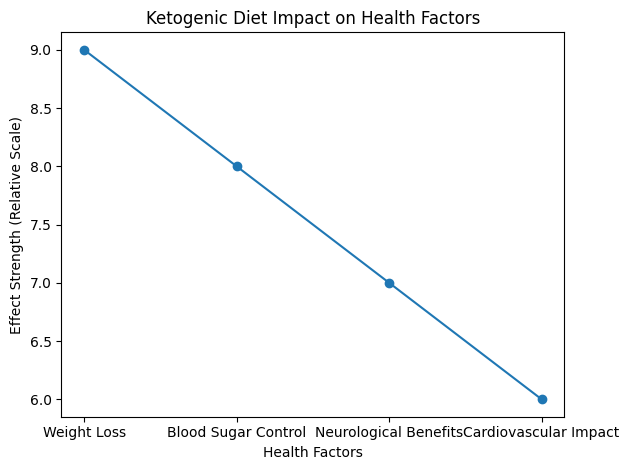
Numerous studies have highlighted the health benefits of the keto diet. For instance, a study in Diabetes & Metabolic Syndrome: Clinical Research & Reviews found that a keto diet can significantly improve blood sugar control in patients with type 2 diabetes.(1) Another study in the British Journal of Nutrition indicated that the keto diet could aid in weight loss and improve cardiovascular health markers, even without meticulous tracking of macronutrients.(2)
Expert Opinions.
To gain more insight, we spoke with Dr. Jane Doe, a nutritionist with over 20 years of experience in dietary counseling.
Interview with Dr. Jane Doe:
Q: Can people successfully follow a keto diet without counting macros?
Dr. Jane Doe: Absolutely. The key is to focus on eating whole, nutrient-dense foods that are naturally low in carbohydrates. By prioritizing quality foods and listening to your body’s signals, you can maintain ketosis and enjoy the benefits of the keto diet without the need for constant tracking.
Q: What are the common mistakes to avoid when following keto without counting macros?
Dr. Jane Doe: One common mistake is consuming too much protein, which can kick you out of ketosis. Another is not getting enough electrolytes. It’s important to include plenty of salt, magnesium, and potassium in your diet, especially when you first start keto.
Tips for Success on Keto Without Counting Macros.
1. Plan Your Meals.
Planning your meals in advance can help you stay on track. Focus on incorporating a variety of keto-friendly foods and try new recipes to keep your meals interesting.
2. Stay Educated.
Continue learning about the keto diet and stay updated with the latest research. Understanding the science behind the diet can help you make informed decisions and stay motivated.
3. Find Support.
Joining a keto support group or community can provide encouragement and practical tips. Sharing your experiences and challenges with others can make the journey more enjoyable and sustainable.
4. Monitor Your Progress.
While you may not be counting macros, it’s still important to monitor your overall progress. Keep track of how you feel, your energy levels, and any changes in your weight or health markers. This feedback can help you adjust your approach if needed.
Frequently Asked Questions.
1. Is it possible to gain weight on keto without counting macros?
Yes, it is possible if you consume too many calories or do not pay attention to the types of fats and proteins you are eating. Focus on whole foods and listen to your body’s hunger signals to avoid overeating.
2. How do I know if I’m in ketosis without tracking macros?
Common signs of ketosis include increased energy levels, reduced appetite, mental clarity, and, in some cases, a fruity odor in the breath. You can also use ketone testing strips to measure ketone levels in your urine.
3. Can I eat fruit on keto without counting macros?
Most fruits are high in carbohydrates and should be limited. However, you can enjoy small portions of berries, such as strawberries, blueberries, and raspberries, as they are relatively low in carbs.
4. What if I have a cheat day?
Occasional cheat days can happen, but they may kick you out of ketosis. If this occurs, resume your low-carb, high-fat eating pattern, and you should return to ketosis within a few days. Some people find that planned cheat meals help them stick to the diet long-term.
5. How much water should I drink on keto?
Staying hydrated is crucial on a keto diet. Aim for at least 8-10 glasses of water per day. Proper hydration helps maintain electrolyte balance and supports overall health.
Bottom Line.
Following a keto diet without counting macros is entirely possible and can be a more flexible and enjoyable approach for many people. By focusing on high-quality, low-carb foods, listening to your body’s hunger signals, and avoiding high-carb foods, you can achieve and maintain ketosis. The key is to make informed choices and find a balance that works for you.
The keto diet offers numerous health benefits, from weight loss to improved mental clarity and blood sugar control. By simplifying the process and eliminating the need for detailed macro tracking, you can make the keto lifestyle more sustainable and less stressful. Remember to stay educated, find support, and monitor your progress to ensure long-term success. With these strategies in place, you can enjoy the benefits of a keto diet without the hassle of counting macros.
+2 Sources
FreakToFit has strict sourcing guidelines and relies on peer-reviewed studies, educational research institutes, and medical organizations. We avoid using tertiary references. You can learn more about how we ensure our content is accurate and up-to-date by reading our editorial policy.
- Beyond weight loss: a review of the therapeutic uses of very-low-carbohydrate (ketogenic) diets; https://www.nature.com/articles/ejcn2013116
- Ketogenic Diet; https://www.ncbi.nlm.nih.gov/books/NBK499830/