










































 Workout

 Meditation


 Podcast
 E-book


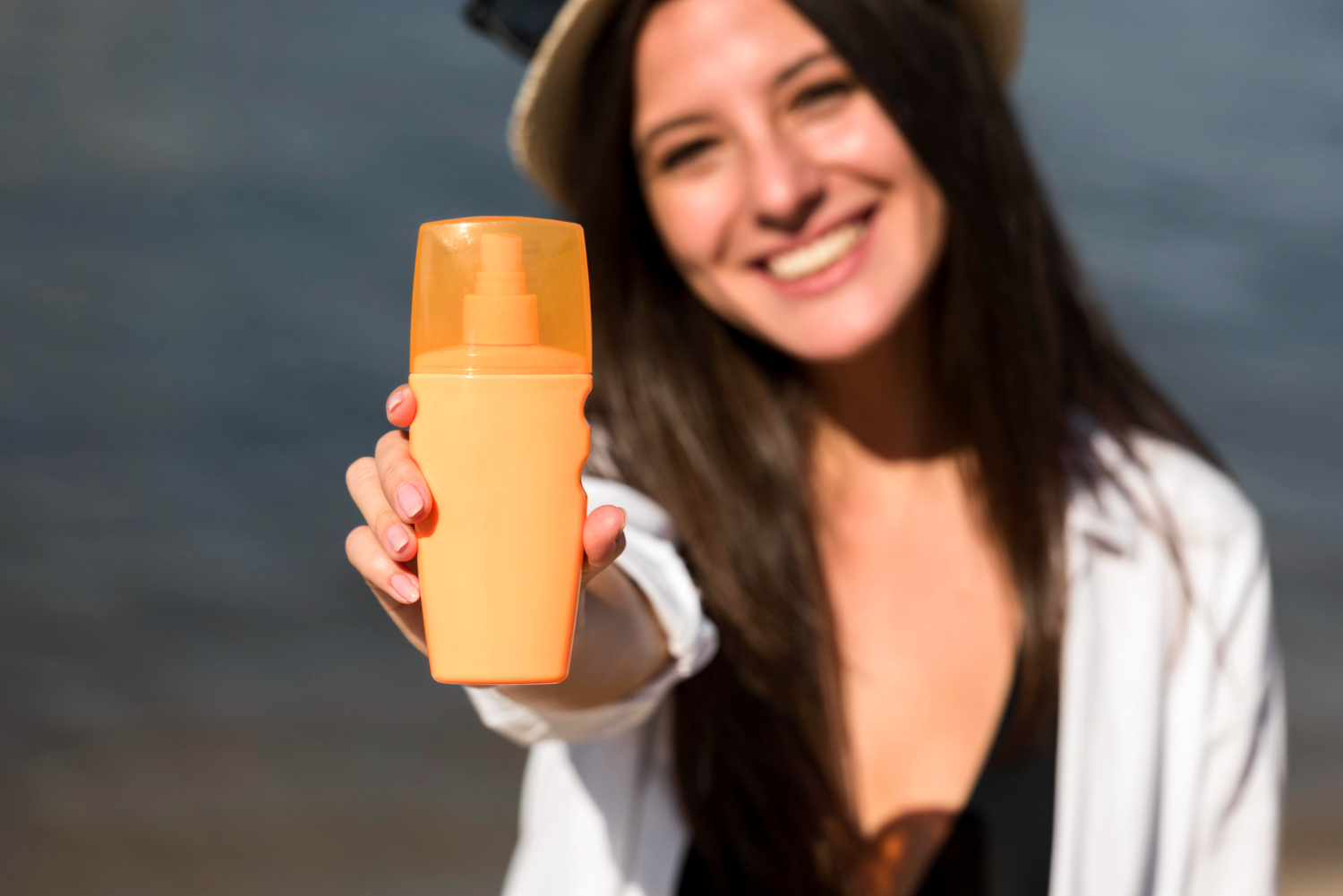
One of the most popular alternatives to sunbathing is spray tans that allow achieving a sun-kissed look without the damages associated with the use of UV rays. Nevertheless, spray tans lead to allergy in some individuals. Itching, redness, and other side effects that you may get after a spray tan should know what you can do about them to ensure they do not get worse, but to the contrary, reverse them. In this guide, every step will be discussed thoroughly, scientific evidence will be gathered and professional opinions will be addressed towards the control and prevention of spray tan allergic reactions.
What Causes Allergic Reactions to Spray Tans?
Spray tan normally includes the use of a substance known as DHA (dihydroxyacetone) which causes a reaction with the skin amino acids thus giving rise to a tanned effect. Although DHA is supposed to be a safe compound, there is a chance of you getting allergic to it or other constituents in the spray tan solution, i.e., fragrances, preservatives, or color additives.
Symptoms of an Allergic Reaction.
The allergic reaction to the application of spray tan can take any form, mild to serious and can include:
- Redness and inflammation.
- Itching or burning sensation.
- Rash or hives.
- Swelling, particularly on the face or around the eyes.
- Dry or flaky skin.
Immediate Steps to Take.
1 Wash Off the Spray Tan.
The initial thing is to eliminate the spray tan on your skin. Wash the infected problem with mild, non-fragrance soap and lukewarm water. Washing should not be done aggressively as this may continue annoying the skin.


2 Apply a Cool Compress.
To slow down inflammation and relieve the skin, it is possible to use a cool, damp cloth on the affected region. Put the compress on and leave it there around 15-20 minutes and repeat as many times as you need.
3 Use Over-the-Counter Antihistamines.
Itching and swelling are associated with allergic reactions and, therefore, can be reduced using antihistamines, e.g., Benadryl or Claritin. Take it according to the instructions on the package and ask a medical worker.
4 Apply Hydrocortisone Cream.
Redness and inflammation can be minimized with the aid of hydrocortisone cream. Massage affected part, no more than three times a day, with thin layer. Never apply it on lesions or extremely inflamed skin.
Expert Advice on Managing Allergic Reactions.
To get clearer information, we interviewed Dr. Emily Roberts a dermatologist that has more than 20 years of experience in treating skin allergies.
| 💡 Expert Interview: Dr. Lisa Thompson, Nutritionist. Dr. Emily Roberts interview. Q: What must one do in case one gets an allergic reaction during a spray tan? Dr Roberts: Number one, immediately discontinue the product. Once you detect symptoms, strip the spray tan off immediately and seek to apply no other skincare product that can worsen the condition of your skin. In case of severe reaction, talk to a doctor immediately.” Q: Are there particular ingredients in spray tans that possess more probability of causing an allergic reaction? Dr. Roberts: Yes, it is mainly DHA that is the active substance, but other substances, such as fragrances, preservatives such as parabens and some colourants, may also cause a reaction. Individuals with sensitive skin ought to consider those products that are hypoallergenic and absent of prevalent skin irritants.” Q: What can be done to avoid allergic reactions on spray tan in future? Dr. Roberts: “Before applying a new spray tan always do a patch test. Do a patch test on a small part of your body by applying some of the products, so that after 24-48 hours, you monitor whether a reaction is out there. This will aid you in detecting possible allergens prior to the extensive use of the product used. |
Scientific Evidence and Research.
The Role of DHA in Allergic Reactions.
The studies have revealed that DHA is mostly safe but it may trigger contact dermatitis to some people. According to a study published in Journal of the American Academy of dermatology DHA might be a skin irritant especially to people with pre-existing skin conditions such as eczema or psoriasis.(1)
The Impact of Fragrances and Preservatives.
The usual suspects are fragrances and preservatives in cosmetic allergies. The American Contact Dermatitis Society regards fragrances carriers as the most frequent allergens in skincare products. Parabens and formaldehyde-releasing sources are also preservatives that may lead to allergies.
Natural Remedies for Soothing Skin.
Interested users searching for some natural solutions to relieve allergic skin reactions are recommended to use the following preparations.
1 Aloe Vera.

Aloe vera contains anti-inflammatory and calming which could help minimize redness and irritation. Put raw aloe vera gel on the affected area.
2 Coconut Oil.
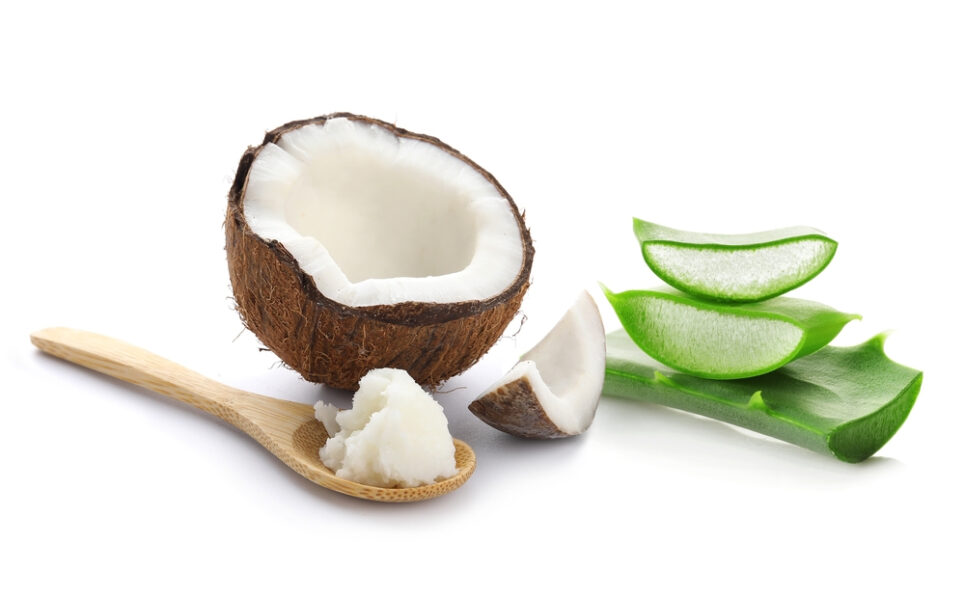
Coconut oil is moisturizing and has anti-inflammatory properties. It is possible to use it to calm down dry irritated skin. Put on some virgin coconut oil in the affected area and leave to dry up.
3 Oatmeal Baths.
Oatmeal is an age old medicine that has been employed to treat different skin disorders. Oatmeal bath may assist in reducing itching and inflamed skin. You can add a cup of colloidal oatmeal in warm or lukewarm bath and bath 15-20 minutes.
Preventing Future Allergic Reactions.
Patch Testing.
A patch test must be done analyzing a new spray tan product as Dr. Roberts noted. It is a basic precaution that will save you an allergic attack.
Choosing the Right Products.
Choose hypoallergenic products that do not contain everyday irritants such as fragrances and preservatives. Try to find out brands with transparent ingredients and a good rating among other sensitive skin users.
Consulting with a Dermatologist.
In case of a past history of skin allergies or when you are not certain of the products that would be safe to use, a dermatologist should be consulted. They will be able to give you individual advice and assist you in developing a skincare routine that would reduce the possibility of an allergic reaction.
Bottom Line.
Spray tan allergy can be quite disturbing to undergo and lead to rather unpalatable consequences, but their treatment can be taken care of through proper knowledge and attention. Knowing a bit about the ingredients that cause the different reactions, following advice submitted on doctors and using the right products one can get a beautiful tan too without the facing the harsh conditions to your skins health. And remember that it is also important to report a doctor in case of serious symptoms or the impossibility to manage it with the help of over-the-counter medicine. The healthier your skin always becomes the more attention and care you give it.
This guide shall make you aware of the risk the allergens can pose to you as you go through the procedure of acquiring a skin spray tan and by adopting the proper precaution measures together with learning how to prevent the incidence of an allergic reaction, you will gain the merits of a skin spray tan and manage to curtail the incidence of occurrence of an allergic reaction.
+1 Source
Freaktofit has strict sourcing guidelines and relies on peer-reviewed studies, educational research institutes, and medical organizations. We avoid using tertiary references. You can learn more about how we ensure our content is accurate and up-to-date by reading our editorial policy.
- Skin Conditions and Complementary Health Approaches: What the Science Says; https://www.nccih.nih.gov/health/providers/digest/skin-conditions-and-complementary-health-approaches-science