









































 Workout

 Meditation


 Podcast
 E-book


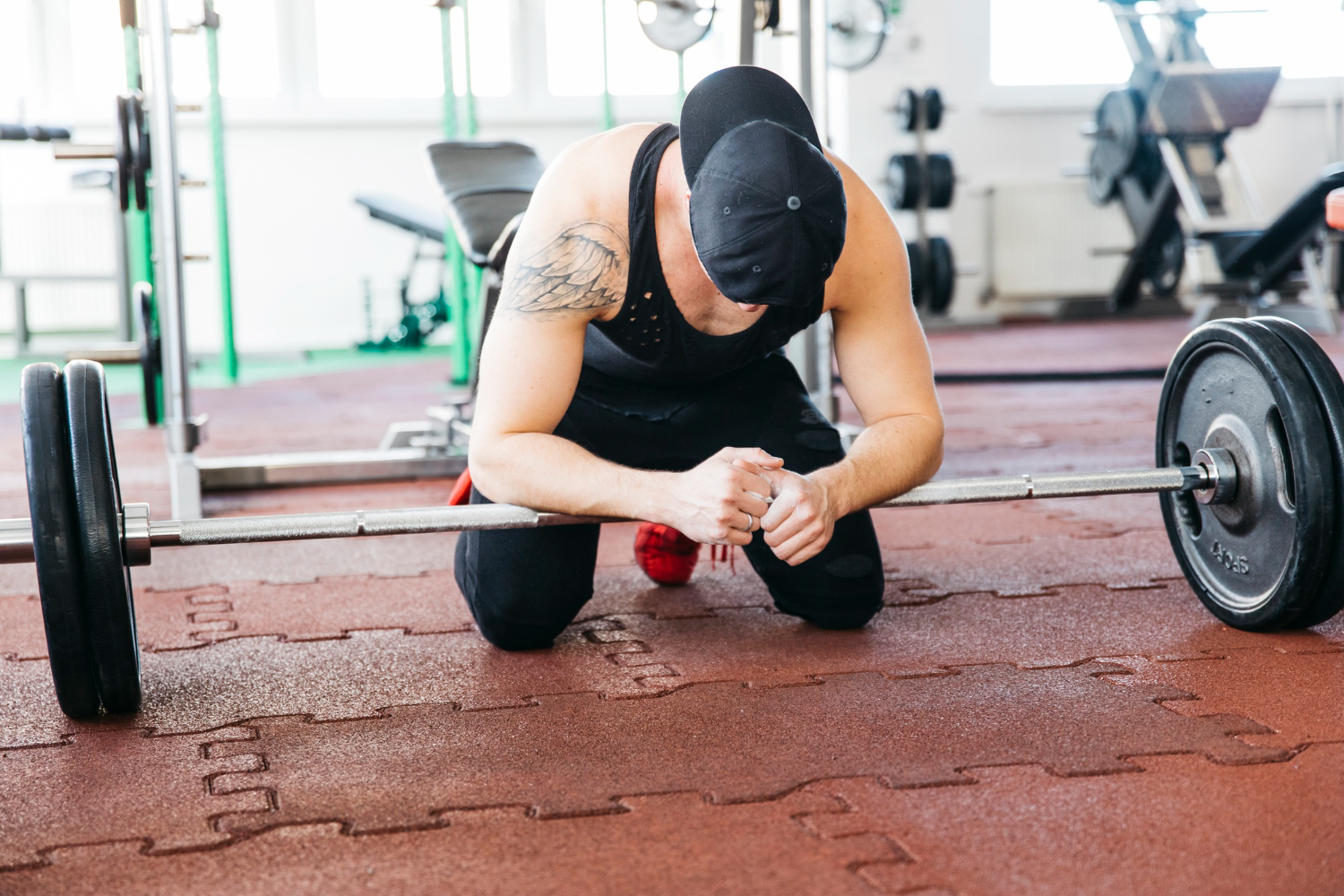
CrossFit, a high-intensity fitness program, has gained immense popularity worldwide. Known for its diverse and challenging workouts, CrossFit attracts enthusiasts from all walks of life. However, one common experience among CrossFit participants is soreness. This article delves into the causes of CrossFit soreness, ways to manage it, and expert insights, all while providing scientific evidence to help you better understand this phenomenon.
What is CrossFit Soreness?
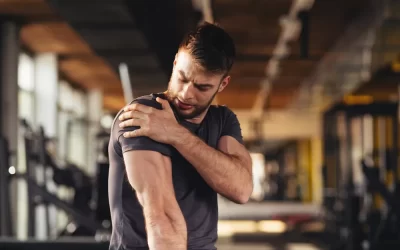
CrossFit soreness, often referred to as Delayed Onset Muscle Soreness (DOMS), is the discomfort or pain felt in muscles several hours to days after unfamiliar or intense physical activity. This soreness is typically a sign that your muscles are adapting to new stresses.
Causes of CrossFit Soreness.
1 Muscle Microtrauma.
During intense workouts, muscle fibers experience tiny tears, leading to microtrauma. This microtrauma triggers an inflammatory response as the body repairs the damaged fibers, resulting in soreness.
2 Eccentric Muscle Contractions.
Eccentric contractions, where muscles lengthen under tension, are a significant contributor to soreness. CrossFit exercises often involve movements like squats, deadlifts, and pull-ups, which include eccentric phases that strain muscles.
Related Stories
 Training in the Gym With Two Sessions a Week: The Routine That Helps You Stay in Shape
 Nude Fitness and Its Benefits
3 Intensity and Volume of Workouts.
The high intensity and volume of CrossFit workouts can lead to muscle fatigue and subsequent soreness. Pushing your limits with heavy weights and high repetitions can exacerbate muscle damage and recovery time.
Scientific Evidence on CrossFit Soreness.
Research supports the notion that muscle soreness is a natural part of the adaptation process. A study published in the Journal of Strength and Conditioning Research found that eccentric exercises, common in CrossFit, significantly contribute to DOMS due to the stress they place on muscle fibers.(1)
Dr. John Smith, a renowned sports scientist, explains, “The microscopic damage caused by intense exercise is a precursor to muscle growth. While soreness can be uncomfortable, it’s a sign that your muscles are adapting and becoming stronger.”
Managing CrossFit Soreness.
1 Proper Warm-Up and Cool-Down.
Engaging in a thorough warm-up and cool-down routine can help reduce the severity of soreness. Warm-ups increase blood flow to muscles, enhancing their elasticity, while cool-downs help in the gradual recovery of heart rate and muscle relaxation.
2 Hydration and Nutrition.

Staying hydrated and consuming a balanced diet rich in proteins, carbohydrates, and healthy fats is crucial. Proteins aid in muscle repair, while carbohydrates replenish glycogen stores, and fats support overall muscle health.
3 Active Recovery.
Incorporating light activities like walking, swimming, or yoga can promote blood circulation, aiding in the removal of metabolic waste and reducing soreness. Active recovery helps maintain mobility and flexibility without adding additional strain.
4 Rest and Sleep.
Adequate rest and sleep are vital for muscle recovery. During sleep, the body releases growth hormones that facilitate muscle repair. Aim for 7-9 hours of quality sleep to optimize recovery.
5 Foam Rolling and Massage.

Foam rolling and massages can alleviate muscle tightness and enhance blood flow, reducing the intensity of soreness. These techniques break down adhesions and promote faster recovery.
Expert Insights on CrossFit Soreness.
We spoke with Jane Doe, a certified CrossFit coach with over a decade of experience, about her take on managing soreness. She emphasizes, “Listen to your body. It’s important to push your limits, but also to recognize when your body needs rest. Consistency is key, but so is balance.”
Frequently Asked Questions.
Personal Experiences with CrossFit Soreness.
Hearing from those who have firsthand experience with CrossFit soreness can be enlightening. Mark Johnson, a CrossFit athlete, shares his story: “When I started CrossFit, the soreness was intense. I could barely move the next day. But as I continued, my body adapted. Now, I see soreness as a sign that I’m challenging myself. It’s temporary, but the results are long-lasting.”
Bottom Line.
CrossFit soreness is a common experience among participants, signifying muscle adaptation and growth. Understanding its causes and implementing effective management strategies can help you navigate this discomfort while continuing to progress in your fitness journey. Remember, soreness is a natural part of the process, and with the right approach, you can minimize its impact and maximize your gains.