








































 Workout

 Meditation


 Podcast
 E-book

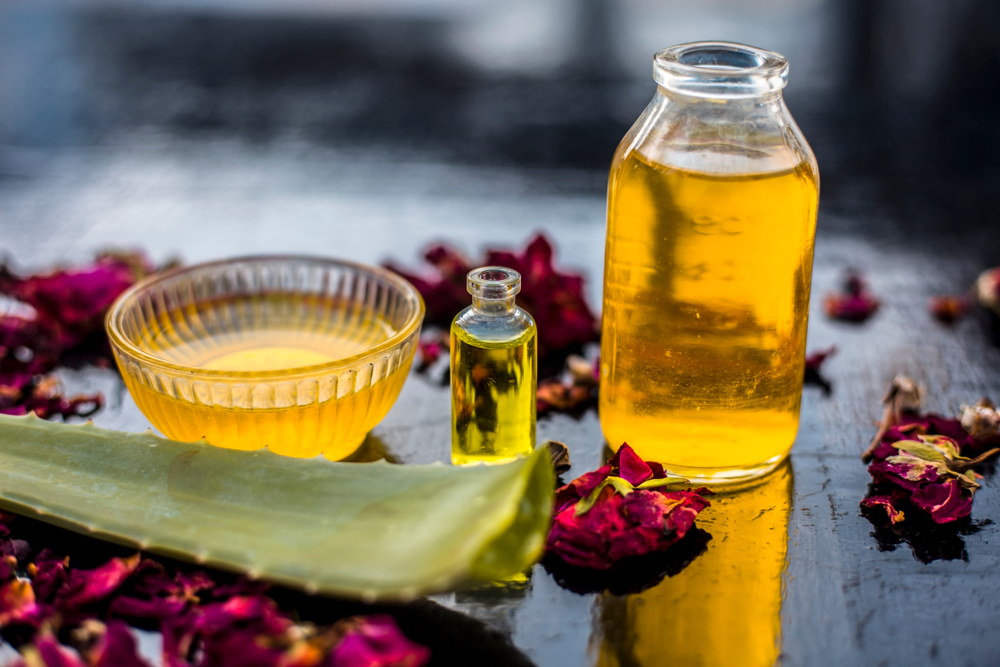
When it comes to natural hair care, tea tree shampoo and conditioner offer many benefits. Tea tree is an essential oil extracted from the leaves of the Melaleuca alternifolia tree and has been used for centuries for its medicinal and healing properties. Tea tree shampoo and conditioner help to nourish and hydrate your hair, as well as provide antimicrobial and anti-inflammatory benefits to your scalp. In this article, we will discuss 10 of the many benefits of tea tree shampoo and conditioner.
10 Benefits of Tea Tree Shampoo and Conditioner.
1 Soothes itchiness and dryness.
One of the main benefits of tea tree shampoo and conditioner is its ability to soothe itchy and dry scalps. Tea tree has antiseptic and anti-inflammatory properties, which help to reduce itchiness and relieve dryness caused by skin conditions like eczema or psoriasis.
It also helps to protect your scalp from further damage caused by scratching and irritation. Tea tree shampoo and conditioner can help restore moisture balance to the scalp, leaving your hair feeling soft, smooth and nourished.
2 Reduces dandruff.
One of the main benefits of tea tree shampoo and conditioner is that it can reduce dandruff. This is due to the anti-inflammatory and antimicrobial properties of tea tree oil which help to reduce inflammation and irritation on the scalp.
Related Stories
 How Does Insulin Injections Work in Diabetes?
 8 Proven Health Benefits of Cold Air Intake That You Must Know
The antifungal properties can also help to reduce any buildup of fungus that can cause dandruff. Tea tree oil helps to balance out the pH level of the scalp and its natural oils, helping to keep it from becoming too dry or too oily.
Regular use of tea tree oil shampoo and conditioner can help keep dandruff at bay, leaving your scalp looking and feeling healthier and more balanced.(1)
Read More: How To Tie Hair To Prevent Hair Loss
3 Cleanses the scalp.
One of the biggest benefits of tea tree oil shampoo and conditioner is its ability to cleanse your scalp. Tea tree oil is known for its natural antiseptic and antimicrobial properties, which can help reduce inflammation and eliminate bacteria.
In turn, this helps unclog pores and remove excess dirt, oil, and dead skin cells from the scalp. This leaves your scalp feeling refreshed and free from irritation, allowing your hair to look healthier.(2)
4 Stimulates hair growth.
One of the most significant benefits of tea tree oil shampoo and conditioner is that it can help stimulate hair growth. Tea tree oil is a natural antiseptic, which means it helps to clear out any bacteria or residue on your scalp that could be blocking healthy hair growth.
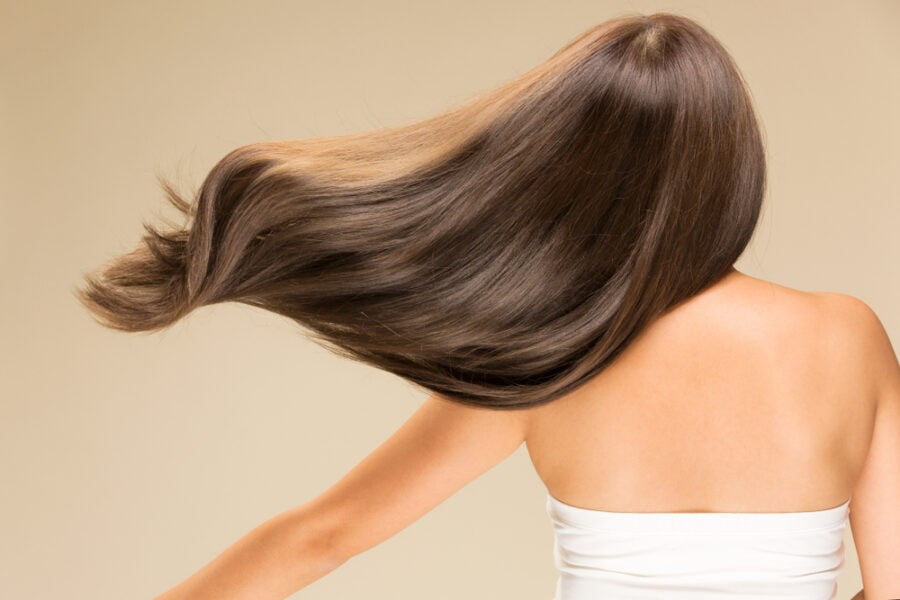
This allows your scalp to become healthier and promotes new hair growth. Tea tree oil can also help increase blood flow to your scalp, which also helps promote new hair growth.
Furthermore, its anti-inflammatory properties can help reduce inflammation on the scalp and encourage healthier hair growth.
5 Prevents lice.
One of the major benefits of tea tree oil shampoo and conditioner is its ability to prevent lice. Tea tree oil has antiseptic and antifungal properties that help to kill lice and their eggs.
Additionally, the strong aroma of tea tree oil helps to repel lice and keep them away from the scalp. When used regularly, tea tree oil shampoo and conditioner can help to protect the hair from infestations of lice.(3)
6 Relieves scalp psoriasis.
Psoriasis is an inflammatory condition of the skin that can affect the scalp, leading to scaly and flaky patches. The anti-inflammatory and antiseptic properties of tea tree oil make it a popular choice for people with scalp psoriasis.
Tea tree oil helps soothe itching, irritation and redness, as well as reducing inflammation associated with the condition. Regular use of tea tree oil shampoo and conditioner can provide relief from psoriasis symptoms and help prevent flare-ups.
Studies show that shampoo containing tea tree oil is as effective as a topical steroid in controlling scalp psoriasis symptoms, with fewer side effects.(4)
Read More: Want To Remove Stickiness of Hair? Use Lemon and Mint
7 Reduces eczema flare-ups.
Eczema can be an uncomfortable and irritating condition that affects the skin. Eczema flare-ups can occur anywhere on the body, including the scalp. Fortunately, one of the many benefits of tea tree oil shampoo and conditioner is that it can help reduce the severity of eczema flare-ups.
Tea tree oil has anti-inflammatory properties that help to soothe itchy skin, as well as anti-microbial properties that help to reduce bacteria on the scalp which can worsen eczema.
Additionally, its antiseptic qualities help to reduce inflammation and swelling caused by eczema. For best results, using a tea tree oil shampoo and conditioner regularly can help to keep eczema under control and prevent flare-ups.(5)
8 Moisturizes the scalp.
One of the benefits of tea tree oil shampoo and conditioner is that it helps to moisturize the scalp. Tea tree oil contains antiseptic and anti-inflammatory properties that help to reduce dryness, itchiness and flaking of the scalp.
Additionally, its emollient properties keep the scalp hydrated, leaving your hair looking and feeling softer and smoother. It also helps to protect against environmental pollutants, which can also cause scalp irritation.
Finally, it helps to repair damage from styling products such as gels, mousses, and other styling products.
9 Smells amazing.
One of the biggest benefits of tea tree oil shampoo and conditioner is its beautiful scent. Tea tree oil has a naturally refreshing and invigorating smell that can lift your mood and provide an aromatherapy experience every time you wash your hair.
Not only does this smell amazing, but it also acts as a natural deodorizer that keeps your hair smelling fresh throughout the day.
10 It’s all-natural.
The final and most important benefit of tea tree oil shampoo and conditioner is that it’s all-natural. Tea tree oil comes from the leaves of the Melaleuca alternifolia tree, which is native to Australia.
As such, it contains no harsh chemicals or additives, making it safe for your hair and scalp. The natural antiseptic, antifungal, and antibacterial properties of tea tree oil can help to soothe an irritated scalp and protect your hair from further damage.
It also has moisturizing properties that can help keep your scalp and hair hydrated. The natural benefits of tea tree oil shampoo and conditioner make it an ideal choice for anyone looking to take care of their hair in a natural, safe way.
Read More: Does Hair Gel Cause Hair Loss : The Truth Revealed!
side effects of tea tree shampoo and conditioner.
Despite the many benefits of tea tree oil shampoo and conditioner, it is important to be aware of its potential side effects :-
1 Redness and Itching.
Tea tree oil can irritate your scalp, leading to redness and itching. If you notice these symptoms, stop using the product immediately and consult with a dermatologist.(6)
2 Skin Dryness.
While tea tree oil has moisturizing properties, it can also cause your scalp to become dry if overused.
3 Burning Sensation.
Some people may experience a burning sensation after applying tea tree oil shampoo and conditioner. This is usually due to an allergic reaction.
4 Hair Loss.
Overuse of tea tree oil shampoo can lead to excessive hair loss due to the scalp being stripped of its natural oils.
5 Folliculitis.
Folliculitis is an infection of the hair follicles caused by the use of tea tree oil shampoo and conditioner. Symptoms include red bumps, itching, and pain at the affected area.
If you experience any of these side effects, it’s important to stop using the product and seek medical help as soon as possible. Despite the potential side effects, the benefits of tea tree oil shampoo and conditioner still outweigh the risks when used correctly.
Read More: What Is Nano Strips For Hair Loss?
How to use Tea Tree Oil Shampoo & Conditioner?
When using this product, it is important to follow the instructions listed on the package.
At first start by wetting your hair with lukewarm water, then apply a small amount of shampoo to your scalp and massage gently with your fingertips.
Once you’ve massaged it into the scalp, rinse it out with lukewarm water. After rinsing out the shampoo, apply a small amount of conditioner to the lengths of your hair. Leave it on for a few minutes before rinsing it out with lukewarm water.
By following these steps and using the product as instructed, you can experience the benefits of tea tree oil shampoo and conditioner.
Frequently Asked Questions.
Yes, tea tree oil shampoo is great for dry hair! Tea tree oil is a natural anti-fungal and anti-bacterial agent, making it the perfect choice for treating dry hair.
Yes, because tea tree oil contains antimicrobial and antiseptic properties that can reduce inflammation on the scalp, which can help prevent hair loss caused by infections or skin conditions.
Yes, tea tree oil shampoo can be beneficial for oily hair. Tea tree oil is known for its anti-inflammatory and anti-bacterial properties, which help reduce excess oils on the scalp and promote a healthy scalp.
Yes, because this all-natural shampoo is packed with the benefits of tea tree oil, which can help to reduce dryness and itchiness, as well as alleviate other scalp conditions such as dandruff, psoriasis, and eczema.
No, it is never recommended to use pure tea tree oil without diluting on the scalp.
Yes, tea tree shampoo is good for dandruff as it helps to stop yeast growth on the scalp.
Bottom Line.
Benefits of tea tree oil shampoo and conditioner are abundant. Not only does it provide relief from itchy and dry scalp, dandruff, psoriasis, eczema, and lice, but it also helps to stimulate hair growth, moisturize the scalp, and leave it smelling great. Tea tree oil is a natural product, so it’s safer than chemical-laden products. Whether you have oily, dry, or normal hair, tea tree oil shampoo and conditioner can be beneficial for keeping your scalp and hair healthy.
+5 Sources
Freaktofit has strict sourcing guidelines and relies on peer-reviewed studies, educational research institutes, and medical organizations. We avoid using tertiary references. You can learn more about how we ensure our content is accurate and up-to-date by reading our editorial policy.
- Treatment of dandruff with 5% tea tree oil shampoo; https://pubmed.ncbi.nlm.nih.gov/12451368/
- Melaleuca alternifolia (Tea Tree) Oil: a Review of Antimicrobial and Other Medicinal Properties; https://www.ncbi.nlm.nih.gov/pmc/articles/PMC1360273/
- Activity of tea tree oil and nerolidol alone or in combination against Pediculus capitis (head lice) and its eggs; https://www.ncbi.nlm.nih.gov/pmc/articles/PMC3480584/
- A case series of the effects of a novel composition of a traditional natural preparation for the treatment of psoriasis ; https://www.ncbi.nlm.nih.gov/pmc/articles/PMC5067857/
- Tea tree oil attenuates experimental contact dermatitis; https://pubmed.ncbi.nlm.nih.gov/20865268/
- Allergy to tea tree oil: retrospective review of 41 cases with positive patch tests over 4.5 years; https://pubmed.ncbi.nlm.nih.gov/17535193/