








































 Workout

 Meditation


 Podcast
 E-book


In our fast-paced and unpredictable world, accidents and emergencies can happen at any time, often when we least expect them. When it comes to the well-being of our loved ones, being prepared for unforeseen situations is paramount. Obtaining First Aid and CPR certification is a crucial step towards building a safety net that can make a significant difference in emergencies. In this article, we will explore the importance of First Aid and CPR certification, the key skills it imparts, and how it can empower individuals to take immediate action in critical situations.
1 Understanding the Importance of First Aid and CPR Certification.
CPR first aid certification is a life-saving skill that can be applied in various emergencies, including accidents, sudden illnesses, and cardiac arrests. The primary goal of First Aid is to provide immediate care until professional medical help arrives, reducing the severity of injuries and improving the chances of recovery. CPR, on the other hand, is a technique used to maintain blood circulation and oxygen supply to vital organs when a person’s heart has stopped beating.
The importance of First Aid and CPR certification cannot be overstated. It equips individuals with the knowledge and skills needed to assess a situation, make informed decisions, and administer appropriate care promptly. By obtaining certification, you are not only safeguarding the well-being of your loved ones but also becoming a valuable resource in your community.
2 Key Skills Learned through First Aid and CPR Certification.
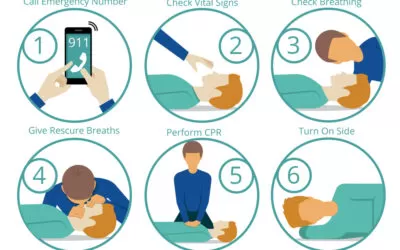
a. Recognition and Response: One of the fundamental skills taught in First Aid and CPR courses is the ability to recognize emergencies and respond appropriately. This includes assessing the scene, ensuring personal safety, and activating the emergency medical services.
Related Stories
 Steroids: Types, Usage, Advantages and Disadvantages
 Digital Nervous System Dysregulation (2026): Why You’re Exhausted, Wired, and Weirdly Unable to Relax 😵💫
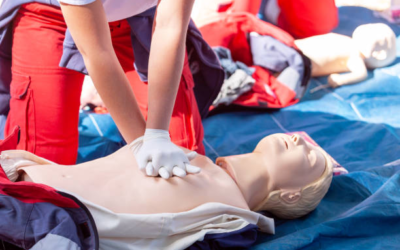
b. Cardiopulmonary Resuscitation (CPR): CPR is a critical skill that can mean the difference between life and death in cardiac emergencies. Certification courses teach the correct technique for chest compressions, rescue breaths, and the use of automated external defibrillators (AEDs).
c. Choking Response: Knowing how to assist someone who is choking is a vital aspect of First Aid. Certification programs cover techniques for relieving a blocked airway and providing assistance to both adults and infants.
d. Wound Care and Bleeding Control: First Aid courses also focus on treating injuries such as cuts, burns, and fractures. Participants learn how to clean and dress wounds, control bleeding, and minimize the risk of infection.
e. Shock Management: Understanding the signs and symptoms of shock and knowing how to manage it is another crucial skill acquired through certification. Prompt intervention can be essential in stabilizing a person’s condition before professional help arrives.
3 Empowering Individuals to Take Immediate Action.
In emergencies, time is often of the essence. Having individuals with First Aid and CPR certification in the vicinity can make a significant impact on the outcome of an incident. When accidents occur, having someone who can take immediate action while waiting for professional help can be the difference between life and death.
Certification empowers individuals not only with the knowledge of life-saving techniques but also with the confidence to act decisively in high-pressure situations. This empowerment extends beyond the individual, creating a ripple effect in communities as more people become advocates for safety and preparedness.
4 Community Impact and Responsiveness.
Communities that prioritize First Aid and CPR training create a safer environment for everyone. Whether at home, in the workplace, or in public spaces, the presence of trained individuals enhances the overall responsiveness to emergencies. This collective preparedness fosters a sense of security and solidarity within communities, contributing to a culture of safety.
In workplaces, having employees with First Aid and CPR certification can enhance workplace safety, reduce the severity of injuries, and even lower the number of workplace accidents. Employers may find that investing in the certification of their staff not only aligns with occupational health and safety regulations but also creates a more resilient and prepared workforce.
Bottom Line.
First Aid and CPR certification serves as a vital safety net for your loved ones and the wider community. By acquiring these skills, individuals become proactive agents of safety, capable of responding effectively in critical situations. The knowledge gained through certification is not just theoretical; it transforms into practical, life-saving actions that can make a difference when it matters most. As we navigate the uncertainties of life, investing in First Aid and CPR certification is an investment in preparedness, empowerment, and the well-being of those we hold dear.