












































 Workout

 Meditation


 Podcast
 E-book


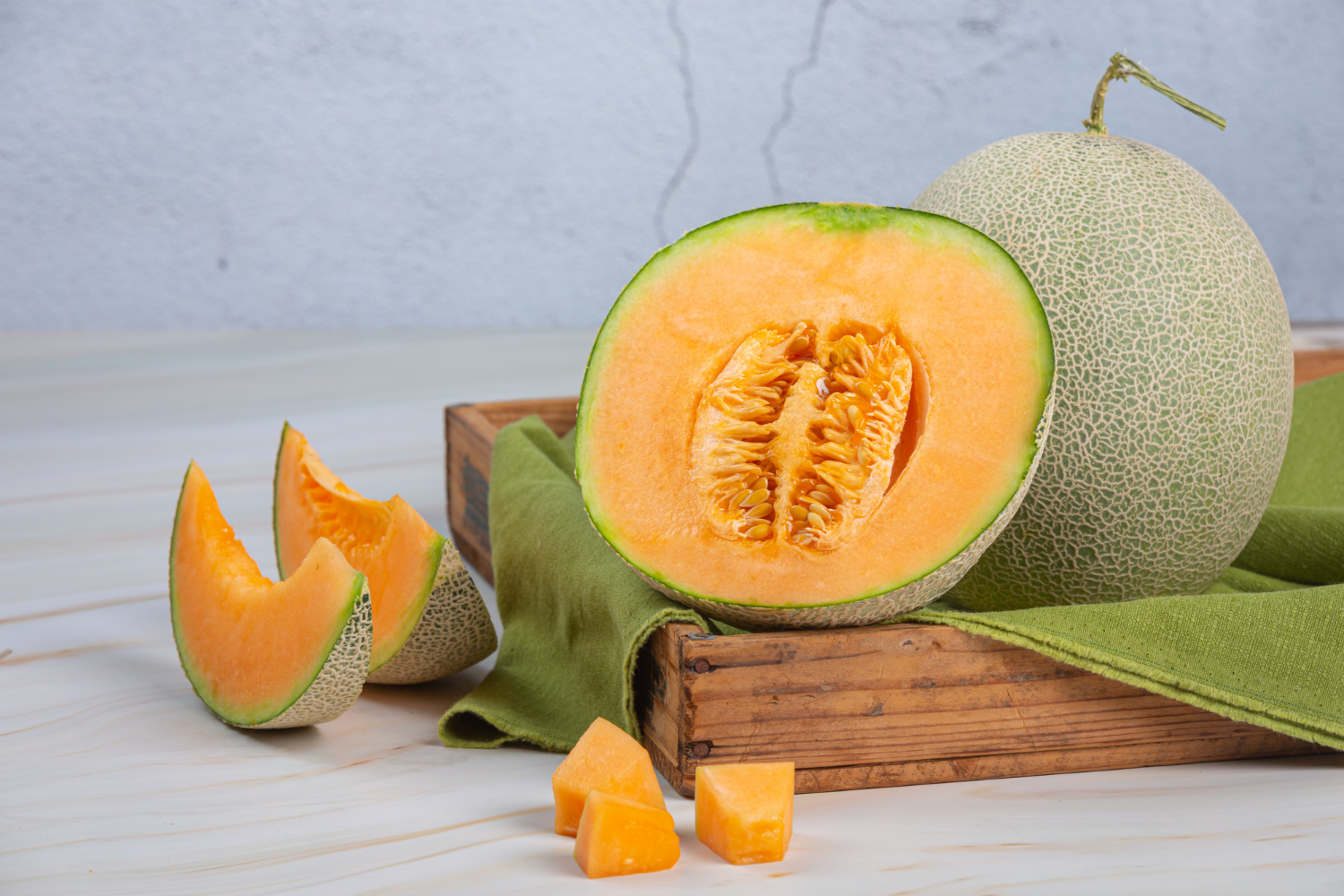
The difference between cantaloupe and muskmelon is not only in their appearance, but also in their taste and texture. While cantaloupes are often larger and sweeter with a lightly netted rind, muskmelons are smaller and have a smooth, waxy rind. The flesh of cantaloupes is usually orange and is typically juicy and succulent, whereas muskmelon flesh is more pale yellow and can be a bit dry. Both fruits have similar nutritional values and are good sources of vitamin C, but muskmelons are slightly higher in fiber and potassium.
10 difference between cantaloupe and muskmelon.
- Cantaloupe is a type of muskmelon, but not all muskmelons are cantaloupes.
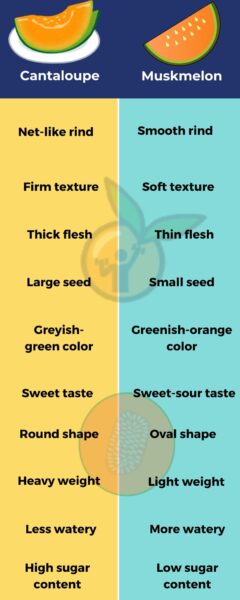
- Cantaloupes are typically round and have a netted, warty rind, whereas muskmelons are oval in shape and have a smooth, green rind.
- Cantaloupes tend to have an orange-yellow flesh, whereas muskmelons usually have a pale green to orange flesh.
- Cantaloupes have an intense aroma and a sweet, almost honey-like flavor, while muskmelons possess a more subtle aroma and a mild, slightly tart flavor.
- Cantaloupes have a higher sugar content than muskmelons.
- Cantaloupes are typically ready to eat when they are ripe, while muskmelons are usually not ready to eat until they have had time to chill.
- Cantaloupes are typically harvested in the summer, while muskmelons can be harvested throughout the year.
- Cantaloupes are typically larger than muskmelons.
- Cantaloupes have a higher water content than muskmelons.
- Cantaloupes contain more vitamin A than muskmelons.
8 Health benefits of Cantaloupe.
1 Boosts Immunity.
Cantaloupe is an excellent source of Vitamin C, which is essential for a healthy immune system. Vitamin C is an antioxidant that helps fight off free radicals that can damage cells and cause premature aging. It also helps your body absorb iron, which is necessary for healthy red blood cells.
2 Regulates Blood Pressure.

Cantaloupe is a good source of potassium, which helps regulate blood pressure. A cup of cantaloupe has more potassium than a medium-sized banana.
3 Promotes Digestive Health.
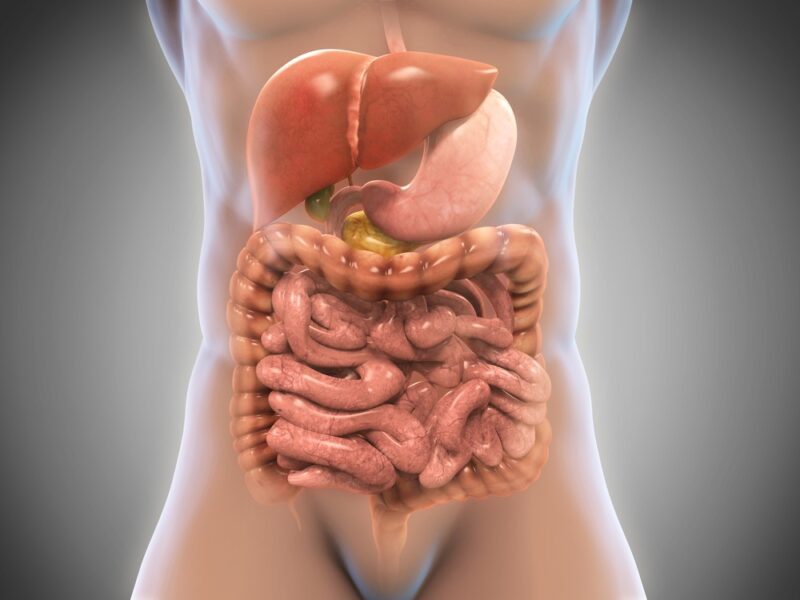
Cantaloupe is a good source of dietary fiber, which helps keep your digestive system running smoothly. Fiber helps move waste through your intestines and keeps your stool soft.
Related Stories
 Are Corn Nuts Healthy : Know From Experts
 Fish Oil – Health Benefits, Dosage and Side Effects
4 Prevents Anemia.
Cantaloupe is a good source of iron, which is essential for healthy red blood cells. Iron helps your body produce hemoglobin, which carries oxygen throughout your body and helps prevent anemia.
5 Prevents Dehydration.
Cantaloupe is an excellent source of water. Eating cantaloupe helps keep you hydrated, which is important for overall health.
6 Strengthens Bones.

Cantaloupe is a good source of Vitamin A, which helps form and maintain bones, teeth, and soft tissue. Vitamin A also helps keep your skin and eyes healthy.
7 Aids Weight Loss.
Cantaloupe is a low-calorie food that’s high in fiber, which helps you feel full longer. Eating cantaloupe can help you eat fewer calories throughout the day, which can aid in weight loss.
8 Fights Cancer.

Cantaloupe is an excellent source of beta-carotene, which is an antioxidant that helps protect cells from damage. Studies have shown that beta-carotene may help reduce the risk of certain types of cancer.
How to consume Cantaloupe for more effectiveness?
1 Eat Cantaloupe fresh.
The best way to consume Cantaloupe for more effectiveness is to eat it fresh. Cantaloupe is an excellent source of many vitamins and minerals, and eating it fresh provides the most benefit.
2 Use Cantaloupe in smoothies or juice.
Adding Cantaloupe to smoothies or juices can be a great way to get more of its nutrients into your diet. Cantaloupe has a sweet taste that pairs well with other fruits and vegetables, so adding it to your smoothies can make them more nutrient-dense.
3 Add Cantaloupe to salads.
Making a salad with Cantaloupe is a great way to get more of its nutrients. It can add a sweet flavor and texture to salads and is a great source of vitamins and minerals.
4 Use Cantaloupe in cooking.
Cantaloupe can be added to many dishes for added flavor and nutrients. It can be used in savory dishes, like stir-fries, or in sweet dishes, like pies and cobblers.
8 Health benefits of Muskmelon.
1 Rich in Nutrients.
Muskmelon is a low-calorie fruit that is rich in essential vitamins and minerals. It is a good source of vitamin A, vitamin C, vitamin B6, folate, magnesium, potassium, and dietary fiber.
2 Boosts Immunity.
Muskmelon is a great source of vitamin C, which helps to boost the immunity system and protect against colds, flu, and other infections.
3 Contains Antioxidants.
Muskmelon contains a variety of antioxidants such as beta-carotene, lutein, and zeaxanthin. These help to reduce oxidative damage and protect the cells from free radical damage.
4 Supports Digestive Health.
The dietary fiber in muskmelon helps to promote digestive health and regularity. It also helps to prevent constipation and reduce the risk of colon cancer.
5 Lowers Blood Pressure.
The potassium in muskmelon helps to reduce blood pressure and lower the risk of hypertension and stroke.
6 Reduces Inflammation.
Muskmelon contains a variety of anti-inflammatory compounds that help to reduce inflammation in the body.
7 Improves Heart Health.
Muskmelon is rich in potassium, which helps to reduce the risk of heart disease by lowering cholesterol levels and reducing the risk of heart attack and stroke.
8 Protects Vision.
The carotenoids in muskmelon help to protect the eyes from damage caused by free radicals and reduce the risk of age-related macular degeneration and cataracts.
How to consume muskmelon for more effectiveness?
1 Eating muskmelon as part of a balanced diet.
Muskmelon can be eaten as part of a balanced diet. It is recommended to include a variety of fruits and vegetables in your diet to ensure that you get all the essential nutrients.
2 Muskmelon Juice.
Muskmelon juice is a great way to get the benefits of muskmelon without the hassle of cutting and prepping the fruit. It is a refreshing and nutritious drink that can be enjoyed any time of the day.
3 Adding muskmelon to smoothies.
Smoothies are a great way to get more fruits and vegetables into your diet. Adding muskmelon to your smoothies will give it an extra boost of flavor and nutrition.
4 Eating muskmelon as a snack.
Muskmelon can be eaten as a snack or as a side dish. It is a great way to get the health benefits of the fruit without feeling weighed down from a large meal.
5 Adding muskmelon to salads.
Salads are a great way to get more vegetables into your diet. Adding muskmelon to a salad will give it an extra boost of flavor and nutrition.
6 Muskmelon ice cream.
Muskmelon ice cream is a delicious and healthy dessert option. It can be made with either fresh or frozen muskmelon for a refreshing summer treat.
According to experts which is better cantaloupe or muskmelon?
Experts generally agree that muskmelon is the better option because it has a sweeter, richer flavor than cantaloupe, more nutrients, and a higher water content. Muskmelon also has a longer shelf-life than cantaloupe, making it a better choice for stocking up on melon for the summer.
Bottom Line.
Cantaloupe and muskmelon are both members of the same family of fruits, but they are actually two different types of melons. Cantaloupe has a smoother skin, a rounder shape, and a light orange color. Muskmelon, on the other hand, has a net-like skin, an oval shape, and a pale green color. Additionally, the flesh of a cantaloupe is more juicy and sweet, while the flesh of a muskmelon is more dense and slightly more tart.