











































 Workout

 Meditation


 Podcast
 E-book

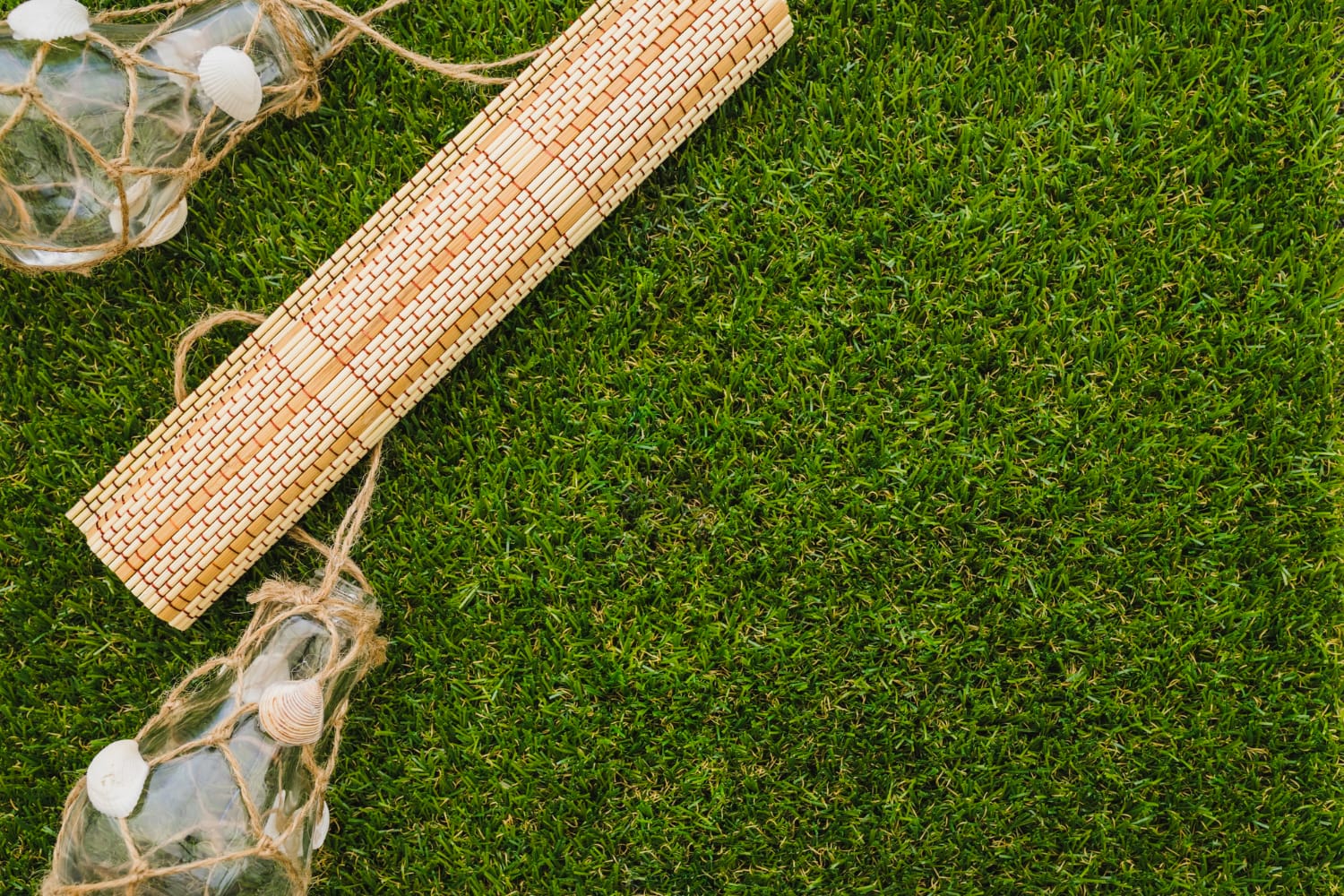
Artificial grass refers to artificial grass which is an intelligent and low maintenance option as compared to natural grass. It is green throughout the year, it conserves water, and it does not require any mowing or fertilizing. You like your garden, balcony, rooftop or backyard, but you just want to upgrade it, it is not as complicated as you may think to install artificial grass.
This manual will take you through the process of installation of artificial grass on the step by step basis even though you might have no prior experience.
Why Choose Artificial Grass?
Before we start, some of the reasons why artificial turf is favored by many homeowners would be:
No lawn sprinkling or mowing.
Related Stories
 What is Ethereum and What are the Positive and Negative Aspects of Using It?
 Embrace Calmness: Discovering the Key to Inner Peace
Always looks green and fresh
Pet-friendly and child-safe
Long-lasting (8–15 years)
Best suited in gardens, balconies, roof tops and indoors.
What You Will Use and What You Will Need to Install Artificial Grass.
Before you begin, make sure you have the following;
Tools.
- Measuring tape.
- Utility knife or cutter.
- Hammer or rubber mallet.
- Stiff broom or power brush.
- Shovel or rake (should be used in outdoors installation).
Materials.
- Artificial grass rolls.
- Landscape fabric (membrane made of weed).
- Crushed stone or sand base.
- Adetection of tape and turf.
- U-pins or landscape nails.
- Silica sand (for infill).
How to install artificial grass step by step?
Step 1: Measure the Area.

Take the measurements of the size of length and breadth where you intend to lay the grass. Add some more inches to be able to wear it well and trim.
Tip: Never measure once because of wastage.
Step 2: Prepare the Base.
For Outdoor Areas (Soil/Garden)
- Remove natural grass, roots, and debris.
- Dig about 3–4 inches deep.
- Add a layer of crushed stone or gravel.
- Compact it firmly using a tamper.
- Add a thin layer of sand and level it.
For Concrete, Balcony, or Rooftop.
- Fix any cracks or uneven spots.
- Clean the surface thoroughly.
- Ensure proper drainage.
Step 3: Install Weed Membrane.

Cover the bottom with a fabric that is used to control weeds. This eliminates the growth of weeds through the artificial grass.
Fasten it with U-pins or adhesive.
4: Artificial Grass Rolling out.
- Unroll the artificial grass over the area
- Let it rest for 2–3 hours to relax wrinkles
- Ensure all grass blades face the same direction for a natural look
Step 5: Trim the Edges.

Using a sharp utility knife, carefully trim excess grass from the edges and around corners, pipes, or obstacles.
Cut from the back of the turf for clean edges.
Step 6: Secure several pieces together (Where necessary).
If your area needs more than one roll:
- Allow it to dry as per adhesive instructions.
- Place joining tape beneath the seam.
- Apply turf adhesive evenly.
- Press both pieces firmly onto the tape.
Step 7: Secure the Grass.
- Apply U-pins or nails every 6 -8 inches on the sides.
- Nails should not be inserted too near to a visible edge.
- In case of concrete surfaces, apply outdoor powerful adhesive.
Step 8: Add Infill Sand.
Sprinkle evenly the silica sand on the grass. This helps:
- Keep grass blades upright
- Improve durability
- Add weight and stability
- Rake the lawn perpendicular to the direction of the wind on the way up to loosen up the sand.
Stepped 9: Final Brushing and Cleaning.

Brush the grass one more time in order to raise the blades. Clean off loose debris and examine edges to make firm.
Thanks to your artificial grass, you may use it!
Common Mistakes to Avoid.
- Skipping base preparation.
- Failing to make the surface level.
- Mixing grass directions.
- Using low-quality adhesive.
- Forgetting infill sand.
By avoiding such mistakes, one will have a natural appearance and a long life.
Artificial grass Care and Maintenance.
- Fibers should be occasionally brushed to hold their position.
- Wipe using water to wipe off dust.
- Clean pet waste promptly.
- Hot objects should not be placed on turf.
Artificial Grass Ground Preparation & Base Comparison Table.
| Aspect | Best Practice | Recommended Material | Why It’s Important |
|---|---|---|---|
| Ground Preparation Depth | 3–4 inches | Excavated soil | Prevents sinking and uneven surface |
| Soil Compaction | Fully compacted | Hand tamper / plate compactor | Avoids future dips and bumps |
| Base Layer | 2–3 inches thick | Crushed stone / gravel | Provides strength and drainage |
| Leveling Layer | 0.5–1 inch | Sharp sand / builder’s sand | Creates a smooth, even surface |
| Weed Protection | Mandatory | Weed membrane fabric | Stops weed growth through turf |
| Surface Drainage | Free-draining base | Gravel + sand combo | Prevents water pooling |
| Direct Installation on Soil | Not recommended | ❌ Avoid | Causes uneven surface & weed issues |
| Infill Material | Evenly brushed | Silica sand | Keeps grass blades upright |
| Edge Fixing | Every 6–8 inches | U-pins / landscape nails | Prevents turf movement |
| Installation Longevity | 8–15 years | Proper layered base | Ensures long-term durability |
Frequently Asked Questions.
1 I want to know whether I can lay artificial grass myself?
Yes. It can be fully installed using simple instruments and correct procedures.
2 What is the life span of artificial grass?
Artificial turf of high quality has a life span of 8-15 years when taken care of.
3 Is synthetic grass child and pet friendly?
All the modern artificial grasses are pet-friendly and in most cases, non-toxic.
4 Is it possible to install artificial grass indoor?
Absolutely. It is popular in the fitness centers, playgrounds, and in balconies and decorative areas.
5 How do you prepare the ground for artificial grass?
Preparing the ground properly is the most important step for a long-lasting artificial grass installation.
Step-by-Step Ground Preparation
Remove Existing Grass & Weeds
Dig out natural grass, roots, stones, and debris from the area.
Excavate the Soil
Dig about 3–4 inches deep to make room for the base layers.
Compact the Soil
Firmly compact the soil using a hand tamper or plate compactor to prevent future sinking.
Add a Sub-Base Layer
Spread crushed stone, granite dust, or gravel evenly (2–3 inches thick).
Compact the Sub-Base
Compact again until the surface is solid and level.
Add a Sand Layer
Add a thin layer of sharp sand or builder’s sand, then level it perfectly.
Lay Weed Membrane
Install a weed control fabric over the base to stop weed growth.
Once this is done, your ground is ready for artificial grass.
6 What do you put underneath artificial grass?
Under artificial grass, you should place the following layers:
Standard Layer Setup (Top to Bottom)
Artificial Grass
Silica Sand Infill (brushed into the turf)
Weed Membrane / Landscape Fabric
Sharp Sand Layer (for leveling)
Crushed Stone or Gravel Base
Compacted Natural Soil
This layered setup ensures:
Proper drainage
No weed growth
Firm and even surface
Long-term durability
7 Can I lay artificial turf directly on soil?
No, it is not recommended.
Why You Shouldn’t Lay Turf Directly on Soil
Soil shifts over time
Poor drainage leads to water pooling
Weeds will grow through the turf
Surface becomes uneven and bumpy
When Is It Sometimes Possible?
Only for temporary installations (events or short-term use), and even then:
Soil must be fully compacted
A weed membrane must be used
Expect uneven results over time
Best Practice
Always install a proper sub-base of crushed stone + sand for a professional and long-lasting result.
Final Thoughts.
Artificial grass is a feasible and inexpensive method of having a green lawn without the need to maintain it. You can make any space a beautiful green space that endures a long time when you have the right preparation and have some patience.