










































 Workout

 Meditation


 Podcast
 E-book


As a yoga practitioner for over a decade, we have experienced firsthand the transformative power of yoga in restoring hormonal balance. Hormonal imbalance can manifest in a variety of ways, including irregular periods, mood swings, weight gain and fatigue. Fortunately, yoga offers a natural and holistic approach to restoring hormonal balance. In this article, we will explore the connection between yoga and hormonal balance, discuss the top yoga poses for hormonal imbalance and offer tips for incorporating yoga into your daily routine.
Understanding Hormonal Imbalance.
Before diving into yoga practices for hormonal balance, it’s important to understand what hormonal imbalance is and how it can impact our health. Hormonal imbalance occurs when there is an excess or deficiency of certain hormones in the body. This can be caused by a number of factors, including stress, poor diet, lack of exercise and environmental toxins.
Hormonal imbalances can lead to a variety of health issues, including mood swings, weight gain, acne, irregular periods and infertility. Hormones play a vital role in regulating our bodily functions and when they are out of balance, it can have a significant impact on our overall health and wellbeing.
How Yoga Helps To Restore Hormonal Balance?
Yoga offers a holistic approach to restoring hormonal balance by addressing the root causes of hormonal imbalances. Yoga practices such as asana (physical postures), pranayama (breathing techniques) and meditation have been shown to regulate the endocrine system, which is responsible for producing and regulating hormones in the body.
Related Stories
 The Power of Prasanna Mudra: Unveiling its Benefits and Step by Step Guide
 7 Yoga Poses for Cervical Spondylosis and Neck Pain
Asana practices help to stimulate the endocrine glands, which are responsible for producing hormones. Certain yoga poses can also improve circulation and reduce stress, which can help to balance hormones. Pranayama practices help to regulate the nervous system, which in turn can regulate hormone production. And meditation can help to reduce stress and improve overall wellbeing, which can have a positive impact on hormonal balance.
Top Yoga Poses for Hormonal balance.
Here are some of the top yoga poses for hormonal balance:
1 Cobra Pose
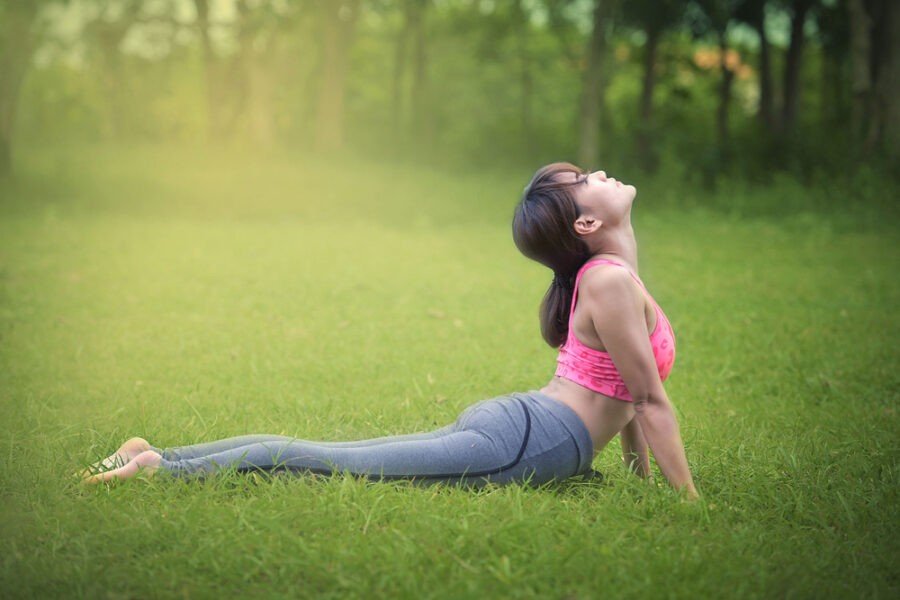
Cobra pose is a gentle backbend that helps to stimulate the ovaries and uterus, which can help to regulate menstrual cycles.
How To Do?
- To practice cobra pose, lie on your stomach with your hands by your shoulders.
- Inhale and press your hands and feet into the floor, lifting your chest off the ground.
- Keep your elbows close to your body and your shoulders away from your ears.
- Hold for a few breaths, then release on an exhale.
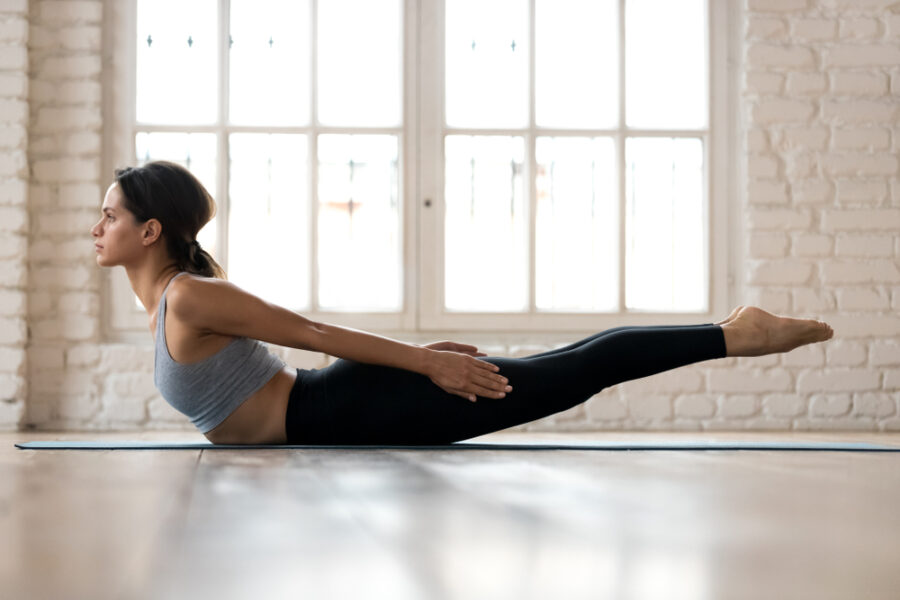
2 Locust Pose.
Locust pose is another backbend that helps to stimulate the reproductive organs and improve circulation.
How To Do?
- To practice locust pose, lie on your stomach with your arms by your sides.
- Inhale and lift your arms, chest and legs off the ground.
- Keep your legs straight and your toes pointed.
- Hold for a few breaths, then release on an exhale.
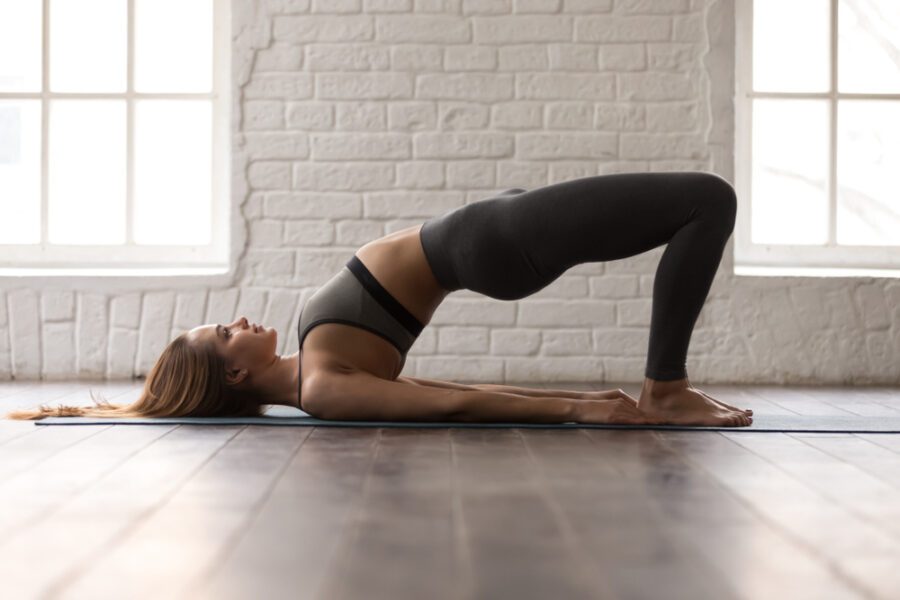
3 Bridge Pose.
Bridge pose is a gentle inversion that helps to regulate the thyroid gland, which is responsible for regulating metabolism.
How To Do?
- To practice bridge pose, lie on your back with your knees bent and your feet hip width apart.
- Inhale and lift your hips off the ground, pressing your feet into the floor.
- Keep your shoulders on the ground and your chin away from your chest.
- Hold for a few breaths, then release on an exhale.
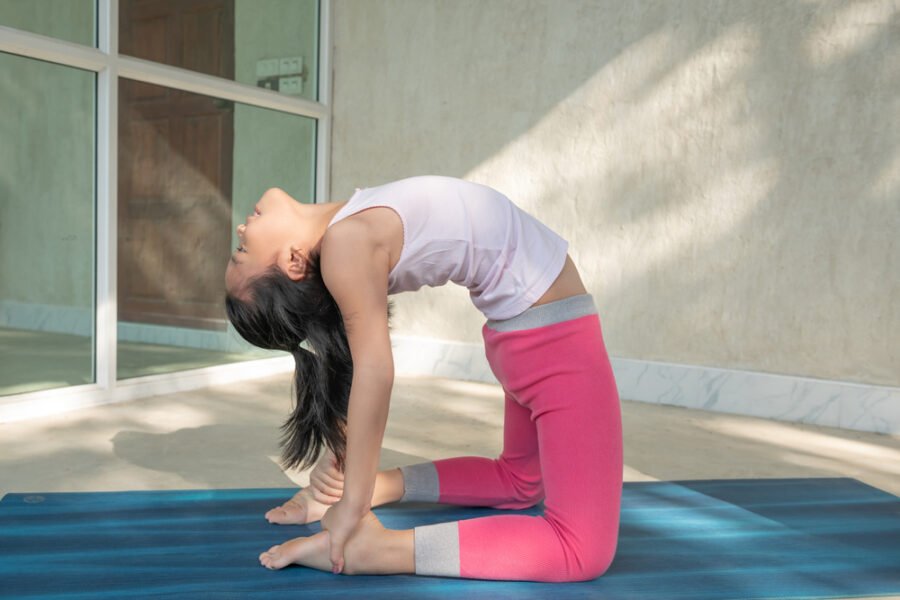
4 Camel Pose.
Camel pose is a deep backbend that helps to stimulate the reproductive organs and improve circulation.
How To Do?
- To practice camel pose, kneel on the ground with your knees hip width apart.
- Place your hands on your lower back and inhale, lifting your chest towards the ceiling.
- Keep your hips over your knees and your gaze towards the ceiling.
- Hold for a few breaths, then release on an exhale.
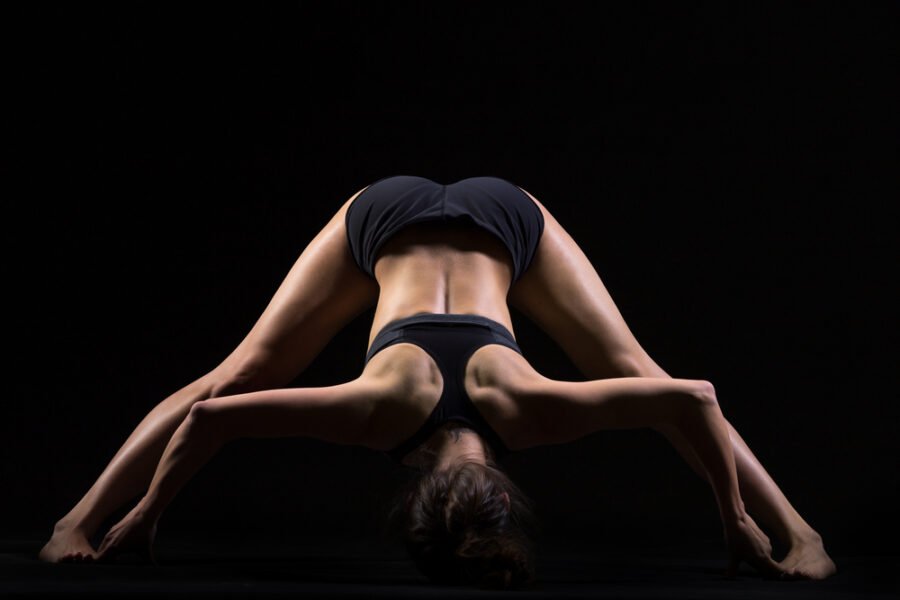
5 Wide Stance Forward Bend.
Wide stance forward bend is a gentle inversion that helps to regulate the adrenal glands, which are responsible for producing stress hormones.
How To Do?
- To practice wide stance forward bend, stand with your feet wider than hip-width apart.
- Inhale and lift your arms towards the ceiling, then exhale and fold forward, placing your hands on the ground.
- Keep your legs straight and your gaze towards your toes.
- Hold for a few breaths, then release on an exhale.
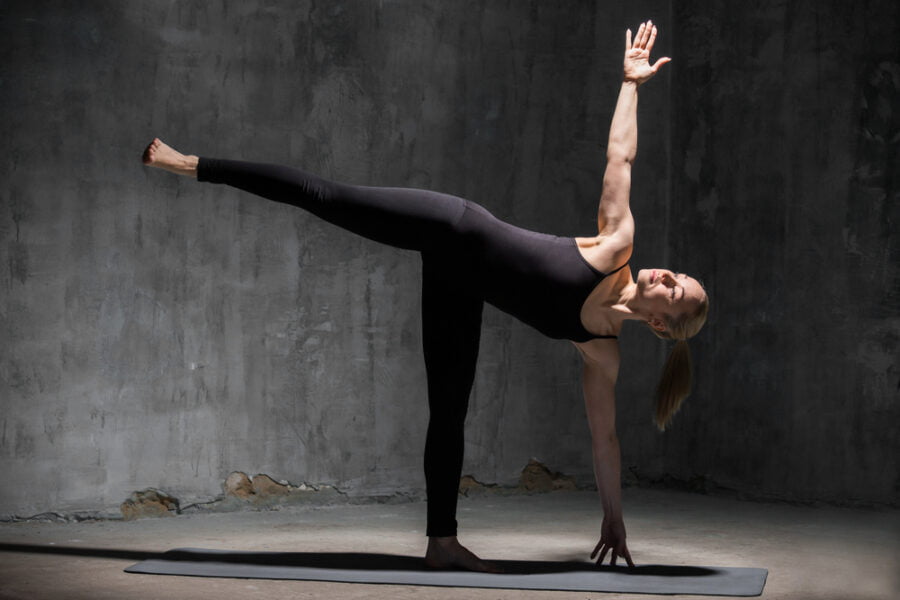
6 Half Moon Pose.
Half moon pose is a balancing pose that helps to regulate the adrenal glands and improve circulation.
How To Do?
- To practice half moon pose, stand with your feet hip-width apart.
- Inhale and lift your left leg off the ground, placing your left hand on the ground.
- Keep your right hand on your hip and your gaze towards the ceiling.
- Hold for a few breaths, then release on an exhale.
- Repeat on the other side.
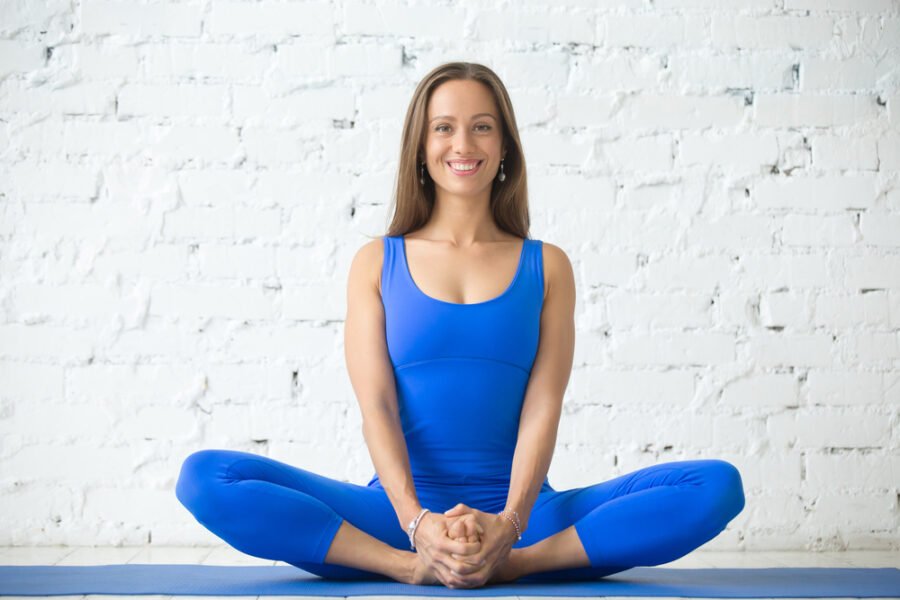
7 Cobbler Pose.
Cobbler pose is a gentle hip opener that helps to stimulate the reproductive organs and improve circulation.
How To Do?
- To practice cobbler pose, sit on the ground with the soles of your feet together.
- Inhale and lengthen your spine, then exhale and fold forward, placing your hands on your feet.
- Keep your gaze towards your toes and hold for a few breaths, then release on an exhale.
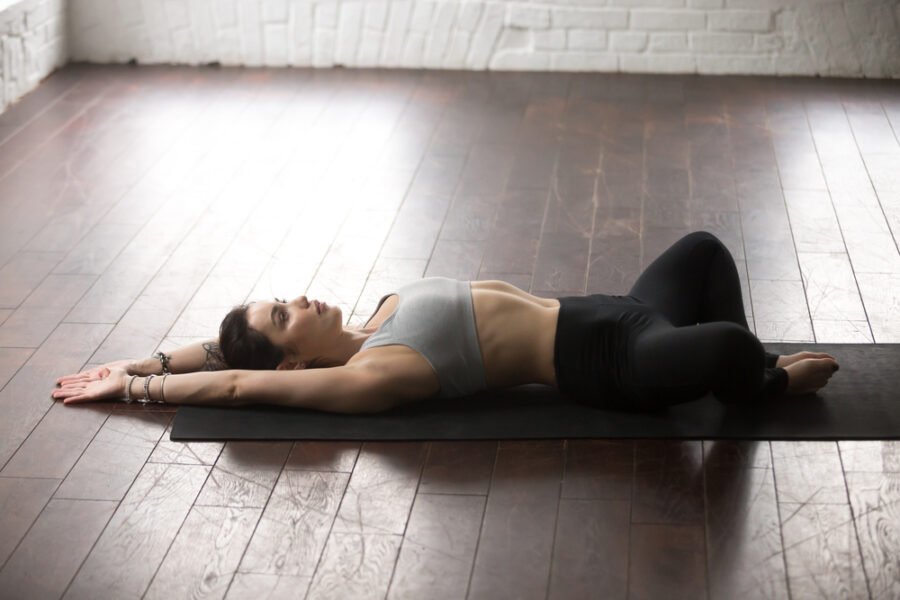
8 Reclined Cobbler Pose.
Reclined cobbler pose is a restorative pose that helps to stimulate the reproductive organs and reduce stress.
How To Do?
- To practice reclined cobbler pose, lie on your back with the soles of your feet together and your knees bent.
- Inhale and place your hands on your belly, then exhale and allow your knees to fall to the sides.
- Keep your gaze towards the ceiling and hold for a few breaths, then release on an exhale.
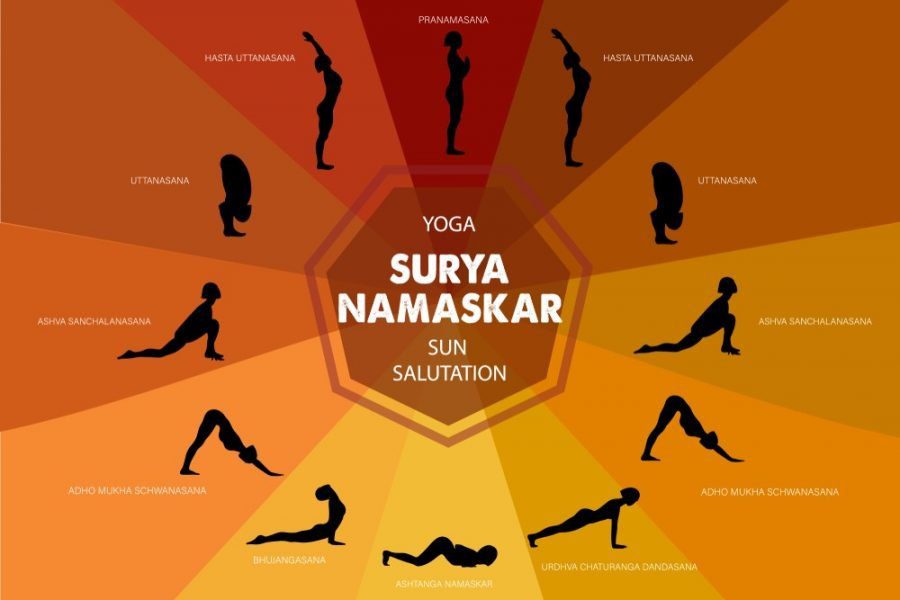
9 Surya Namaskar.
Surya Namaskar or sun salutation is a series of yoga poses that help to stimulate the entire body, including the endocrine system.
How To Do?
- To practice Surya Namaskar, start in mountain pose.
- Inhale and lift your arms towards the ceiling, then exhale and fold forward.
- Inhale and lift halfway up, then exhale and step back into plank pose.
- Inhale and shift forward into upward facing dog, then exhale and shift back into downward facing dog.
- Hold for a few breaths, then inhale and step forward into forward fold.
- Exhale and release into mountain pose.
Yoga Poses for Specific Hormonal Conditions.
In addition to the general yoga poses for hormonal balance, there are also specific poses that can be helpful for certain hormonal conditions.
1 Menstrual cramps: For example, if you are experiencing menstrual cramps, you might try practicing child’s pose, which is a gentle forward bend that can help to release tension in the lower back and hips.
2 Menopause: If you are experiencing menopause symptoms such as hot flashes, you might try practicing supported fish pose, which is a gentle backbend that can help to regulate the thyroid gland.
3 PCOS: If you are experiencing PCOS (polycystic ovary syndrome), you might try practicing goddess pose, which is a wide-legged squat that can help to stimulate the ovaries and regulate menstrual cycles.(1)
Pranayama for Hormonal Imbalance.
In addition to asana practices, pranayama or yoga breathing techniques, can also be helpful for balancing hormones.
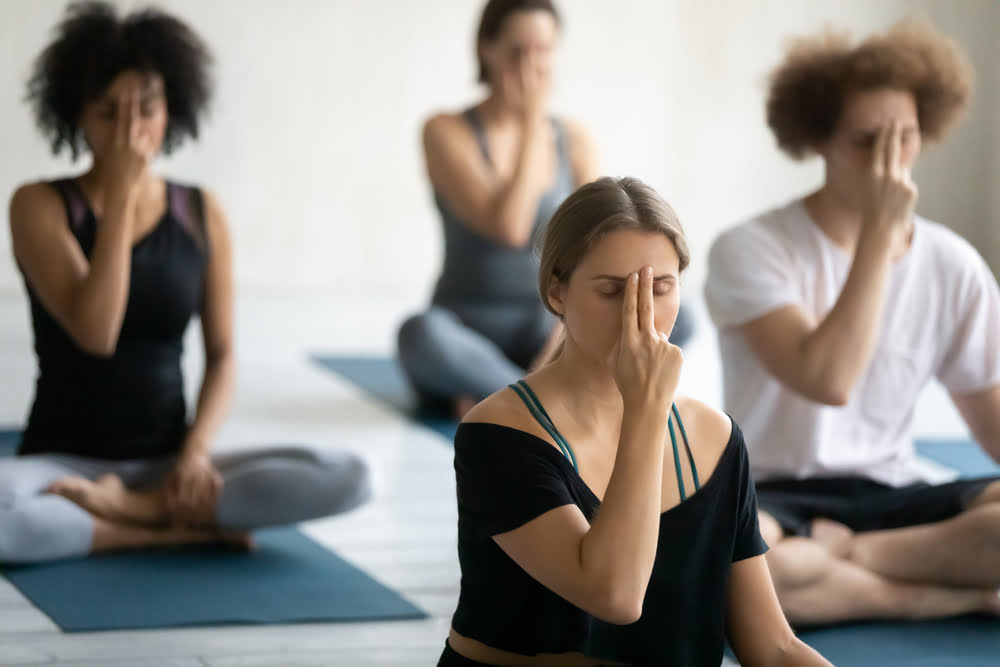
One simple technique is called alternate nostril breathing. To practice alternate nostril breathing, sit in a comfortable position and place your left hand on your left knee. Use your right hand to close your right nostril, then inhale through your left nostril.
Close your left nostril with your right ring finger, then exhale through your right nostril. Inhale through your right nostril, then close your right nostril with your right thumb and exhale through your left nostril. Repeat for several rounds.
The Importance of Meditation for Hormonal Health.
Meditation can also be helpful for restoring hormonal balance by reducing stress and promoting overall wellbeing.
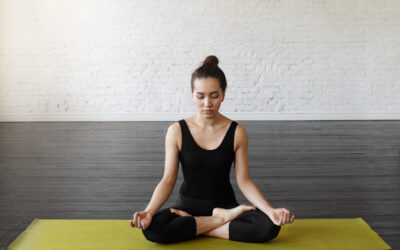
One simple meditation technique is called mindfulness meditation. To practice mindfulness meditation, sit in a comfortable position and focus on your breath.
When your mind wanders, simply bring your attention back to your breath. Start with just a few minutes a day and gradually increase as you feel comfortable.
Tips for Incorporating Yoga into Your Daily Routine.
Incorporating yoga into your daily routine can be a powerful way to support hormonal balance. Here are some tips for getting started:
- Start small: Begin with just a few minutes of yoga each day and gradually increase as you feel comfortable.
- Find a class or teacher: Joining a yoga class or working with a yoga teacher can help you to develop a consistent practice and learn proper alignment.
- Make it a habit: Try to practice yoga at the same time each day to establish a routine.
- Be gentle with yourself: Remember that yoga is a practice not a performance. Listen to your body and honor your limits.
Other Lifestyle Changes to Support Hormonal Balance.
In addition to yoga practices, there are other lifestyle changes that can support hormonal balance, including:
- Eating a healthy, balanced diet.
- Getting regular exercise.
- Reducing stress.
- Getting enough sleep.
- Avoiding environmental toxins.
Testimonials from Individuals Who Have Used Yoga for Hormonal Imbalance.
“I started practicing yoga to help with my irregular periods. After just a few months of regular practice, my periods became more regular and I felt more balanced overall.” – Sarah, Age – 32.
“I have PCOS and was struggling with infertility. After practicing yoga for a few months, I was able to conceive naturally.” – Emily, Age – 28.
“I was experiencing hot flashes and mood swings during menopause. Yoga helped me to feel more grounded and balanced and the hot flashes became less frequent.” – Susan, Age – 52.
Bottom Line.
Yoga offers a natural and holistic approach to restoring hormonal balance. By incorporating yoga practices such as asana, pranayama and meditation into your daily routine, you can support your overall health and wellbeing. Remember to be gentle with yourself and honor your limits as you begin your yoga journey. With consistent practice, you can restore your inner harmony and achieve hormonal balance.
+1 Source
Freaktofit has strict sourcing guidelines and relies on peer-reviewed studies, educational research institutes, and medical organizations. We avoid using tertiary references. You can learn more about how we ensure our content is accurate and up-to-date by reading our editorial policy.
- Impact of yoga and exercises on polycystic ovarian syndrome risk among adolescent schoolgirls in South India; https://www.ncbi.nlm.nih.gov/pmc/articles/PMC7717472/