


































Trending
Prevention Tips for Covid-19 7 Benefits of Drinking Protein Shake Before Bed With Side Effects 5 Must-Know Tips for Traveling with Glasses Top 8 Health Benefits and Side Effects of Hot Sauce Ease Menopause With These Lower Body Fitness Activities What are the Side Effects or Risk of Plasma Therapy for Covid-19? Turf Burn: Causes, Symptoms, Treatment, Prevention and How to Treat at Home Ksepana Mudra: Benefits, Side Effects, How To Do and Precautions My Experience With the Ubarre Workout: Amazing Benefits, How It Works, and Expert Tips How to Maintain a Healthy Diet for COVID-19? Does Celsius Drinks Make You Poop: What Do Experts Say? 10 Best Foods to Boost Stamina and Instant Energy What Are The Difference Between Pull-Ups And Lat Pull Down Best Yoga Poses for Sciatica Nerve Pain Relief A Dumbbell Routine for back and arms to Do at Home in Just 30 Minutes Importance of Colostrum and Its Benefits Does Sauna Burn Calories? Magnificent Benefits and Side Effects of Skipping Rope Trauma and Its Complete Dietary Management Unlocking Inner Peace: The Profound Benefits of Mrigi Mudra 10 Warning Signs of Mold Toxicity That You Should not Ignore 10 Essential Yoga Poses for Anxiety and Depression Best Exercises and Yoga for UPJ Obstruction Effective Fitness Strategies in Drug Recovery: A Comprehensive Approach Which Blood Group People Are More Prone to Corona, Who Is Less? 14 Unexpected Health Benefits of Yoga Unlocking the Power of Yoga Poses: A Comprehensive Guide for Four People, Exploring Benefits, Types, How-To, and Precautions Coenzyme Q10 And Its Effects On The Human Body The Best Gluten-Free Barley Substitutes: A Comprehensive Guide Best Ganglion Cyst Wrist Exercises And Home Remedies 5 Effective Yoga Poses With Hyperbolic Diet Plan What is Arthritis: Types, Causes and Prevention Advanced Laparoscopic Treatment: Modern Solutions for Pain-Free Recovery. 16 Natural Ways To Reduce Muscle Soreness Fibroids Diet: Your Ultimate Guide to Managing Symptoms and Promoting Wellness Kubera Mudra: Benefits, How To Do and Success Stories Where Are the Macronutrients Located on a Nutritional Label? Salsa Inglesa : Nutrition Facts And Health Benefits 7 Yoga Poses During Pregnancy And A Healthy Baby 20 Amazing Health Benefits of Red Wine Drink
Appointment
Ask Question
Talk2Expert
Q&A
Health Tracker
Workout
Nutritious
Meditation
Well-Being
Mood Music
Social Service
Podcast E-book
3.2k
Reads
431

6 Best Yoga Poses To Relieve Soreness: My Experience, Expert Insights and Outcomes

Listen to this article

Sore muscles are micro tears in muscle fibers caused by sports practice or over-exertion. Usually, they come as a result of being inactive for a certain period and, also, because an excessive amount of activity. To prevent them, it is necessary to play sports after warming up, do stretching after the session and adjust the intensity of the activity to your fitness level. The fact is that sore muscles cannot always be prevented and the main reason why Yoga has a number of asanas which aim at stretching muscles and massaging tissues, is that these, actually, help a lot in pain relief.

Benefits of Yoga to relieve soreness.

1 Increased flexibility.
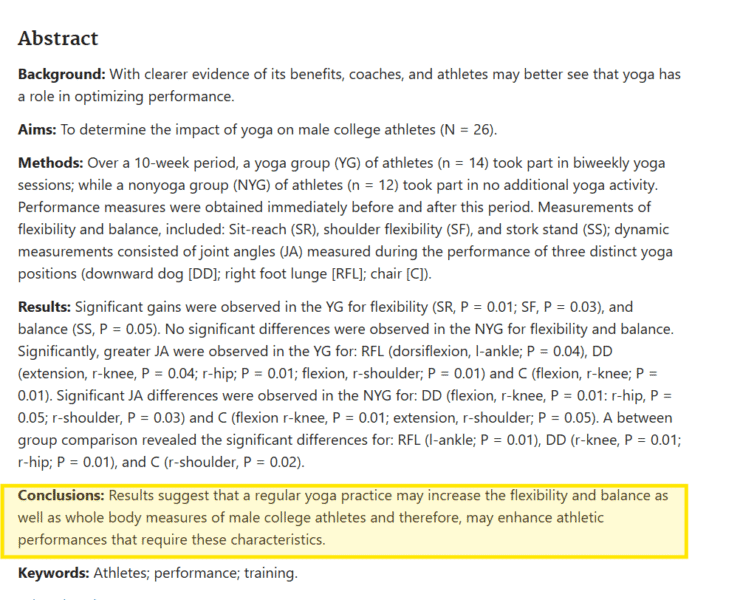
Yoga makes muscles and joints much more flexible, which helps a lot in soreness alleviation by tension and body tightness reduction.Yoga makes muscles and joints much more flexible, which helps a lot in soreness alleviation by tension and body tightness reduction.(1),(2),(3)

2 Improved circulation.

The agent of improvement in circulation are the gentle movements and stretches from yoga aimed at the blood flow to the entire body, thus becoming a process healer and reducer of inflammation too.(4)

3 Strengthening of muscles.

In Yoga, the positions that focus on certain muscle groups, thus, are the ones that lead to muscle strengthening and stabilization. So, it can be a great measure to prevent soreness as the body will be better supported and the risk of getting injured will be minimized.

4 Stress relief.

One of the major advantages that yoga brings is the fact that it not only calms and relaxes the mind but also the body. By stress and tension reduction through yoga the relief of soreness which are caused by muscle tightness and mental strain is facilitated.

5 Better posture.

Wrong posture can bring about muscle soreness and discomfort. Yoga is targeting the correction of the posture by core muscles strengthening and body alignment facilitation, therefore, it can be used both for reduction of the wear and tear of the body and getting rid of soreness as well.

6 Mind-body connection.

Yoga is a practice that helps the practitioner’s concentration on the mental side and awareness of the body which in turn enables them to identify their physical sensations and, accordingly, they can apply the targeted stretches and movements to the parts of their bodies that are sore.(5)

7 Increased range of motion.

Through Yoga, the potential of joints becoming more movable can be realized which, in turn, will enhance the range of motion and thus eventually, there will be less stiffness and soreness of muscles and joints.

8 Overall well-being.

Without a doubt, introducing yoga into one’s daily routine will have a positive effect on one’s overall health and well-being which, in turn, will result in less soreness and discomfort of the body.

Also Read: The Power Of Breathwork: Transform Your Mind And Body

Top 6 Yoga To Relieve Soreness.

1 From Hero To Prone Hero (Virasana To Supta Virasana).

Sit between your feet and as you breathe out, lower your torso by supporting it with your forearms. Support the crown of your head, move your head until the back is changed and support. After that, reach out your arms behind your head (or each hand to the opposite elbow). Five minutes is a great time to rest your legs, especially your thighs. Besides, this position extends the abdominal organs and pelvic region. A beginner can do one leg at a time to avoid knee injury and then can proceed to both knees, first by keeping the knees apart and with a block on the back between the shoulder blades.

2 The Monkey King (Preparation To Hanumanasana).

Being on all fours, fully extend one leg forward and at the same time, push the heel of that leg toward the ground and as you breathe out, lower your trunk toward the stretched leg. Practice for 5 or 10 breaths and then do the other leg. A perfect asana to stretch your hamstrings and calves.

3 Cow Face (Gomukhasana).

Sitting on the floor and facing forward with the legs extended, bend the right knee so that it is just over the left one. Cross one arm (right) over the shoulder and then bend it toward the upper back. The left arm will go under until the fingers of both hands interlock (if this is not possible, we can use a tape). Keep your spine straight. This position relieves leg cramps and gives your muscles flexibility. The lats get stretched and the shoulders become flexible.

4 The Clamp (Paschimottasana).

When you are seated on the floor with your legs stretched and straight in front of you, place your palms on either side of your hips. Thereafter extends your arms and catches the big toes with the index and middle fingers. Then breathe in and stretch your spine. Breath out and bend your elbows away from the body, flexing your trunk towards your legs.

5 Ankle Movement.

Pawanmuktasanas series exercise: legs stretched and straight in front, sitting on the floor, separated feet slightly. Both feet are slowly moved backward as the person breathes in and forward as he breathes out. The last position is held for a few seconds and the intensity of the workout is gradually increased. This exercise removes energy blockages in the ankles and legs.

6 Cow-Cat Movement (Marjariasana).

On the four supports (wrists under the shoulders and knees under the hips), breathing in, the head is lifted and the back is bowed downwards; breathing out, the head is lowered and the spine is arched upwards. An asana for releasing the shoulders, spine, and neck, thus, is done here.

Precautions.

  • Taking it slow at the beginning and gradually increasing the intensity.
  • Paying attention to the signals sent by your body and not pushing yourself too hard.
  • Preparing your body before practicing any yoga poses by warming up.
  • If necessary, adjusting the pose by using props like blocks or straps.
  • Being hydrated and making sure that a lot of water is drunk both before and after a yoga session.
  • Concentrating on the correct posture in each pose so as not to put extra pressure on the muscles that are unnecessary.
  • Restorative yoga poses may be used for helping to calm down and letting go of the tension in sore muscles.
  • If you have any health conditions or injuries, then kindly seek advice from a healthcare professional or a yoga instructor before you start practicing yoga.

Personal Experience.

The legs that had been heavily worked out for a whole week became very tight and heavy. Instead of giving them full rest, I did a 20-minute yoga flow mainly focusing on Downward Dog, Pigeon Pose, and Seated Forward Fold. I was already feeling my body letting go of the tension and relaxing within a few minutes. The following day my soreness was substantially relieved and I felt more flexible and rejuvenated. This is the reason that I now use yoga as a post-workout recovery tool — an organic, comforting medicine that aligns both the body and the mind.

Expert Opinion.

Physiotherapist and yoga researcher Dr. Rahul Deshmukh explains:

“Post-exercise soreness, or DOMS, is the tearing of muscle fibers at a microscopic level that occurs after the muscles have been overworked. Yoga supports the body’s natural healing process by increasing blood flow, reducing inflammation, and improving muscle flexibility. Gentle dynamic stretches accompanied by deep breathing will help relax the parasympathetic nervous system which lowers cortisol levels and speeds up muscle repair. In the end, yoga not only relieves pain but also enhances one’s overall flexibility and reduces the likelihood of getting injured again.”

Expert Interview.

Interview with Dr. Meera Kulkarni, Yoga Therapist & Ayurvedic Practitioner

Q: Dr. Meera, Can you elaborate the role of yoga in muscle recovery?

A: The mild yoga stretches help blood circulation and oxygen intake to the muscles that are tired, and, thus, the removal of lactic acid which is the cause of soreness is made easy. Besides, yoga is good for the loosening of the connective tissues which are tight ones.

Q: Which yoga postures would you suggest to a new exercise person with muscle soreness?

A: I would tell everyone to start with Child’s Pose, Cat-Cow Stretch, and Legs-Up-the-Wall. They are not only soothing exercises for the nervous system but also energize the lymphatic system without putting any stress on the body.

Q: How frequently should yoga be practiced for recovery?

A: At least 15–20 minutes each day can do some good. What really matters is that the movement should be gentle, conscious, and one should not go into the area of pain. The breathing awareness makes the healing process faster.

Frequently Asked Questions.

1 Can yoga help muscle soreness?

Yes, practicing yoga can be a great aid in muscle soreness relief.

2 What exercises get rid of soreness?

Some of the activities that can lead to the elimination of soreness are light cardio, foam rolling, and stretching.

Bottom Line.

Yoga is an extremely effective and completely natural way to get rid of soreness in one’s body. By the inclusion of gentle stretching, strengthening, and relaxation elements, yoga manages to relieve tension and stiffness in muscles, increase flexibility, and even promote overall well-being. In fact, regular yoga practice can not only be instant relief from soreness but also a means to prevent future pain. Whether you are a beginner or an experienced yogi, incorporating yoga into your routine can be a valuable and holistic way of not only dealing with soreness but also enhancing your physical and mental health.

+5 Sources

FreakToFit has strict sourcing guidelines and relies on peer-reviewed studies, educational research institutes, and medical organizations. We avoid using tertiary references. You can learn more about how we ensure our content is accurate and up-to-date by reading our editorial policy.

  1. Flexibility of the elderly after one-year practice of yoga and calisthenics; https://pubmed.ncbi.nlm.nih.gov/25858653/
  2. The effects of selected asanas in Iyengar yoga on flexibility: pilot study; https://pubmed.ncbi.nlm.nih.gov/25042310/
  3. Impact of 10-weeks of yoga practice on flexibility and balance of college athletes; https://pubmed.ncbi.nlm.nih.gov/26865768/
  4. The Impact of Yoga Practices on Inflammatory Markers: A Scoping Review; https://jahm.co.in/index.php/jahm/article/view/1612
  5. Yoga improves health in later life, study says; https://www.ed.ac.uk/research-innovation/latest-research-news/yoga-improves-health-in-later-life-study-says


Last reviewed on

How we reviewed this article:

🕖 HISTORY

Our team of experts is always monitoring the health and wellness field, ensuring that our articles are updated promptly as new information emerges. See Our Editorial Process

Current Version
Oct 31, 2025

Written By: Sara Clark

Reviewed By: Vandana Gujadhur

Oct 15, 2025

Written By: Sara Clark

Reviewed By: Vandana Gujadhur

Yoga poses and breathing practices should be performed mindfully and within your limits. If you experience discomfort or pain, stop immediately and seek professional instruction or medical advice. Know More

Leave a Comment

SUBSCRIBE TO GET LATEST FITNESS AND NUTRITION UPDATES!

We don’t spam! Read more in our privacy policy

Evidence Based

This content is based on scientific research and written by experts.

Our team of licensed health professionals, nutritionists and fitness experts endeavor to be unbiased, objective, honest and to present each sides of the argument.

This article contains scientific references. The numbers in the parentheses (1,2,3) are clickable links to peer-reviewed scientific researches.

Index