









































 Workout

 Meditation


 Podcast
 E-book


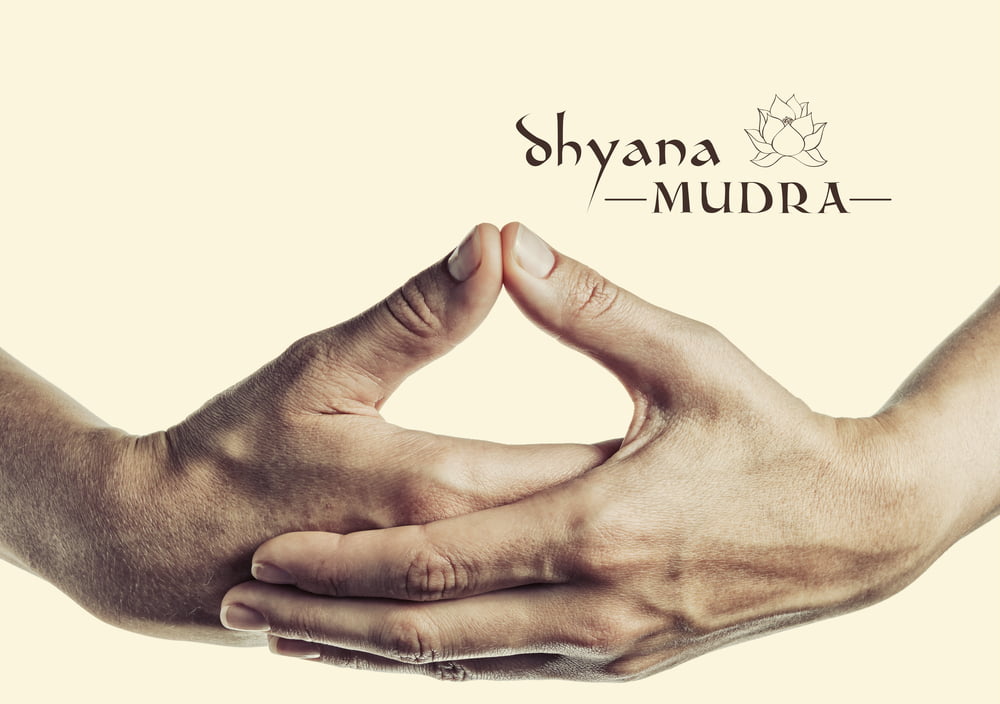
Dhyana Mudra which is also known as the meditation seal, is a popular hand gesture or pose commonly seen in various forms of meditation practices. This mudra holds a significant place in yoga & Buddhist traditions, as it is believed to enhance focus, concentration & spiritual connection. In addition to its benefits, Dhyana Mudra also comes with some precautions & possible side effects that need to be considered before incorporating it into your meditation routine. This article will provide an in depth knowledge of the benefits, side effects, how to perform Dhyana Mudra and the precautions one should take to ensure a safe & effective meditation practice.
Benefits of Dhyana Mudra.
This simple yet powerful hand gesture has a multitude of following benefits that can greatly enhance one’s meditation experience and overall wellbeing:
1 Enhanced Focus & Concentration.
By assuming the Dhyana Mudra, the energy flow within the body becomes harmonized which create a sense of balance & calmness. This allows the mind to settle & the practitioner to enter a deep state of focus and concentration.
The mudra acts as a physical anchor, directing the attention inward & reducing distractions, thus enhancing the quality of meditation.
Related Stories
 Extreme Yoga Poses for Two People: A Journey into Strength, Balance, and Trust
 Best 7 Positive Health Effects or Benefits of Surya Namaskar
2 Deepening of Meditation.
The Dhyana Mudra facilitates the flow of energy throughout the body, particularly in the hands & fingers. This helps to activate the energy centers or chakras within the body, allowing the practitioner to access deeper states of meditation.
The mudra acts as a conduit for the flow of energy, enabling a smoother & more profound meditation experience.
3 Stress Reduction & Relaxation.

The Dhyana Mudra promotes relaxation & aids in relieving stress and anxiety. By assuming this mudra, the mind & body are encouraged to let go of tension and enter a state of tranquility.
The gentle pressure created by the interlocking thumbs activates the parasympathetic nervous system, triggering the relaxation response & reducing the production of stress hormones.
4 Connection with Higher Self.
The Dhyana Mudra is often associated with connecting to one’s higher self or inner wisdom. By assuming this mudra, the practitioner aligns the left hand, which represents the feminine & intuitive energy, with the right hand, symbolizing the masculine and logical energy.
This integration of energies allows for a balanced connection between the conscious & subconscious minds, facilitating access to higher states of consciousness and spiritual insights.
5 Cultivation of Mindfulness.
The Dhyana Mudra acts as a reminder & anchor for cultivating mindfulness throughout the meditation practice.
The physical gesture serves as a point of focus, helping the practitioner stay present & attentive to the present moment. This deepens the practice of mindfulness, allowing the mind to observe thoughts and emotions without judgment & promoting a sense of clarity and equanimity.
6 Improved Posture & Alignment.
As the Dhyana Mudra requires the hands to rest in the lap, it naturally promotes an upright & aligned posture during meditation. This helps to open up the chest, elongate the spine and relax the shoulders and neck.
By maintaining proper posture, the practitioner can experience increased comfort & stability, allowing for a longer and more comfortable meditation session.
7 Balancing of Energies.
The Dhyana Mudra is believed to balance the flow of energy within the body by joining the left & right sides. This promotes harmony and equilibrium between the masculine and feminine energies within oneself.
By balancing these energies, the practitioner can experience a greater sense of wholeness & integration, leading to a deeper understanding of oneself and the world around them.
| 💡 Tips FreakToFit.com The Dhyana Mudra offers a myriad of benefits to those who incorporate it into their meditation practice. From enhancing focus & concentration to reducing stress and fostering spiritual connection, this hand gesture serves as a powerful tool for deepening one’s meditation experience and promoting overall wellbeing. |
Side Effects of Dhyana Mudra.
While Dhyana Mudra is known for its numerous benefits, it is essential to be aware of its following potential side effects:
1 Physical Discomfort.
Sitting in the Dhyana Mudra for an extended period can sometimes lead to physical discomfort. The pressure exerted on the knees, legs or back can cause strain or pain in these areas.
Therefore, individuals with pre existing joint or muscular issues should be cautious while practicing this mudra & make necessary adjustments to avoid discomfort.
2 Numbness or Tingling Sensation.
Maintaining the Dhyana Mudra for a prolonged period may cause numbness or a tingling sensation in the hands or fingers.
This occurs due to restricted blood circulation caused by the position of the hands. Individuals experiencing such sensations should release the mudra & gently move their hands and fingers to restore normal blood flow.
3 Distraction or Restlessness.
While Dhyana Mudra is intended to enhance focus & concentration during meditation, some individuals may find it challenging to maintain this hand position for an extended duration.
This can lead to distraction or restlessness, hindering the meditative state. It is important to listen to one’s body & modify the mudra if needed to ensure a comfortable & focused meditation practice.
4 Mental Agitation or Frustration.
In some cases, individuals may experience mental agitation or frustration while practicing Dhyana Mudra. This could be due to the effort required to maintain the hand position or the inability to achieve the desired level of concentration.
It is crucial to approach the practice with patience & self compassion, understanding that the journey of meditation is unique for each individual.
5 Overemphasis on the Physical Aspect.
Sometimes, practitioners may become overly fixated on perfecting the physical aspect of Dhyana Mudra, focusing solely on the hand position rather than the intended meditative state.
This can lead to a superficial practice that neglects the inner essence of meditation. It is essential to remember that Dhyana Mudra is a tool to support meditation & should not be the sole focus of one’s practice.
| 💡 Tips FreakToFit.com While Dhyana Mudra offers various benefits for meditation and overall wellbeing, it is important to be aware of the potential side effects. Practitioners should listen to their bodies, make necessary adjustments & approach the practice with mindfulness and self care to ensure a safe & fulfilling meditation experience. |
How To Do Dhyana Mudra?
To properly perform the Dhyana Mudra, follow these steps:
1 Find a Quiet and Comfortable Space.
Choose a peaceful environment where you can sit undisturbed for a period of time. This could be outdoors, in a dedicated meditation space or simply a quiet corner of your home.
2 Assume a Comfortable Seated Position.
Sit cross legged on a cushion or meditation mat, ensuring your spine is upright & relaxed. You can also sit on a chair with both feet placed firmly on the ground if that feels more comfortable for you.
3 Rest Your Hands on Your Lap.
Place your hands on your lap, palms facing upward. Allow your arms & shoulders to relax naturally.
4 Bring Your Hands Together.
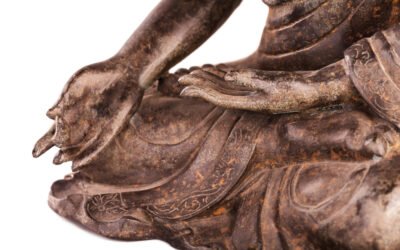
Gently touch the tips of your thumbs to the tips of your index fingers, forming a circle or oval shape. The rest of your fingers should remain extended & relaxed.
5 Find a Balanced Position.
Ensure that the pressure between your thumbs & index fingers is equal and comfortable. Experiment with the positioning of your hands until you find a balance that feels natural for you.
6 Relax Your Arms & Shoulders.
Allow your arms to rest comfortably on your lap, with your elbows slightly away from your body. Relax your shoulders & let any tension melt away.
7 Close Your Eyes.
Softly close your eyes, allowing yourself to turn inward & focus on your breath and inner sensations.
8 Breathe Deeply & Mindfully.
Take slow, deep breaths, allowing your belly to expand as you inhale & contract as you exhale. Focus your attention on the rise and fall of your breath, using it as an anchor to stay present in the moment.
9 Cultivate a Calm & Focused Mind.
As you hold the Dhyana Mudra, gently bring your awareness to the present moment, letting go of any distracting thoughts or worries. Allow your mind to become still & focused, immersing yourself in the depths of your meditation practice.
10 Maintain The Mudra For The Desired Duration.
Hold the Dhyana Mudra for as long as you feel comfortable, whether it’s a few minutes or an extended period of time. Listen to your body and intuition, gradually increasing the duration as your meditation practice deepens.
| 💡 Tips FreakToFit.com Remember, the Dhyana Mudra is not just about the physical hand position however also about cultivating a state of inner stillness and mindfulness. With regular practice and dedication, this mudra can enhance your meditation experience, promoting a sense of peace, clarity & self awareness. |
Precautions During Dhyana Mudra.
Maintaining a proper posture is crucial during Dhyana Mudra. Sit in a comfortable & stable position, with your spine erect and shoulders relaxed. Avoid slouching, as it may lead to discomfort or strain on the back and neck muscles.
1 Breath Awareness.
Pay attention to your breath while in Dhyana Mudra. Practice slow, deep breathing to promote relaxation & focus. Avoid shallow or irregular breathing patterns, as they may hinder the flow of energy & disrupt your meditation practice.
2 Physical Comfort.
Ensure that you are physically comfortable before entering into Dhyana Mudra. Adjust your clothing so that it does not restrict your movements or cause discomfort. It is also beneficial to create a calm and quiet environment to minimize distractions and enhance the meditative experience.
3 Duration.
Gradually increase the duration of your Dhyana Mudra practice. Start with shorter sessions like 10 to 15 minutes & gradually extend the duration as your body and mind become accustomed to the practice. Avoid overexertion by listening to your body and taking breaks when necessary.
4 Hydration.
Before beginning your Dhyana Mudra practice, ensure that you are well hydrated. Drink a sufficient amount of water to stay hydrated throughout the session. Dehydration can lead to discomfort & distract you from your meditation.
5 Mental Preparedness.
Approach Dhyana Mudra with a calm & focused mindset. Release any thoughts or worries that may be occupying your mind and create space for stillness and introspection.
Avoid engaging in the practice when feeling mentally or emotionally overwhelmed, as it may hinder your ability to fully immerse yourself in the meditation.
6 Consistency.
Consistency is key in reaping the benefits of Dhyana Mudra. Establish a regular practice schedule & commit to it. Consistent practice allows for deeper states of meditation and helps in developing a sense of discipline and tranquility.
| 💡 Tips FreakToFit.com Remember, these precautions are intended to enhance your Dhyana Mudra practice and ensure a safe & effective experience. It is advisable to consult with a qualified meditation instructor or healthcare professional if you have any specific concerns or health conditions before engaging in this hand gesture during meditation. |
My Personal Experiences on Dhyana Mudra.
Dhyana Mudra has had a profound impact on my personal journey towards inner peace and mindfulness. As I sit in this posture, with my hands resting on my lap, palms facing upwards & thumbs gently touching the tips of my index fingers,
I feel an immediate sense of calmness and tranquility wash over me. This mudra has become an essential part of my meditation practice, allowing me to delve deeper into a state of focused awareness and connect with my inner self.
Through Dhyana Mudra, I have experienced moments of profound clarity and insight, as it helps to still my mind and channel my energy towards a higher level of consciousness.
It has become a guiding force in my pursuit of self discovery & has provided me with a sacred space to explore my thoughts, emotions & spiritual growth.
Dhyana Mudra has truly been a transformative tool on my journey towards inner peace and self-realization.
Bottom Line.
Dhyana Mudra is a powerful hand gesture that holds significant meaning and benefits for those who practice it. This meditation pose helps to calm the mind, increase focus & awareness and promote a state of deep concentration. By bringing the thumb and index finger together, Dhyana Mudra symbolizes the union of individual consciousness with the universal consciousness. It is a representation of inner peace, tranquility & connection to the spiritual realm. Incorporating Dhyana Mudra into one’s meditation or yoga practice can enhance the overall experience & bring about a sense of tranquility and balance. Whether used as a tool for deepening meditation or as a reminder to stay present in daily life, Dhyana Mudra serves as a powerful gesture to cultivate a sense of peace and spiritual connection.