






























 Workout

 Meditation


 Podcast
 E-book


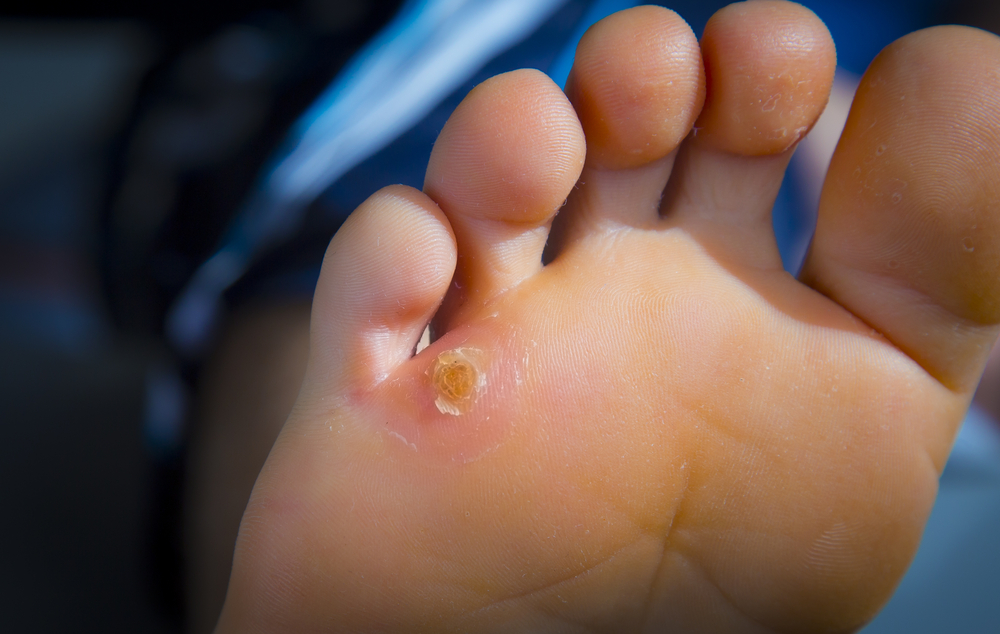
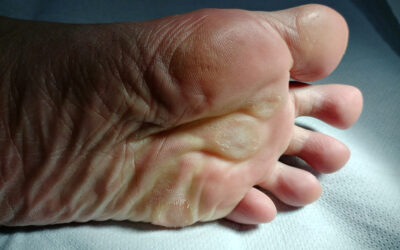
The term seed corn on the foot (or seed corns) refers to a typical form of foot disorder which suffers numerous people. These are hard, harpooned, calloused fields that normally form on those areas of the foot where weight bearing always takes place with weight bearing structures including weight bearing foot parts like the heel or the ball.
Due to the overuse of pressure or friction, the seed com has the ability to cause discomfort, and they also make it hard to walk or stand. Luckily, some ways to eliminate seed corn on the foot are effective.
The essay shall also investigate the type of treatment that can be administered through home remedies and medical interventions to relieve the pain and ensure the elimination of seed corns as part of the endeavours to maintain good health of the feet.
Treatments to get rid of seed corn on foot.
Seed corns on the foot can be quite uncomfortable and bothersome. Luckily There are different good treatments free to service beat free of sow corns and render ease from the joint hurt. Here are some commonly recommended treatments:
Related Stories
 Virtual Medical Assistants: The Impact on Affordable Healthcare
 Top 10 Benefits of Sleep Sacks You Must Know
1 Salicylic Acid Pads.
Using salicylic acid pads can be bought over-the-counter and applied directly to seed corn. Salicylic acid will help with softening the skin and removing the corn. You want to make sure you thoroughly read the instructions carefully to avoid irritation and damage to the surrounding healthy skin.
2 Soaking the Feet.
Soaking feet in warm water regularly will help soften the skin to make it easier to treat the seed corn. You might want to add some Epsom salts, or some apple cider vinegar for added benefits!
3 Pumice Stone or Emery Board.
After soaking the feet, you may want to gently rub the seed corn with a pumice stone or emery board to slough off the dead skin. You want to be careful of rubbing too much, and inflicting pain or injury.
4 Prescription Strength Medications.
For more serious cases or to take a stronger action, a dermatologist or podiatrist can prescribe stronger medications. These are made with salicylic acid, or urea, usually topical creams. These medicines can sometimes be more effective than over-the-counter creams.
5 Cryotherapy.
Cryotherapy is freezing the seed corn with liquid nitrogen. This is usually obtained through a medical professional, and this destroys the corn by making a blister underneath the corn making it eventually fall off.
6 Surgical Removal.
In cases where different treatments bear failing or the sow wheat is notably great or poignant amp healthcare master get advocate operative remotion. This procedure is typically performed under local anesthesia and involves cutting out the corn.
7 Proper Footwear.
Wearing place that set good and render decent back get service keep return of sow corns. Avoiding tight or ill-fitting shoes can reduce friction and pressure on the foot thereby reducing the likelihood of developing new corns.
| 💡 Tips FreakToFit.com It is important to note that if self-treatment methods do not provide relief or the seed corn worsens, it is advisable to consult a healthcare professional for a proper diagnosis and guidance on the most appropriate treatment. |
10 Ways to Get Rid of Seed Corn on Foot?
Seed corn, or seed corn-like formations, on the bottom of the foot can be very irritating, uncomfortable and very annoying. If you want to get rid of it quickly, I have ten ways to try.
1 Soak your feet.
Soak your feet in a basin of warm water + Epsom salt for about 15-20 minutes.
Soaking softens the skin making it easier to remove seed corn.
2 Use apple cider vinegar.
Soak a small cotton ball in apple cider vinegar and use tape or adhesive bandage to secure it on the seed corn overnight. Repeat this as needed everyday. The acidity of the apple cider vinegar helps to soften the seed corn. Over time the seed corn will disappear.
3 Exfoliate.
Taking care to gently rub the area with a pumice stone or file, destroy the dead skin cells that form seed corn. Too much removal of dead skin can produce skin irritation.
4 Salicylic acid.
You can purchase patches and gels containing salicylic acid over-the-counter. Follow the instructions and leave the medication on the area after applying. Salicylic acid will help to soften the seed corn. As the seed corn breaks down, you will have an easier time removing it, or it will come out by itself.
5 Use duct tape.
Cover the seed corn with a piece of duct tape. It will suffocate the seed corn and the tape will loosen it. After a few days, peel the tape off.
6 Moisturize your feet.
When the seed corn is treated, using a moisturizer or petroleum jelly daily on the foot will help with the softening of the corn and look at less friction, these things will make it easier for the seed corn to die off themselves.
7 Use roomy shoes.
Be cautious when wearing tight shoes or high heels. These shoes will exert pressure on the seed corn and can make them worse. Wear properly fitted shoes that are comfortable and allow your feet to breathe.
8 Use corn pads.
Drug stores have corn pads and corn cushions. They will take pressure off while the seed corn is not healed. Make sure the pad is in the right spot so it doesn’t cause more irritation.
9 Talk to a podiatrist.
If the home remedies are not working, seek professional help. A podiatrist will be able to expedite your treatment, they may debride the corn or prescribe a strong enough medication to help.
10 Maintain good foot hygiene.
Finally, keep your feet clean and dry! Wash your feet with soap and water regularly and dry them well. Corns enjoy climates that are moist, so keep your feet dry.
| 💡 Tips FreakToFit.com Remember, if you have diabetes or any underlying medical conditions, it’s important to consult a healthcare professional before attempting any of these remedies. |
Bottom Line.
Seed corn on the foot can be a painful and bothersome condition, but it is treatable and can be eliminated with proper care. From regular exfoliation and moisturization to the use of medicated patches or ointments, there are various methods available to help remove seed corn. It is important to consult a healthcare professional if self-treatment does not provide relief or if the condition worsens.
By taking preventive measures and practicing good foot hygiene, such as wearing comfortable shoes and keeping the feet clean and dry, the recurrence of seed corn can be minimized. Remember, patience and consistency in treatment are key to successfully getting rid of seed corn on the foot and restoring comfort and health to your feet.