










































 Workout

 Meditation


 Podcast
 E-book


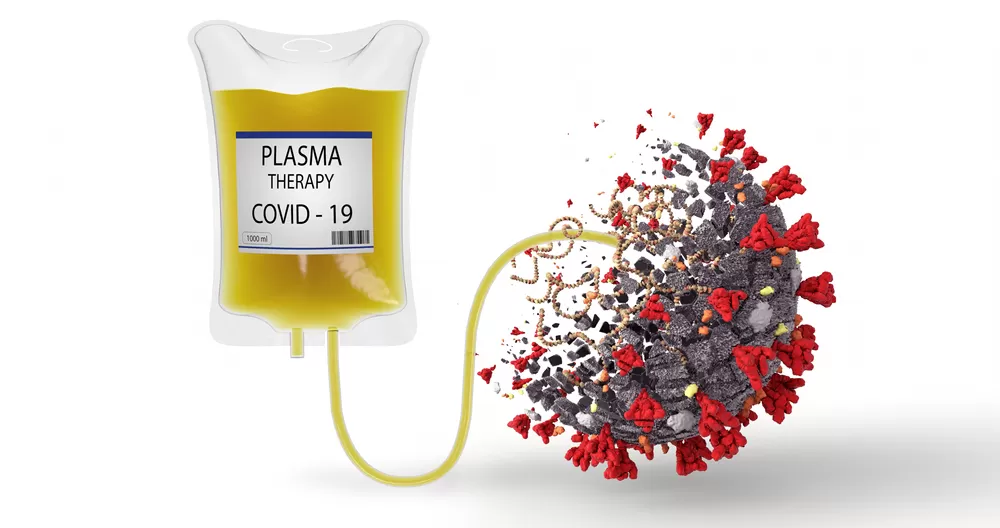
The second wave of the Covid-19 pandemic in the world has created havoc all around. Covid-19 infection cases are breaking the old record every day. Plasma therapy is in the news these days. Government has also appealed to the people to donate plasma. But do you know about plasma therapy? So, in this article we will discuss about plasma therapy in Covid-19 with benefits and side effects. Is plasma therapy safe for Covid-19? Who can donate plasma for Covid-19?
With the increasing number of corona virus cases, the demand for a variety of medical resources in hospitals is now gaining momentum. While people with mild symptoms are recovering from isolation at home, lakhs of people are struggling to supply oxygen cylinders, beds and medicines to hospitals. Thousands of lives are at risk and many have died due to the shortage of oxygen. Meanwhile, the demand for plasma therapy for treatment of Covid-19 patients in hospitals has also increased considerably. Many doctors in the country are appealing to those who have recovered from corona to come forward and provide plasma to other infected victims.
In such situations, if you are also looking for plasma for a particular or relative or you want to donate it yourself, it is important to follow some guidelines. Here we are giving you all the information related to plasma as well as who can donate plasma and who can’t.
What is Plasma?
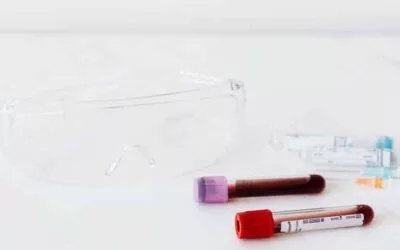
Experts say that our blood contains red blood cells, white blood cells and yellow liquid parts. The yellow liquid part present in the blood is called plasma, 92 per cent of which is water. Apart from water, plasma contain proteins, glucose minerals, hormones and carbon dioxide. About 55 per cent of our blood contains plasma.


What is Plasma Therapy?
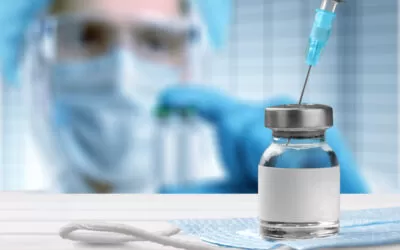
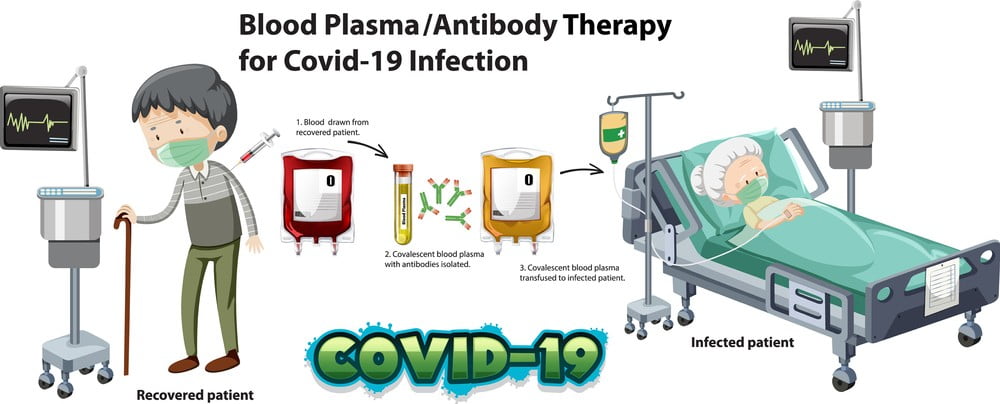
Plasma therapy is also known as Convalescent plasma therapy. It injects in the body of an infected person with the help of injection by removing plasma from the body of a person who has recovered from the corona. It is being told that plasma from a person who has recovered from Covid-19 produces antibodies which can be effective for another infected person.
However, there is no confirmation whether plasma therapy can actually cure a Covid-19 patient or not. All research on this has shown that plasma therapy for Covid-19 helps the infected person to recover and also reduces the effectiveness of Covid-19.
Who Can Donate Plasma For Covid-19?
In view of the growing havoc of corona, the Central Government has approved donation of plasma as well as issued some guidelines. The guideline issued by the Central Government provides information on what to do and what not to do about plasma donate.
- Those who have recovered from the corona virus can donate their plasma only after 28-30 days of recovery.
- The corona report of the plasma donator should be negative (RT PCR test). His hard copy and Aadhar card copy should also be with him or her.
- Those who are 18 years old and completely healthy can also donate plasma.
- People with symptoms such as fever, cold, cough, can also donate plasma, as they have a higher ability to have antibodies IgG SARS-Cov-2 than asymptomatic patient.
- Healthy people up to 60 years of age can give plasma.
- 50 kg or more and physically healthy people can also give blood.
- Hemoglobin count above 8.
Who Can’t Donate Plasma For Covid-19?
- Pregnant women should not donate plasma.
- People suffering from diabetes, cancer, hypertension, kidney, liver problems should also not donate plasma.
- Even a person who is taking medicines or undergoing treatment for a problem cannot donate plasma.
- Those who weighs less than 50 kg or is underweight.
When Does A Corona Patient Required Plasma?
– If the patient is advised.
– Low plasma levels in the patient’s well-being.
– If the patient is in a really bad condition and the donor of his blood group is present.
How Effective Plasma Therapy Is In Curing Covid-19 Sufferers?
Plasma therapy has proved effective in some cases to amid the outbreak of Covid and there has been a demand in hospitals. However, more research is still needed on whether plasma therapy can actually curb mortality. Because, earlier it was termed as ‘old’ by all health experts.
The Indian Council of Medical Research (ICMR) had also stated that plasma therapy does not reduce the number of deaths associated with Covid-19.(1)
Side Effects or Risk of Plasma Therapy For Covid-19.
Many diseases are treated through plasma present in the blood. Plasma donation is a completely safe medical process but also has some side effects. It is part of your blood. In a way to donate plasma, blood is drawn from the body and plasma is separated through a special machine. Then that blood is put back into the donor’s body. Plasma donation has common side effects such as dehydration and fatigue etc.
Lethargy, Fatigue.
Plasma is full of nutrients. Its support the organs of the body. Therefore, lower plasma level can unbalance electrolyte in the body and you may feel lethargic and lazy. In addition, low plasma levels also lead to fatigue in the body.
Dehydration.
Plasma contains a lot of water. So, after plasma donation many people complain of dehydration. However, dehydration is not very dangerous in such cases.
Risk of Infection.
During blood donation, when the needle is pricked in the skin, blood is removed directly from the veins, so many people get red marks on the place and sometimes there is a risk of infection. However, it is very rare. There is a risk of external bacteria entering the body from that place. It increases the risk of infection. Although blood donation is followed in a very safe manner nowadays, the risk of all this is negligible, yet we cannot avoid them.
Bottom Line.
Although plasma therapy is advised for Covid-19 positive patients to cure, but it has many side effects as mentioned above. So, before going for any therapy or medication, it is advisable to consult with the doctor and then take the necessary steps.
+3 Sources
Freaktofit has strict sourcing guidelines and relies on peer-reviewed studies, educational research institutes, and medical organizations. We avoid using tertiary references. You can learn more about how we ensure our content is accurate and up-to-date by reading our editorial policy.
-
1 Convalescent plasma therapy : https://www.mayoclinic.org/tests-procedures/convalescent-plasma-therapy/about/pac-20486440
-
2 EMERGENCY USE AUTHORIZATION (EUA) SUMMARY
COVID-19 RT-PCR TEST : https://www.fda.gov/media/136151/download
-
3 INDIAN COUNCIL OF MEDICAL RESEARCH : https://main.icmr.nic.in/