









































 Workout

 Meditation


 Podcast
 E-book


The Fast Facts
- For an in-depth look at the topic of an injury like a torn mensicus and how it can be solved through yoga that can be quite beneficial, I decided to get in touch with Dr.
- Have you ever heard about yoga, a traditional method brought from the mind to the body and its ability to not only be involved in the recovery process but also work for the longevity of your knees.
- The meniscus is a fibrocartilage in the knee joint that serves as a cushion and a stabilizer of the joint.

A torn meniscus is one of the most common injuries of the knee and it occurs not only among athletes but also among the people who use their joints actively. Nevertheless, have you ever heard about yoga, a traditional method brought from the mind to the body and its ability to not only be involved in the recovery process but also work for the longevity of your knees? This discussion delves into yoga as the most considerate way of mending a torn meniscus, providing an integration of expert testimonials, scientific affirmation, and the actual yoga poses that are conducive to your recovery.
What is a Torn Meniscus?
The meniscus is a fibrocartilage in the knee joint that serves as a cushion and a stabilizer of the joint. It’s also located between the femur (thigh bone) and the tibia (shin bone), where it acts as a shock absorber. The tear of the meniscus results from the cartilage becoming damaged due to some sudden or heavy lifting. The symptoms of the condition include pain, swelling, and limited movement, and thus can remarkably affect your life quality.
The meniscus is a structure that is difficult to heal due to its vascularized nature, but it does not mean that you can’t help it heal on its own. When it is a very serious situation, surgery is the first suggestion. However, many people benefit from uses of conservative treatments like physical therapy, you can even rest also yoga can perform miracles.
Related Stories
 10 Essential Yoga Poses for Anxiety and Depression
 Pretzel Twist Pose & Its Amazing Benefits
How Yoga Helps with Torn Meniscus Recovery?
Yoga does not only consist of flexibility exercises but also involves the practice of balancing the physical body that promotes strength, mental clarity, and flexibility. The movements and exercises in yoga are controlled, slow, and flowy which can facilitate your knee to become more stable. Also, they can relieve the pain of your inflamed knees, and the affected condition of the joint itself will be improved.
Key Benefits of Yoga for Torn Meniscus Recovery.
1 Greater Flexibility: Stretch for a more extended period on your joints, and this gentle exercise will enable your body to move better and hurt less, even after it has been injured.
2 More Strength: A stronger knee will not only help you overcome the regular activities of your daily life without any difficulties, but it will also trigger the recovery process and prevent similar injuries from happening again.
3 Better Blood Circulation: Yoga is the natural leader of all healing processes because it’s the best way to ensure that the blood is reaching the cells in the right amount.
4 No Stress: Your practice will enhance the synchronism between the spirit and the body, thus, you can easily understand the natural needs of your body and you will avoid any actions that might make the condition worse.
Expert Insights: Interview with a Physical Therapist.
For an in-depth look at the topic of an injury like a torn mensicus and how it can be solved through yoga that can be quite beneficial, I decided to get in touch with Dr. Sarah Johnson, a physical therapist and a specialist in sports injuries.
“Yoga can be a great additional therapy option for a torn meniscus besides traditional physical therapy. In particular, the slow movements of yoga to actively engage the muscles around the knee joint without putting the meniscus under pressure are very well suited. It is of the utmost importance that yoga be practiced in line with the individual’s limitations, especially so in the earlier stages of recovery,” Dr. Johnson affirmed.
She also underscored the importance of collaborating with a certified yoga instructor or physical therapist familiar with your condition to be sure there are no activities with tear-aggravating potential.
Best Yoga Poses for Torn Meniscus Recovery.
Some yoga asanas are not fit for people suffering from meniscus tears, especially in the beginning period of recovery. However, there are a few safe and effective poses that can easily and softly elongate and strengthen the surrounding muscles.
1 Mountain Pose (Tadasana).
It is a basic posture, which provides the body’s landmark for perturbation to be minimized and body alignment to be built.
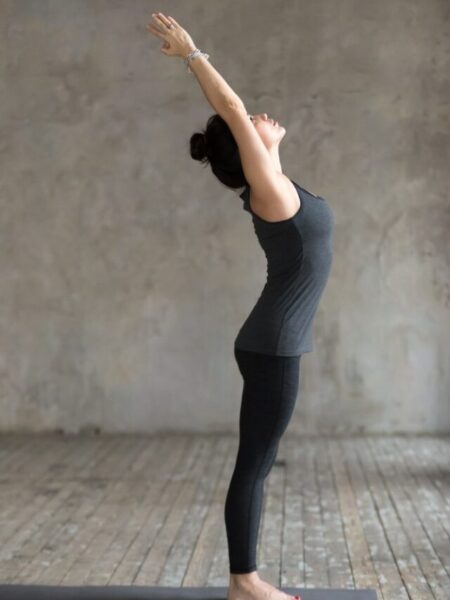
– How to do it: Stand with your feet together or hip-width apart. Engage your thigh muscles and gently lift your kneecaps. Distribute your weight evenly across both feet. Lengthen your spine and reach your arms overhead. Hold for 30 seconds to a minute, focusing on balance and stability.
2 Bridge Pose (Setu Bandhasana).
By doing this stretching, you will make your knee and the surrounding muscles stronger, but make sure you do not hurt yourself.
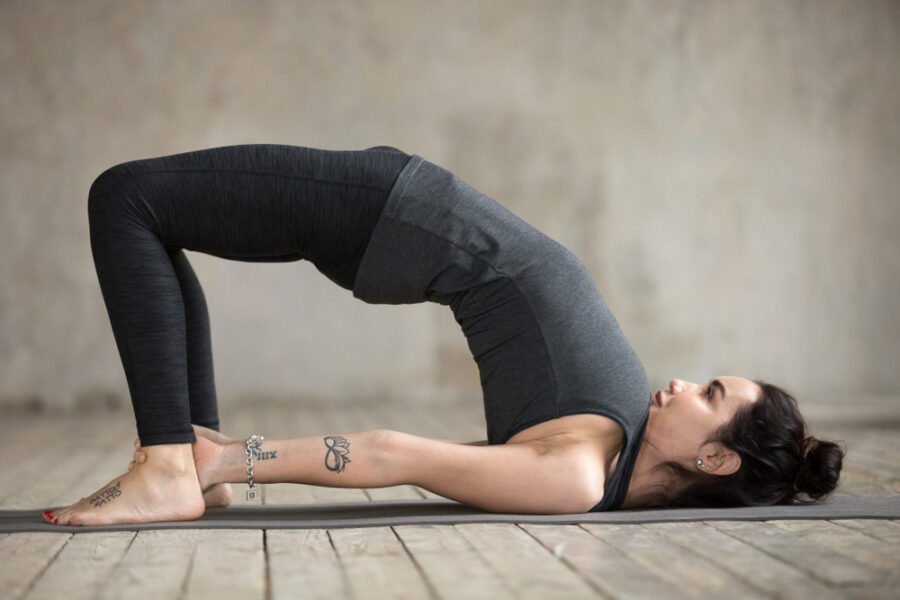
– How to do it: Lie on your back with your knees bent and feet hip-width apart. Press your feet into the ground and lift your hips toward the ceiling, keeping your shoulders and head on the floor. Hold for 30 seconds, then lower down slowly.
3 Legs Up the Wall Pose (Viparita Karani).
This pose accomplishes two things at once—it increases blood flow in the legs and knees and reduces inflammation at the same time.

– How to do it: Your side should be positioned alongside the wall. Then, with your head and spine still on the floor, stretch your legs up the wall. The legs-up should last from 5 to 10 minutes with all your attention on taking long and deep breaths.
4 Chair Pose (Utkatasana).
This is a pose that if done regularly will strengthen your quadriceps and core which support the stability of the knee.

– How to do it: you Can be with your feet together or a little apart. What you will do is take a deep breath and then push your arms to the ceiling go ahead with exhale and squat, as if you are lowering your back in the invisible chair. Keep your chest high and the weight in your heels. Stay for 20 – 30 seconds.
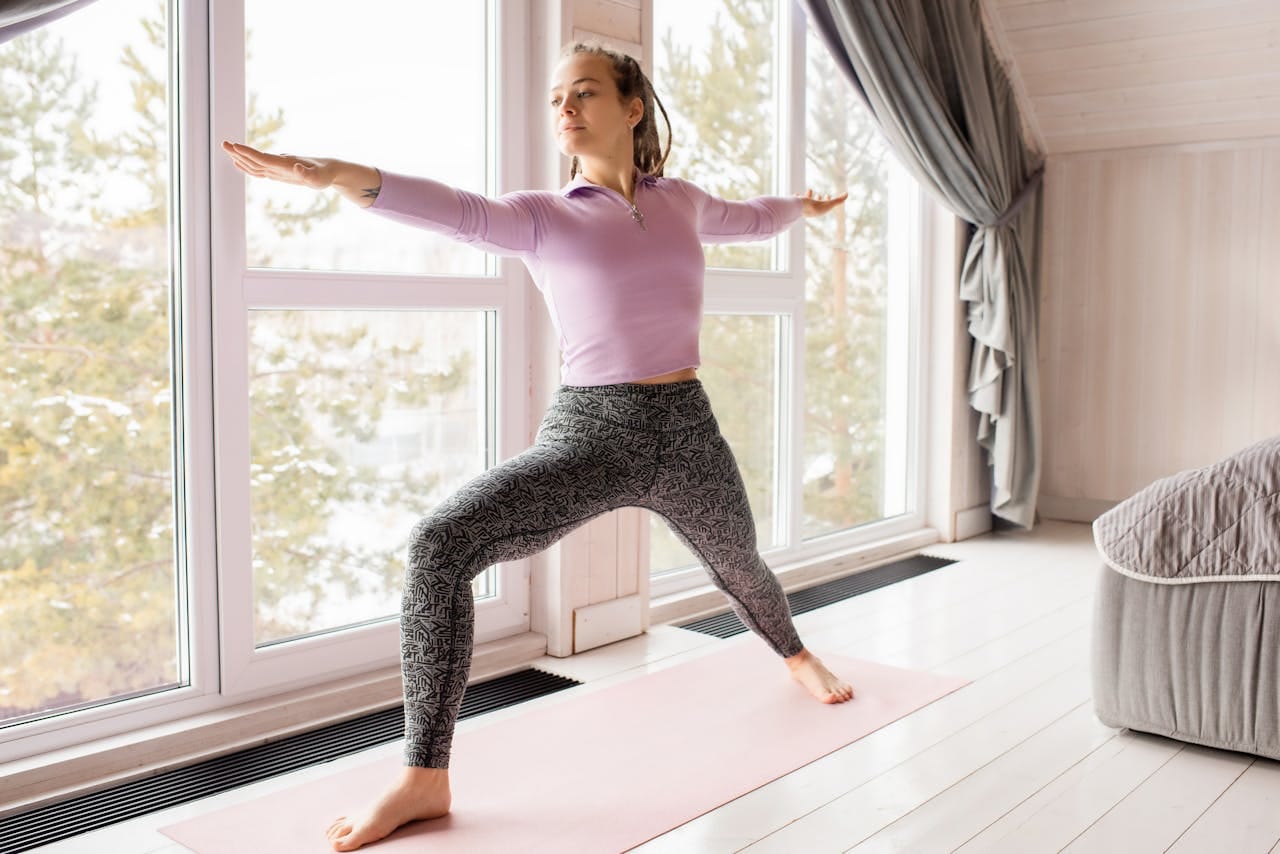
5 Supported Warrior II (Virabhadrasana II).
The activity that evokes the Word Warrior in the title strengthens the muscles of the legs and the hips and at the right time of the execution, the balance and body awareness of the performer also get better and better.

– How to do it: Place your feet as wide apart as possible. The left foot should be slightly turned inwards and the right foot should be turned outwards. Relax the muscles on your right knee while maintaining it firmly at a tabletop position. Keep your arms shoulder-distance apart. You should switch sides every 20 seconds by leaning against a wall for support if necessary.
The Science Behind Yoga and Meniscus Recovery.
Various research studies have demonstrated the unique role of yoga in the rehabilitation of joint injuries, such as meniscal tears. An example of a 2016 study that was carried out and had its results published in the Journal of Orthopaedic Research revealed that gentle exercises and motions have the potential to contribute significantly to joint flexibility and muscle strength, both being indispensable in the healing process.(1)
Onwards, the 2020 review from the Journal of Bodywork and Movement Therapies stressed the advantages of yoga on musculoskeletal rehabilitation. The controlled, mindful movements employed in yoga assist in keeping away any further damage to the injured part and thus, result in faster healing. Through the emphasis of proper alignment and bodily sensations, yoga can help particularly in keeping reinjury at bay during the healing process.(2)
Scientific Fact: “The meniscal cartilage heals poorly itself, but the nearby tissues—when strengthened and mobilized—can provide the knee with extra support and lower the chance of further damage.”
Bottom Line.
Doing yoga while recovering from a torn meniscus is a slow but sure step-by-step process that requires some effort, time, and balance. Practicing yoga can be quite a mild way of generating support for your knee without forcing it to recover and also giving you flexibility and strength gains. Even with the supervision of the healthcare professionals, yoga is considered an effective recovery tool through regular, mindful, focused practice.
Inviting yoga into your routine, as a matter of fact, not only is it that your knee is being cared for in the process but also you get to know your body better. In addition to the physical benefits, you will also experience emotional and psychological healing, reduced stress and an enhanced sense of well-being.
+2 Sources
Freaktofit has strict sourcing guidelines and relies on peer-reviewed studies, educational research institutes, and medical organizations. We avoid using tertiary references. You can learn more about how we ensure our content is accurate and up-to-date by reading our editorial policy.
- Effect of moderate exercise on osteoarthritis; https://pmc.ncbi.nlm.nih.gov/articles/PMC10026061/
- Cyclic Yoga Improves Anthropometric Indices; https://www.bodyworkmovementtherapies.com/article/S1360-8592(24)00521-7/abstract