












































 Workout

 Meditation


 Podcast
 E-book



The Fast Facts
- There is no specific rating for cornbread on the GI scale to define how bad it can be for you as a diabetic or not.
- Corn is not only low in fat and sodium, but it is also a great source of minerals, vitamins and fiber.
- Cornbread is a high carb food based only on its ingredients, it doesn’t mean you can enjoy this southern bliss or not.

Cornbread is a high carb food based only on its ingredients, it doesn’t mean you can enjoy this southern bliss or not. What this means though is that you do some research to better understand cornbread and how it might fit into your diet. To better understand, let’s look at cornmeal’s glycemic index. However, we’ll also find out is cornmeal bad for diabetics or not?
What Is The Glycemic Index of Cornmeal?
Cornmeal is the main ingredient in cornbread. It is important to understand the main ingredients a little more to better understand the overall effect of cornbread. At the same time, it is being said that where does the cornmeal fall on the GI scale?
100 grams of cornmeal contains 362 calories, 3.5 grams of fat, 76.9 grams of carbohydrates, 8.12 grams of protein, 7.3 grams of fiber and 0.64 grams of natural sugar.
Related Stories
 Roti or Stale Bread Face Pack For Glowing and Tightening Skin
 Thymidine Kinase 1 (TK1) as a Biomarker for Breast Cancer Diagnosis and Monitoring
Most carbs come from high starch content in cornmeal. Still, 76.9 gm of fiber is going to assist a lot in digestion. All of these put combined cornmeal in the middle category on the GI scale, but hardly the same.
The GI of cornmeal occurs between 68-69 depending on the recipes. (1) If you cook it with water, the GI will be 68. The higher range on the scale starts at 70. Does this mean cornmeal is bad for diabetics?
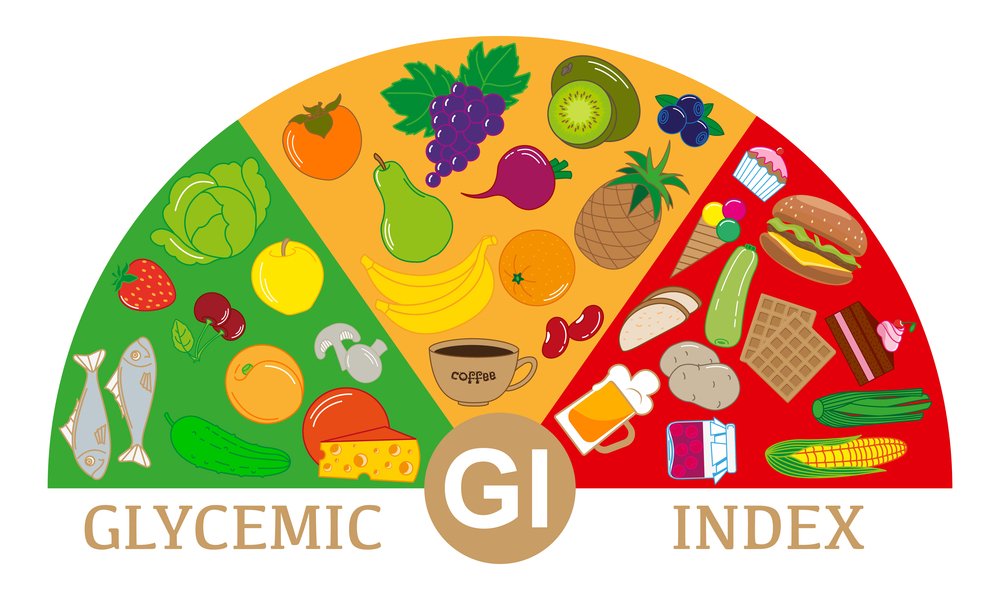
There is no specific rating for cornbread on the GI scale to define how bad it can be for you as a diabetic or not. Although as a diabetic you are aware of the various resources available for calculating this number.
Is Cornmeal Bad For Diabetics?
Yes, you may eat cornmeal even if you are suffering from diabetes. Cornmeal is a rich source of energy, minerals, vitamins and lots of fiber which are effective for diabetics patients.
GI index for diabetics is considered to be slightly higher. I mean if you serve cornmeal alone, blood sugar levels will rise sharply. Naturally, you’ll want to balance it with a well-rounded meal.
Corn itself is a wealth of healthy benefits that are great for your body. Corn is not only low in fat and sodium, but it is also a great source of minerals, vitamins and fiber.
Cornmeal comes in three different varieties: yellow, white and blue. Yellow variety is most popular . When choosing cornmeal you may also choose from fine, scaly and regular pieces.
The second thing to consider is the process in which it is formulated. You can choose between stone-ground or de-sprouted. Stone-ground is a healthier less processed variety and therefore contains more nutrients, and has a more rich taste than non-sprouted varieties.
Basically, cornmeal as a diabetic isn’t necessarily for you. It can be fitted into any food with restraint like most foods. The simple answer is that, diabetics patients can eat cornmeal.
+1 Source
Freaktofit has strict sourcing guidelines and relies on peer-reviewed studies, educational research institutes, and medical organizations. We avoid using tertiary references. You can learn more about how we ensure our content is accurate and up-to-date by reading our editorial policy.