
















If you’re a beginner looking to practice this ancient Chinese martial art in the comfort of your own home, you’ve come to the right place. Tai Chi is a gentle and flowing exercise that focuses on slow, deliberate movements and deep breathing. It not only improves physical health but also promotes mental well-being.
As a beginner, it’s important to approach Tai Chi with patience and an open mind. In this guide, we will provide you with some essential tips to help you get started on your Tai Chi journey at home. Whether you’re seeking stress relief, increased flexibility, or overall balance, these tips will lay a solid foundation for your practice. So, let’s dive in and explore the world of Tai Chi and know its tips together!
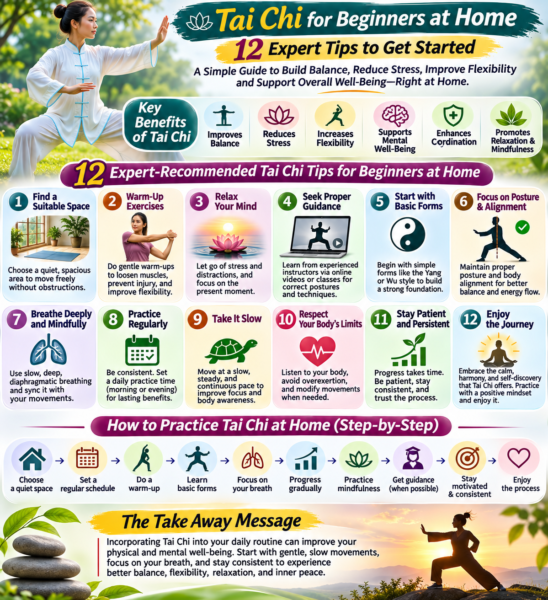
12 Experts Recommended Tai Chi Tips for beginners at home.
If you are a beginner looking to start your Tai Chi journey from the comfort of your own home, we have gathered the advice of 12 experts in the field to provide you with invaluable tips to ensure a successful and enjoyable practice.
1. Find a suitable space.
Dedicate a quiet and spacious area in your home where you can freely move without any obstructions. This will allow you to perform the flowing movements of Tai Chi without limitations.
Related Stories
 The Seated Zottman Curl Exercise : Benefits & How To Do
 How To Get Breasts Back After Weight Loss
2. Warm-up exercises.
Prior to starting your Tai Chi practice, engage in gentle warm-up exercises to loosen your muscles and joints. This will help prevent injuries and enhance flexibility.
3. Relax your mind.
Tai Chi is not only a physical exercise but also a practice that promotes mental relaxation. Clear your mind of any distractions or stressors, allowing yourself to fully immerse in the present moment.
4. Seek proper guidance.
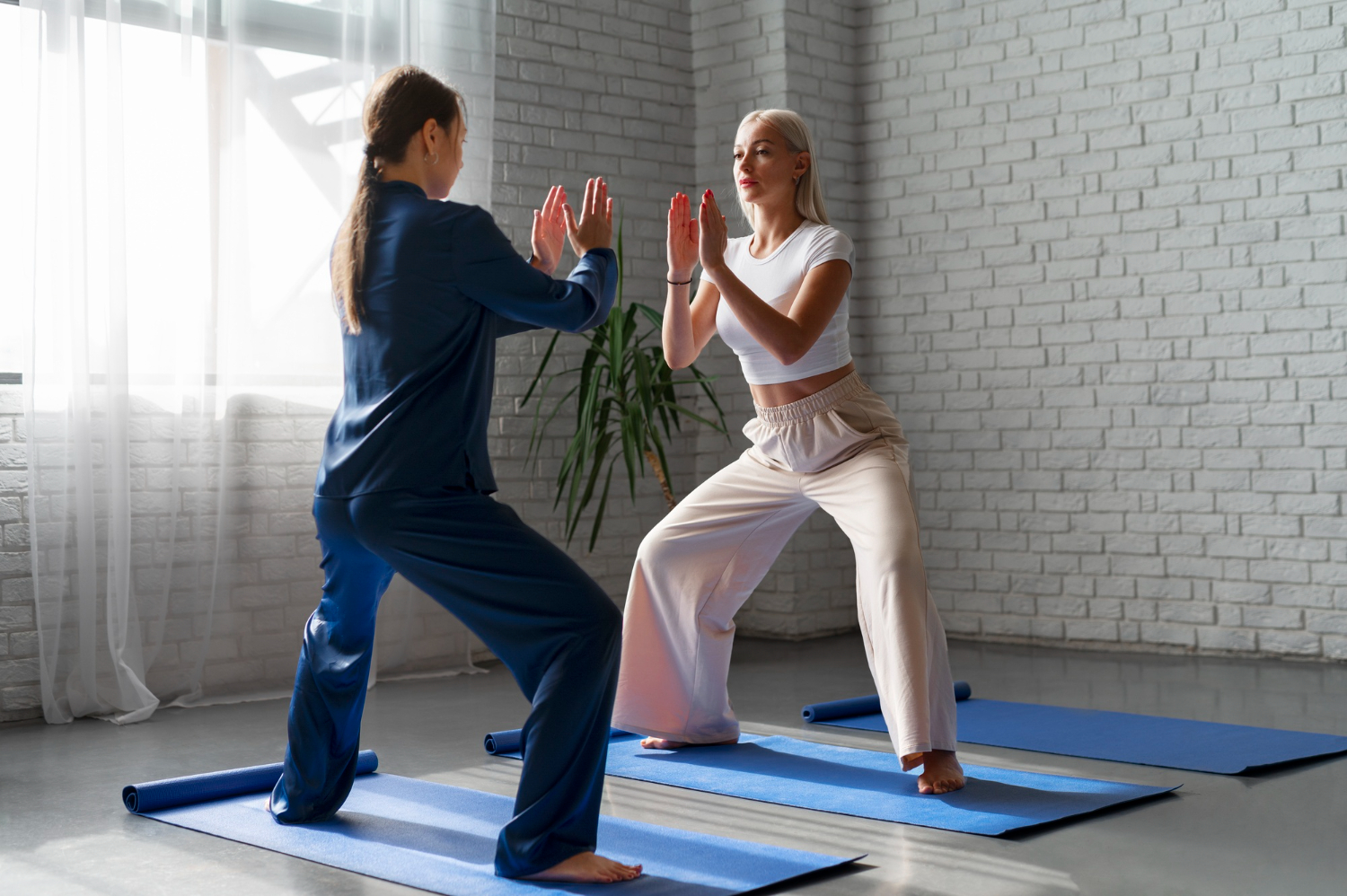
While practicing Tai Chi at home, it is crucial to seek guidance from experienced instructors through online tutorials or video classes. They can provide you with correct postures, breathing techniques, and movements to ensure you are practicing accurately.
5. Start with basic forms.
Begin with learning the fundamental forms of Tai Chi, such as the Yang style or the Wu style. Mastering these basic forms will lay a strong foundation for your future practice and allow for progression to more advanced movements.
6. Focus on posture and alignment.
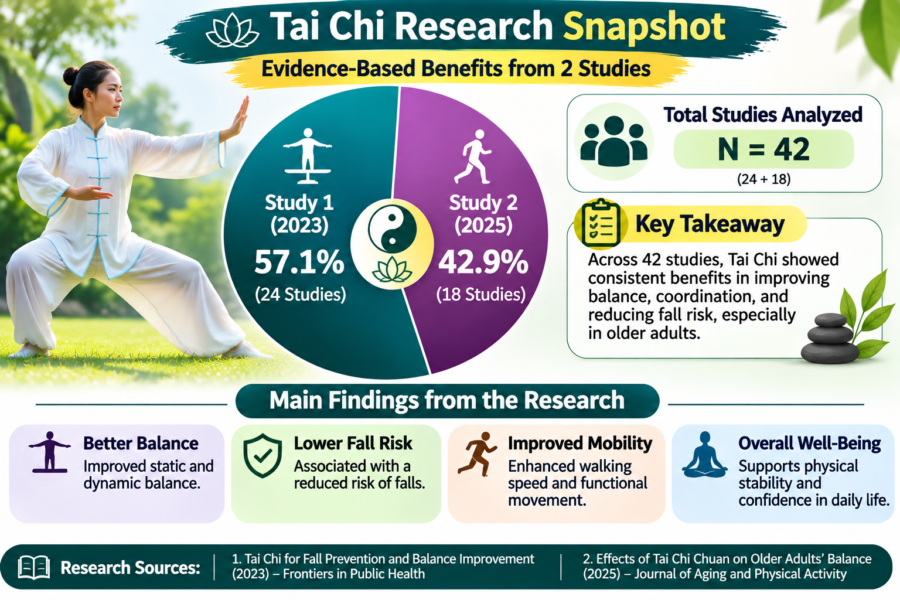
Pay close attention to your posture and alignment during each movement. Correct positioning of your body will help you maintain balance, improve coordination, and enhance the flow of energy.(1),(2)
7. Breathe deeply and mindfully.
Proper breathing is essential in Tai Chi, as it aids in relaxation and energy circulation. Practice deep diaphragmatic breathing, inhaling through your nose and exhaling through your mouth, syncing your breath with each movement.
8. Practice regularly.
Consistency is key in Tai Chi. Set aside dedicated time each day for your practice, whether it’s in the morning or evening, and stick to your routine. Regular practice will allow you to experience the full benefits of Tai Chi.
9. Take it slow.
Tai Chi is characterized by slow and deliberate movements. Avoid rushing through the forms and focus on maintaining a smooth and continuous flow. Slow movements enhance body awareness, balance, and concentration.
10. Pay attention to your body’s limits.
Respect your body’s limitations and avoid pushing yourself too hard, especially as a beginner. Listen to any discomfort or pain signals and modify the movements accordingly. Over time, you will gradually build strength and flexibility.
11. Stay patient and persistent.
Tai Chi is a lifelong journey, and progress may not be immediate. Embrace the process and remain patient with yourself. With regular practice, you will witness gradual improvements in your physical and mental well-being.
12. Enjoy the journey.
Lastly, remember to enjoy the practice of Tai Chi. Embrace the tranquility, harmony, and self-discovery it offers. Approach each session with a positive mindset, and let the joy of Tai Chi be your guide.
| 💡 Tips FreakToFit.com By incorporating these expert-recommended Tai Chi tips into your home practice, you can embark on a fulfilling journey towards improved health, inner peace, and self-awareness. Start your Tai Chi practice today and experience the transformative benefits it can bring to your life. |
How to Practice Tai Chi at Home As a beginner?
Tai Chi is a traditional Chinese martial art that combines deep breathing, flowing movements, and meditation. It is known for its numerous physical and mental health benefits, such as improving balance, reducing stress, and increasing flexibility.
While it is often practiced in groups or in dedicated studios, it is also possible to practice Tai Chi at home. Here are some steps to help you establish a fulfilling and effective Tai Chi practice in the comfort of your own home:
1. Find a suitable space.
Look for a quiet, spacious area in your home where you can move around freely without any obstructions. It could be a living room, a backyard, or any other area that provides enough room for your movements.
2. Set a regular schedule.
Consistency is key when practicing Tai Chi. Establish a regular schedule that suits you best, whether it’s in the morning to start your day off on a positive note, or in the evening to wind down and release any accumulated tension.
3. Warm-up exercises.
Before diving into Tai Chi forms, warm up your body with some gentle exercises. This could include stretching, rotating your joints, and performing light aerobic movements to get your blood flowing.
4. Begin with basic Tai Chi forms.
Start with simple Tai Chi forms that are easy to follow. There are numerous instructional videos and online resources available that can guide you through the fundamental movements.
Focus on maintaining proper posture, relaxing your body, and syncing your breath with each movement.
5. Pay attention to your breath.
Breathing is an essential component of Tai Chi. Practice deep, slow, and controlled breathing, inhaling through your nose and exhaling through your mouth. Coordinate your breath with your movements, allowing it to guide your flow and promote relaxation.
6. Gradually progress to more advanced forms.
Once you feel comfortable with the basic forms, you can gradually move on to more complex sequences. Challenge yourself by learning new movements or exploring different Tai Chi styles. Remember to always listen to your body and progress at your own pace.
7. Practice mindfulness and meditation.
Tai Chi is not just a physical exercise, but also a practice that cultivates mindfulness and inner peace. As you perform the movements, focus your attention on the present moment, letting go of any distractions or thoughts.
Embrace the meditative aspect of Tai Chi, allowing it to calm your mind and promote mental clarity.
8. Seek guidance from a qualified instructor.
While practicing at home is convenient, it’s beneficial to seek guidance from a qualified Tai Chi instructor. Attending occasional classes or workshops can help refine your technique, deepen your understanding, and provide valuable feedback on your practice.
9. Stay motivated and consistent.
Like any other form of exercise, maintaining motivation and consistency is crucial. Set realistic goals, track your progress, and celebrate small achievements along the way. Remind yourself of the many benefits Tai Chi offers, and be patient with yourself as you gradually improve your skills.
10. Enjoy the process.
Tai Chi is not just about achieving a certain level of mastery; it is a lifelong journey. Embrace the process, enjoy the practice, and let the beauty of Tai Chi unfold in your daily life. Embody the principles of relaxation, harmony, and mindfulness that Tai Chi promotes, and let it positively impact your overall well-being.
Additional Benefits of Practicing Tai Chi at Home.
Practicing Tai Chi at home can become a valuable part of a healthy lifestyle. Its gentle movements encourage coordination, body awareness, and controlled movement, making it an accessible activity for many beginners.
1. Improves Everyday Balance: Regular practice of slow, controlled movements may help develop stability and coordination. This can be particularly useful when performing everyday activities such as walking, turning, and changing direction.
2. Encourages Mental Relaxation: Combining mindful breathing with flowing movements creates an opportunity to step away from daily distractions. A quiet practice session may help you feel calmer and more focused.
3. Supports Flexibility and Mobility: Gentle weight shifting, arm movements, and controlled turns help move different joints through comfortable ranges of motion. Always avoid forcing a stretch or movement.
4. Builds a Healthy Routine: Practising at home makes it easier to include Tai Chi in your daily schedule. Even a short beginner-friendly session can help you develop consistency.
5. Promotes Self-Awareness: Tai Chi encourages you to notice your posture, breathing, and body movements. This awareness can help you recognise physical limitations and adjust your practice accordingly.
Remember, progress does not depend on performing complicated movements. Start slowly, practise comfortably, and gradually develop confidence with each session.
The Take Away Message.
Incorporating Tai Chi into your daily routine can bring numerous benefits to both your physical and mental well-being. By following the expert-recommended tips for beginners at home, you can embark on a journey of self-discovery and inner peace. Remember to start with gentle, slow movements, focus on your breath, and practice consistently.
As you progress, you will notice improvements in your balance, flexibility, and overall relaxation. Tai Chi is a lifelong practice that can be enjoyed by people of all ages and fitness levels. So, why not give it a try and experience the transformative power of this ancient martial art?
+2 Sources
FreakToFit has strict sourcing guidelines and relies on peer-reviewed studies, educational research institutes, and medical organizations. We avoid using tertiary references. You can learn more about how we ensure our content is accurate and up-to-date by reading our editorial policy.
- Tai Chi for fall prevention and balance improvement in older adults: a systematic review and meta-analysis of randomized controlled trials; https://pmc.ncbi.nlm.nih.gov/articles/PMC10509476/
- Effects of Tai Chi Chuan on Older Adults’ Balance: A Systematic Review With Meta-Analysis; https://pubmed.ncbi.nlm.nih.gov/39244194/