








































 Workout

 Meditation


 Podcast
 E-book


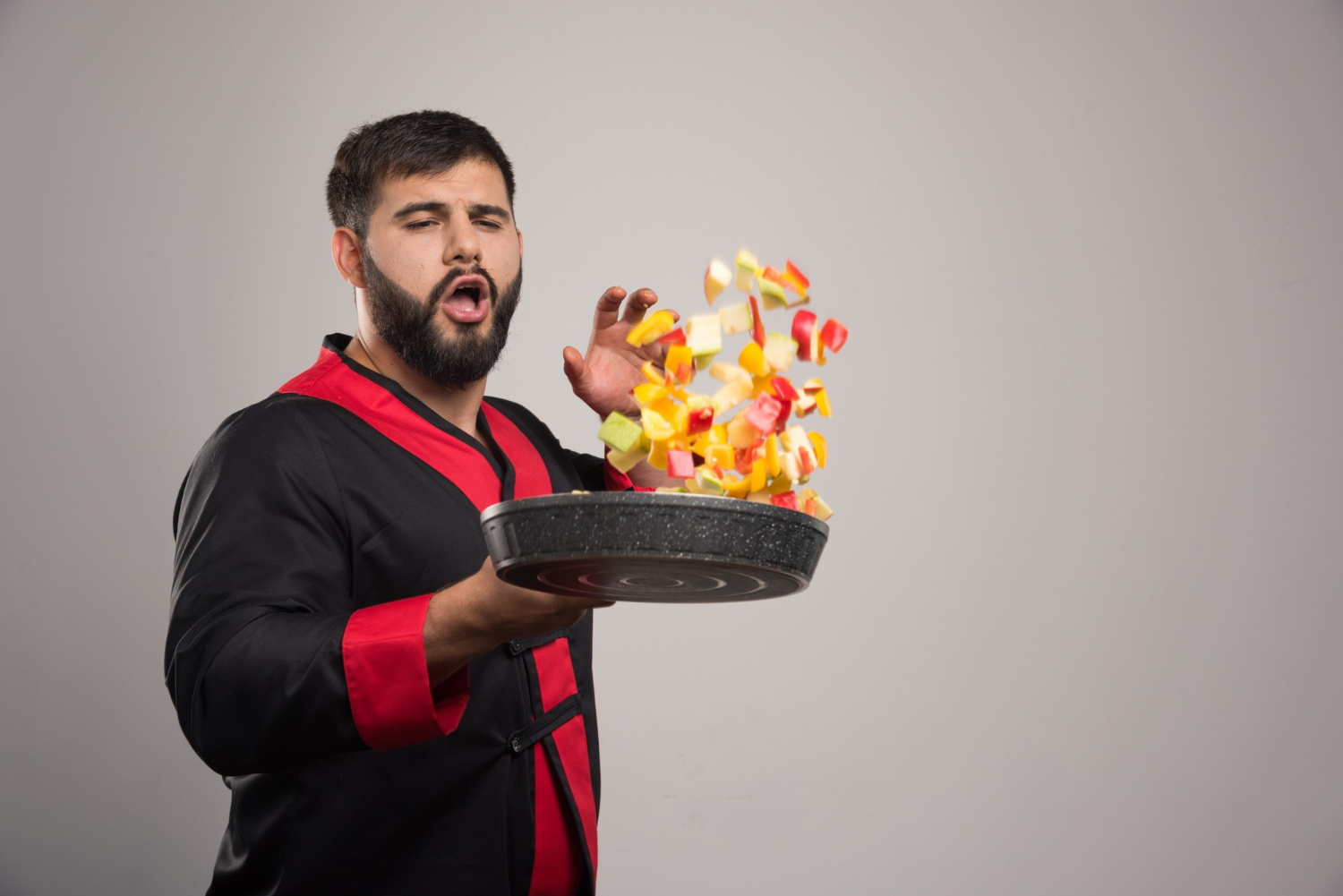
To be safe while you prepare your meals, you should pay much attention to food safety. One of the most difficult and potentially dangerous tasks is the reheating of food which is still not perfectly heated and the hot holding of it. An error in these processes might lead to serious food poisoning. This article contains a step-by-step guide to the correct temperature and time for reheating and hot holding food, including evidence-based information, professional opinions, and frequently asked questions (FAQs) that will help you to do it right every time.
Why Temperature and Time Matter in Food Safety?
Many foodservice operations engage in reheating and hot holding food safety practices to fulfill their duties. Unfortunately, if those processes are not carefully handled, some bacteria that cause foodborne illnesses can grow and multiply at a very fast pace. These pathogenic microbes, such as Salmonella and E. coli, are capable of doubling their population every 20 minutes when the environment fluctuates between 4°C and 60°C. In this temperature range, they can be of significant risk to the eater. The U.S. Centers for Disease Control and Prevention (CDC) informs that negligence in food preservation and handling accounts for a large percentage of the cases of food poisoning, thus, millions of people are affected annually.
For how long can you keep the food out of the danger zone and make sure it is still safe? Yes, this is the question, and the answer is by controlling temperature and time parameters. Keep reading this article and find out the basics.
The Correct Temperature for Reheating Food.
What Does Reheating Mean?
Reheating is the procedure of heating food that has already been cooked and taken to a safe temperature before eating. It is imperative to mention that reheating differs with cooking; the food is already done but it only requires warming to make it safe and palatable to eat once again.

What is the Right Temperature for Reheating Food?
According to food safety agencies, such as the Food and Drug Administration (FDA), of the United States or the Food Standards Agency (FSA), of the United Kingdom, food should be reheated to a 15 second minimum temperature of 165°F (74°C). This is also hot enough to destroy the dangerous bacteria that could have grown during the cooling or storage.
This is a composition of suggested reheating temperatures of various kinds of food:
- Meat, Poultry, and Seafood: 165°F (74°C).
- Soups, Sauces, and Gravies: 165°F (74°C).
- Egg Dishes and Casseroles: 165°F (74°C).
- Leftovers in General: 165°F (74°C).
How to Ensure Food is Reheated Correctly?
Check the temperature of the food using a food thermometer to ensure that the food is cooked to the required 165°F. Microwave, stovetops and ovens warm the food in a non-even manner so ensuring the food has been checked in more than one temperature point it is always safe.
Insider Hack: Food that is stored in large amounts should be divided so as to reheat small batches of them at a time. When cooking in the microwave stir or rotate food to prevent cold spots where germs might be able to survive.
The Correct Temperature for Hot Holding Food.
What is Hot Holding?
Hot holding refers to the practice of keeping cooked food warm until it’s served. This is commonly seen in restaurants, catering services, and buffets. Keeping food at a consistent temperature prevents bacteria from growing.
What is the Right Temperature for Hot Holding?
As per food safety gurus and scientific research, food that is held hot should be at the least temperature of 140°F (60°C). It is the temperature beyond the danger zone that prevents bacteria from multiplying. Nevertheless, it is suggested to have food kept at 165°F (74°C) and above for the sake of better safety.
Food and Drug Administration’s Food Code suggests that food not be more than four hours in the hot holding range. Time more than this will not only deteriorate the quality and safety of food but can also cause food poisoning even if it is held at the right temperature.
Best Practices for Hot Holding.
– Have equipment made for hot holding like steam tables or warming trays.
– Periodically check with a food thermometer if the temperature of the food remains the same.
– Maintain a stable temperature by stirring the food occasionally.
Time Guidelines for Reheating and Hot Holding.
How Long Should You Reheat Food?
As for reheating, FDA holds a guideline that within two hours, food should be heated to 165°F (74°C) or higher. If it can’t be up to that temperature in two hours, then the food should be discarded. The faster the food is reheated, the safer it becomes.
How Long Can You Keep Food in Hot Holding?
Food can be kept hot at 140°F (60°C) or hotter for up to four hours without the fear of bacteria growing. If food is not held at a safe temperature, apart from the period of time, it is also one of the reasons it should be discarded after only two hours of leaving the desired temperature.
The Role of Time in Food Safety.
The mingling of time and temperature is the simplest way to stop the rapid growth of bacteria. The more time food spends in the danger zone, the more opportunities there are for the bacteria to multiply. Thus, it is pivotal to cut the time food passes through the dangerous temperature, as practically as possible.
Scientific Evidence Behind Reheating and Hot Holding Guidelines.
Infectious bacteria present in food products will quickly die off if the temperature goes above 165°F (74°C), following studies mainly done by scientists in lab conditions. The U.S. Department of Agriculture (USDA), in one of their recent publications, states that the pathogens Salmonella and E. coli are completely inactivated at this highest temperature.(1)
In addition, research data claims that bacteria double in number every 20 minutes with the middle ground being 40°F (4°C) to 140°F (60°C) where the food exists. This inevitably shows the importance of reheating and holding food at the recommended temperatures to avoid foodborne illnesses, thus preventing the increasing problems related to the health of the society.
Interview with a Food Safety Expert.
We got in touch with Janet Smith, a food safety auditor with 15 years of experience. This is what she has to say about the right way of reheating and hot holding policy:
Q: Janet, why is temperature control so important in food safety?
Janet Smith: “Temperature control is the backbone of food safety. Pathogens can multiply rapidly in the danger zone, and the best way to prevent foodborne illness is to keep food either hot enough or cold enough. Reheating to 165°F is especially critical because it’s the temperature that ensures any harmful bacteria are destroyed.”
Q: What are common mistakes people make when reheating or holding food?
Janet Smith: “One of the most common mistakes is depending on their senses to check whether the food is still hot. People often see steam and think that it is the only determining factor in judging when the food is done, which is not true. Another mistake would be letting the food go too cold while the hot holding is on. Always have a thermometer to be sure that your food is safe and fresh.”
Frequently Asked Questions.
It is best to only reheat food once. More chances of bacteria multiplying develop with each cooling and reheating of the food.
Indeed, the food has to be reheated to 165°F before putting in the slow cooker. Additionally, to perform a safe hot holding the cooker has to remain at a minimum temperature of 140°F.
Leaving food at below 140°F for more than two hours dramatically increases the risk of bacterial growth. It is better to throw it away if it has been below this temperature for a long time.One main thing.
Bottom Line.
Reheating food and maintaining hot conditions are essential factors that guarantee safety of food. This is by looking at the food heating or holding temperature and the time taken to reheat the dish. With these guidelines, especially when the reheated food gets up to 165°F and/or when the hot held food is 140°F or above, you can prevent the outbreak of food poisoning and also keep the flavor of your food. Your knowledge and practice of these principles may not be skipped whether you cook for a small or big team, aim at keeping a restaurant, or simply prepare food for yourself at home.
+1 Source
Freaktofit has strict sourcing guidelines and relies on peer-reviewed studies, educational research institutes, and medical organizations. We avoid using tertiary references. You can learn more about how we ensure our content is accurate and up-to-date by reading our editorial policy.
- “Danger Zone” (40°F – 140°F); https://www.fsis.usda.gov/food-safety/safe-food-handling-and-preparation/food-safety-basics/danger-zone-40f-140f