






































 Workout

 Meditation


 Podcast
 E-book


If you’ve tried losing weight, you know it’s not as simple as commercials make it look. Weight loss is difficult because the body is wired to store fat as an energy reserve. Unintentional weight gain and retention come down to factors such as hormones, genetics, race, sex, activity level, and social factors.
That said, losing weight naturally is rarely an easy journey for most people. But you can make it work by making small healthy changes in your lifestyle.
Here are five easy ways you can burn fat and lose weight naturally.
1 Start by Setting SMART Goals.
Losing weight successfully is all about setting SMART long-term and short-term goals. SMART means that your goals should be specific, measurable, achievable, realistic, and time-bound.
Related Stories
 Leucotomy: Techniques, Treatment and Outlook
 Can Tight Underwear Cause Testicular Pain?
Start by determining where you fall on the BMI table using a BMI calculator. A BMI calculator is an effective tool for identifying whether you are underweight, overweight, or obese. You are within a healthy weight range if your BMI is 18.5 to 24.9 and overweight in the 25 to 29.9 range. Individuals with a BMI of 30 and over are obese, while those with a reading under 18.5 are underweight.
Assuming you are overweight or obese, your long-term goal would be to bring your BMI to a healthy range within a particular time. For instance, if you are 5”11” tall and weigh 220 lbs, your long-term goal would be to lose 50 lbs in, let’s say, 12 to 18 months.
Next, you need short-term goals to give you immediate gratification and keep you motivated to achieve your long-term goal. An example of a short-term goal would be losing 2-3 pounds per week. Another short-term goal is to reduce that to four times or less if you eat out daily. Whatever short-term goals you make, ensure they are realistic and achievable.
2 Add Intermittent Fasting to Your Regimen.
Intermittent fasting is the fastest-growing weight loss method- and for a reason. Recent studies show intermittent fasting may help cut weight by 7 to 11 pounds over ten weeks.
Intermittent fasting is a diet that divides your days into periods of eating and fasting. There are several ways of approaching IF. Your ideal protocol will depend on your health needs, experience, daily routine, and how fast you want to burn fat. The most popular intermittent fasting method for losing weight is the 16/8, which involves fasting for 16 hours and eating all your meals within 8 hours.

Intermittent fasting promotes weight loss by helping you eat fewer calories than you burn. It also boosts your metabolism, which can help you lose weight and keep it away.
But is intermittent fasting good for you? Most clinical trials list intermittent fasting health benefits, including improved weight loss, enhanced brain function, and reduced risk of diseases. Intermittent fasting is not for everyone, though. It’s advisable for people who are pregnant, diabetic, below 18 years of age, and at risk of eating disorders to consult a healthcare expert before fasting.
3 Eat More Proteins.
The Atkins diet was created in the 60s and is one of the oldest weight loss regimens. The major reason this high-protein diet is still being used today is because a high protein intake boosts weight loss. And there is scientific evidence to support this.
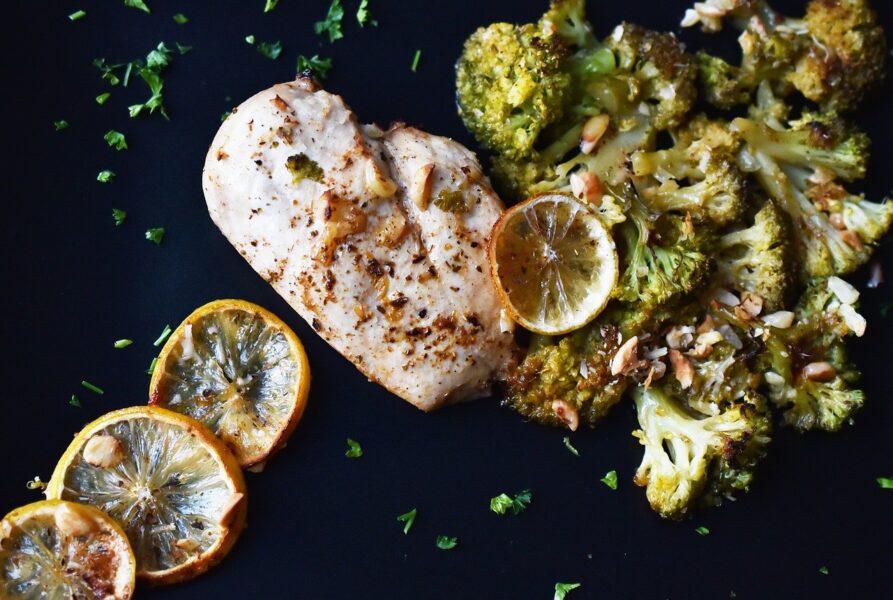
Proteins help you lose weight naturally by helping your body build more muscles efficiently. A higher muscle mass leads to a higher basal metabolic rate because muscles require energy to contract and reflex even when you are not doing anything. That’s to say, the more muscles you have, the more calories you burn.
Another reason for cutting carbs in favor of proteins is that proteins take more calories to burn compared to carbs and fats. On top of that, more proteins keep you feeling satiated, besides reducing cravings.
4 Get More Active.
Eating more proteins when intermittent fasting may help you burn more calories and lose weight. But it’s also essential to add regular physical activities to the equation if you want to lose weight faster and safely.
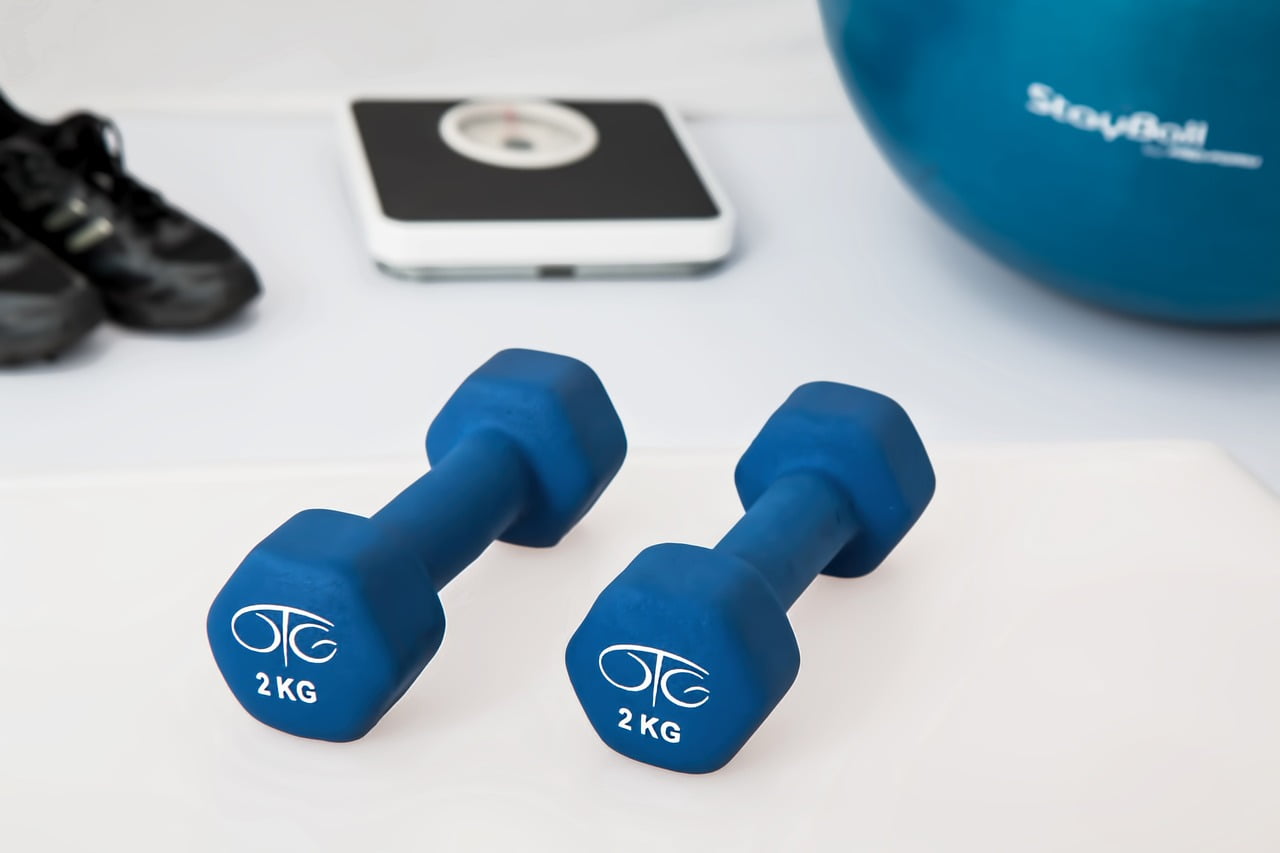
Resistance training exercises like lifting weights, squats, and push-ups increase muscle growth, leading to a higher BMR. Resistance training also boosts fat loss by triggering the “afterburn” effect- scientifically known as excess post-exercise oxygen consumption (EPOC). The “afterburn” effect means that the body continues to burn more calories hours after you have finished exercising.
Another benefit of adding physical activity to your weight loss regimen is that you can target specific parts of the body. Mountain climbers, Russian twists, and crunches are among the best exercises for belly fat, while bicep curls and lat pulldowns help burn arm fat fast.
5 Replace Most of Your Processed Foods with Whole Foods.
It’s no secret that you are what you eat. Your food choices and eating habits significantly impact the numbers on the scale. And in the battle of whole foods vs. ultra-processed foods, whole foods will always carry the day, especially in terms of weight management.
Whole foods are foods that have undergone either minimal or no processing at all. They include fresh fruits, vegetables, legumes, seeds, nuts, and eggs. The major reason you should eat whole foods is that their calories are dense in nutrients, such as vitamins, minerals, and fiber.
On the other hand, ultra-processed foods are foods mainly made of manufactured ingredients. They may contain some ingredients extracted from real food. But these, too, are often highly manipulated and no longer maintain their nutritional value.
Highly processed foods are high in fat, sugar, and salt. Although they are energy-dense, their calories are empty, meaning they don’t offer any nutritional value.
In a 2-week comparative study by the NIH Clinical Center, individuals on a high-calorie diet consumed more calories and gained about two pounds. Those on a minimally processed diet took fewer calories and lost an average of two pounds.
Avoid these highly processed foods if you are trying to lose weight;
- Sugary beverages
- White bread
- Hot dogs
- Sausages
- Energy drinks
- Fried chicken
- Flavored candy bars
- Microwave and ready-made popcorn
- Crackers and chips