











































 Workout

 Meditation


 Podcast
 E-book


AT A GLANCE
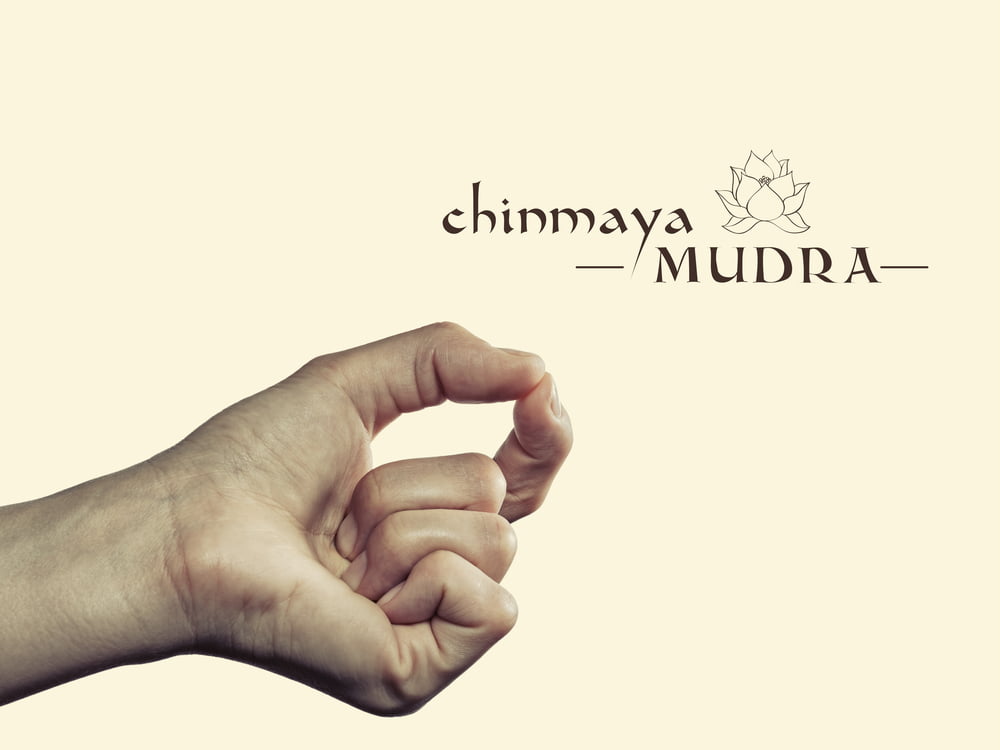
- The connection formed between the thumb and index finger in Chinmaya mudra symbolizes the union of the individual self (represented by the index finger) with the universal consciousness (represented by the thumb).
- The thumb and index finger connection in Chinmaya mudra exerts pressure on the pituitary gland, which is known as the master gland of the body.
- From enhancing focus and concentration to promoting inner peace and emotional balance, this mudra can be a valuable tool in one’s journey towards self-discovery and improved well-being.

Chinmaya Mudra is a powerful hand gesture used in various yoga and meditation practices. Derived from the Sanskrit words “chin” meaning consciousness and “mudra” meaning seal or gesture, Chinmaya Mudra is believed to enhance awareness, focus and clarity of mind. It is considered to be a potent tool for connecting with one’s inner self and deepening the spiritual experience. This article will explore the benefits, side effects, proper technique and precautions associated with practicing Chinmaya Mudra, providing a comprehensive understanding of this ancient practice. Whether you are a beginner or an experienced practitioner, learning about Chinmaya Mudra can help you to unlock its potential and incorporate it into your daily routine for overall wellbeing.
Benefits of Chinmaya Mudra.
1 Enhances focus and concentration.
By bringing the thumb and index finger together, Chinmaya mudra helps channel energy and promote mental clarity. This gesture is particularly useful during meditation or when trying to improve focus during daily activities.
2 Calms the mind and reduces stress.
The act of forming Chinmaya mudra creates a sense of harmony in the mind. It helps to calm racing thoughts, ease anxiety, and alleviate stress. This mudra is often used to cultivate a peaceful state of mind, allowing individuals to find balance and tranquility.
Related Stories
 9 Best Yoga Poses for Lumbar Spondylosis With Safety Tips
 Can We Drink Water After Yoga: 10 Important Tips
3 Boosts Memory and Cognitive Abilities.
Regular practice of Chinmaya mudra stimulates the nerve endings in the fingertips, which are connected to the brain. This activation helps enhance memory, improve cognitive abilities, and sharpen the intellect.

4 Balances Energy Flow.
Chinmaya mudra activates the energy channels in the body, facilitating the flow of prana (life force energy). By balancing the flow of energy, this mudra harmonizes the mind and body, promoting optimal well-being.
5 Increases Self Awareness.
The connection formed between the thumb and index finger in Chinmaya mudra symbolizes the union of the individual self (represented by the index finger) with the universal consciousness (represented by the thumb). This gesture helps individuals cultivate a deeper sense of self-awareness and spiritual connection.
6 Stimulates the Pituitary Gland.
The thumb and index finger connection in Chinmaya mudra exerts pressure on the pituitary gland, which is known as the master gland of the body. This gentle pressure helps stimulate and balance the functioning of the pituitary gland, which is responsible for regulating various hormones and bodily functions.
7 Promotes Inner Peace and Emotional Balance.
Chinmaya mudra aids in calming the mind and releasing emotional tension. By fostering a sense of inner peace, this mudra helps individuals find emotional balance and equanimity in their lives.
8 Chinmaya Mudra Benefits for Skin.
Chinmaya mudra enhances blood circulation, promoting healthy and glowing skin. It also helps to reduce stress and anxiety, which are known to contribute to skin issues such as acne and wrinkles. Additionally, practicing Chinmaya mudra regularly can improve overall skin health by activating the body’s natural healing processes and boosting the immune system.
| 💡 Tips FreakToFit.com Chinmaya mudra is a transformative hand gesture that offers a wide range of benefits. From enhancing focus and concentration to promoting inner peace and emotional balance, this mudra can be a valuable tool in one’s journey towards self-discovery and improved well-being. |
Side Effects of Chinmaya Mudra.
Chinmaya mudra, like any other practice or technique, may have certain side effects that individuals should be aware of. While these effects vary from person to person, it is important to approach this mudra with caution and mindfulness. Here are some potential side effects that could occur:
1 Physical Discomfort.
Practicing Chinmaya mudra for an extended period or with incorrect hand positioning may lead to physical discomfort. This can manifest as stiffness, pain, or tension in the fingers, wrists, or hands. It is important to listen to your body and adjust the mudra accordingly to avoid any physical strain.
2 Fatigue.
Engaging in Chinmaya mudra for a prolonged duration may result in fatigue or tiredness, especially if one is not accustomed to holding this hand gesture for an extended period. It is advisable to start with shorter durations and gradually increase the practice over time to avoid excessive fatigue.
3 Mental Overstimulation.
Chinmaya mudra involves focusing the mind on a specific point or object, which could potentially lead to mental overstimulation. This may cause restlessness, racing thoughts, or difficulty in maintaining a calm and focused state. Practicing this mudra in a calm and peaceful environment can help mitigate such effects.
4 Emotional Sensitivity.
As with many meditation practices, Chinmaya mudra may bring about emotional sensitivity. This can manifest as heightened emotions, increased awareness of suppressed feelings, or even unexpected emotional releases. It is essential to approach these experiences with compassion and seek support if needed.
5 Distracted Mind.
In some cases, attempting to hold Chinmaya mudra without proper concentration or focus may result in a distracted mind. This can hinder the intended benefits of the mudra, as it requires a certain level of mental clarity and attentiveness. Regular practice and cultivating a calm mental state can help overcome this side effect.
| 💡 Tips FreakToFit.com It is crucial to note that these side effects may not be experienced by everyone, and some individuals may find Chinmaya mudra to be a beneficial and harmonizing practice. However, it is always recommended to practice under the guidance of a qualified teacher and to listen to your body and mind, making adjustments as necessary to ensure a safe and balanced experience. |
How to Do Chinmaya Mudra?
If you are interested in incorporating Chinmaya mudra into your practice, here is a step by step guide on how to do it:
1 Find a Comfortable Seated Position.
Begin by finding a comfortable seated position, either on the floor or on a chair. Ensure that your spine is straight and your shoulders are relaxed.
2 Relax Your Hands.
Gently rest your hands on your thighs or knees, palms facing upwards. Allow your fingers to relax and extend naturally.
3 Bend Your Index Fingers.
Slowly bend your index fingers towards the base of your thumbs, ensuring that the tips of your index fingers touch the base of your thumbs.
4 Press Your Thumbs Gently Against the Index Finger.
Apply a gentle pressure with your thumbs against the index finger, creating a light connection between the two.
5 Keep Your Remaining Fingers Extended.
While your index fingers and thumbs are connected, allow your remaining fingers to extend naturally without any tension. They should remain straight but relaxed.
6 Find a Comfortable Hand Position.
Adjust the position of your hands on your thighs or knees to find a comfortable position where your arms and shoulders feel relaxed. You can experiment with different placements to find what works best for you.
7 Relax and Breathe.
Once you have found a comfortable hand position, take a few deep breaths and allow yourself to relax into the mudra. Close your eyes and focus your attention on your breath, allowing any thoughts or distractions to gently dissolve.
8 Hold the Mudra for a Few Minutes.
Maintain the Chinmaya mudra for a few minutes or for as long as you feel comfortable. You can practice it during meditation, pranayama (breathing exercises) or any other mindful activity.
9 Release the Mudra.
When you are ready to release the mudra, gently straighten your index fingers and let your hands rest naturally on your thighs or knees. Take a moment to observe any sensations or shifts in your body and mind.
| 💡 Tips FreakToFit.com Remember, the key to practicing Chinmaya mudra, like any other mudra is to approach it with a relaxed and focused mindset. Allow yourself to fully experience the effects of this gesture and embrace the stillness and tranquility it can bring to your practice. With regular practice, Chinmaya mudra can deepen your connection with yourself and enhance your overall wellbeing. |
Precautions During Chinmaya Mudra.
Like any other practice, it is essential to take certain precautions to ensure a safe and beneficial experience. Here are some precautions to consider when practicing Chinmaya mudra:
1 Physical Comfort.
Before starting the practice ensure that you are in a comfortable sitting position. This could be on a meditation cushion, a chair with a straight back or any other posture that allows you to maintain a relaxed yet alert position. If you experience any discomfort or pain during the practice, adjust your posture accordingly.
2 Warm up Exercises.
It is recommended to perform some warm up exercises or stretches before starting Chinmaya mudra. This helps prepare the body for the practice, loosens up any tension or stiffness and promotes better circulation. Gentle neck, shoulder and wrist rotations, along with deep breathing exercises, can be beneficial.
3 Breath Awareness.
Throughout the practice, maintain awareness of your breath. Focus on slow, deep inhalations and exhalations, allowing the breath to naturally flow without any force or strain. Avoid holding your breath or creating any tension in the body.
4 Gradual Progression.
If you are new to Chinmaya mudra or have limited experience with hand gestures, it is advisable to start with shorter durations and gradually increase the practice time. This allows your body and mind to adjust to the energy flow and prevents any potential strain or discomfort.
5 Mindfulness.
Practice Chinmaya mudra with a calm and focused mind. Avoid any distractions both external and internal. Be fully present in the moment, observing the sensations, thoughts and emotions that arise during the practice. Cultivate a sense of non judgmental awareness and acceptance.
6 Hydration.
It is important to stay hydrated before, during and after practicing Chinmaya mudra. Drinking enough water helps maintain the body’s fluid balance and supports overall wellbeing. Adequate hydration also aids in the elimination of toxins released during the practice.
7 Physical Limitations.
If you have any pre existing medical conditions, injuries or physical limitations, consult with a healthcare professional before practicing Chinmaya mudra. They can provide personalized guidance and ensure that the practice is safe and suitable for your specific needs.
8 Emotional and Mental Wellbeing.
Chinmaya mudra can sometimes bring up deep seated emotions or thoughts. It is essential to approach these experiences with compassion and self care. If you feel overwhelmed or experience any discomfort, take a break and engage in grounding activities like walking in nature or practicing deep relaxation techniques.
| 💡 Tips FreakToFit.com By following these precautions you can enhance the effectiveness and safety of your Chinmaya mudra practice. Remember to listen to your body and intuition, honoring your boundaries and limitations while exploring and expanding your spiritual journey. |
Bottom Line.
Chinmaya Mudra is a powerful hand gesture that holds deep symbolism and significance in various aspects of spiritual practices. From its physical benefits of promoting relaxation and reducing stress to its spiritual significance of connecting with higher consciousness this mudra offers a multitude of benefits. By practicing Chinmaya Mudra regularly individuals can enhance their meditation and yoga practices, deepen their connection with their inner selves and cultivate a sense of peace and tranquility. As with any mudra or spiritual practice it is important to approach it with reverence, patience and an open mind, allowing oneself to fully experience the transformative effects it can bring.