





































 Workout

 Meditation


 Podcast
 E-book


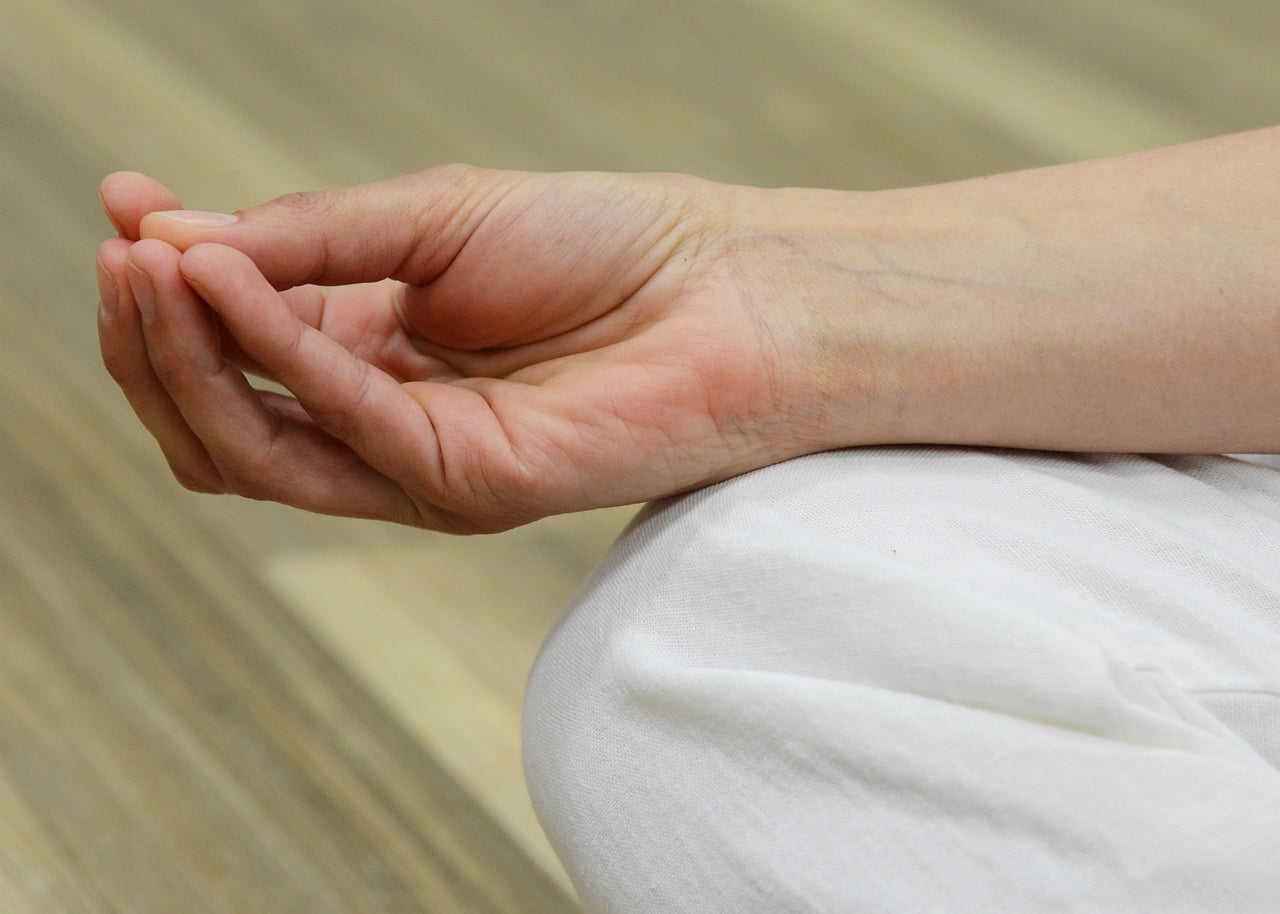
Hasta mudras also known as hand gestures or hand postures have been an integral part of traditional Indian culture and spiritual practices for thousands of years. These symbolic hand gestures are believed to have numerous physical, mental and spiritual benefits. In this article, we will explore the various types of hasta mudras, their associated benefits, how to perform them and the precautions to keep in mind while practicing them. Whether you are seeking to enhance your overall wellbeing, alleviate specific health issues, or deepen your meditation practice, hasta mudras can be a valuable tool on your journey towards self improvement and self realization.
benefits of Hasta Mudras.
1 Physical Health.
Hasta mudras can promote physical health by stimulating specific energy channels in the body, known as nadis. These energy channels are connected to various organs and systems and by activating them through mudras, one can enhance the overall functioning of the body.
Regular practice of mudras has been associated with improved blood circulation, reduced muscular tension, increased flexibility and strengthened immune system.
2 Mental Clarity and Focus.
Certain mudras are specifically designed to calm the mind, increase concentration and enhance mental clarity. By channeling and redirecting the flow of energy within the body, mudras help to quieten the mind, reduce stress, anxiety and promote a sense of inner peace.
Related Stories
 Surya Mudra : Meaning, Benefits and Weight Loss
 How to Prepare for Hot Yoga in 2024: Expert Tips, Scientific Evidence, and Complete Guide
This can be particularly beneficial for individuals seeking to improve their meditation or mindfulness practices.
3 Emotional Balance.
Emotions are closely linked to our energy flow and mudras can help to balance and harmonize our emotional state. Different mudras can be utilized to alleviate specific emotions such as anger, fear, sadness or even to cultivate qualities like happiness, contentment or compassion.
By working with the body’s energy system, hasta mudras provide a powerful tool to manage and regulate emotions effectively.
4 Spiritual Growth.
Many spiritual traditions believe that the hands are a reflection of the divine energy within us. Hasta mudras are seen as sacred gestures that facilitate the connection between the individual and the universal consciousness.
By practicing these mudras, individuals can deepen their spiritual journey, experience a greater sense of unity, and enhance their intuition and spiritual awareness.
5 Therapeutic Applications.
Hasta mudras are often used as complementary therapeutic techniques in various healing modalities. They can be utilized to address specific ailments or imbalances in the body such as headaches, digestive issues, insomnia or even chronic pain.
Mudras work by activating specific energy points in the hands, which then stimulate the corresponding areas of the body, promoting healing and overall wellbeing.
6 Self Expression and Communication.
Our hands play a significant role in communication and mudras can enhance our ability to express ourselves effectively. By practicing specific mudras associated with communication or self expression, individuals can improve their public speaking skills, enhance their ability to convey emotions and strengthen their connection with others.
| 💡 Tips FreakToFit.com The practice of hasta mudras offers a wide range of benefits that encompass physical, mental, emotional and spiritual wellbeing. Incorporating these powerful hand gestures into one’s daily routine can be a transformative practice, promoting balance, harmony and overall vitality. |
Types of Hasta Mudras.
There are numerous types of hasta mudras each with its unique meaning and benefits. Here are some of the most prominent types of hasta mudras:
1 Gyan Mudra.
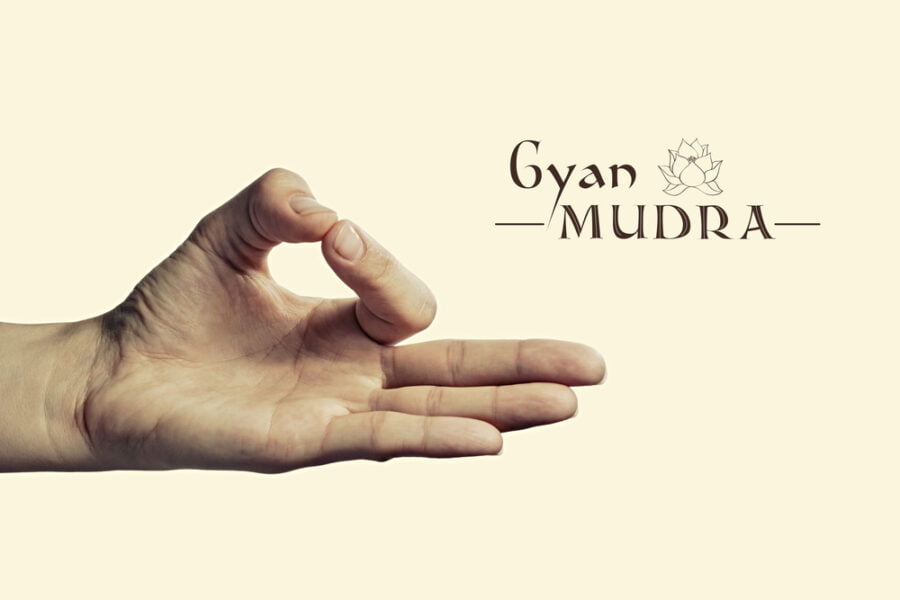
This is one of the most widely recognized mudras, commonly seen in meditation practices. It involves touching the tip of the index finger to the tip of the thumb while keeping the other fingers extended. Gyan mudra is believed to enhance concentration, wisdom, and knowledge.
2 Varuna Mudra.
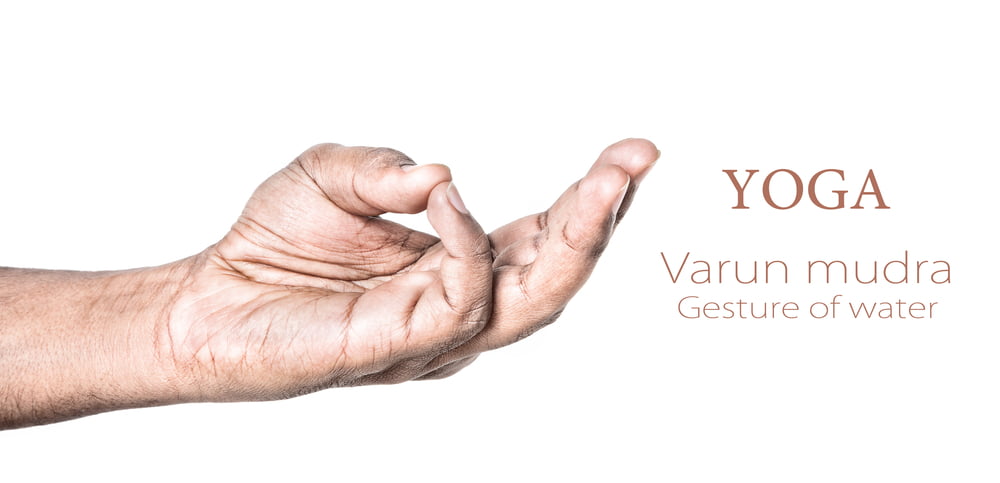
This mudra is formed by joining the tips of the little finger and the thumb, while keeping the other fingers straight. Varuna mudra is associated with balancing the water element within the body, helping to regulate bodily fluids and promoting healthy skin and overall hydration.
3 Prithvi Mudra.
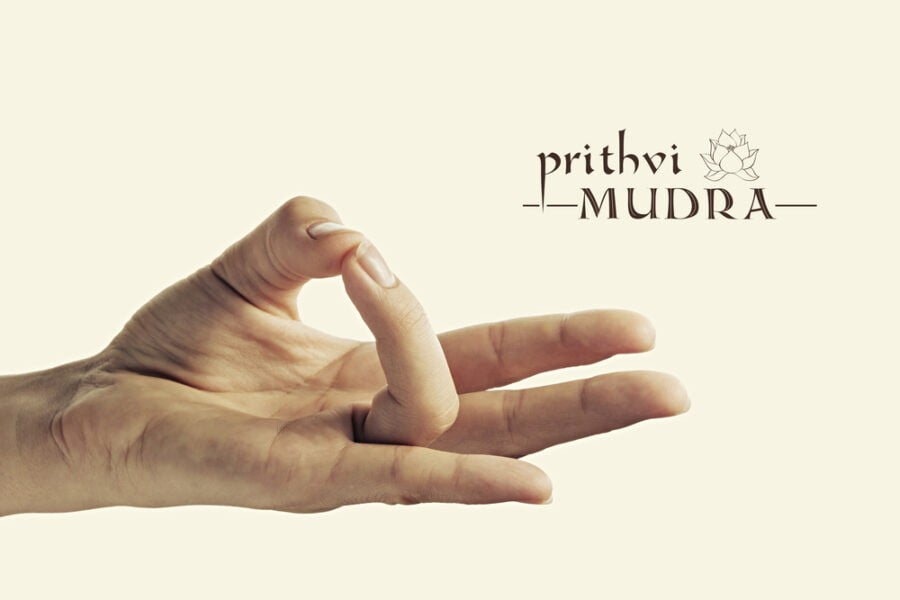
By touching the tip of the ring finger to the tip of the thumb, the Prithvi mudra is formed. This mudra is believed to increase the earth element within the body, promoting stability, grounding and strength. It is often practiced to boost self confidence and relieve fatigue.
4 Shunya Mudra.
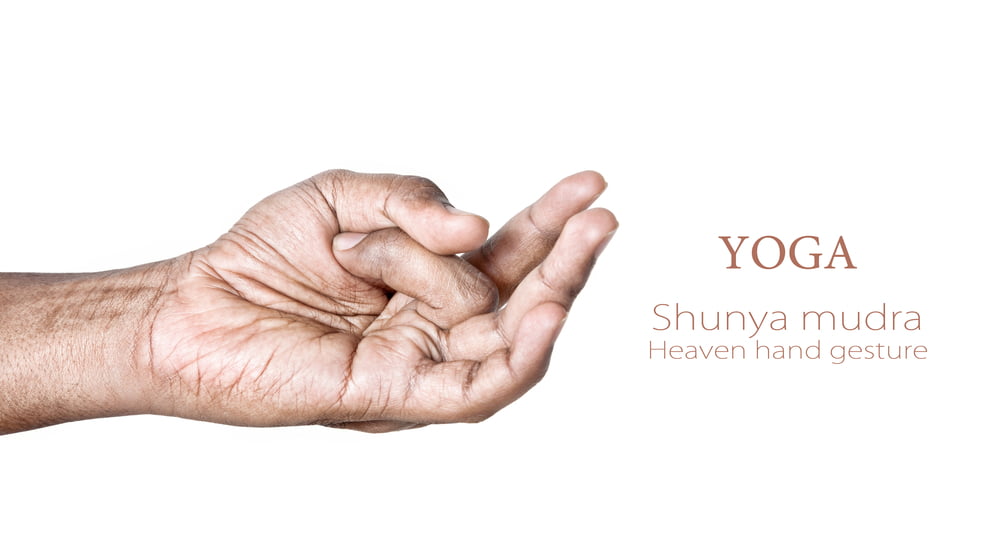
Shunya mudra is created by folding the middle finger and placing the thumb gently over it. This mudra is associated with the space or ether element and is believed to improve communication skills, reduce ear related problems and enhance spiritual growth.
5 Apana Mudra.
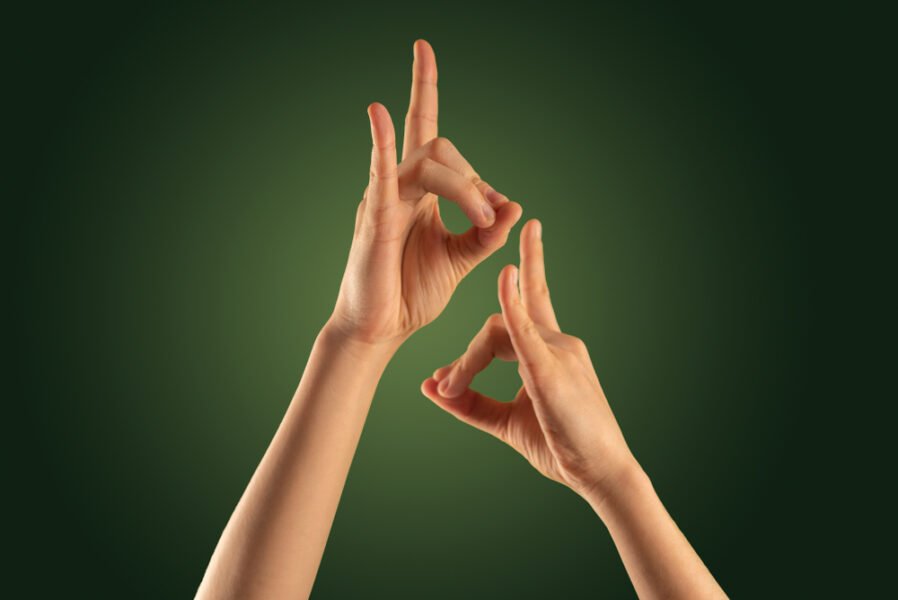
This mudra is formed by joining the tips of the middle finger, ring finger and thumb while keeping the other fingers extended. Apana mudra is believed to activate the energy of elimination and purification in the body, aiding digestion, detoxification and boosting overall vitality.
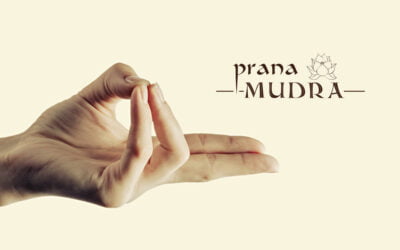
6 Prana Mudra.
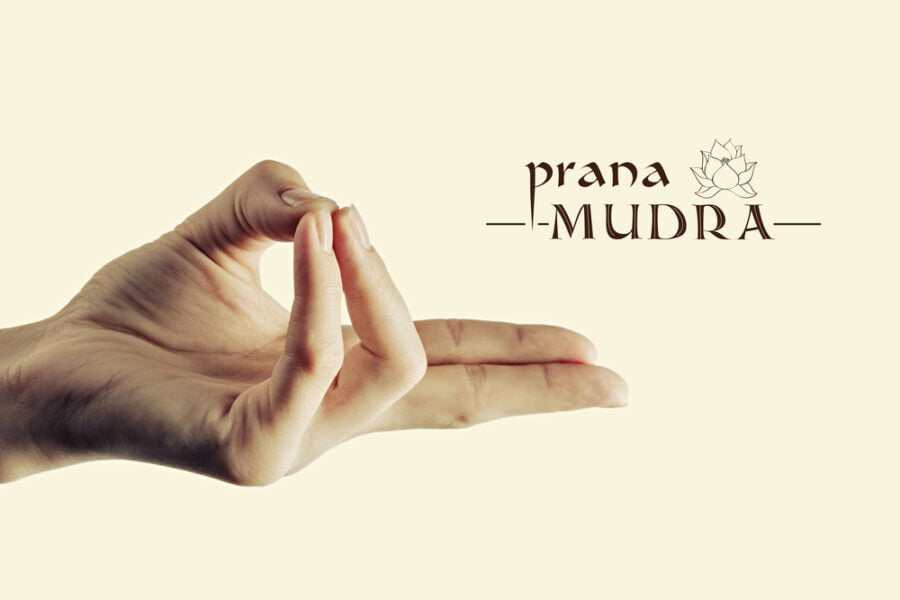
By touching the tip of the ring finger and the little finger to the tip of the thumb, the prana mudra is created. This mudra is associated with the air element and is believed to increase vitality, improve immunity and enhance the life force energy within the body.
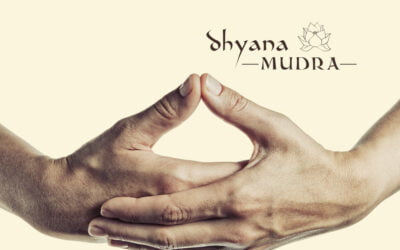
7 Dhyana Mudra.
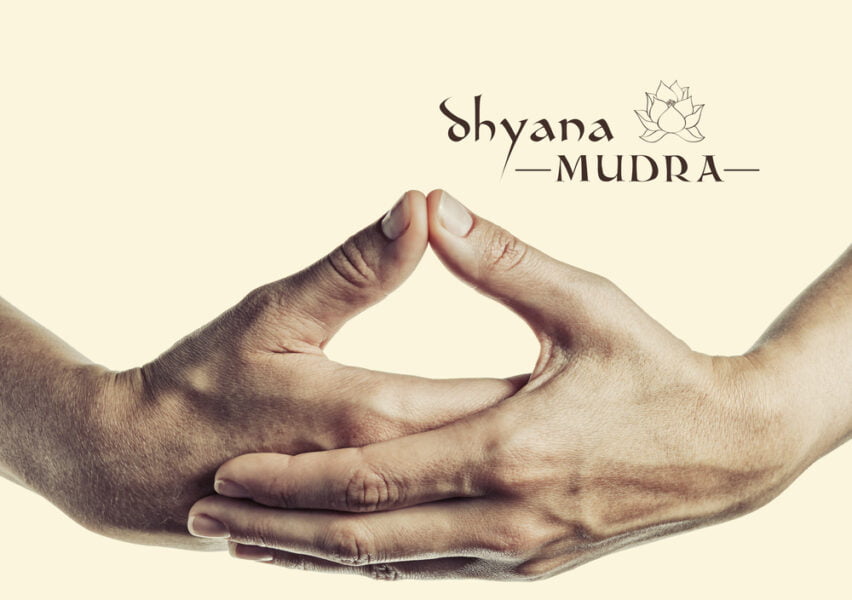
Dhyana mudra is often seen in statues or depictions of peaceful meditating figures. It involves placing the right hand over the left, with both palms facing upwards and the thumbs gently touching to form a triangle. This mudra symbolizes deep meditation, concentration and spiritual awareness.
| 💡 Tips FreakToFit.com These are just a few examples of the vast array of hasta mudras available. Each mudra has its unique benefits and can be practiced to enhance specific aspects of one’s physical, mental or spiritual wellbeing. It is important to learn and practice these mudras under the guidance of an experienced teacher to fully explore their potential and harness their transformative effects. |
Precautions During Hasta Mudras.
It is crucial to exercise under mentioned caution and follow certain precautions to ensure both safety and effectiveness while engaging in hasta mudras:
1 Warm up.
Before practicing hasta mudras, it is advisable to warm up the hands and fingers. Gently rotate the wrists, flex and extend the fingers and massage the palms to prepare the muscles and joints for the intricate movements involved in performing mudras.
2 Posture.
Maintaining proper posture is essential during hasta mudras. Sit in a comfortable position, keeping the spine erect, shoulders relaxed and neck aligned with the spine. This promotes stability and prevents strain or injury during the practice.
3 Gradual progression.
Beginners should start with simple mudras and gradually progress to more complex ones. This allows the body to adapt and prevents overexertion or strain on the muscles and tendons of the hands.
4 Awareness of body signals.
Pay attention to any discomfort, pain or numbness in the hands or fingers. If such sensations occur immediately release the mudra and rest. Pushing through discomfort can lead to injury, so it is crucial to listen to the body’s signals and respect its limits.
5 Avoid excessive force.
While performing hasta mudras it is important to maintain a balance between effort and relaxation. Avoid excessive force while forming the hand gestures. Instead, focus on gentle yet firm positioning that allows for the free flow of energy without placing unnecessary strain on the hands.
6 Hygiene.
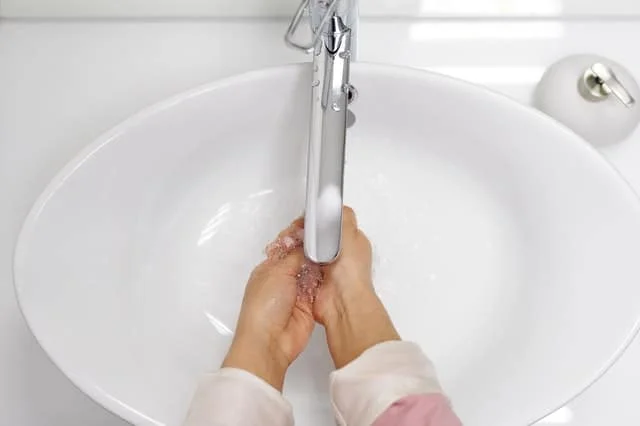
Practicing good hygiene is crucial, especially when performing hasta mudras that involve touching the face, nose or eyes. Cleanse your hands thoroughly before and after practicing mudras to prevent the transmission of germs or infections.
7 Individual limitations.
Each person’s body is unique and certain physical conditions may restrict or modify the way certain mudras are performed. Those with pre existing hand or wrist injuries, arthritis or any other medical condition should consult a healthcare professional or an experienced instructor to ensure the mudras are adapted to their specific needs.
8 Mindful Practice.
Hasta mudras are not just physical movements but also carry a deep connection with the mind and spirit. Approach their practice with mindfulness and intention, allowing yourself to fully immerse in the experience. This enhances the effectiveness of the mudras and promotes a harmonious state of being.
| 💡 Tips FreakToFit.com By following these precautions, individuals can engage in hasta mudras with confidence, knowing that they are maximizing the benefits while minimizing the risks. As with any practice, it is important to prioritize safety, listen to the body and seek guidance from qualified instructors to ensure a safe and transformative journey through the realm of hasta mudras. |
Bottom Line.
Hasta mudras are an ancient practice originating from India that involve specific hand gestures to enhance our physical, mental and spiritual wellbeing. These mudras have been used for centuries as a form of therapy and self expression, helping individuals connect with their inner selves and harness the energy within their bodies. By simply changing the position of our hands, we can tap into different aspects of our being and promote balance and harmony. Whether used in meditation, yoga or daily life, hasta mudras are a powerful tool that can bring about profound transformations and contribute to a more holistic and fulfilling existence. So let us embrace the wisdom of this ancient practice and unlock the potential that lies within our hands.