








































 Workout

 Meditation


 Podcast
 E-book

AT A GLANCE
- You can also do a quick warm-up with a stationary bike for a few minutes, and then stretch your knees for a few minutes to re-energize your body.
- If you are new to stretching, a good way to start is with a low-impact exercise, such as walking on a stationary bike for five minutes.
- Keeping your knees flexible and pain free is important if you want to be able to do the activities you enjoy.
Fortunately, there are many ways to relieve knee pain caused by intense workouts.
These include stretching, strengthening, and correcting posture, technique, and muscle imbalances. So today we will be telling you how to relieve knee pain caused by intense workouts.
How to Relieve Knee Pain Caused by Intense Workouts?
1 Stretching.
Keeping your knees flexible and pain free is important if you want to be able to do the activities you enjoy. Stretching is a great way to reduce pain and keep your knees healthy.
Related Stories
 Best Ganglion Cyst Wrist Exercises And Home Remedies
 Rotary Torso Machine : Features, Benefits & How To Use
It also has other benefits, including promoting healing, increasing flexibility, and strengthening muscles that support the knee joint. However, if you do not stretch properly, it may not be the solution you are looking for.
Before you start a new exercise program, talk with your doctor about the best way to stretch your knees. Your doctor may also suggest modifications to your stretching regimen based on your specific medical condition.
If you are new to stretching, a good way to start is with a low-impact exercise, such as walking on a stationary bike for five minutes. This will help warm you up and allow you to have a better range of motion for stretches.
You can also do a quick warm-up with a stationary bike for a few minutes, and then stretch your knees for a few minutes to re-energize your body.
2 Hamstring Stretch.
Try a hamstring stretch to help keep your knees flexible. These muscles, located on the back of the thigh, are important for bending and straightening your knee.
3 Calf Stretch.
A calf stretch is another great way to relieve pain. It involves raising your toes off the ground and leaning your back toward your front leg. This stretch is easy to do, and can help relieve knee pain.
4 Leg Lift.
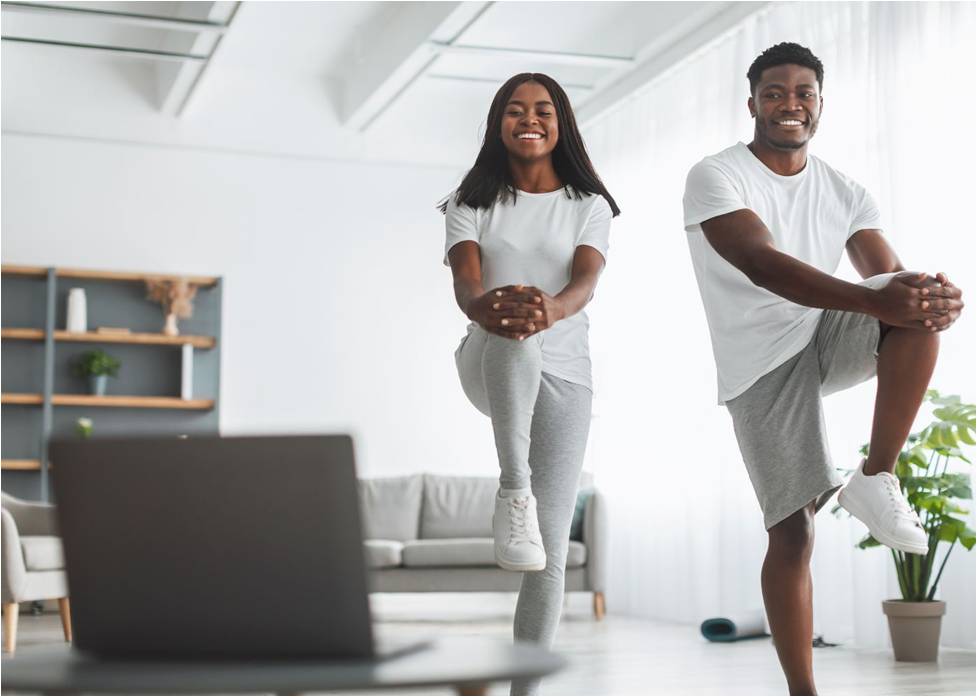
Another stretch that is great for your knees is the leg lift. This exercise is a great way to strengthen your quadriceps and hip flexors. It can also help with knee pain, as the muscles will be used to support your weight. You can perform the leg lift exercise four to five times a week.
It is also important to listen to your body and do not strain it in any way. If you feel pain during a stretch, back off or move to a different stretch.
5 Strengthening.
Adding strength to your knees is one way to relieve pain and improve your knee’s stability. In addition to relieving pain, strengthening your knees can reduce the risk of further injury.
6 Joint Pain.
For people with arthritis or any kind of joint pain, it is important to keep your knees flexible. This is because excess pressure and wear and tear on your knees can increase the risk of further injuries.
Performing exercises to strengthen and stretch your knees will help keep your knees flexible and decrease the risk of further injury.
7 Keep It Low Impact.
Exercises to strengthen the knees should be low-impact. For example, using body weight or free weights can be beneficial. This should be done at least for 2 times a week.
These exercises should be performed for about four to six weeks and should be continued as a maintenance program. If you are unsure of which exercises are safe and effective, you can talk to your health care provider.
There are also exercises to strengthen the hips and hamstrings, two muscles that are closely related to the back of the knee. These muscles can help support the knee and cushion the joint during impact.
8 Warm Up.
Performing a warm up before exercising is important, because this will decrease the risk of injury and increase your range of motion.
9 Fixing Posture, Technique, and Muscle Imbalances.
Identifying and fixing posture, technique, and muscle imbalances can help you avoid injury. Poor posture can lead to a range of symptoms including pain, fatigue, and decreased performance.
Posture is defined as the position of the body when standing, sitting, or lying down. This includes proper alignment of the spine, the muscles and ligaments that support it, and the positioning of the head. This can also include the position of the feet and ankles.
A rounded shoulder, for example, is a common result of poor posture. Rounded shoulders can place extra strain on the muscles. Luckily, there are several exercises that can be performed to correct this issue.
The most obvious way to fix poor posture is to sit up straight and hold your body correctly. However, you may find it uncomfortable at first.
The muscles on the sides of your body are the most active, while the muscles on the front of your body are the least active. This is because your body is designed to move through multiple planes of motion.
Another way to fix posture, technique, and muscle imbalances is to incorporate corrective exercises into your routine. These exercises can help to retrain your body’s movement patterns and restore muscle balance.
Having the right posture will ensure that you maintain the right curves in your spine. If you work in a seated position, you should consider investing in a pillow that will support your neck. You may also want to make an investment in ergonomic furniture.
Muscle imbalances are common among athletes and recreational exercisers. If you’ve been experiencing pain or joint stiffness, you may be suffering from a muscle imbalance. However, it’s not uncommon to develop muscle imbalances without knowing it. If you’re concerned, you should seek professional advice from a physical therapist.
Practicing the correct posture will not only reduce pain, but it will also help you to become more aware of how your body moves. You may find it difficult to correct your posture at first, but over time, it will begin to correct itself naturally.
Iliotibial Band Pain.
Runners have a common complaint of knee pain, and one of the most common causes is iliotibial band syndrome, or ITBS. This injury can cause sharp pain on the outside of the knee.
If you suffer from this pain, there are several ways you can relieve it. The first is to rest. Rest allows the body to heal. You can also try ice, which helps reduce pain. You can also use a knee brace to help support your knee.
Other causes of lateral knee pain include chondromalacia and a lateral meniscus tear. An MRI can rule out these conditions, as well as other causes of pain on the outer side of the knee.
Some symptoms of IT band syndrome include swelling, pain on the outside of the knee, and tenderness. These symptoms can also be present when you’re sitting. It’s important to avoid activity that causes pain or other symptoms. If your symptoms are severe, your doctor may recommend surgery.
If your iliotibial band is too tight, you may experience increased friction. The increased friction may cause pain on the outside of the knee. The increased friction can also lead to scarring in the bursa, which can cause increased pain and decreased range of motion.
If you are suffering from IT band syndrome, you may be able to prevent it by changing your workout routines. Some exercise routines can cause IT band syndrome, including high-impact exercises such as squatting and jumping. Cross-training is a great way to avoid this condition.
Bottom Line.
Intensity workouts , such as squats and jumps, can put a strain on the body and cause poor posture, muscle imbalances, and even iliotibial band syndrome. It’s important to practice good form when exercising to avoid injury.
Stretching exercises can be beneficial for improving posture and increasing flexibility. And remember, rest is essential for healing any injuries that may occur.