













































 Workout

 Meditation


 Podcast
 E-book


AT A GLANCE
- To create a sleek ponytail, take all of your hair and tie it back with a scrunchie or other hair tie.
- Tying your hair while sleeping can be a great way to keep hair neat and out of your face while you sleep.
- Create a loose bun by gathering all of your hair and securing it in a bun at the nape of your neck.
Having healthy and long hair is a goal many people strive for. However, achieving this goal is not always simple and requires a lot of time and effort. One way to promote hair growth is to tie your hair up while sleeping. This can help keep your hair from getting tangled, reduce split ends, and keep your scalp healthy. In this article, we will discuss some tips on how to tie your hair up while sleeping in order to promote hair growth.
Is it good to tie hair while sleeping for hair growth?
Tying your hair while sleeping can be a great way to keep hair neat and out of your face while you sleep. It can also help to prevent tangling and matting of the hair, which can be difficult to undo in the morning.
If you have long hair, it is especially beneficial to tie it up while sleeping to prevent hair breakage. However, be sure to use a soft scrunchie or fabric hair tie, as metal or plastic ones can cause breakage and damage to the hair shaft.
Related Stories
 What is Corona Virus or COVID-19 – Symptoms and Preventive Measures
 Why is There Talk of “Fat Burning Sleep”?
10 Ways to tie hair while sleeping for hair growth.
1 Loose Braid.
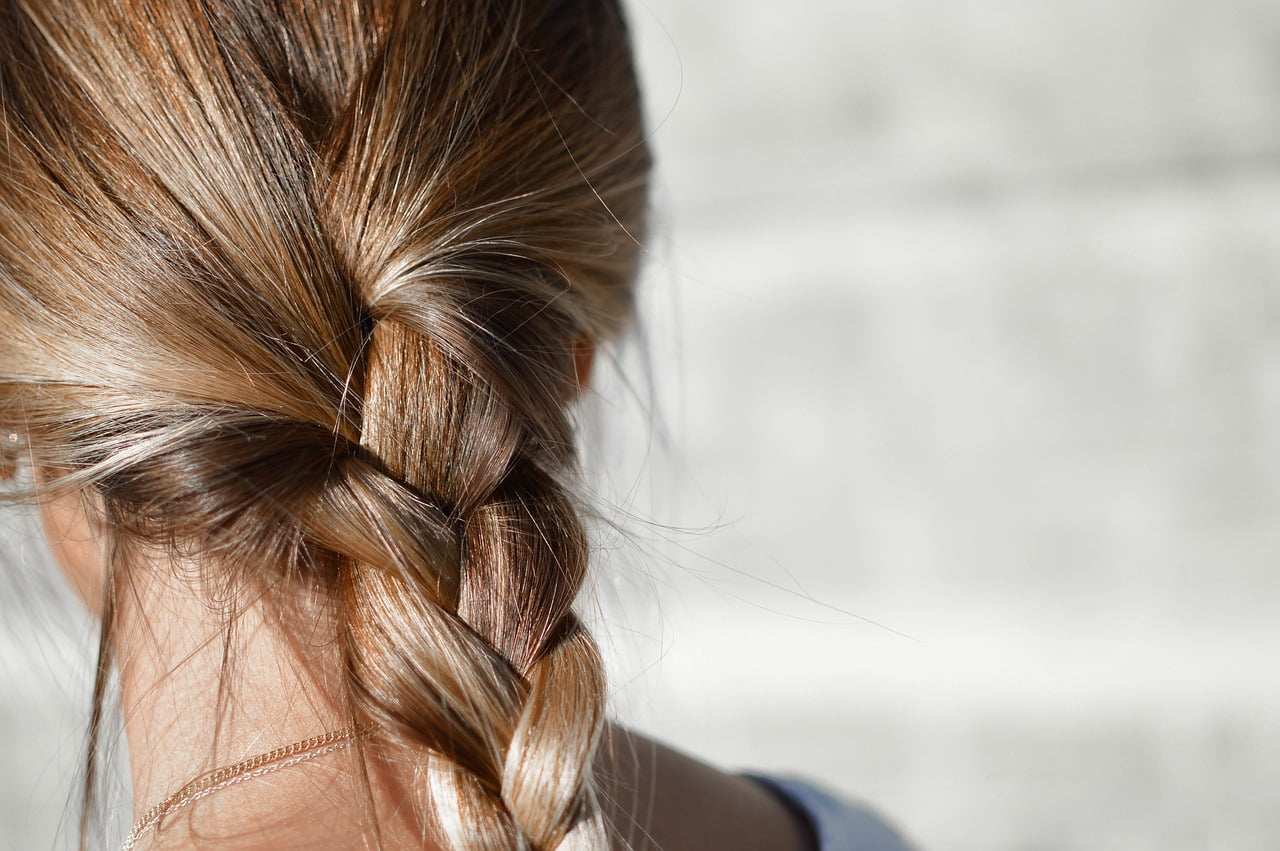
This is perhaps one of the most popular ways to tie hair while sleeping for hair growth. Simply take all of your hair and create a loose braid. Make sure the braid is not too tight so it does not cause any breakage or damage to your hair.
2 Sleek Ponytail.
To create a sleek ponytail, take all of your hair and tie it back with a scrunchie or other hair tie. Make sure the ponytail is not too tight so it does not cause any breakage or damage.
3 Silk Scarf.
Wrapping your hair in a silk scarf before bed can help protect it from friction and breakage. This will help keep your hair in place and prevent breakage and damage.
4 Twist and Pin.
Create two sections of your hair and twist each one. Then, use a few bobby pins to secure the twists in place. This will keep your hair up and away from your face while you sleep.
5 Loose Bun.
Create a loose bun by gathering all of your hair and securing it in a bun at the nape of your neck. Make sure the bun is not too tight so it does not cause any breakage or damage.
6 Top Knot.
Take all of your hair and secure it in a bun at the very top of your head. Make sure the bun is not too tight so it does not cause any breakage or damage.
7 Bantu Knots.
Take sections of your hair and twist them around themselves to create small buns. Secure the buns with bobby pins or elastic bands. This will keep your hair up and away from your face while you sleep.
8 Half-Up Half-Down.
Take the top half of your hair and secure it with a scrunchie or other hair tie. This will keep your hair up and away from your face while you sleep.
9 French Braid.
Create a French braid by taking sections of your hair and braiding them together. Make sure the braid is not too tight so it does not cause any breakage or damage.
10 Twist Braid.
Create a twist braid by taking sections of your hair and twisting them together. Make sure the braid is not too tight so it does not cause any breakage or damage.
Mistakes To Avoid While Tie Hair While Sleeping for Hair Growth.
1 Avoid sleeping with wet hair. Before bed, make sure your hair is dry to prevent breakage and split ends.
2 Avoid using tight elastics or hair bands to tie your hair while sleeping. These can cause breakage and damage the hair follicles.
3 Avoid using metal hair clips or pins to tie your hair while sleeping. These can cause head and scalp irritation.
4 Avoid sleeping on a pillow with a rough fabric, as this can cause frizz and tangles.
5 Avoid sleeping with your hair tied too tightly. This can cause breakage and hair loss.
6 Avoid sleeping with your hair in a tight bun or ponytail. This can cause tension alopecia, which is hair loss due to the tension placed on the hair follicles.
7 Avoid using products with harsh chemicals or heat styling tools while tying your hair for sleeping. These can damage the hair and prevent it from growing.
Which sleeping position is good for hair growth?
Sleeping on your back is the best sleeping position for hair growth. This position keeps your scalp and hair follicles unrestricted, allowing for maximum blood flow to the scalp and follicles. It also prevents your hair from being flattened or matted during the night.
This position also prevents tension on your scalp which can cause hair breakage or loss. Additionally, sleeping on your back keeps your head elevated, allowing your hair to better absorb moisture and nutrients from the environment.
Bottom Line.
Tying your hair up while you sleep is an effective and easy way to promote hair growth. It not only prevents nighttime breakage from tossing and turning, but also encourages circulation to your scalp, which helps to stimulate hair growth. With all the benefits of tying your hair up while you sleep, it is an easy and inexpensive way to keep your hair healthy and promote hair growth.