






































 Workout

 Meditation


 Podcast
 E-book


The Fast Facts
- which is one of the common causes of food poisoning (to avoid it, we must wash our hands and the knives that we have used to cut the chicken, and at the same time cook the chicken at high temperature, without leaving semi-raw parts, to destroy the bacterium).
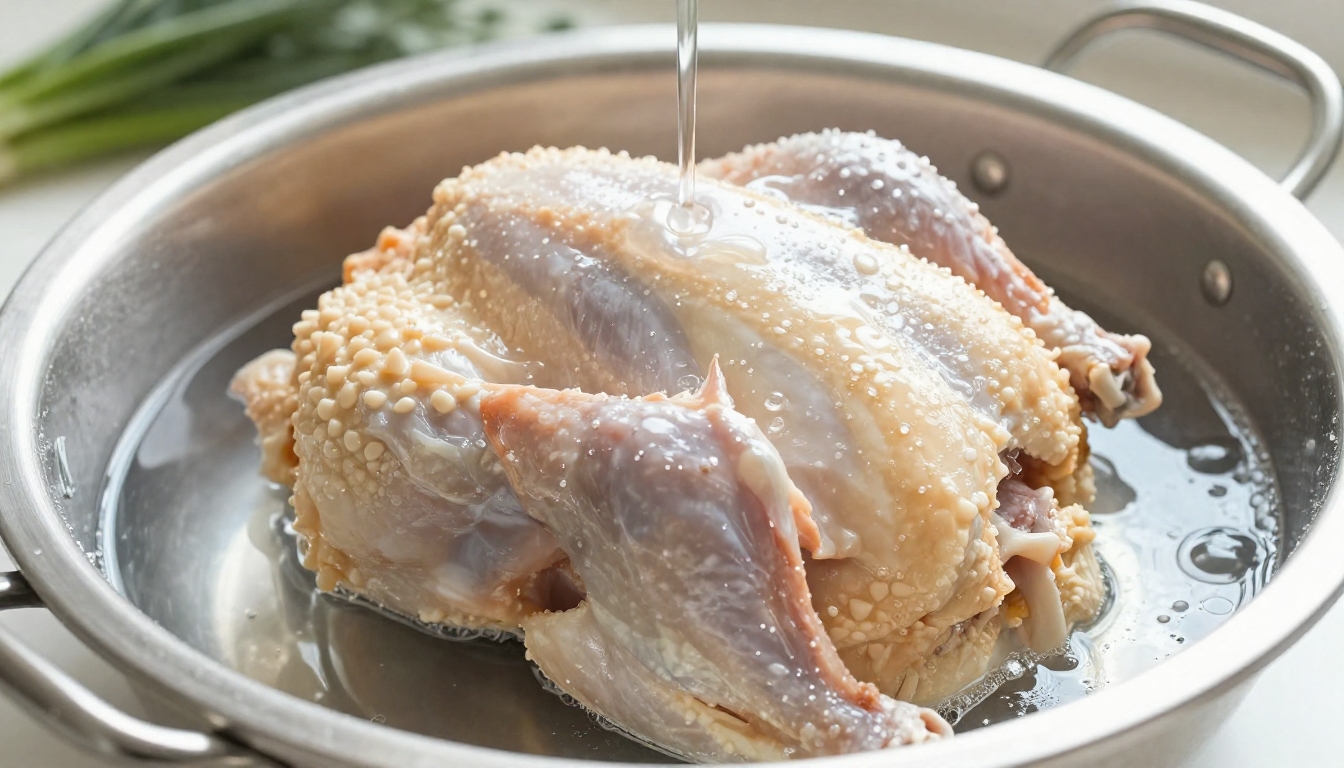
- Washing chicken before cooking has long been a common practice in many households, with the belief that it helps to remove bacteria and make the meat safer to eat.
- Cooking chicken to the appropriate internal temperature is the only reliable way to kill harmful bacteria and reduce the risk of food poisoning.

When it comes to preparing chicken, many individuals have grown up with the belief that washing chicken before cooking is an essential step to ensure cleanliness. However, recent studies and expert opinions suggest that this practice can actually be dangerous for our health. Contrary to popular belief, washing raw chicken can potentially spread harmful bacteria, leading to foodborne illnesses and other health risks. In this article, we will explore the reasons why washing chicken before cooking is not recommended and discuss alternative methods to ensure safe and hygienic poultry preparation.
Why Washing Chicken Before Cooking is Dangerous for Your Health?
Washing chicken before cooking has long been a common practice in many households, with the belief that it helps to remove bacteria and make the meat safer to eat. However, this seemingly innocent act can actually pose serious health risks. Here are some reasons why washing chicken before cooking is dangerous for your health:
1 Cross-contamination.
Washing raw chicken can lead to the spread of harmful bacteria, such as Salmonella or Campylobacter, to other surfaces in your kitchen. The splashing water can carry these bacteria across countertops, cutting boards, utensils, and even onto your hands. This cross-contamination increases the risk of foodborne illnesses.

2 Ineffective bacteria removal.
Contrary to popular belief, washing chicken does not effectively remove bacteria. In fact, studies have shown that rinsing raw chicken under running water can actually aerosolize the bacteria, causing it to spread further. The bacteria can contaminate surrounding areas and increase the risk of food poisoning.
3 Food poisoning risks.
Washing chicken may give you a false sense of security, as it does not eliminate all bacteria. Cooking chicken to the appropriate internal temperature is the only reliable way to kill harmful bacteria and reduce the risk of food poisoning. Relying on washing alone can lead to undercooking, which can cause severe illnesses.
4 Increased kitchen cleanup.
Washing chicken not only poses health risks but also creates unnecessary mess and cleanup. The water used for washing can splash onto nearby surfaces, requiring thorough cleaning and disinfection to prevent the spread of bacteria.
5 Professional recommendations.
Health organizations, such as the United States Department of Agriculture (USDA) and the Food and Drug Administration (FDA), strongly advise against washing chicken before cooking. These organizations emphasize the importance of proper cooking techniques rather than relying on washing to ensure food safety.
| 💡 Tips FreakToFit.com Washing chicken before cooking is a dangerous practice that can lead to cross-contamination, ineffective bacteria removal, increased risk of food poisoning, unnecessary cleanup, and goes against professional recommendations. To ensure the safety of your meals, it is crucial to handle and cook chicken properly, focusing on thorough cooking and following food safety guidelines. |
Washing Chicken Before Cooking is Dangerous for Your Health: Experts Says.
A study has shown that not only does it not eliminate them, but what we achieve is to increase the risk of the Campylobacter bacteria spreading . which is one of the common causes of food poisoning (to avoid it, we must wash our hands and the knives that we have used to cut the chicken, and at the same time cook the chicken at high temperature, without leaving semi-raw parts, to destroy the bacterium).(1)
- The study carried out where they had 212 chicken samples to detect the possible presence of antibiotics or pathogenic bacteria that could cause the appearance of salmonellosis, E.Coli or Campylobacter.
- The good news is that the general hygiene indicator, which is the presence of psychrotrophic bacteria, offers mostly normal results.
- Likewise, there are no traces of antibiotics in the samples analyzed, although producers wait until they have been eliminated before taking the chickens to the slaughterhouse.
- The use of antibiotics leads to problems with antibiotic-resistant bacteria appearing in chicken meat. In fact, the study found up to 38.7% of samples with resistance to beta-lactams, a group of antibiotics that includes penicillin or amoxicillin.
- The risk in this case is important since if there is food poisoning due to a bacteria that is resistant, it will not be able to be treated with any of the most common antibiotics, which will undoubtedly be a significant obstacle to achieving a quick recovery.

Safety Substitutes to Washing Chicken.
Other than rinsing chicken with a running water, it is more safe and efficient to deal with raw poultry in other ways:
- Blot paper towel dry (when there is too much water), and remove paper towels immediately.
- Cutting boards should be used to cut raw meat and other foodstuffs such as vegetables or fruits.
- Take regular hand wash of at least 20 seconds using soap and warm water after touching raw chicken.
- Wipe off surfaces and utensils with hot and soapy water or a food disinfectant.
Such measures contribute to a considerable decrease in the risk of bacteria transmission without any further risks.
Proper Cooking Temperatures Matter Most.
Proper cooking, rather than washing, is the most important aspect of chicken that should be considered to make it safe to eat.
- The internal temperature of chicken should be 165 o C (74 o C).
- A food thermometer is used to test whether it is accurate.
- Ensure that there is no pinkness and the juices are clear.
The only sure way of eliminating dangerous bacteria such as Salmonella and Campylobacter is heat.
Myth vs Fact: Washing Chicken.
Myth: Chicken is safer when washed.
Fact: Bacteria are spread by splashing of water.
Myth: Bacteria-free chicken looks clean.
Fact: Bacteria that cause harm are invisible and can just be killed by the use of heat.
Myth: Vinegar or lemon juice kills bacteria on raw chicken.
Fact: Acidic rinses are not very effective in the elimination of the foodborne pathogens.

How to fix it in case you accidentally washed chicken?
In case you already washed raw chicken, it is important to take the following steps immediately:
- Wipe the sink clean and disinfected.
- Clean the adjacent countertop, taps and handles.
- Utensils used in preparation should be washed.
- Wipe Sponge or towel used in area.
- Rinse your hands once more then proceed to cook.
- This will cut off the chances of cross-contamination.
Washing Chicken global Food Safety Guidelines.
All food safety authorities around the world concur on this matter:
USDA (USA): Washing of raw poultry is not to be done.
NHS (UK): Chicken washing is a way of spreading bacteria.
WHO: Not washing, cook and hygiene.
Food Safety Authorities (EU): Washing will escalate the risk of contamination.
This is a universal agreement that proves that it is unsafe to wash chicken.
Fast Food Safety Checklist.
- Do not wash raw chicken.
- Handwashing Before and after touching poultry.
- Knives and boards are to be used separately.
- Cook chicken thoroughly.
- Clean surfaces immediately.
The checklist will be useful in avoiding foodborne illness at home.
Frequently Asked Questions.
1 Why do chefs wash chicken?
Chefs wash chicken to remove any surface bacteria or contaminants that may be present on the raw poultry.
2 What are the risks of preparing chicken?
The risks of preparing chicken include the potential for cross-contamination, undercooking, and the spread of foodborne illnesses such as salmonella.
3 Should I wash meat before cooking?
No, it is not recommended to wash meat before cooking, as it can increase the risk of spreading bacteria.
Bottom Line.
It is evident that washing chicken before cooking is not only unnecessary but also poses significant health risks. The act of washing chicken can lead to the spread of harmful bacteria, such as Campylobacter and Salmonella, which can cause severe foodborne illnesses.
The high water pressure used during the process can result in the splashing of bacteria onto kitchen surfaces, utensils, and even the cook themselves. It is crucial to understand that proper cooking techniques, such as reaching the appropriate internal temperature, are sufficient to eliminate any potential pathogens.
Therefore, it is recommended to avoid washing chicken and focus on safe handling practices and thorough cooking methods to ensure the health and safety of oneself and others.
+1 Source
FreakToFit has strict sourcing guidelines and relies on peer-reviewed studies, educational research institutes, and medical organizations. We avoid using tertiary references. You can learn more about how we ensure our content is accurate and up-to-date by reading our editorial policy.
- Prevalence of Campylobacter spp., Escherichia coli, and Salmonella Serovars in Retail Chicken, Turkey, Pork, and Beef from the Greater Washington, D.C., Area; https://www.ncbi.nlm.nih.gov/pmc/articles/PMC93326/