

































 Workout

 Meditation


 Podcast
 E-book


Have you ever noticed your entire footprint while walking on a wet floor or have experienced a sudden leg cramp or suffered from pain while walking or changing your gait? While for most people, the leg is usually curved or arched upwards from the inside, if you look carefully, your foot looks completely flat. Sounds strange, doesn’t it? Well, it’s not so. It’s just a medical condition known as flat feet. However yoga have special remedies for such type of condition. So, today we will tell you 5 best yoga poses for flat feet.
What Exactly Are Flat Feet?
Flat feet are very common. In fact, flat feet start in childhood itself. The structures responsible for forming arches in the legs (muscles, tendons & ligaments) are not fully formed at birth.
As we grow and use our feet for movement, these structures mature and develop fully, and arches begin to appear. Arches provide optimal support to the leg during movement, help to distribute body weight to the legs and feet, and stabilize the foot on different surfaces.
However, in some individuals these structures are poorly developed, resulting in fewer arches or no arches. However, having a reasonably low arch or no arch at all can result in the entire soles of the feet touching the ground.
Related Stories
 10 Best Yoga Poses For Thyroid With Steps
 The Reclined Cobbler Pose: Unlocking Flexibility and Relaxation
Flat feet can also be associated with overpronation, a condition where the ankle bone bends more inward toward the center line resulting in legs rolling inwards while standing and walking. Overpronation puts a lot of pressure on the large and other toes and creates instability in the foot.
Excessive rotation of the foot leads to greater rotation of the lower tibia and straining on the ligaments and tendons of the foot, resulting in sprains in the shin and pain in the knee. An increased risk of injury and heel pain may rise slowly and deeply.
Symptoms of Flat Feet.
Flat feet are common, and many people with flat feet will usually not experience any symptoms. If the leg flattens when you stand and there is no pain, treatment is not required. However, if the flat feet are stiff and not flexible, it can be painful and can result in an imbalance from leg and foot discomfort for a long time.
If it persists, it can cause pain (especially in the lower back), swelling in the lower part of the legs, tendonitis, or other problems, including bone spurs.
Generally, rigid flat feet are also associated with low speed, sedentary lifestyles, and increasing body weight. Physicians and qualified health care physicians can diagnose the condition by examining the legs and observing when the client is standing and walking.
The health care professional may suggest motion-control shoes, insoles, ankle braces or orthotics to stabilize the leg and correct the motion in overpronation.
The American Academy of Orthopedic Surgeons (AAOS) recommends various exercises to improve strength and flexibility in the legs and ankles.(1) A scientific study was found where it stated some special foot-specific exercises to achieve substantial changes in foot function.(2)
This study confirmed that training methods specific to foot, heel, and calf muscles would reduce foot problems in participants with flat feet.
Yoga, with its repertoire of postures, which strengthens the calf muscles, heel or arch area, can improve the structure and function of the foot in people with flat feet. Alternatively, in some cases, it can also strengthen the legs by increasing the arch of the foot.
So, today we suggest some yoga poses for flat feet based on research and actual experiences.
| Read Now: Yoga For Spine Alignment : Best 4 Poses |
5 Best Yoga Poses To Overcome Flat Feet.
1 Vrikshasana (Tree Pose).
Stand up straight on the floor. Bring both your arms in front of the chest and join the palms in a prayer pose. Now stretch both your hands upwards while keeping the palms together.
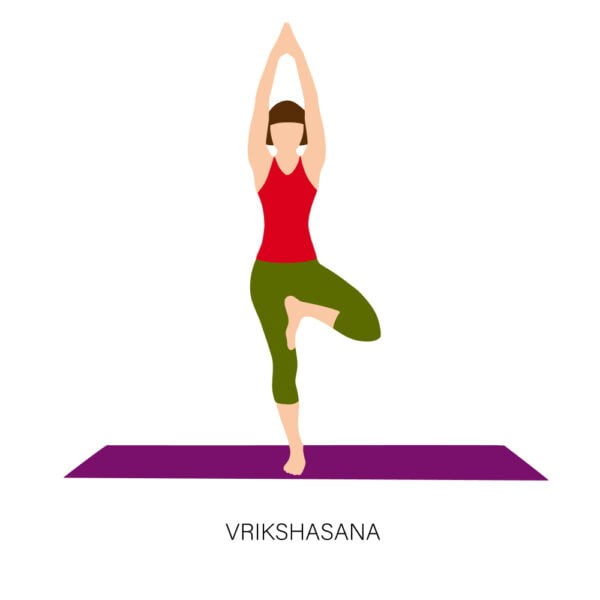
Bend your right knee and place the sole of your right foot on the inner part of the left thigh. Keep your left leg straight and stay in this position as long as possible. Rest for a minute and do it with the left foot on the other side. Repeat 5 times.
Advantages.
There are many advantages of Vrikshasana or tree pose. It not only improves the spinal column, strengthens the muscles of the calf and foot but also enhances both balance and extends the shoulders. Practicing it regularly improves blood circulation and keeps heart diseases away.
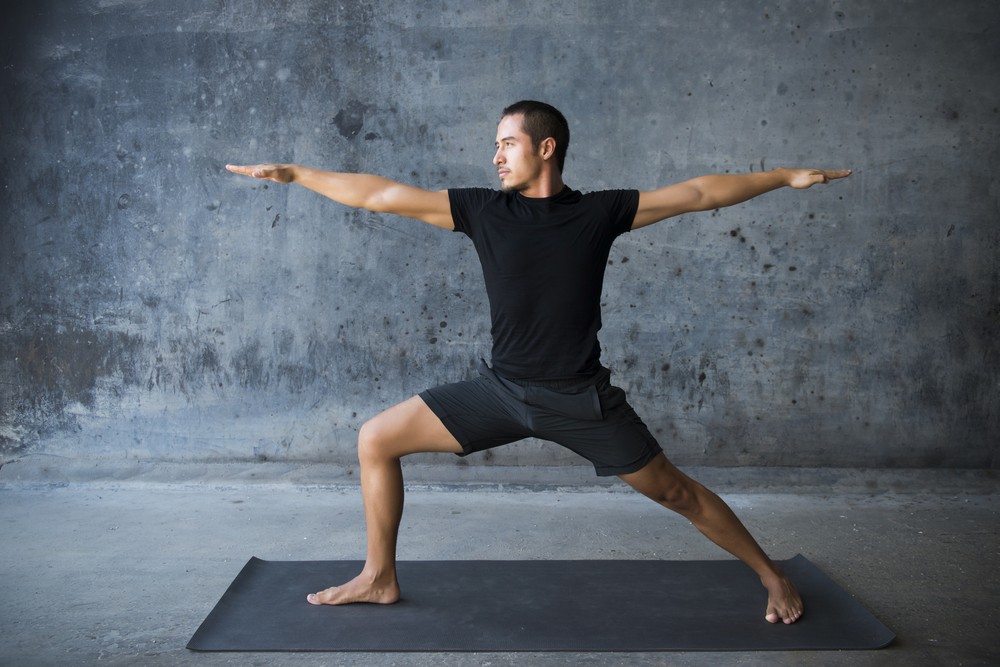
2 Virabhadrasana (Warrior Pose).
Stand up straight on the ground, looking ahead. Keep your feet about 4 inches apart in the forward direction. Rotate your left foot 90 degrees and the right foot about 15 degrees. Raise both arms to the side until they are flattened by the shoulders.
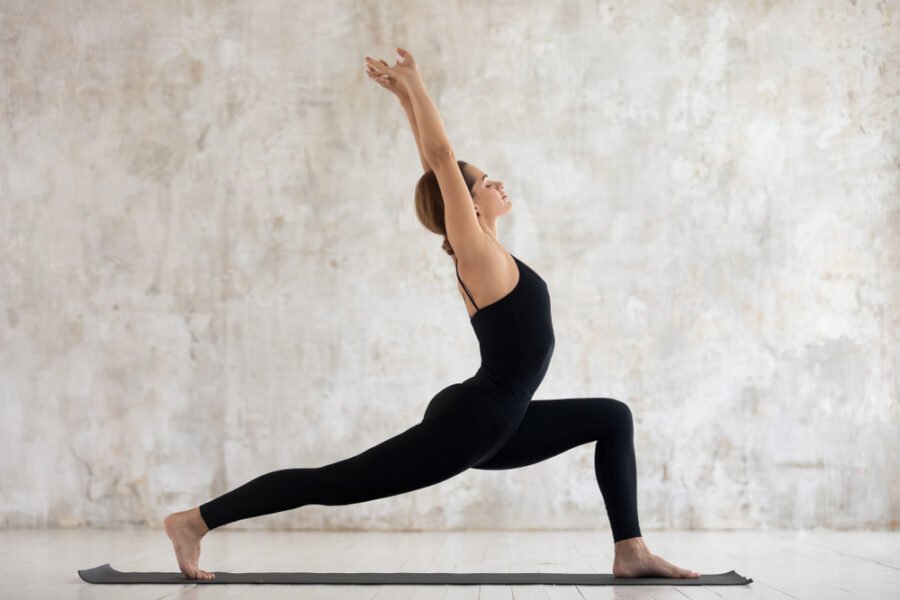
Bend your left knee while exhaling. Thereafter, slowly turn your head and look to the left. Keep breathing and stretch your hands forward.
Gently push your pelvis downwards and hold the pose with the determination of a warrior. Repeat on the other side with the right leg. Do this 3-4 times while keeping one minute in between for rest.
| Read Now: Tabata Yoga : History, Benefits & Types |
Advantages.
Warrior posture improves the overall balance of the body and increases stamina. It also removes the stiffness of the heel and strengthens the ligaments and tendons of the legs. Additionally, it reduces stress and by controlling the heart rate, it reduces the risk of arrhythmia conditions.
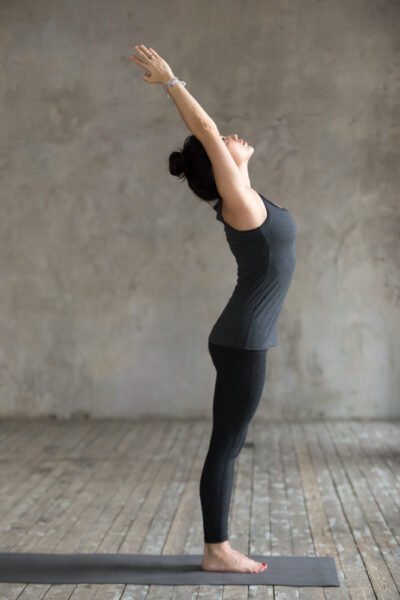
3 Tadasana.
Stand up straight on the ground, the heels touch each other and keep the legs slightly apart. Place the soles on the ground at all times and keep the hands straight on both sides. Look forward and stay in this position for 5 minutes. Take a minute’s break and repeat it 3-4 times.
Advantages.
Being one of the easiest yoga postures, it is extremely helpful in stretching the entire leg, inhaling the breath, relieving stress and increasing blood circulation. It effectively engages the thighs, activates the calf muscles and strengthens the knees.
Regular practice of this asana also helps to strengthen the long muscles of the body and open the joints of the spine, shoulder and hip.
4 Virasana (Hero Pose).
Sit on your knees and wide your legs and keep your toes backwards. Straightening your spine, place your hands on your thighs, palms facing downwards. Shift your weight to your hips and not to your knees. Roll aside and release your legs. Breathe normally throughout. Take a minute break and repeat the asana 5 times.
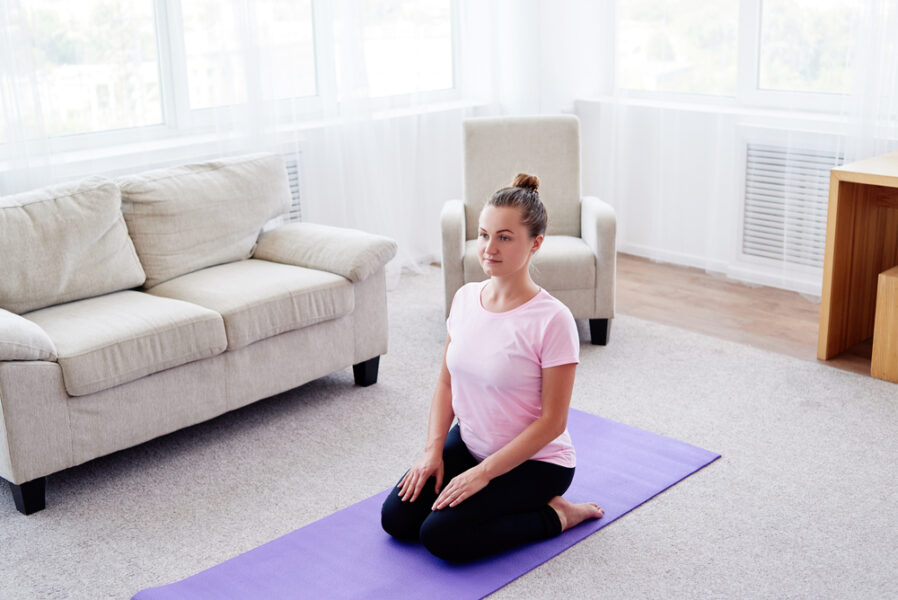
Advantages.
The hero pose is extremely beneficial for extending the entire inner line of the leg muscles. It also strengthens the tendons that are responsible for keeping the arches sucked in the legs. It not only stretches the hips, thighs, knees, ankles and legs but also improves the overall circulation and relieves tired feet.
5 Downward Dog Pose.
Lie down on the floor and keep your hands straight. Thereafter, slowly lift your hips off the floor and straighten your elbows & knees. Make sure your body makes an upside down ‘V’.

Now, press your hands into the ground and stretch your neck in such a way that your ears touch your inner arms, and you turn your gaze towards your navel. Stay in this position for five-eight breaths and then return to the original position.
Advantages.
The downward dog pose is one of the most effective yogasanas to give a good stretch to the muscles of the gastrointestinal tract. It not only calms the mind and prolongs the spine but also activates the body and releases the trapped energy. It is also extremely beneficial for promoting overall blood circulation and promoting cardiovascular functions.
Bottom Line.
Yoga therapy for flat feet focuses on teaching practitioners to stand properly and evenly on both feet while doing all the asanas. In the above mentioned yoga poses postures are very important because they work on the legs. The posture of sitting helps to maintain the arch on the legs. In fact, one should always remember to stretch the soles of the feet while practicing each asana.
+2 Sources
Freaktofit has strict sourcing guidelines and relies on peer-reviewed studies, educational research institutes, and medical organizations. We avoid using tertiary references. You can learn more about how we ensure our content is accurate and up-to-date by reading our editorial policy.
- Foot and Ankle Conditioning Program; https://orthoinfo.aaos.org/en/recovery/foot-and-ankle-conditioning-program/
- Musculoskeletal Conditions of the Foot and Ankle: Assessments and Treatment Options ; https://www.ncbi.nlm.nih.gov/pmc/articles/PMC3414868/