









































 Workout

 Meditation


 Podcast
 E-book


AT A GLANCE
- If you have a serious case – a sesamoid fracture or a broken sesamoid bone – it may take 6 to 8 weeks for it to fully heal.
- For this exercise, you will need a towel and it is best to start with one that is quite light.
- In mild cases of Sesamoiditis, it may take a few days to heal or it may take up to 3 weeks.

Are you experiencing pain under your big toe? Do you having trouble walking or running because of it? Are you a runner or a dancer? Do you often wear high heels? You may have Sesamoiditis. So, you should read this article to learn about some effective Sesamoiditis Exercises.
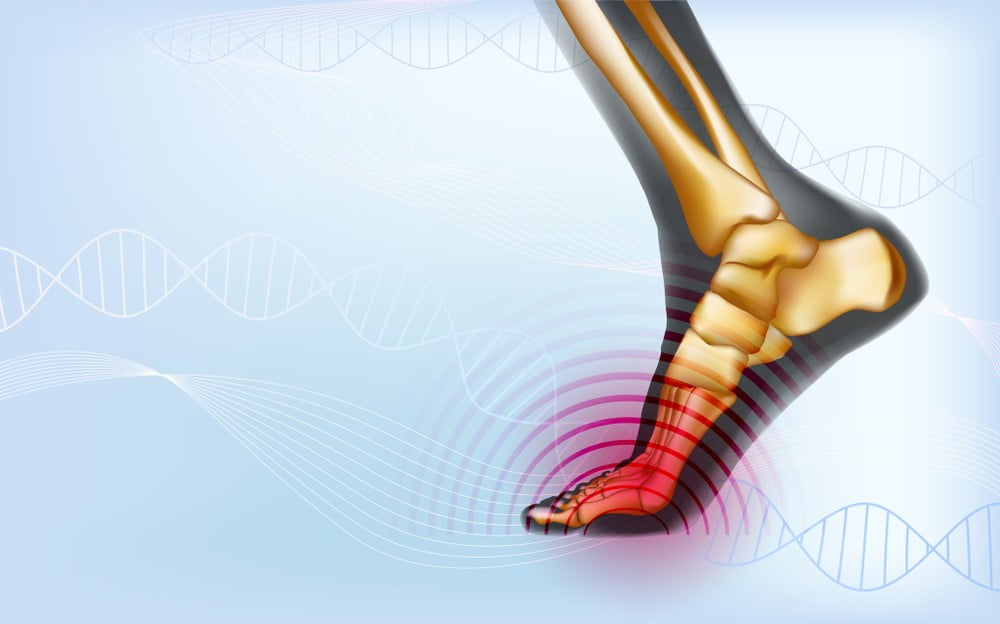
Sesamoiditis is a foot disease that causes pain on the ball of the foot under the big toe. This is called because of the sesamoid bones, which are small bones in the tendons of the large toe.
Sesamoiditis is usually caused by overuse and is not serious. It is usually advised to wear shoes with rest, ice, painkillers and cushioned footwear. Gentle exercises can also be helpful to increase the range of motion and strengthen the leg.
Related Stories
 Which Exercise is Best For Irritable Bowel Syndrome?
 Leg Press Exercise- Steps, Advantages and Mistakes
How Much Time It Generally Takes To Recover From Sesamoiditis?
There are a few things that can affect the time you recover, such as the severity of Sesamoiditis, your level of activity, any existing health condition, and your age.
If you have a serious case – a sesamoid fracture or a broken sesamoid bone – it may take 6 to 8 weeks for it to fully heal. During this time, your leg will need to be kept safe and you will not be able to put any load on the leg.
In mild cases of Sesamoiditis, it may take a few days to heal or it may take up to 3 weeks.
The best way to treat Sesamoiditis conservatively is to use the RICE principle:
- Rest.
- Ice.
- Compression.
- Elevation.
You should avoid doing your regular exercise and vigorous activity, such as running, while recovering from Sesamoiditis.
To reduce pain and inflammation, you can use non-steroidal anti-inflammatory drugs, such as ibuprofen-motrin-nuprin, Advil-Naproxen-Aleve, or naprosyn.
You can also try insoles for Sesamoiditis or a good pair of shoes for to help with the pain. Some people find that Sesamoiditis pads can effective.
If left untreated, Sesamoiditis will worsen. It will also increase the time that it takes for the sesamoid bones to heal.
Sesamoiditis Exercises.
One of the best ways to treat and prevent Sesamoiditis is to do foot strengthening and stretching exercises. KT taping is also useful.
These exercises can strengthen your leg and improve your leg mobility, helping to reduce the pressure on your sesamoid bones. It may help in the treatment and prevention of Sesamoiditis in the future.
1 Foot Raises (Only When Pain and Inflammation Free).
Do this exercise only if the swelling and pain are completely reduced. Such exercise works to strengthen the soft tissues that are surrounded near the sesamoid bones. When you first start doing this exercise make sure you are on a strong chair or surface for balance.
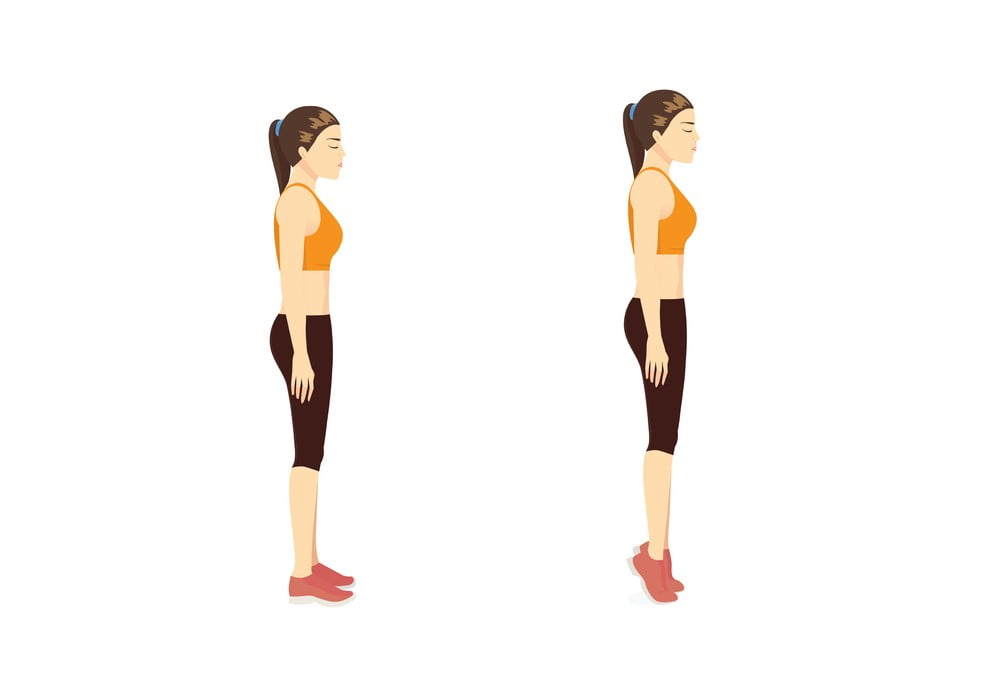
- Standing up straight, start to raise yourself on your toes. Once both your heels have moved off the ground, stay in this position for 2 to 5 seconds. Then slowly bring yourself back to the ground.
- Repeat this movement 10 to 20 times.
- As your toes develops strength, move with one foot at a time and then alternate the legs.
2 Towel Pick-Up.
This exercise will help to strengthen and restore movement in the big toe. For this exercise, you will need a towel and it is best to start with one that is quite light. You may do this exercise by sitting or standing position.
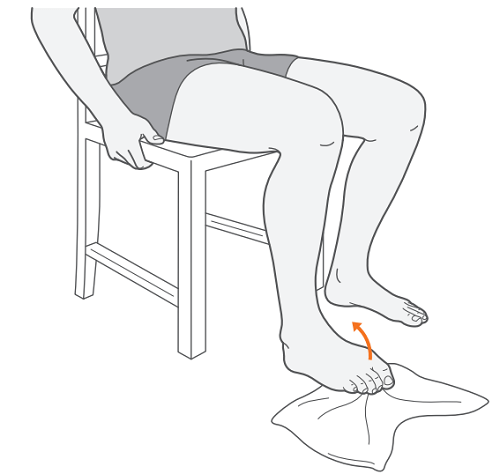
- Place the towel on the floor and then use your toes to lift the towel.
- Repeat this action 10 to 20 times on each leg.
3 Range of Motion (In Case of Swelling and Pain).
This exercise can help to restore the range of motion in the big toe, which can be limited after swelling.
- Start by sitting in a chair, and extend the foot with the affected leg.
- Using only your toe muscles, turn your large toe downwards toward the ground. Thereafter lift your big toe as if you were pulling the toe backwards.
- Try not to move the entire leg while doing this exercise, but just the toe muscles.
- Repeat this exercise 10-20 times on each toe.
4 Foot Mobilization.
For this exercise, you will need a tennis ball or a yoga tune-up ball. You may stand or sit for this exercise, depending on how much pressure you want to put.

- Start by rolling the ball off your forefoot – under your big toe – in the middle of your foot, then back on your forefoot. Do this continuously for 20-30 seconds.
- Then, swing your foot from one side to the other on the ball, starting from the front most and then in the middle of your foot. Do this continuously for 20 to 30 seconds and then rotate the legs.
5 Toe Crunches.
The toe crunches helps the big toe to restore momentum after the pain and swelling have subsided.
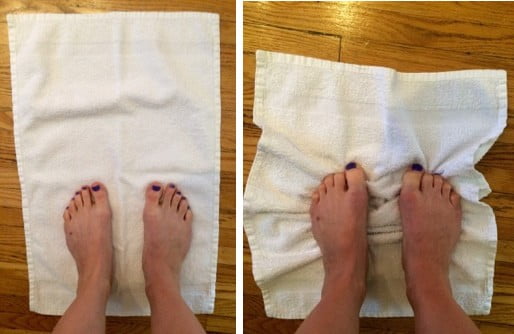
- Sit in a chair and place a hand towel on the floor near your affected leg.
- Use your injured toes to hold and lift the towel and then release it.
- Do this exercise 10 times daily or as directed by your doctor.
Bottom Line.
In most of the cases, this type of Sesamoiditis exercises are not necessary until your doctor recommends. After resting your leg for some time, applying ice and wearing suitable shoes may relieve the pain and swelling and you can resume normal activity. In some cases, it may be helpful to wrap your foot in an auxiliary elastic bandage for a while when you get back to your activities. If your pain comes on frequently or is chronic, talk to your doctor about other treatment options.