










































 Workout

 Meditation


 Podcast
 E-book



AT A GLANCE
- Toilet infections can range from mild to severe, and the symptoms will vary depending on the type of infection.
- This bacterium is found in the neck area in a human being, arranged in chains.
- Unexplained weight loss or an increased urgency to urinate can also be signs of a toilet infection.
Toilet infections are a common problem, but many people don’t know the signs or how to prevent them. In this article, we’ll discuss what toilet infections are, how they can be prevented, and when to seek medical help. Knowing how to spot and avoid toilet infections can help you protect your health and maintain good hygiene. Read on to learn more about toilet infections and how to prevent them.
What is Toilet Infection?
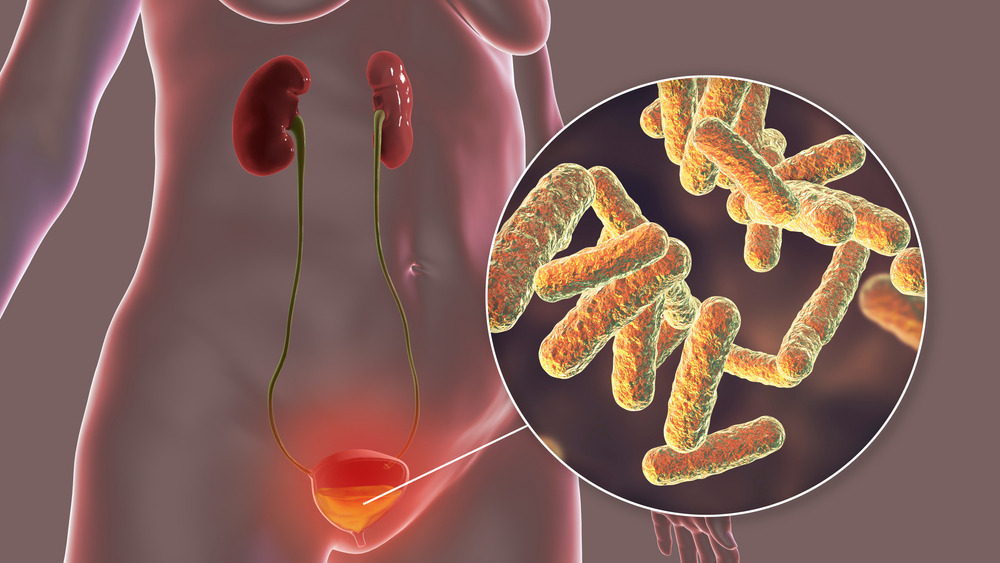
Toilet infections, also known as “fecal-oral infections”, are diseases caused by contact with contaminated fecal matter or surfaces. These infections can be transmitted through oral contact with a contaminated surface, or through direct contact with infected fecal matter. Common examples of toilet infections include salmonella, E. coli, shigella, hepatitis A and giardia.
Causes of Toilet Infections.
Toilet infections are caused by a range of bacteria and viruses, such as Escherichia coli (E. coli), Salmonella, Campylobacter, and Shigella, which can be transferred from one person to another through contact with contaminated surfaces or fecal matter.
Related Stories
 Sesamoiditis: The Injury That Can Cause You to Wear Heels Too Much
 90% of People’s Eyesight Was Lost To Some Extent By Corona: Expert
Poor personal hygiene is the main cause of toilet infections, as it allows for the transfer of these harmful bacteria.
Other causes of toilet infections include poor sanitation practices, contaminated food or water, and failure to properly clean or disinfect toilets after use.
Symptoms of Toilet Infections.
Toilet infections can range from mild to severe, and the symptoms will vary depending on the type of infection. Common symptoms of toilet infections include abdominal pain, cramps, nausea, vomiting, fever, chills, and general discomfort.
Other symptoms may include diarrhea, fatigue, rectal itching, or blood in the stool. Unexplained weight loss or an increased urgency to urinate can also be signs of a toilet infection.
If you are experiencing any of these symptoms, it is important to consult with your doctor as soon as possible.
7 Types Of Toilet Infections.
1 Urinary Tract Infection (UTI).

UTI is one of the most common toilet infections and is usually caused by bacteria entering through the urethra, bladder or ureters. Symptoms include burning sensation when urinating, frequent urination, cloudy urine, and pain in the abdomen and lower back.
2 Norovirus.
Norovirus is almost like E. coli, except that it requires more than washing to get rid of it. So don’t give it a chance to build in your toilet. It is also mostly found around the toilet seat. Sudden nausea, vomiting and diarrhea appear to be its major symptoms.
3 Escherichia coli.
Escherichia coli or E. coli is the most prevalent bathroom disease today. It is an intestinal infection discovered in the gut and mostly spreads through toilet seats. Nausea, diarrhea and abdominal pain are possible symptoms in infected individuals.
4 Shigella.
When contact is made between an infected surface (door handles, handles, toilet seats, etc.) and a person, this type of toilet disease occurs. If they use contaminated water, anyone can get infected. Symptoms include diarrhea, abdominal pain, dysentery, etc.
5 Staphylococcus.
Staphylococcus contracts through contaminated surfaces such as a seat in the toilet. It can survive for up to two months. Boils and cellulitis (infected lesions) are likely to occur in infected people.
However, if left untreated for a long time, Staphylococcus may not initially be life-threatening, but it can lead to a serious illness such as pneumonia.
6 Gardnerella.
This infection causes bacterial vaginosis. Also known as and it is found in women. Its main symptoms include (with less itching) vaginal discharge.
7 Streptococcus.
This bacterium is found in the neck area in a human being, arranged in chains. It also contracts mostly through the toilet seat and has the following symptoms: skin rashes, sore throat, swelling in the throat, fever, fatigue, abdominal pain, etc.
Diagnosis of Toilet Infections.
1 Urine Test and Vaginal Swab.
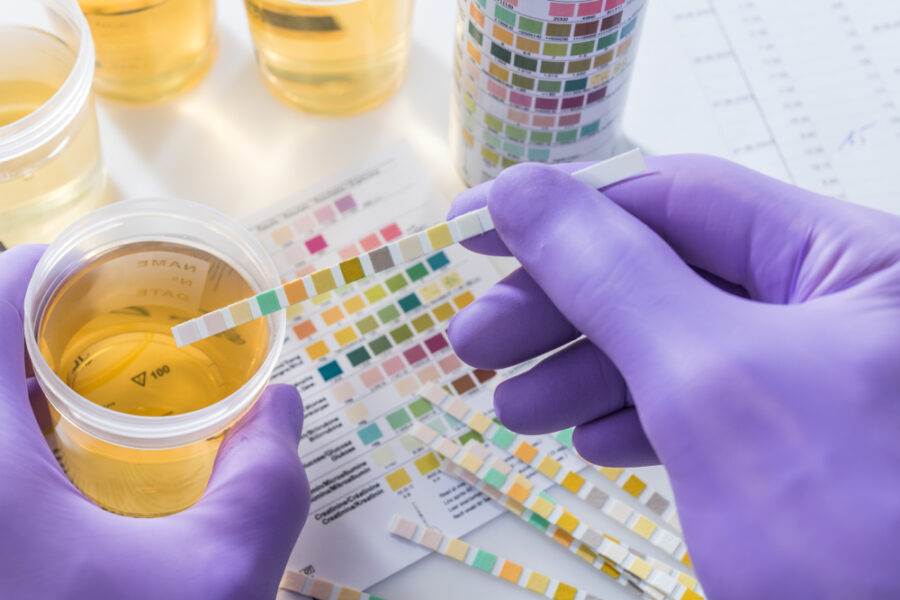
Your doctor will likely perform a urine test and vaginal swab to identify the presence of toilet infections. A urine test will check for the presence of white blood cells, bacteria, and other substances that could indicate an infection.
2 Sample of the Discharge or Tissue.
In some cases, your doctor may take a sample of the discharge or tissue from the urethra to test for the presence of bacteria or fungus. Depending on your symptoms and test results, your doctor may prescribe antibiotics or antifungal medications to treat the infection.
If you have recurrent or frequent infections, your doctor may also suggest lifestyle changes such as increasing your intake of fluids and cranberry juice, avoiding tight clothing, and taking showers instead of baths. Taking these steps can help reduce your risk of developing a new toilet infection.
Toilet Infections in Male.
Toilet infections are a common occurrence in men, particularly those who have not been circumcised. Common infections include balanitis, which is an inflammation of the foreskin or head of the penis, and prostatitis, which is an inflammation of the prostate gland.

Other infections include urinary tract infections and jock itch. These can be caused by a variety of factors such as contact with unclean surfaces, poor hygiene habits, and tight-fitting clothing.
It is important to understand the causes and treatment of toilet infections in male in order to prevent them from occurring in the future.
Treatment For Toilet Infections In Male.
If you think that you might have a toilet infection, it is best to seek medical attention as soon as possible.
1 Swab or Urine Sample Test.
The doctor will take a swab or urine sample to check for bacteria that may be causing the infection. In some cases, antibiotics can be prescribed to treat the infection.
2 Practice Good Hygiene.
It is also important to practice good hygiene habits such as washing your hands thoroughly after using the toilet and changing underwear regularly to reduce the risk of developing an infection.
3 Topical Treatments.
If you are suffering from balanitis, it is important to keep the area clean and dry, and avoid using harsh soaps or creams that may further irritate the skin. Your doctor may also recommend topical treatments such as corticosteroids or antifungal creams to reduce swelling and discomfort.
It is important to recognize the signs and symptoms of a toilet infection in male in order to prevent further complications and get treatment as soon as possible. If you experience any pain, swelling, or itching in the genital area, be sure to see your doctor for a diagnosis and treatment.
4 Healthy Diet.
When it comes to treating toilet infections in males, the best course of action is to start with simple home remedies, such as drinking plenty of fluids, eating a healthy diet, and avoiding processed foods.
In addition, it’s important to practice good hygiene, including washing the genitals before and after using the bathroom. If these measures don’t help to clear up the infection, it’s important to consult a doctor for further advice.
5 Medications.
In some cases, your doctor may prescribe antibiotics or antifungal medications to help clear up the infection. If you’re prescribed medication, be sure to take all of it as prescribed and follow the doctor’s instructions for safe usage.
It’s also important to avoid having sexual contact until the infection is fully cleared up. This will help prevent the spread of the infection and ensure that it is fully treated.
Toilet Infections in Female.
Toilet infections in female can be caused by several different conditions. The most common type of toilet infection is a urinary tract infection (UTI), which affects the bladder and urethra.
Other potential causes of a toilet infection include bacterial vaginosis, sexually transmitted infections (STIs), or other bacterial infections.

Symptoms of a toilet infection in women may include pain or burning while urinating, a frequent need to urinate, and a strong-smelling urine. It is important to get prompt medical attention if you experience these symptoms.
Treatment For Toilet Infections In Female.
1 Medication.
Treatment for toilet infections in females typically involves a course of antibiotics. Your doctor will determine the best type and dosage based on the severity of your infection.
Depending on the severity, antibiotics may need to be taken for anywhere from three days to two weeks. You may experience relief within one to two days of starting antibiotics, but it’s important to take the full course of medication even if you start to feel better.
Additionally, your doctor may suggest taking ibuprofen or drinking cranberry juice to help relieve the symptoms of a UTI.
For STIs, medications may be prescribed to treat the infection, depending on the type. Other bacterial infections may also require antibiotics or topical medications. It is important to follow the instructions of your doctor to ensure that the infection is cleared up completely.
2 Hygiene.

It is also important for women to practice good hygiene habits to help prevent toilet infections from occurring in the future. Wiping front to back after using the toilet, avoiding douching, and urinating after sexual intercourse can all help reduce the risk of developing a toilet infection.
3 Lifestyle Changes.
If you have recurrent UTIs, your doctor may recommend lifestyle changes such as drinking plenty of water, wearing cotton underwear, wiping front to back after using the bathroom, and avoiding perfumed products in the genital area. In some cases, a doctor may prescribe a low-dose antibiotic to be taken regularly to prevent future infections.
It’s important to seek medical attention if you think you may have a toilet infection. If left untreated, a UTI can spread to your kidneys and cause more serious health issues.
Toilet Infections Treatment or Cure According To Types.
Toilet infections are one of the most common health issues, particularly among adults and children. Treatment of these infections depends on the cause, as different types require different courses of action. Generally, toilet infections are treated with antibiotics or antifungal medications.
1 Bacterial.
For bacterial toilet infections, antibiotics are prescribed for a short course of treatment. The goal is to eradicate the infection and prevent further outbreaks. In some cases, if the infection has spread, hospitalization may be necessary for intravenous antibiotics.
2 Fungi.
If the toilet infection is caused by fungi, antifungal medications are usually prescribed. Some of the most common antifungal medications include ketoconazole, miconazole, fluconazole and itraconazole. These medications are taken either orally or topically and they help to fight off the infection while also preventing it from recurring.
3 Mild Cases.
For mild cases of toilet infections, home remedies can be used to reduce symptoms and discomfort. Common home remedies for toilet infections include drinking plenty of fluids, wearing loose clothing, avoiding tight underwear and keeping the genital area clean and dry.
Natural treatments such as yogurt, garlic or apple cider vinegar can also be applied to the affected area to help relieve itching and burning.
It is important to follow the advice of a doctor when treating a toilet infection. If symptoms persist or worsen despite treatment, medical attention should be sought immediately.
Also, it is important to practice good hygiene and avoid sharing personal items with anyone else to help prevent the spread of infection.
Prevention of Toilet Infections.
1 Practice Good Hygiene.
Toilet infections are caused by bacteria, viruses, and parasites that can contaminate water, surfaces, and materials. In order to prevent toilet infections, it is important to practice good hygiene and take the necessary steps to keep your environment clean.(1)
2 Use Disinfectant.
One of the most important ways to prevent toilet infections is to wash your hands with soap and water before and after using the bathroom. This helps to reduce the spread of bacteria that can cause toilet infections. Additionally, you should also ensure that the toilet and surrounding area are regularly cleaned with a disinfectant to kill any germs.(2)
3 Use a Separate Toilet Brush And Towel.
It is also important to use a separate toilet brush for each family member and make sure to replace it every three months. Additionally, it is important to keep the bathroom floors and surfaces clean by using a disinfectant regularly. It is also recommended to use a separate towel for each family member and replace them often.(3)
4 Use Toilet Seat Cover.
Using a toilet seat cover can help reduce the spread of bacteria and prevent toilet infections as well. Additionally, it is important to maintain good bathroom ventilation so that mold and mildew don’t grow and spread. Lastly, if you have a septic tank, it is important to get it checked every one or two years to ensure proper functioning.
5 Use an Antibacterial Soap.
Firstly, it’s important to keep your genitals clean and dry. After you go to the toilet, make sure to dry yourself thoroughly and use an antibacterial soap or an intimate hygiene product to cleanse the area. You may also want to use a lubricant when wiping to reduce irritation.(4)
6 Avoid any Irritants.
In addition, it’s important to avoid any irritants that could cause further discomfort. This includes using scented soaps or wearing tight clothing. Also, be sure to change tampons or pads frequently and avoid using scented products in the genital area.
7 Herbal Remedies.

Furthermore, certain natural treatments may also help treat toilet infections. Herbal remedies like garlic, tea tree oil, and apple cider vinegar have been known to help treat and prevent various types of infections, including those caused by bacteria. However, before attempting to use any of these remedies, it’s best to consult your doctor first.(5)
8 Consult With a Doctor.
Finally, if your symptoms don’t seem to improve with any of these home remedies, it’s best to see a doctor as soon as possible. Left untreated, toilet infections can lead to more serious complications, so it’s important to get them treated as soon as possible.
Bottom Line.
Toilet infections can be a serious problem, especially for those with weakened immune systems or medical conditions that put them at risk for complications. The best way to avoid a toilet infection is to practice good hygiene and avoid contact with contaminated surfaces.
Seek medical attention if you experience any symptoms associated with a toilet infection, as early diagnosis and treatment are key to avoiding more serious complications. Taking preventative measures, such as regularly cleaning your toilet, can also help reduce your risk of contracting a toilet infection.
+5 Sources
Freaktofit has strict sourcing guidelines and relies on peer-reviewed studies, educational research institutes, and medical organizations. We avoid using tertiary references. You can learn more about how we ensure our content is accurate and up-to-date by reading our editorial policy.
- Toilet hygiene—review and research needs; https://www.ncbi.nlm.nih.gov/pmc/articles/PMC9292268/
- Antiseptics and disinfectants for the treatment of vaginal discharge in non‐pregnant women; https://www.ncbi.nlm.nih.gov/pmc/articles/PMC6834826/
- TOOTHBRUSH AND TOWEL HANDLING AND THEIR MICROBIAL QUALITY: THE CASE OF STUDENTS OF UNIVERSITY FOR DEVELOPMENT STUDIES, NYANKPALA CAMPUS, GHANA; https://www.ncbi.nlm.nih.gov/pmc/articles/PMC8047282/
- The Effect of Handwashing with Water or Soap on Bacterial Contamination of Hands; https://www.ncbi.nlm.nih.gov/pmc/articles/PMC3037063/
- In vitro and in vivo activity of tea tree oil against azole-susceptible and -resistant human pathogenic yeasts; https://academic.oup.com/jac/article/51/5/1223/784261?login=false