













































 Workout

 Meditation


 Podcast
 E-book



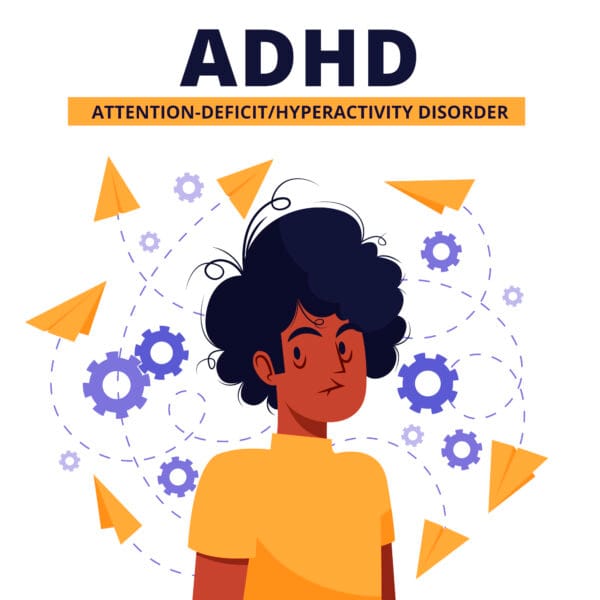
Attention-Deficit/Hyperactivity Disorder (ADHD) is a neurodevelopmental condition that affects both children and adults. Characterized by symptoms of inattention, hyperactivity, and impulsivity, ADHD can significantly impact daily functioning and quality of life. This article delves into the various facets of ADHD, including its symptoms, causes, diagnosis, treatment options, and real-life experiences, providing a holistic understanding of the condition.
What is ADHD?
ADHD is a chronic condition involving attention difficulty, hyperactivity, and impulsiveness. It often begins in childhood and can persist into adulthood, affecting various aspects of an individual’s life, including academic performance, work responsibilities, and social interactions.
Key Characteristics of ADHD:
- Inattention: Difficulty sustaining focus, following detailed instructions, and organizing tasks.
- Hyperactivity: Excessive movement or fidgeting, inability to stay seated, and restlessness.
- Impulsivity: Hasty actions without forethought, interrupting others, and difficulty waiting for one’s turn.
These symptoms can vary in intensity and may present differently across individuals.
Causes and Risk Factors.
The exact cause of ADHD remains unknown, but research indicates a combination of genetic and environmental factors contributing to its development.
Related Stories
 Early Warning Signs of Thyroid Problems in Males, Females and Babies
 The Ultimate Guide to Dry Flowers for Bath: Benefits, Usage, and Precautions
Genetic Factors:
- Hereditary Links: Studies show that ADHD tends to run in families, suggesting a strong genetic component.
Environmental Factors:
- Prenatal Exposures: Exposure to tobacco smoke, alcohol, or drugs during pregnancy may increase the risk of ADHD in children.
- Lead Exposure: High levels of lead exposure in early childhood have been linked to ADHD symptoms.
Diagnosis of ADHD.
Diagnosing ADHD involves a comprehensive evaluation by healthcare professionals, considering various factors to ensure an accurate diagnosis.
Diagnostic Criteria:
- Symptom Duration: Symptoms must be present for at least six months and inappropriate for the individual’s developmental level.
- Age of Onset: Several symptoms should have been evident before the age of 12.
- Settings: Symptoms must be present in two or more settings (e.g., home, school, work).
- Impact: There should be clear evidence that the symptoms interfere with or reduce the quality of social, academic, or occupational functioning.
Assessment Process:
- Clinical Interviews: Gathering detailed personal and family history.
- Behavioral Questionnaires: Standardized tools to assess the frequency and severity of symptoms.
- Medical Examination: To rule out other potential causes of symptoms.
Treatment Options.
Managing ADHD typically involves a multimodal approach, combining medication, behavioral therapies, and lifestyle modifications.
Medications:
- Stimulants: Such as methylphenidate and amphetamines, are commonly prescribed and have been shown to be effective in reducing core symptoms.
- Non-Stimulants: Options like atomoxetine or certain antidepressants may be used, especially if stimulants are not suitable.
Behavioral Therapies:
- Cognitive Behavioral Therapy (CBT): Helps individuals develop coping strategies and address negative thought patterns.
- Behavioral Interventions: Techniques aimed at modifying disruptive behaviors and enhancing organizational skills.
Lifestyle Modifications:
- Regular Exercise: Physical activity has been shown to improve attention and reduce hyperactive behaviors.
- Structured Routines: Establishing consistent daily schedules can aid in managing symptoms.
- Dietary Considerations: Some studies suggest that certain dietary changes may benefit individuals with ADHD, though more research is needed.
Real-Life Experiences and Case Studies.
Understanding ADHD through personal stories provides valuable insights into the challenges and triumphs associated with the condition.
Case Study 1: Late Diagnosis in Adulthood.
Claire Quant and Kate Whitley spent much of their lives feeling like failures due to undiagnosed ADHD. Both women struggled with concentration, anxiety, and social interactions as children, leading to academic and social difficulties. It wasn’t until their 50s that they received ADHD diagnoses, which provided clarity and validation for their lifelong challenges. Post-diagnosis, Claire and Kate found solace and support, helping them manage their symptoms and improve their quality of life.
Case Study 2: Impact of ADHD on Life Expectancy.
A recent study by University College London has revealed that individuals diagnosed with ADHD in the UK have a significantly reduced life expectancy compared to their peers. The study found that men with ADHD have their life expectancy reduced by 6.78 years, while women lose 8.64 years. Researchers used the life-table method to analyze data from 30,000 adults in the UK, discovering that those with ADHD are more likely to suffer from various health conditions, including diabetes, high blood pressure, anxiety, and depression, which contribute to their higher mortality rate.(1)

Frequently Asked Questions.
Yes, ADHD is a well-recognized medical disorder with established diagnostic criteria and treatment guidelines.
Absolutely. While ADHD often begins in childhood, many individuals are diagnosed in adulthood, especially if symptoms were overlooked or misattributed earlier in life.
Yes, behavioral therapies, lifestyle modifications, and educational interventions can be effective, either alone or in combination with medications.
Some studies suggest that individuals with ADHD may have a reduced life expectancy, potentially due to associated health risks and behaviors.
While awareness has increased, leading to more diagnoses, research indicates that ADHD remains underdiagnosed in many populations, particularly among women and minority groups.
| 💡 What Experts Say? Dr. Russell Barkley, a renowned ADHD researcher, emphasizes the importance of early diagnosis and intervention. He notes, “Timely identification and management of ADHD can significantly improve outcomes and quality of life for those affected.” |
Final Thoughts.
ADHD is a complex and multifaceted condition that requires a comprehensive understanding and individualized approach to management. Through a combination of medical treatments, behavioral strategies, and support systems, individuals with ADHD can lead fulfilling and productive lives. Awareness and education are crucial in dispelling myths and fostering a supportive environment for those affected by ADHD.
+1 Source
Freaktofit has strict sourcing guidelines and relies on peer-reviewed studies, educational research institutes, and medical organizations. We avoid using tertiary references. You can learn more about how we ensure our content is accurate and up-to-date by reading our editorial policy.
- Life expectancy and years of life lost for adults with diagnosed ADHD in the UK: matched cohort study; https://www.cambridge.org/core/journals/the-british-journal-of-psychiatry/article/life-expectancy-and-years-of-life-lost-for-adults-with-diagnosed-adhd-in-the-uk-matched-cohort-study/30B8B109DF2BB33CC51F72FD1C953739













This article is a great addition to the wealth of knowledge available online. Thanks for sharing your expertise!